When you notice the smell of gasoline or see a small puddle under your car, it could be a sign of a fuel line leak. Fuel line leaks can be dangerous and costly. Therefore, you should not ignore them at all.
The good news is that in many cases, you can learn how to fix a fuel line leak yourself without having to replace the entire system.This guide explains how to fix a fuel line leak in a car, signs to look for, and tools to prevent future leaks, even if you are not a professional mechanic.
Signs your fuel line might be leaking
A damaged or cracked fuel line doesn’t always show immediate symptoms. But paying attention to the following warning signs can help you catch the issue before it worsens.
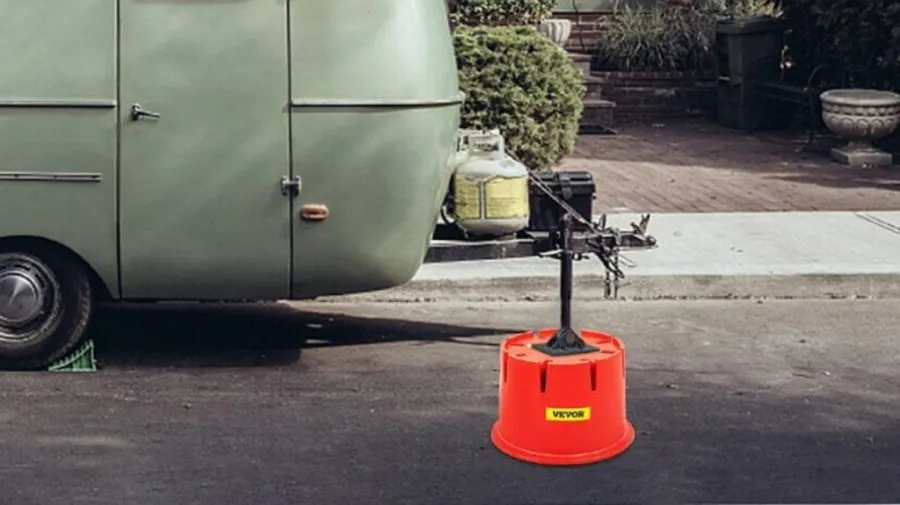
These signs will also help you understand what causes a fuel line to leak and how you can avoid it. If you are checking fuel leakage yourself, a small garage stool will help you better examine it with ease.
Smell of gasoline around the car
One of the first indicators of a fuel leak is the strong odor of gasoline around your vehicle, especially after parking. Gasoline vapors escape easily from a tiny crack or loose connection. Therefore, they easily spread around your car. If the smell persists even when your car is off, it’s best to investigate immediately.
Visible fuel puddles or drips under the vehicle
If you notice wet spots or shiny puddles near the rear or middle of your car, it could be leaking fuel. You can confirm by checking the color and texture of the leaked fluid.
Gasoline has a clear or slightly amber tint, and it evaporates quickly. Please avoid touching or igniting anything near the spot, as it can turn into a hazard.
Engine misfires or drops in fuel efficiency
A leak in the fuel line disrupts the normal flow of gasoline to the engine, leading to misfires, rough idling, or poor acceleration. You may also notice a drop in fuel economy because the engine is getting less fuel than it needs, while some of it leaks out before combustion.
Warning lights or starting issues
Modern cars may show a “Check Engine Light” when the fuel pressure drops due to a leak. You might also experience difficulty starting your car or notice it cranking longer than usual. These symptoms are signs to check the fuel system right away.
Once you have enough signs of fuel line leakage, you must be looking for the easiest and cheapest hack about how to fix a fuel line leak without replacing it. We have discussed all possible methods below that will help you learn how to fix a fuel line leak in a car.
How to fix a fuel line leak step by step
Fixing damaged and faulty things requires a lot of patience. Similarly, learning how to fix a fuel line leak safely requires patience and the right tools. Depending on the location and severity of the leak, you may not always need to replace the entire line. A fuel line repair kit can often do the job.
Safety first: what you must do before working on a fuel line

Fuel is highly flammable, so safety comes first. You must be cautious to dealing with fuel leaks in cars, and here are a few tips that can help:
- Park your car in a well-ventilated area away from flames or sparks. If you park your car near a flammable area, the leaked fuel can catch fire and turn it into a severe accident.
- Disconnect the battery to eliminate any chance of an electrical spark.
- Depressurize the fuel system by removing the fuel pump fuse and running the engine until it stalls.
- Keep a fire extinguisher and gloves handy for added protection.
Locate the leak: identifying the damaged section
You should inspect the entire length of the fuel line, starting from the fuel tank to the engine.
- Damp or discolored spots
- Corroded metal lines
- Cracked or swollen rubber hoses
You can use a flashlight and a mirror to check hard-to-reach areas. Once identified, mark the leaking spot clearly. Additionally, if you don’t see anything, you can spray soapy water on the line and watch for bubbles, which indicate a leak.
Choose your repair method: replacing vs patching
Your repair approach depends on the severity of the leak.
- If your pretty car has minor leaks,,, you can use a fuel line repair kit to patch the damage temporarily.
- In case of severe leaks or corroded metal lines, you must replace the affected section of the fuel line entirely for a permanent fix.
While it’s possible to learn how to fix a fuel line leak without replacing it, remember that temporary fixes are not long-term solutions.
Repairing soft fuel hose vs hard metal fuel line
Repairing a fuel leak in a car is tricky. Usually, fixing a fuel leak involves either minor hoses or major leaks in metal fuel lines. Soft fuel hoses can be repaired with fuel line kits. However, hard metal fuel line defects are more complex and need specialized tubing and fittings.
For Soft Rubber Fuel Hoses:
- Just cut off the damaged section using a tubing cutter or sharp blade.
- You can use a rubber fuel hose repair kit, which includes clamps and connectors.
- Then, slide clamps onto both ends of the cut hose.
- Finally, insert the barbed connector between the two sections and tighten the clamps securely.
Once done, double-check the hose is fuel-rated and properly seated to prevent further leaks.
For Hard Metal Fuel Lines:
- Cut the damaged section using a tubing cutter.
- Use compression fittings or flare connectors to join new tubing.
- If you’re using a steel or nylon replacement kit, ensure compatibility with your vehicle model.
- Tighten the fittings securely, but avoid over-torquing to prevent cracks.
A metal line repair may take more time, but it’s more durable and safer for long-term use.
Re-assembly, testing, and verifying the fix
Once the repair is done, it’s really important to verify its durability. Here is how you can test and verify your car for fuel leaks:
- First, reconnect the fuel pump fuse and battery.
- Then, turn the ignition key to the “ON” position without starting to let the fuel system pressurize.
- Carefully inspect the repaired section for leaks.
- Start the engine and observe for any drips or fuel smell.
If the repair holds and you don’t notice anything off, bravo, you have learned how to stop a fuel line leak safely!
Maintenance tips to prevent future fuel line leaks
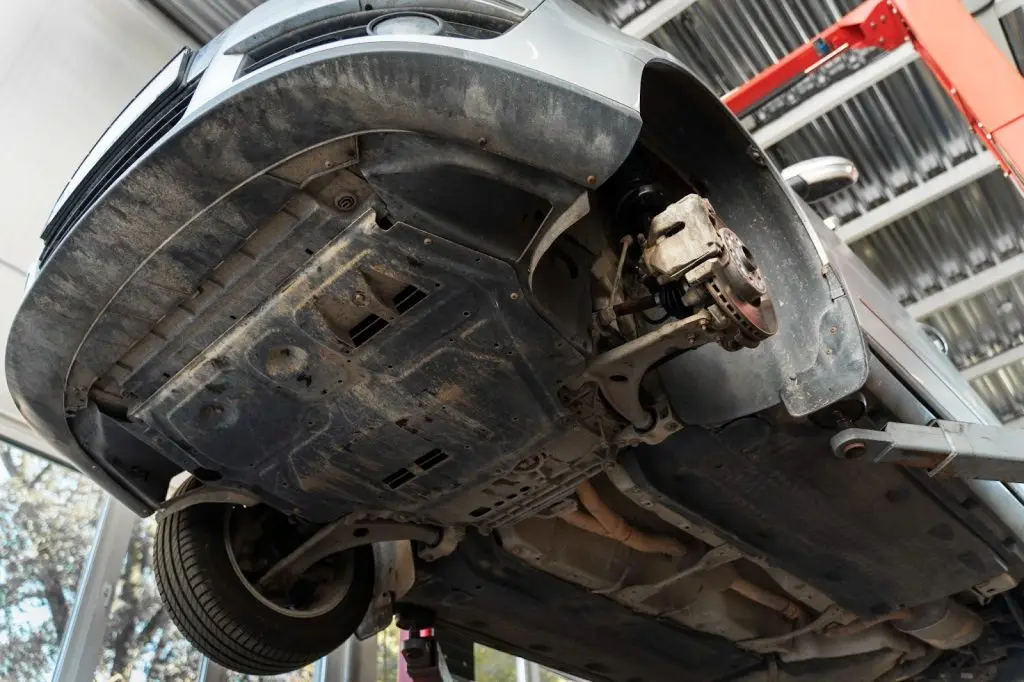
You must have heard that prevention is always better and cheaper than repair. With these maintenance habits, you can extend the life of your fuel system and avoid leaks altogether.
Inspect fuel lines regularly (hoses, connectors, clamps)
The one and only way to aviod leakage is regularly checking your car. A mini garage stool might help with it. You should check your fuel lines every few months, especially if your car is older. Look for cracks, bulges, or corrections. If you notice any of them, repair them immediately.
Additionally, make sure that clamps and connectors are tight but not overly compressed, as they can be rubber hoses, which is the most prominent reason for fuel leaks in cars.
Use quality fuel line components and proper routing
Quality comes at a cost. Most car owners compromise the quality of fuel line components for their cars, which leads to expensive repairs later. Car experts always recommend using OEM-quality fuel hoses that are ethanol-resistant. Cheap replacements could be a quick fix, but they degrade faster.
Moreover, ensure fuel lines are properly rooted and not rubbing against hot and sharp surfaces, which can lead to wear and leaks over time.
Avoid corrosion, abrasion, and heat sources
Corrosion is a common reason for what causes a fuel line to leak, especially in older metal lines. You should keep the underside of your vehicle clean, avoid road salt buildup, and inspect for rust regularly. Furthermore, installing heat shields can protect fuel lines from nearby exhaust systems.
When to replace fuel lines proactively
If your car is over ten years old, consider replacing old rubber hoses before they fail. If you notice any sign of brittleness or cracking, it’s time for a new one. Fuel lines aren’t expensive compared to the damage a leak can cause. Therefore, don’t ignore these signs; otherwise, you will regret it later.
FAQs
How long can you drive with a fuel line leak?
You should never drive with a fuel line leak, even a few miles can be dangerous. A leaking fuel can catch fire easily when it comes in contact with a heart engine or spark.
Can a small fuel line leak cause engine stalling or fire?
Yes. A small leak can lower fuel pressure, causing engine stalling or misfiring. More importantly, it can lead to a fire if gasoline drips onto hot engine components. Always treat leaks as urgent.
What tools do I need to fix a fuel line leak myself?
You will need a tubing cutter, a sharp utility knife, a fuel line repair kit with clamps, connectors, and hoses, screwdrivers, wrenches, safety gloves, goggles, a flashlight, and a fire extinguisher to fix a fuel line leak in your car.
When should I call a professional for a fuel line leak?
If the leak is near the fuel tank, inside the engine bay, or involves metal lines, it’s safer to let a certified mechanic handle it. Professional tools and lifts make the job faster and safer, especially when fuel pressure or sensors are involved.
Conclusion
A fuel line leak may seem like a small issue at first, but it can quickly escalate into a serious safety hazard if ignored. By learning how to fix a fuel line leak in a car and using the right fuel line repair kit, you can handle minor issues confidently and avoid costly replacements.
However, regular inspection and using quality parts along with proper maintenance will help you keep your fuel system safe and efficient. After reading this guide, you can handle minor fuel leaks in the car yourself, but if the damage is beyond your comfort zone, it’s better to hire a professional mechanic.