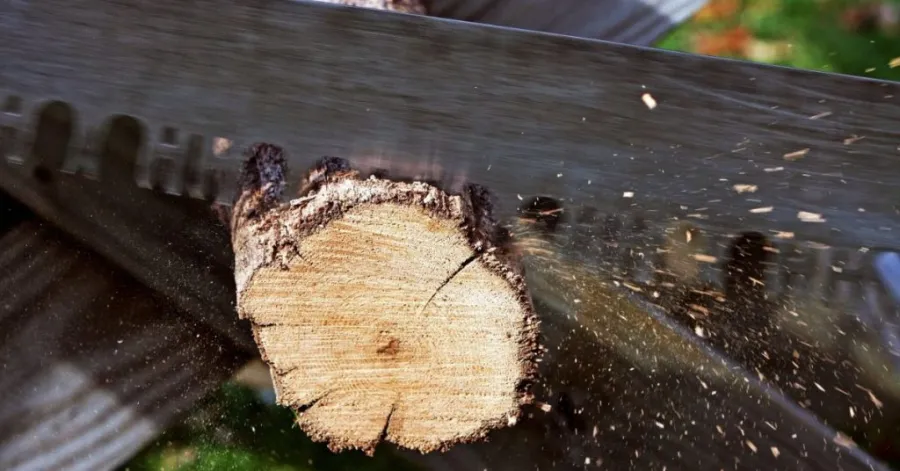
Cleaning of a chainsaw blade includes maintenance of its guidebar and chain. It’s important for maintaining cutting efficiency and preventing overheating. Learning and executing how to clean a chainsaw blade is essential for safety and helps your tool work better. If you skip on how often should you clean a chainsaw chain, you may face more kickback and a shorter chainsaw life. Letting dirt sap build inside your chainsaw blade also lowers its safety and viability. Follow this step-by-step guide to perform well with your chainsaw.
Why and How to Clean a Chainsaw Blade?

Knowing when and how to clean your chainsaw blade helps you avoid problems and keeps your tool working well. Watch for these signs to know when your blade needs attention.
Excessive Sawdust Build-Up
While you are working around the chain and bar, you might find sawdust accumulating around it. This accumulation can cause the blade to jam and make the work a lot slower. A properly sharpened chain produces larger wood chips, while a dull chain produces fine sawdust. If you notice that there is a lot of sawdust, it means that the chainsaw is unable to cut as smoothly as usual.
Sticky Sap and Resin Deposits
When cutting fresh wood, there will be sticky sap or resin on the blade. These materials cause the chain to become sticky and difficult to move. Simply touching the blade and discovering that it sticks is an indicator of sap or resin accumulation. Regular cleaning with a resin solvent helps prevent buildup and keeps the chain operating efficiently. A disadvantage of sap is that it can cause rusting of the metal if left on it.
Reduced Cutting Efficiency
When a chainsaw takes longer to perform the cutting action or deteriorates in performance, the blade needs to be cleaned. You may notice that cuts are not even or the saw has a tendency to pull toward one side. An unevenly sharpened chain or incorrect chain tension can also cause the saw to drift during cutting. The engine might start sounding strained due to its increased effort.
Increased Chain Friction and Heat
Learning how to clean a chainsaw blade also involves awareness of parameters like heat and friction. When dirt, sap, or sawdust covers the blade, the chain cannot move freely. Insufficient bar and chain lubrication significantly increases friction, accelerating wear on both the chain and guide bar. This extra friction causes the chain and bar to heat up quickly.
Quick Signs Your Blade Needs Cleaning
You need to know how to clean your blade if you notice the following signs:
| Sign | What You Notice |
| Sawdust Build-Up | Thick dust around the blade |
| Sticky Sap/Resin | Tacky feel, dirt sticking |
| Reduced Efficiency | Slow, uneven cuts |
| Increased Friction/Heat | Hot chain, harder movement |
Be aware of these symptoms. Properly cleaning your chainsaw blade when it needs it will keep your tool safe and effective.
How to Clean a Chainsaw Blade with Tools and Supplies?
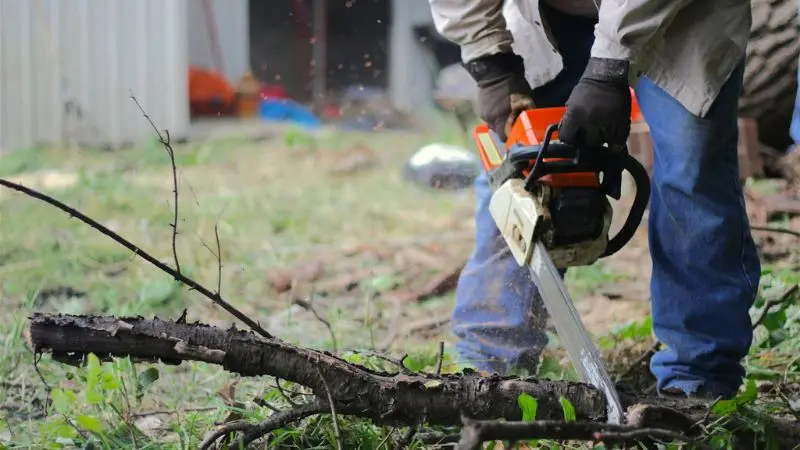
Before you start cleaning your chainsaw blade, get to know what to use to clean a chainsaw blade. First and foremost, gather all the right tools. Using suitable protective equipment keeps you safe and helps you work faster.
Safety Gloves and Protective Gear
A crucial step in getting started with how to clean a chainsaw blade involves safety measures. Wear gloves when handling the blade. Gloves make your hands safe from cuts and scrapes. Glasses shield your eyes from dust and small particles. Select gloves that provide a good fit without slipping. Ensure that your glasses cover your eyes entirely.
Cleaning Brush or Wire Brush
The answer to how to clean tree sap off a chainsaw blade is a brush! A cleaning brush is used to clean dirt and sawdust off the blade. Tough spots can be cleaned with a wire brush. These brushes are used to clean guide bars and chains. Brushes allow you to access small areas and remove sticky sap. For hardened resin buildup, a petroleum-based degreaser is commonly applied before brushing to loosen deposits more effectively.
Degreaser or Chainsaw Cleaner
A degreaser or chainsaw cleaner will be required for breaking down grease and resin. Clean with a spray or cleaner and apply to the blade and chain. Wait for a couple of minutes. Proper rinsing or wiping after chemical application helps prevent residue buildup that can attract more dust and debris. The cleaner is used to remove hard deposits, which can be wiped away.
Clean Cloths and Lubricating Oil
Wipe the blade clean with clean cloths after cleaning. Cloths will absorb any remaining dirt and moisture. Removing debris from the bar groove and oil holes helps maintain consistent lubrication during operation. Proper bar oil is specially formulated with tackifiers to ensure it adheres to the chain during high-speed operation. Lubricating oil helps the chain run smoothly—oil after cleaning to prevent rust and minimise friction.
Socket Wrench for Chain Removal
A socket wrench lets you remove the chain and bar. You must remove the chain and bar to clean the guide bar and reach all parts of the blade. Most chainsaws also include a chain tensioning system that must be loosened before bar removal for safe disassembly. The wrench makes this step quick and easy.
Essential Tools for Chainsaw Blade Cleaning
| Tool | Purpose |
| Gloves | Protect hands |
| Glasses | Shield eyes |
| Cleaning Brush | Remove dirt and sawdust |
| Wire Brush | Scrub tough spots |
| Degreaser/Cleaner | Break down grease and resin |
| Clean Cloths | Dry and wipe the blade |
| Lubricating Oil | Prevent rust, reduce friction |
| Socket Wrench | Remove the chain and bar |
Gather these tools before executing the method on how to clean a chainsaw blade. You make the cleaning process safer and more effective.
How to Clean a Chainsaw Blade Step by Step
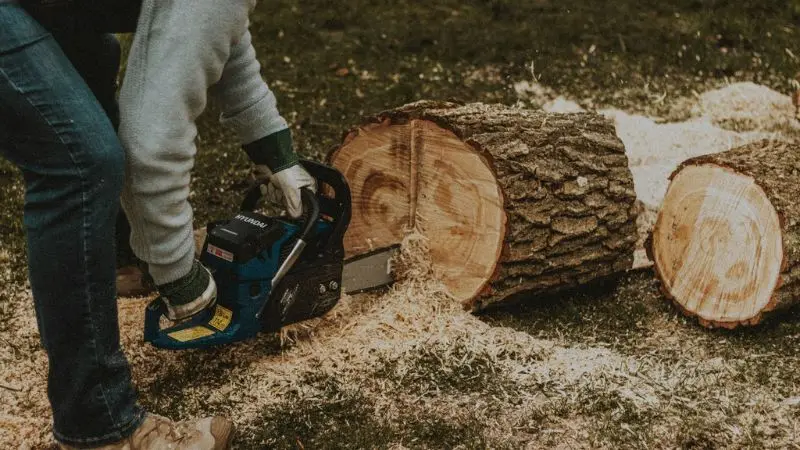
Some chainsaws, like VEVOR, are quite easy to clean. Yet you have to learn what to use to clean a chainsaw blade. Here’s a detailed guide on cleaning a chainsaw blade:
Step 1: Turn Off the Chainsaw and Disconnect the Power Source
Always start by turning off your chainsaw. If you use an electric model, unplug it or remove the battery. For gas models, take out the spark plug. This step keeps you safe during the cleaning process.
Step 2: Remove the Chainsaw Chain and Guide Bar
Use a socket wrench to loosen the nuts. Take off the side panel. Carefully remove the chain and guide bar. Place them on a flat surface. This will make it easier to clean the chain and guide bar.
Step 3: Brush Away Dirt, Sawdust, and Debris
Take a cleaning brush or a wire brush. Scrub the chain, guide bar, and blade. Remove all loose dirt and sawdust. This step helps you see sticky spots that need more attention.
Step 4: Apply a Chainsaw Cleaning Solution
How to clean tree sap off a chainsaw blade? Spray a chainsaw cleaning solution or degreaser on the chain and guide bar. Allow it to rest for several minutes. The solution clears sap, resin and grease.
Step 5: Scrub Away Sap, Resin, and Grease
Brush again, with your brush. Focus on areas with sticky sap or resin. Scrub until the chain and guide bar are smooth. This is the ideal method to clean a chainsaw that has a hard build-up.
Step 6: Rinse or Wipe the Blade Clean
Wipe the chain and guide the bar with a clean cloth. You can also rinse them with water if the cleaner allows. Make sure you remove all cleaning solutions.
Step 7: Dry the Components Thoroughly
If you wonder how to clean a rusty chainsaw chain, use a dry cloth to remove all moisture. Dry the chain, guide bar, and blade. This step prevents rust and keeps your chainsaw in good shape.
Step 8: Lubricate the Chain and Bar
Apply lubricating oil to the chain and guide bar. Lubricate the chain well. This step helps the chain move smoothly and prevents wear.
Step 9: Reassemble and Test the Chainsaw
Put the chain and guide bar back on the chainsaw. Tighten the nuts. Test the chainsaw to make sure everything works. You have now learned how to clean a chainsaw blade the right way.
Cleaning tips: Clean the chainsaw after every use. Regular cleaning keeps your tool safe and sharp.
How to Clean a Chainsaw Blade – Removing Stubborn Sap and Resin
Sticky sap and resin can make your chainsaw blade hard to clean. Now, how to clean tree sap off a chainsaw blade? These substances often stick to the metal and do not come off with just a brush. You need special methods to remove them and keep your chainsaw working well.
Using Commercial Chainsaw Cleaners
You can buy commercial chainsaw cleaners at most hardware stores. These products dissolve rapidly in sap and resin. Follow these steps to learn how to clean a chainsaw blade with cleaners:
- Put on your gloves and safety glasses.
- Spray the cleaner directly onto the sticky areas.
- Allow the cleaner to remain on for 5-10 minutes.
- Use a wire brush or stiff cleaning brush to scrub the area.
- Clean the blade with a clean cloth.
Tip: Always check the label of the cleaner. Several products require additional rinsing.
Commercial cleaners are quick and efficient, saving you time. They also prevent the metal from rusting.
Cleaning with Mineral Spirits
Mineral spirits will also help extract stubborn sap and resin. They are available in the paint department of most stores. Here is how to clean a chainsaw blade with mineral spirits:
- Pour a small amount of mineral spirits on a clean cloth.
- Rub the cloth on the sticky areas of the blade.
- Use a brush for thick spots.
- Wipe the blade dry with another cloth.
Caution: Use mineral spirits in a well-ventilated area. Keep them away from open flames. Mineral spirits dissolve sap without harming the metal.
Tips for Preventing Future Build-Up
You can stop sap and resin from building up by following a few simple steps:
- Clean your chainsaw blade after each use.
- Apply a thin layer of lubricating oil before cutting.
- Avoid cutting very sappy wood if possible.
- Store your chainsaw in a dry place.
| Prevention Tip | Benefit |
| Clean after each use | Less build-up |
| Oil the blade | Easier cleaning |
| Avoid sappy wood | Fewer sticky spots |
| Store in a dry place | Prevents rust and sap |
Note: Regular care keeps your chainsaw blade sharp and safe.
How to Clean a Chainsaw Blade – Common Mistakes to Avoid
Cleaning your chainsaw blade keeps your tools working well. It’s crucial to know what to use to clean a chainsaw blade and what to avoid. Some people make mistakes when they clean. You can stop these problems if you know what to look for.
Using Harsh Chemicals
You may think strong cleaners work best. But harsh chemicals can hurt the metal. They can also make your blade wear out faster. Some cleaners are not safe for you. Always use a cleaner designed for chainsaw usage! Or use soapy water or mineral spirits. These selections increase the life and longevity of your tools and make your chainsaw look better.
Tip: Check the label before applying how to clean a chainsaw blade with cleaners. Protect your skin and eyes to stay safe.
Skipping Lubrication After Cleaning
After cleaning the chain and bar, it must be oiled. Be sure to do this, or rust will develop. Use lubrication to improve tool performance and to reduce downtime for cutting. Bar and chain oil is typically designed to resist being thrown off at high chain speeds due to its higher viscosity. Always put oil on before you put the chainsaw back together. This will ensure your chainsaw is safe and will make it last longer.
Cleaning Without Proper Safety Precautions
Never clean your chainsaw without thinking about safety. Always wear gloves and eye protection. Unplug electric chainsaws or take out the spark plug on gas models. Engaging the chain brake adds an extra layer of protection by preventing accidental chain movement during maintenance. These steps help you avoid cuts and other injuries. Safety is always most important when you work with tools.
Reassembling Wet Components
Knowing how to clean a chainsaw blade while preventing rust is important. If you put your chainsaw back together while the parts are wet, you can get rust. Wet parts can also make your chainsaw work badly. Always dry every part with a clean cloth. Let the chain and bar air dry if you need to.
| Mistake | What Can Happen |
| Using harsh chemicals | Blade damage, safety risk |
| Skipping lubrication | Rust, poor movement |
| No safety precautions | Injury, accidents |
| Reassembling wet components | Rust, short lifespan |
Stay away from these mistakes. You will keep your tools working, stay safe, and help your chainsaw last longer.
In Summary
Cleaning your chainsaw blade keeps your tool sharp and safe. Follow these steps on how to clean a chainsaw blade: turn off and disconnect the chainsaw, remove the chain and guide bar, brush away dirt and sawdust, apply cleaner and scrub sticky spots, dry and lubricate all parts, reassemble and test your chainsaw. Remember, using the right tools and wearing safety gear protects you. Regular cleaning helps your chainsaw last longer and work better.
FAQs
How often should you clean a chainsaw chain?
Clean your chainsaw blade after every use. By cleaning your tool regularly, you can keep it sharp and safe. When cutting wood that is sticky, clean the blade immediately, or the residue will accrue.
Can you use household cleaners on a chainsaw blade?
Mild dish soap and water can be used for light cleaning. Avoid harsh chemicals. Specialized chainsaw cleaners or mineral spirits work best for tough sap and resin.
How to clean a rusty chainsaw chain?
Remove the chain and soak it in a rust remover or vinegar. Scrub with a wire brush. Dry it completely. Apply lubricating oil before reassembling. That’s how to clean a chainsaw blade when it’s rusty.
How to clean a chainsaw blade without removing it?
Never clean the blade while it is attached, and the chainsaw is powered. Always disconnect the power and remove the chain and bar before cleaning to stay safe from injury.
Can you use wd40 on a chainsaw chain?
No, do not use WD-40 as a lubricant. It’s a thin solvent and will instantly spin off the chain and bar, creating extreme friction. Results are severe risk of overheating, snapping, or suffering permanent damage.