
To check how much AC refrigerant you have in your vehicle, attach a pressure gauge to the low-pressure port of your air conditioning system. Once connected, check the gauge to see how much refrigerant is in it. Knowing how to check the AC refrigerant level in your car is a crucial skill, helping ensure your AC system performs smoothly and keeps you cool and comfortable on the road. You will need some simple tools and safety equipment for this job. You don’t need to know anything about automotive air conditioning to perform this. It will show you how to safely and easily check your car’s AC refrigerant charge.
Today, we will show you how to check ac refrigerant level in car. You’ll learn how to use a pressure gauge, locate the low-pressure port, read refrigerant levels correctly, and keep your car’s air conditioning system in top shape so you can enjoy a comfortable ride.
Signs Your Car’s AC Refrigerant Level Is Low
If your car’s AC starts acting up, you might think you’re low on refrigerant. How to check AC refrigerant level in car at home: Catching the signs early can save you from worse problems down the line. These are the most common things you will see:
Weak or Warm Air from Vents
You turn your AC on and expect cold air. If you notice limited airflow or hot air coming out of your AC, a low refrigerant level is a common cause. Sometimes the air starts cool, but soon it heats up. This is a classic symptom of your system being underpowered due to insufficient refrigerant.
AC Compressor Not Engaging
The compressor is the core of your AC system. A low refrigerant charge might prevent the compressor from turning on. There may be a click, but nothing happens. When the refrigerant level is too low, the system has a safety switch that shuts off the compressor to prevent damage.
Unusual Noises from the AC System
How to check if car AC refrigerant is low without gauge: Do you hear hissing, bubbling, or rattling when you blast the AC? Those sounds could mean low refrigerant. Normally, these noises are caused by air bubbles or system leaks. If you hear these sounds when your AC is blowing hot air, you definitely need to get your system checked out quickly.
Visible Leaks or Oily Residue
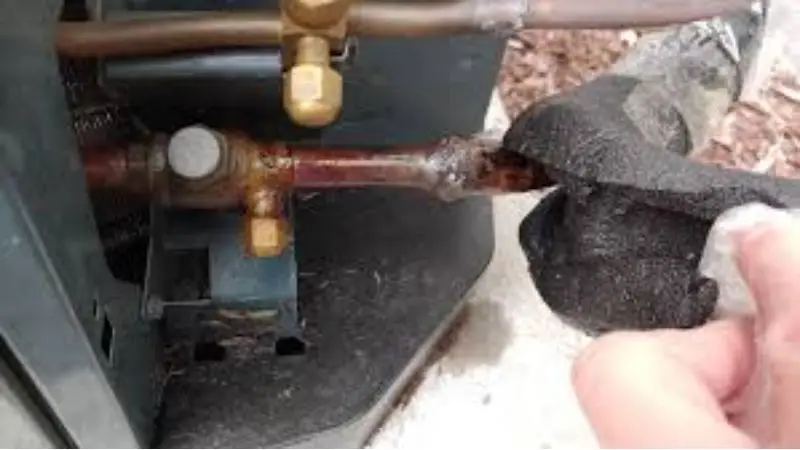
Have a look under the bonnet. If you notice oily streaks or puddles around AC lines or fittings, there might be a leak. Low refrigerant levels from leaks can cause your AC to blast hot air. If you see oil residue, then it is a sure sign the refrigerant is leaking from the system.
Tools You Need to Check the AC Refrigerant Level in a Car
@thrivingcountry This is the real deal. A refrigerator wherever you go. And this is not some gimmick, this is a legitimate refrigerator and can even freeze. You need one of these! #tiktokshopsummerturnup #tiktokshopcreatorpicks #vevorsummerlife #thrivingcountry #boating vevor@@Vevor_US
♬ original sound – Thriving Country
You will need the proper tools and step by step guide to check car AC gas level before you test your car’s AC refrigerant. These are handy and make the job easier and safer. Here’s what you’ll require :
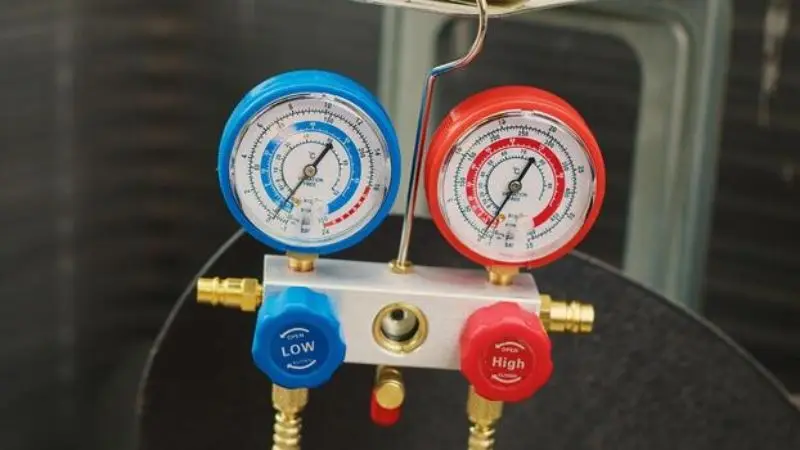
AC Pressure Gauge or Manifold Gauge Set
You can’t check refrigerant levels without a gauge. You can monitor the pressure in your AC system with an AC pressure gauge or a manifold gauge set. You may find these tools at most auto parts stores. The gauge connects to the low-pressure port under the hood. By reading the numbers, you may tell whether your refrigerant is low, typical, or excessively high.
| Tool | What It Does | Why You Need It |
| AC Pressure Gauge | Measures system pressure | Tells you the refrigerant level |
| Manifold Gauge Set | Measures both low and high pressures | Gives a full system check |
Thermometer for Vent Temperature
A simple thermometer can tell you how hot the air coming from your vents is. A digital thermometer or a dial thermometer may be used. It is enough to simply place it in the center vent and watch the temperature go down. If your air temperature isn’t cold enough, your refrigerant could be low.
- Put the thermometer into the vent before you turn on the AC.
- Allow the reading to settle for a few minutes.
Safety Gear (Gloves and Glasses)
How to check AC refrigerant level in car at home: First of all, safety. When working on AC systems, always wear safety glasses and gloves. Refrigerant can freeze your skin. It can also damage your eyes.
How to Check AC Refrigerant Level in Car (Step-by-Step)

Step 1: Turn on the Car and set the AC to Maximum
Start your car and leave the engine running. Set your air conditioning to the coldest setting and the fan to the highest speed. This stage allows the system to build pressure. To check the signs of low refrigerant in car AC system, turn the AC on full blast.
Step 2: Locate the Low-Pressure Service Port
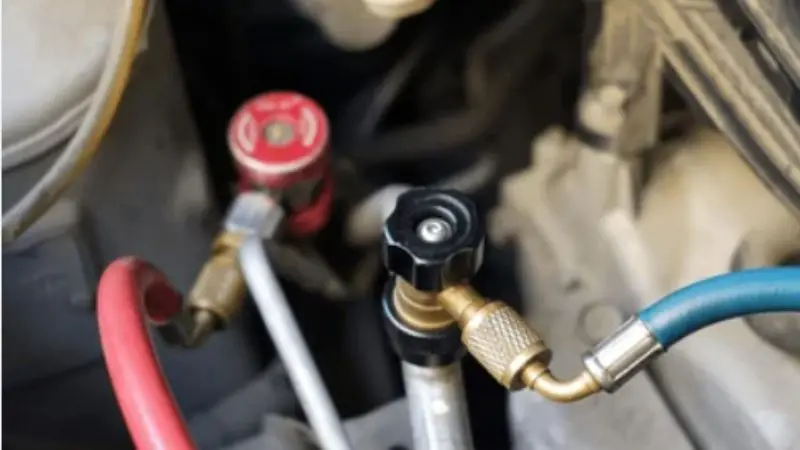
Open the hood and locate the low-pressure A/C service port. It’s normally on a thicker aluminum tube coming from the AC compressor. The cap may have an “L” on it. If you want to learn how to check an AC refrigerant level in an automobile, this is the place for you.
Step 3: Connect the AC Pressure Gauge
How to check if car AC refrigerant is low without gauge: Connect your AC pressure gauge to the valve. Press the connector down until you hear a click. Make sure it’s secure. This is an important step in checking the AC refrigerant level in a car. If you don’t have this, you can’t check the pressure or whether you are low on refrigerant.
Step 4: Read the Pressure Levels
Check the control panel. 2. The needle will tell you what the current pressure is. Write the number on a piece of paper. This step is important for checking the level of the car’s air conditioning refrigerant. If the pressure is too low, you may need to add refrigerant.
Step 5: Compare Readings with Recommended Levels
Look at the pressure range in your car’s manual. This info is on a sticker beneath the hood of most autos. Check your reading against the recommended numbers. This can help you determine if your refrigerant is at the proper level. If you want to learn step by step guide to check car AC gas level, always compare the pressure to the instructions.
Step 6: Disconnect the Gauge Safely
The engine and air conditioner should be turned off. Push the connector in, and then pull it out of the port. Replace the cap. Now you know how to check the refrigerant level in a car air conditioner! If your refrigerant is low, you can proceed with the recharging.
How to Read AC Pressure Gauge Results
Normal vs Low Refrigerant Pressure
Your AC unit should be functioning properly. The pressure gauge will tell you if you have the right amount of refrigerant. How to check AC refrigerant level in car at home: Connect the gauge and ensure the low-pressure side reads anywhere between 25 and 45 PSI. This range indicates a normal refrigerant charge. If the result drops to 25 PSI or lower, your system is low on refrigerant. You may feel a loss of power or hear a hissing sound coming from your vents. Low pressure usually means a leak or that the system needs more refrigerant.
What High Pressure Means
There will be times when you may get a high reading on your meter. If your pressure is over 45 PSI, you probably have too much refrigerant in your AC system. High pressure might also be a signs of low refrigerant in car AC system and a clog or poor air flow through the system. Overcharging refrigerant might ruin your compressor. You may hear weird noises, or your AC may turn off on its own. Your car’s AC is unsafe to use at high pressure.
Understanding PSI Readings
How to check if car AC refrigerant is low without gauge: PSI is short for “pounds per square inch.” It measures the refrigerant pressure in your AC system. The PSI value is used to determine if you need to add or remove refrigerant. If you detect a low PSI, check for leaks and add refrigerant. If the PSI is high, don’t add any more. Too much refrigerant can be a concern. Always use the proper amount for your vehicle.
Can You Check Refrigerant Level Without a Gauge?
You may be wondering whether you can check your car’s AC refrigerant level without a specific gauge. Sometimes you don’t have the tools you need at home. The good news is that there are several basic things you can do. These tactics won’t give you exact numbers, but they will help you discover an issue.
Using Vent Temperature Method
You can use a simple thermometer to test the air blowing out of your AC vents. Here’s how to do it:
- Start your car and set the AC to the coldest setting.
- Place the thermometer in the centre vent.
- Let it sit for a few minutes to cool off.
- Take the thermometer and read the temperature.
Low refrigerant could be the problem with your AC if the temperature is above 50°F (10°C). It should feel cold, not merely cool. This kind of signs of low refrigerant in car AC system provides a rapid indication, but don’t indicate the exact refrigerant amount.
Visual Inspection Tips
You can also look for signs under the hood. What to look out for here:
- Oily spots or stains on AC hoses or fittings
- Frost or ice on the AC lines
- Loose or damaged connections
If you find oily residue, you might leak. If you see frost on the lines, it could indicate the system is not working properly. These are indicators of low refrigerant.
Limitations of DIY Methods
DIY checks can help, but only so far. You know something is wrong, but you don’t know the exact pressure or refrigerant volume. Other problems can sometimes generate similar symptoms.
Here is how to check if car AC refrigerant is low without gauge, but always be cautious and don’t hesitate to get help if you’re unsure.
How to Refill Car AC Refrigerant (If Low)
Choosing the Right Refrigerant Type
Before you start, select the right refrigerant for your vehicle. Most cars built after 1994 use R-134a refrigerant. R-1234yf is used in some newer models. This information will be in your automobile owner’s manual or a plaque beneath your hood. Using the improper type of air conditioning equipment could damage it.
Step-by-Step Recharging Process
Ready to refill your AC? Here’s step by step guide to check car AC gas level:
- Wear safety gear. Put on gloves and safety glasses.
- Start your car. Turn the AC to the coldest setting and set the fan to high.
- Locate the low-pressure port. Remove the cap and keep it safe.
- Attach the recharge hose. Connect it to the port until it clicks.
- Shake the refrigerant can. Hold it upright.
- Squeeze the trigger. Add refrigerant in short bursts. Watch the gauge.
- Check the pressure. Stop when the gauge shows the right PSI for your car.
- Remove the hose. Put the cap back on the port.
- Check the AC. Feel the air from the vents. It should be cold now.
Common Mistakes to Avoid
Many users make simple mistakes when replacing AC refrigerant, which can cause system damage or insufficient cooling. Most individuals make the worst mistake of adding refrigerant before repairing leaks. This is because the refrigerant is just leaking again. Using the signs of low refrigerant in car AC system, improper refrigerant in your automobile’s AC system can damage it. Another typical concern is overcharging the system, which can increase pressure and lower efficiency. Always wear safety equipment, including gloves and eye protection, when working with refrigerant. Periodically monitor the pressure during the filling process to ensure the system is being filled properly and safely.
| Mistake | What Can Happen |
| Overfilling | AC damage, poor cooling |
| Wrong refrigerant | System failure |
| Ignoring leaks | Wasted refrigerant |
Conclusion
You can easily learn how to check ac refrigerant level in car to ensure it’s functioning properly. Crank your car’s AC to full blast. Then the pressure gauge should be appropriately attached to the low-pressure port. You can check the pressure against the pressure range listed in your car’s handbook. When working with coolant, always use gloves and safety eyewear. Regular maintenance keeps cold air flowing, makes driving more comfortable, and prevents costly AC issues. Always consult a doctor. If you have questions, consult a specialist.
FAQ
How often should you check your car’s a/c refrigerant level?
You should check your a/c refrigerant level at least once a year. If you notice your AC blowing warm air or weak airflow, check it sooner. Regular checks help you catch a refrigerant leak early and keep your a/c running strong.
Can you drive with low refrigerant in the a/c?
You can drive with low refrigerant in your AC, but it won’t cool well. Low levels can cause the a/c compressor to work harder. This can lead to damage. If you suspect a refrigerant leak, fix it soon to avoid bigger problems.
What causes a refrigerant leak in the a/c system?
A refrigerant leak often comes from worn seals, cracked hoses, or loose fittings in your a/c system. Road debris can also damage parts. If you see oily spots or hear hissing, you might have a refrigerant leak. Always fix leaks before adding more AC refrigerant.
Is it safe to add refrigerant to the a/c yourself?
You can do your own AC refrigerant, but you need to follow proper safety precautions. Use gloves and eye protection. Use the right type for your ac. Do not overfill. If you’re unsure or notice refrigerant leakage, call in a pro. Safety is first when undertaking an a/c repair.
Why does my a/c blow warm air even after adding refrigerant?
If your A/C still blows warm air after adding refrigerant, then you might have a refrigerant leak or a bigger problem. The AC system is blocked, or the compressor is faulty. Listen for weird noises and check for leaks. Sometimes you need a mechanic to service your a/c.