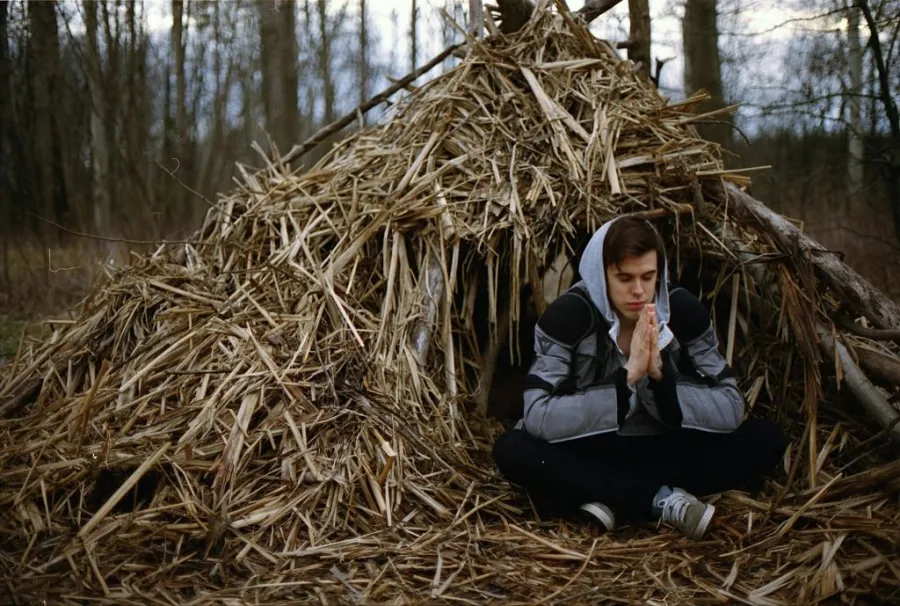
The meaning of emergency shelter differs depending on the situation. The emergency shelter may include a temporary shelter in the case of a natural disaster, a shelter constructed when there is no electricity, a quick shelter until building repairs can be done, or even an emergency shelter in wilderness survival conditions.
While all emergency shelters use similar concepts, they differ in terms of materials and available construction time. This article discusses how to build an emergency shelter, the time needed to construct an emergency shelter and the basic requirements of an emergency shelter!
Emergency Shelter Requirements
Regardless of the scenario, the shelter you use must fulfill certain essential criteria:
- Weatherproofing: The structure must provide sufficient protection against rain, wind, and cold weather. Partially covered shelters can sometimes offer more harm than good since they trap humidity and lack any form of heat.
- Structural integrity: The structure must remain standing even when the weather changes. A structure that falls during windy weather is no longer considered a shelter.
- Floor insulation: The cold ground sucks heat from the body faster than the cold air itself. No matter the weather conditions, any shelter built on the ground in temperatures below 60°F should include insulation.
- Ventilation: A completely enclosed structure builds up moisture and carbon dioxide, causing health issues. Any shelter design must include some form of ventilation system.
- Time of assembly relative to urgency: In a survival scenario, a 20-minute construction process that offers 80% protection beats a three-hour construction process any day.
Emergency Shelter Design Options
There are many ways you can design your emergency shelters:
Plastic Sheeting Lean-To
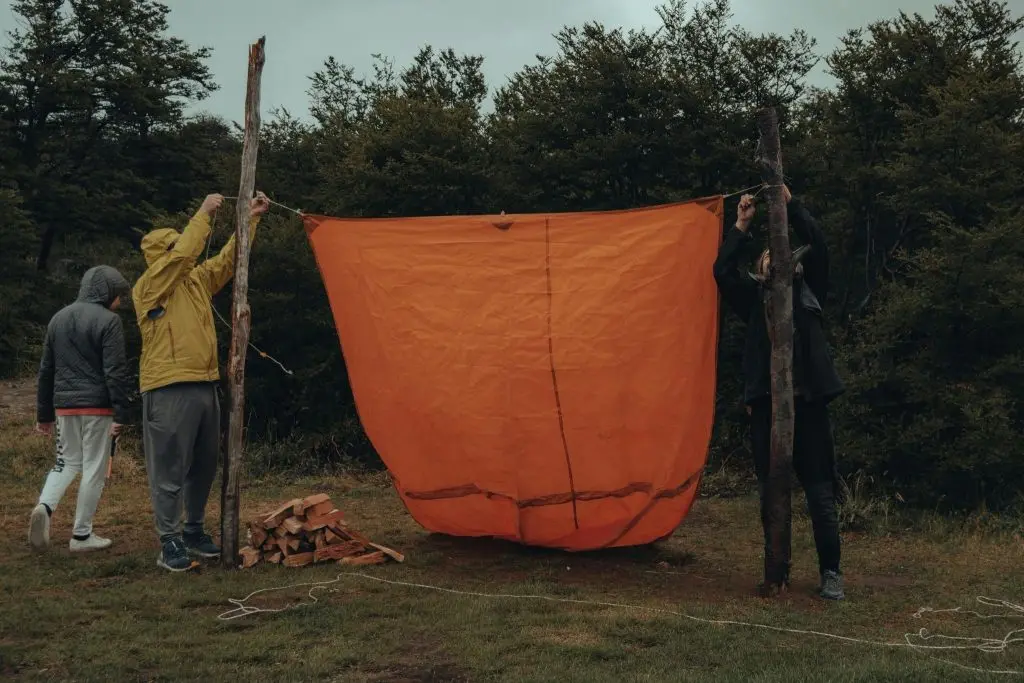
The fastest semi-permanent structure you can learn how to build an emergency shelter. Two anchor points — trees, fence posts, or driven stakes — with a line strung between them. Heavy plastic sheeting draped over the line and staked to the ground on both sides creates a covered space in under 30 minutes.
For a lean-to that survives wind and rain:
- The sheeting needs to be heavy enough not to tear at the stake and tie points. Thin film fails overnight. 6mil and above is the starting point.
- Angle the roof at least 25 to 30 degrees for rain runoff. A flat lean-to pools water and collapses under load.
- The open face should point away from the prevailing wind.
VEVOR’s 6mil Plastic Sheeting is a practical starting point for a lean-to setup. The 10-foot width is enough for a single-person to small-group shelter, and the 100-foot roll gives you enough to work with for both the roof and a ground barrier.
A-Frame Plastic Sheeting Shelter
Improvement over the lean-to. A center ridge pole with sheeting laid over each side and pegged down forms a sheltered sleeping area. Warming up faster and better protection against the wind than the lean-to.
What distinguishes it from the lean-to:
- Both sides must be pegged out, not only the windward side.
- One end should remain partly uncovered or include a vent.
- The ridge pole should be rigid enough to carry the sheeting without sagging.
Frame Shelter with Plastic Sheeting Walls and Roof
When there’s lumber, pipe, or structural material available, a simple frame built from 2x4s or metal conduit with plastic sheeting stretched over it becomes a weather-resistant structure for days or weeks, not just hours.
This is the appropriate emergency shelter design after natural disasters, during extended home repair situations, or in field and work camp scenarios. Plastic sheeting handles wall and roof cladding on a frame shelter with better durability than lighter films — it resists puncture from frame edges and holds up to UV exposure over a longer deployment.
For situations where the shelter footprint is large or where multiple panels need to be covered, VEVOR’s 6mil Plastic Sheeting covers a wider area in a single run, which reduces the number of seams and potential leak points.
How Long Will It Take to Build an Emergency Shelter?
Well, it would honestly depend upon which kind of shelter you are constructing:
- Plastic Sheet Shelter with Two Anchor Points: 20-40 minutes for a single person
- Plastic Shelter (A-Frame) with Ridgeline in Center: 45-90 minutes
- Frame Shelter using lumber or pipes: 3-6 hours for a basic shelter with two persons
- Fully Enclosed Shelter with an insulated floor, framed walls, and a weather-resistant roof: Full day with proper supplies.
Efficiency becomes much better if you come prepared. Having plastic sheet material, paracord or rope, and stakes already assembled will save you more than half the time and let you learn how to get emergency shelters.
How to Build an Emergency Shelter
If the emergency is the result of a disaster, fire, or displacement, and building your own isn’t viable:
- FEMA provides temporary housing assistance after declared disasters, including rental assistance and manufactured housing placement
- The Red Cross operates emergency shelters in most major disaster events. Find the nearest location at redcross.org or call 211
- 211 is the national social services hotline for shelter referrals in non-disaster emergencies, including homelessness, domestic situations, and utility failures
- Local community centers, schools, and churches often serve as emergency shelter sites during weather events, even outside formal disaster declarations.
The Ground Barrier
However, sometimes the ground beneath your shelter becomes the greatest source of heat and moisture danger. The ground emits heat and moisture to the environment consistently. Placing a 4mil polyethylene film underneath your resting place will solve this problem.
The VEVOR 4mil Plastic Sheeting, 3 x 50 ft is a compact ground barrier that’s easy to carry or store in an emergency kit. It covers enough floor area for one to two people, and the smaller roll size means it doesn’t take up meaningful space in a bag or vehicle.
Frequently Asked Questions
What is the minimum size for a one-person emergency shelter?
A minimum of seven feet by three feet is required to sleep comfortably on the ground. This should also have at least three feet of overhead clearance at the middle of a roofed lean-to shelter.
How do I anchor plastic sheeting in the wind without stakes?
Wrap the bottom edge of the sheeting around a length of lumber and lay it flat on the ground. The weight holds better than stakes in hard or rocky ground and distributes the hold across a wider area.
Can emergency plastic sheeting be reused?
Yes, if you take it down carefully rather than tearing it off. Roll rather than fold for storage to prevent crease damage. Heavy-duty 10mil and above sheeting can typically be redeployed two or three times.
What’s the best emergency shelter for cold climates?
Enclosed designs with a small interior volume are warmer than open lean-tos because body heat accumulates faster in a smaller space. An A-frame with a partially sealed entry holds warmth significantly better than a lean-to in the same conditions.
Is plastic sheeting safe to sleep under?
Yes. The polyethylene film is chemically stable and will not emit toxic fumes at room temperature. It is possible that condensation may form on the inside surface of the film, but this problem can be managed through proper ventilation.
Conclusion
The art of learning how to build an emergency shelter is a life skill that never expires. Regardless of whether the circumstances involve natural calamities or prolonged home renovations or even remote field camps, the core principles remain consistent: adapt to the weather conditions, ensure protection of the ground barrier, and favor speed over perfection in your construction methods.