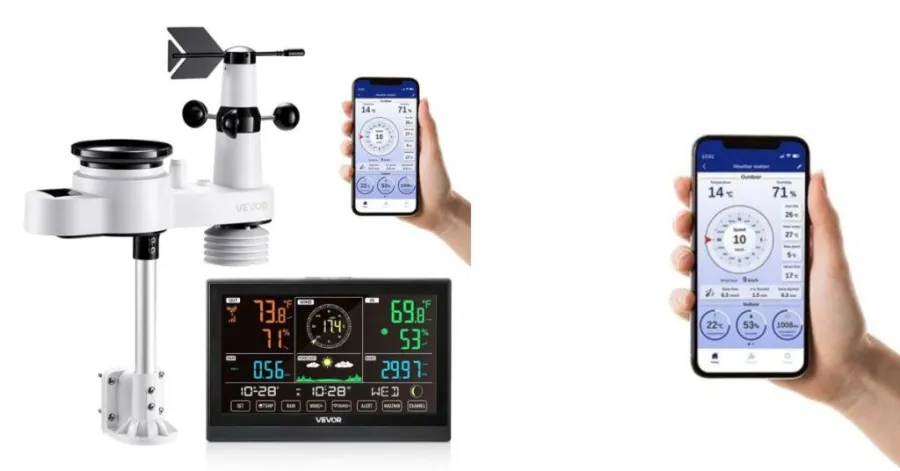
How reliable are weather forecasts when planning your week in 2025? Short-term forecasts, such as those for one or two days ahead, are now very accurate. If you look at weather forecasts for three days, they are usually correct. People check weather forecasts for five days, but small changes can still happen. When you look at weather forecasts for a week, there are more surprises. New technology provides weather stations that help experts create more accurate weather forecasts for every time frame.
Weather Forecasts in 2025
Forecast Models
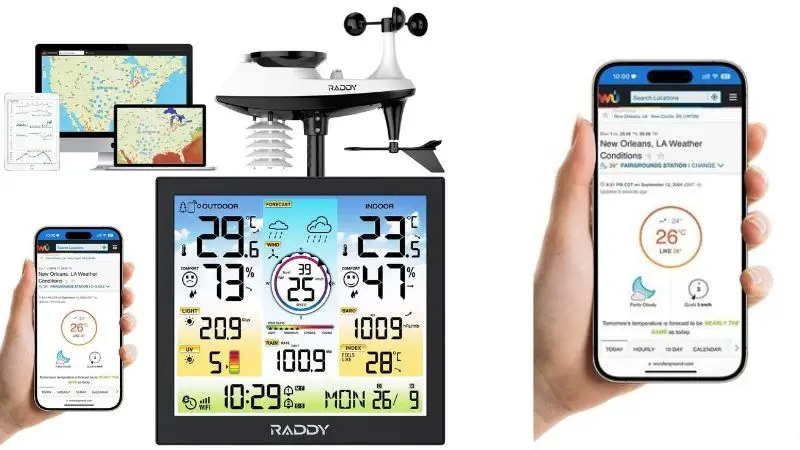
You might wonder how experts make weather forecasts. In 2025, they will use many forecast models to predict the weather. These models utilize extensive data from satellites, weather stations, and even your phone. The forecast uses information about temperature, wind, humidity, and pressure. Each model uses math and science to guess what will happen. Some forecast models perform better in certain areas than others. Meteorologists look at different models before they give you a forecast. Here’s a quick look at how forecast models help with weather forecasting:
| Model Type | What It Does | Best For |
| Global Models | Looks at the whole planet | Long-range forecast |
| Regional Models | Focuses on local details | Short-term forecast |
| Ensemble Models | Mixes many forecasts | More reliable forecast |
AI in Forecasting
Artificial intelligence (AI) plays a crucial role in weather forecasting today. You may wonder how AI aids in weather forecasting. AI helps experts find patterns in weather data much faster. The forecast updates quickly as new data becomes available. AI can learn from past forecasts and improve upon them. Here are some ways AI helps with weather forecasts:
- AI checks millions of pieces of data every minute.
- You receive warnings for storms or heatwaves sooner.
- AI helps make forecasts more accurate for your area.
AI enhances weather forecasting by making it smarter and faster. You can trust that your 2025 forecast uses the newest technology to keep you updated.
How Reliable Are Weather Forecasts
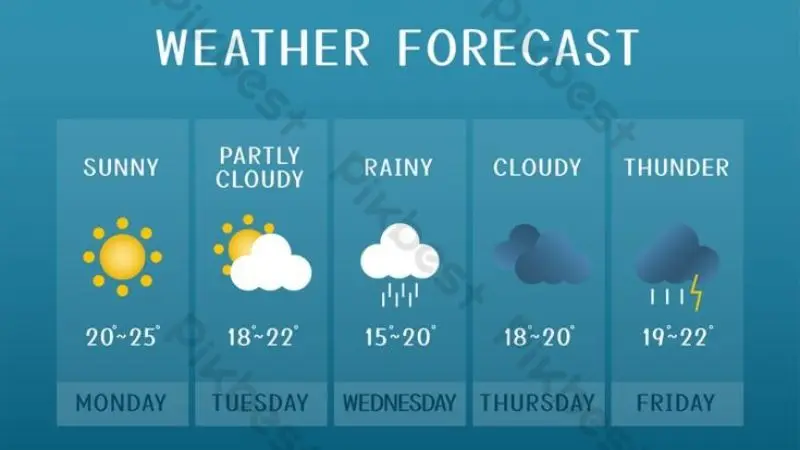
Check the weather every day. You want to know if you need an umbrella or if you can plan a picnic. But how accurate are short-range weather forecasts in 2025? Let’s break down the reliability of weather forecasts for different time frames so you know what to expect.
How Accurate Are 3-Day Forecasts
If you look at a three-day forecast, you can trust it most of the time. Meteorologists use the latest technology and data to make these predictions. The forecast accuracy for three days is very high now. In 2025, the success rate for one-day forecasts is about 97%. For three days, the accuracy stays strong at around 93% to 95%. You can plan your weekend with confidence. Here’s a quick table to show you the numbers:
| Forecast Period | Accuracy Rate (2025) |
| 1-Day | 97-98% |
| 3-Day | 93-95% |
How accurate are 3-day forecasts for your area? Most places see very few surprises in the first three days. The forecast accuracy may drop slightly if you live near mountains or the ocean, but you still receive reliable information. For the most accurate forecasts, check for updates frequently. Weather forecasting changes rapidly when new data becomes available.
5-Day and 7-Day Forecasts
How accurate are 7-day weather forecasts? Now, let’s talk about the five-day forecast and the seven-day forecast. These more extended forecasts help you plan your week. But how accurate are 5-day forecasts? In 2025, the accuracy for five days is about 90%. That means you can generally trust most of what you see, but minor changes may occur. The seven-day forecast is a bit less reliable. The accuracy for seven days is around 80% to 85%. The success rate for seven-day forecasts has improved significantly in recent years, but you should still expect some surprises. Here’s a table to help you compare:
| Forecast Period | Accuracy Rate (2025) |
| 5-Day | 89-91% |
| 7-Day | 80-85% |
How accurate are 5-day forecasts, and how accurate are 3-day forecasts? The answer is that both are good, but the five-day forecast has more uncertainty. Why are weather forecasts sometimes wrong? The seven-day forecast gives you a general idea, but the details can change.
Long-Range Forecasts
Can you trust long-term weather forecasts? Long-range forecasts try to predict the weather for 10 days or even a month. These forecasts utilize powerful computers and extensive data, but their accuracy declines significantly after seven days. The accuracy of weather predictions for long-range forecasts is considerably lower. You might see general trends, like “warmer than normal” or “chance of rain,” but you should not trust the details. Here’s a summary table for you:
| Forecast Period | Accuracy Rate (2025) |
| 1-Day | 97-98% |
| 3-Day | 93-95% |
| 5-Day | 89-91% |
| 7-Day | 80-85% |
| 10-Day or Longer | 50-60% |
How Far in Advance Is Weather Forecasting Most Accurate
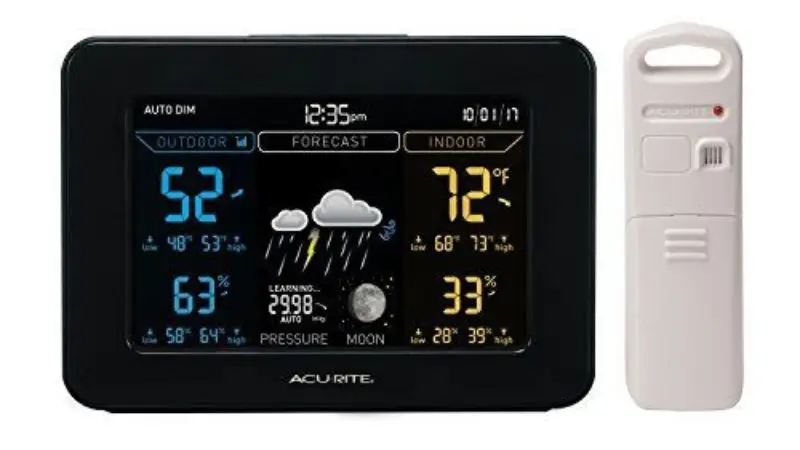
You might wonder when weather forecasts are most correct. This is particularly important if you plan to travel or host an outdoor event. If you check the weather one to five days ahead, you get the best results. Three-day forecasts are very reliable. Five-day forecasts are also good. How reliable are 10-day forecasts? When you look at 10-day forecasts, things start to change more. Ten-day forecasts can provide general weather information, but details may change as the days approach.
Influencing Factors
Many factors affect the accuracy of weather forecasts. The primary reasons for poor weather forecast accuracy are sudden changes in the atmosphere, missing data, and limitations of computer models. Sometimes, storms appear quickly, and even the best technology cannot catch everything. Local weather stations provide real-time updates, but weather can still surprise you.
Good data is very important. If a place has few weather sensors, the forecast might not be as good. Forecasts improve with more data, faster computers, and more sophisticated models. Still, long-term forecasts and long-range weather forecasts will always have more uncertainty.
Regional Differences
Where you live also affects the accuracy of 10-day forecasts and other predictions. Coastal areas, mountains, and places with wild weather often have more surprises. In these areas, shifting winds and local storms are factors that affect the accuracy of weather forecasts. Some regions have more local weather stations, which helps a lot.
If you live in a city, you might see better forecast accuracy because there are more sensors and better data. Rural areas may not have the same level of detail. For the most accurate point-specific forecasts, check updates from your local weather stations and use trusted apps. Medium-range forecasts are generally most accurate for most places, but it is essential to stay alert for changes, especially with long-term forecasts.
Conclusion
You have learned how accurate weather forecasts are for different times and locations. Short-term forecasts are the most reliable. Long-range predictions are less specific. New technology enables you to receive updates quickly. Better data helps you make good choices. If you want to plan a trip or event, check how accurate weather forecasts are for your area. Continue to check for updates to the estimates. Use short-term forecasts for details. Use long-range forecasts to see trends.
FAQ
How often should you check the weather forecast?
You should check the weather forecast every day, especially if you have plans outside. The weather can change quickly. Updates help you stay prepared.
Why do weather forecasts change so much?
The weather changes rapidly because the atmosphere is constantly in motion and shifting. New data is continuously being collected. Meteorologists update forecasts to give you the latest information.
Can you trust weather apps for your area?
You can trust most weather apps for your area. They use local sensors and innovative technology. For optimal results, select apps that receive frequent updates.
What is the best time frame for planning outdoor events?
The optimal timeframe for planning outdoor events is three to five days in advance. Forecasts are most accurate during this period. You get reliable details for your plans.