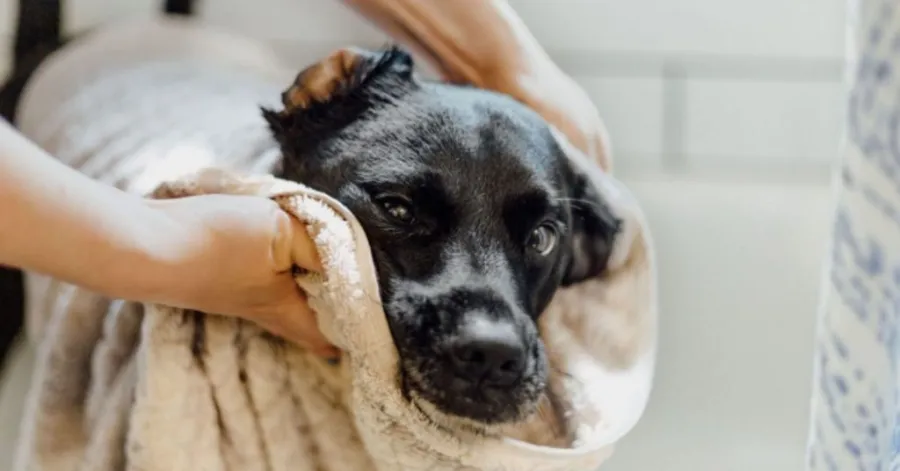
The question may arise: how often to bathe your dog. Scheduling: Most healthy dogs are fine with a bath every 4-6 weeks, although the ideal bathing schedule varies with coat type, lifestyle, and health. When you ask how many times you should bathe your dog, the answer will vary by pet. Whether you use a bathtub, dog bathing station, or outdoor wash area, it is important to avoid over-bathing, as it can dry out the skin and coat. Excessive washing will dry out the skin, whereas insufficient washing will result in an unpleasant odor and the accumulation of dirt. Monitor your dog’s coat and behavior to know when your dog needs a bath and maintain a balanced and healthy grooming routine.
How Often Should You Bathe Your Dog?
Cleaning your dog is vital to ensuring their health and well-being. Nevertheless, finding the appropriate bathing routine can be baffling at times, since each dog has different grooming needs. There are a number of factors that help determine how often your dog should be bathed: coat type, activity level, and skin condition are all important to consider.
A big question among many pet owners is, ” How frequently do you bathe your dog without getting your skin irritated or uncomfortable. Learning the proper balance will assist in keeping your dog’s coat healthy, clean, and free of foul odors.
The Ideal Bathing Schedule for Healthy Dogs
Most dog owners will ask: ” How often should you bathe your dog if the pet is healthy and has no skin problems? Generally, a bath should be given to most healthy dogs after every four or six weeks. This routine will help eliminate dirt, loose fur, and excess oils, keeping the coat fresh and healthy. Bathing frequently also enables owners to examine the skin issues, parasites, or other unusual changes in the coat.
This optimal schedule may vary depending on your dog’s lifestyle. Dogs that spend most of their time outdoors may require more frequent baths due to the fact that they are exposed to mud, dust, and other debris. Conversely, indoor dogs can remain clean longer as they are not outdoors most of the time. Having a regular bathing routine can also contribute to healthy skin and keep your dog comfortable year-round.
Why Bathing Your Dog Too Often Can Cause Skin Problems
Although it is important to wash your dog, over-bathing may have adverse effects on their skin and hair. The owners of a lot of pets think that the more baths, the better hygiene, but too much washing can kill the natural oils that cover the skin of a dog. These oils are important in ensuring the coat is soft and shiny and remains moist.
Removing these protective oils too frequently may also result in your dog developing dry skin, irritation, flaking, and increased itching. Repeated bathing can even cause some dogs to be red or sensitive. When you observe these symptoms, it might be time to decrease the frequency of bathing. Regular grooming can keep your dog clean while maintaining the natural protection their skin requires to stay healthy.
What Happens When You Do Not Bathe Your Dog Enough
Washing your dog less often can also lead to a number of health and hygiene issues. Over time, the coat gets dirty, accumulating dead skin cells and natural oils, creating an environment where bacteria and unpleasant odors can develop. Consequently, your dog will start to stink and will become uncomfortable.
Breeds with long hair are particularly prone to coat matting and tangles when grooming and bathing are not regular. These mats have the ability to retain moisture and dirt near the skin, which may cause irritation and infections. Dogs with shorter coats can also develop skin problems when dirt and oil accumulate. Frequent bathing will keep your dog clean, healthy, and looking and feeling good.
Dog Bathing Frequency by Coat Type
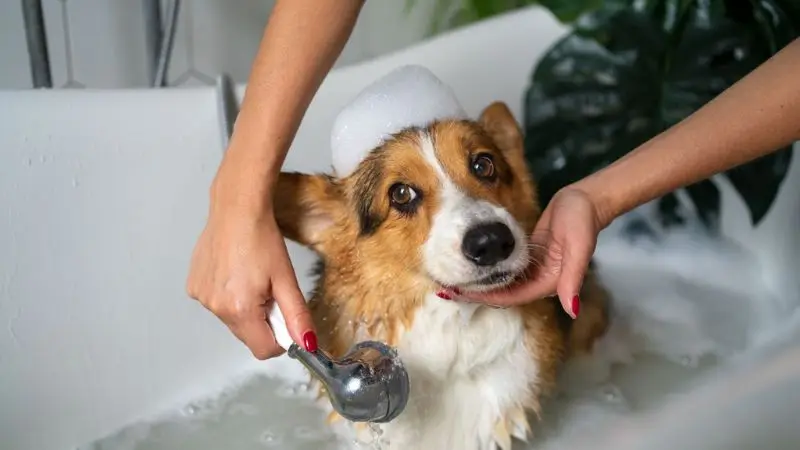
Various dogs require various bathing schedules based on their hair type. Dogs that are clean longer remain clean, and those that require frequent washing are healthy and comfortable. Learning the type of coat that your dog has will guide you to the appropriate time to use the bath without damaging the skin or coat of your dog. The following are some basic instructions on each type of coat to facilitate the routine.
How Often to Bathe Short-Haired Dogs
Dogs with short hair have a smooth coat that does not hold dirt and smell, and they are easy to maintain. When the question arises, how many times should you bathe a short-haired dog, the general answer is six to eight weeks. This helps keep their coat clean and safeguards the natural oils that support healthy skin.
These dogs do not typically require intensive grooming, although light brushing after baths can help remove loose hair and keep the coat shiny. When your dog is very active or spends a lot of time outside, you might have to wash him/her a bit more frequently, based on the amount of dirt.
How Often to Bathe Long-Haired Dogs
Dogs with long hair require more grooming because their hair can easily trap dirt and dust and cause tangles. A common question among owners is how often a long-haired dog should be bathed, and the common answer is every 4 to 6 weeks. This habit helps keep the coat clean, soft, and easier to handle.
It is also necessary that brushing be done regularly, so that knots and matting do not form. Long hair, when not taken care of, might be greasy, knotty, and irritating to the dog. Listening to places such as behind the ears and under the legs is useful for keeping the coat healthy and tidy.
How Often to Bathe Double-Coated Dogs
The dogs’ coats are two-layered, which protects them against heat, cold, and changing weather conditions. Mostly, they ought to be washed four to eight times in six or eight weeks to keep the coat healthy and to avoid shedding natural oils.
These dogs shed a lot of loose fur during the spring and fall shedding seasons. It is more important to brush regularly than to take baths. It helps remove dead hair and keep the coat in good condition. Excessive bathing may dry the skin, and a moderate schedule is best.
How Often to Bathe Hairless Dogs
Sensitive skin of hairless dogs is due to the absence of fur to keep them off dirt, oil, or the environment. Bathing every one to two weeks is generally necessary to keep these dogs clean and healthy.
Their skin is more sensitive, so it is essential to use soft shampoo and a sponge carefully. Once the skin has been wet in the bath, it is best to keep it wet to avoid dryness and irritation. Hairless dogs can remain clean, comfortable, and healthy with the assistance of regular care, despite their special grooming requirements.
Factors That Affect Dog Bathing Frequency
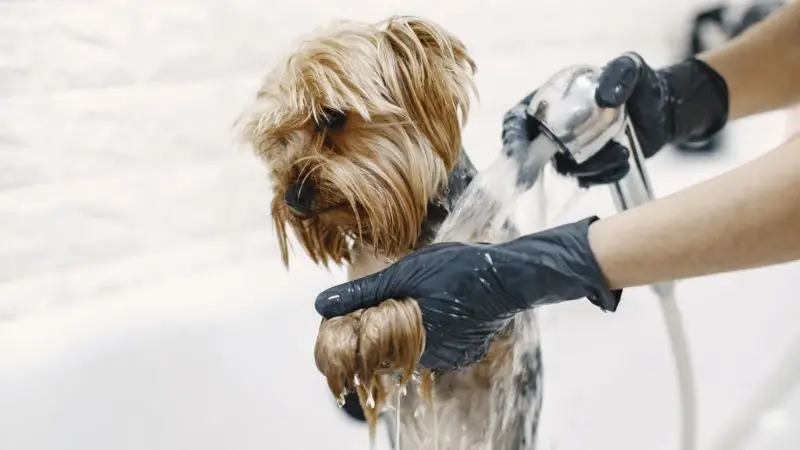
Not every dog can follow the same bathing schedule, since several important factors affect bath frequency. A dog’s environment and lifestyle, as well as its health, greatly contribute to keeping its skin and coat clean. Whether you bathe your dog in a bathtub, a grooming station, or an outdoor wash area, the right bathing frequency depends on your pet’s individual needs. There are dogs that tend to be cleaner longer, and some that get dirty easily and require frequent cleaning.
Knowing these factors will help you avoid over-bathing or under-bathing your pet. In this section, you will see the key issues that determine how to groom your dog in a very simple and practical manner.
@jeromy_henson_bfss VEVOR PET WASHING STATION. 38″ BATHING TABLE, WITH RAMPS, STAINLESS STEEL. HAS SLIDING DOOR, RACK, HAS A SPRAYER HEAD AND ALSO A HAIR CATCHING TABLE. #pets #petbathing #bath #wash #pet #bathingstation #stainlesssteel #dogbathingstation #washing #dogbathing #vevor #bathing #vevortools #vevorproducts #animals #animalsoftiktok #fyp #animal #viral #tiktok #fypage #falldealsforyou #spotlightfinds #summerootd #summersale #summerdeals #sunsetsavings #savingssquad #fallreset #sale #fallfinds #onsalenow #sell #tiktokshopfallsale #fallsale #fallfinds #fallreset #lookatthis #tiktokshop #tiktokshopping #trending2024 #viralvideos #onsale #flashsale #giftideas #giftidea #tiktokshopfinds #tiktokmademebuyit #foryou #foryoupage #trending #wow #tiktokmademedoit #getyours #today #tiktokfinds #tiktokfind #tiktokviral #tiktokviralvideo #tiktokviraltrending #ttsacl #tiktokshopsummersale #look #tiktokshopviral @vevor shop @HAIDEE_Vevor
♬ original sound – JEROMY HENSON-BFSS☑️
How Activity Level Changes Bathing Needs
A dog’s level of activity is a key determinant of bathing frequency. Active dogs that play a lot, run a lot, or explore a lot outside are likely to accumulate more dirt, dust, and debris on their coat. Such dogs can require more bathing than pet dogs who spend the majority of their time indoors in cooler seasons. In other instances, owners also notice odors or visible dirt after outdoor play, and that is a sure sign that a bath is necessary.
It is also here that most question how frequently you should bathe a smelly dog, as strong smells tend to be a result of outdoor play, mud, or rolling in unclean places. Conversely, an indoor pet with a calm or well-groomed appearance might require fewer baths, particularly when their fur remains clean and does not have a strong smell.
How Skin Problems and Allergies Affect Bathing
Other factors that influence the frequency of bathing include the health of the skin. Dogs that are allergic or have sensitive skin usually require a more cautious grooming routine. Bathing will assist in eliminating allergens such as dust, pollen, and dirt that can cause itching or irritation. Nevertheless, it is important to avoid harsh products or excessive use, and to avoid frequent baths, as these may lead to even greater skin deterioration.
How often to bathe a dog with skin allergies is a question many pet owners search for an answer to, and the answer is determined by the type and severity of the condition, as well as the veterinarian’s recommendation. Gentle shampoos for sensitive skin are typically recommended. Frequent yet gentle bathing may alleviate pain and promote healthier skin without causing additional dryness or irritation.
How Age and Health Affect Bathing
Age and the general health of a dog are also other factors that determine the frequency of bathing a dog. Puppies have fragile skin, and they need additional care; hence, their bathing schedule should be gentle and minimal. The question many owners ask is how often to bathe a puppy, and the general rule is to bathe only when necessary, using mild products that are gentle on their tender skin.
The older dogs might not require frequent baths since they are not very active, but they do need regular hygiene checks to ensure their coats remain clean and comfortable. Dogs with medical conditions or persistent health problems might require a special grooming strategy according to veterinary recommendations. Observations of their skin, coat, and behavior also serve to keep their grooming process safe and proper.
How Weather and Environment Affect Bathing
Your dog is also environmentally sensitive, and this is a factor that contributes to grooming needs. The skin and the coat can be affected by weather conditions such as heat, humidity, and dryness. Dogs produce more sweat and pick up dirt faster when in hot or humid climates, and may get flaky or irritated skin when in dry climates due to excess bathing. Conditions such as whether your dog spends most of its time indoors or outdoors do count, which relates back to the question of how often you should give an indoor dog a bath.
The dogs in the city can be exposed to pollution and dust, whereas the dogs in the country may be exposed to mud, plants, and insects. Due to these variations, the bathing schedules must always be varied according to the environment of the dog in order to have a healthy coat and a balanced skin condition.
How to Tell When Your Dog Needs a Bath
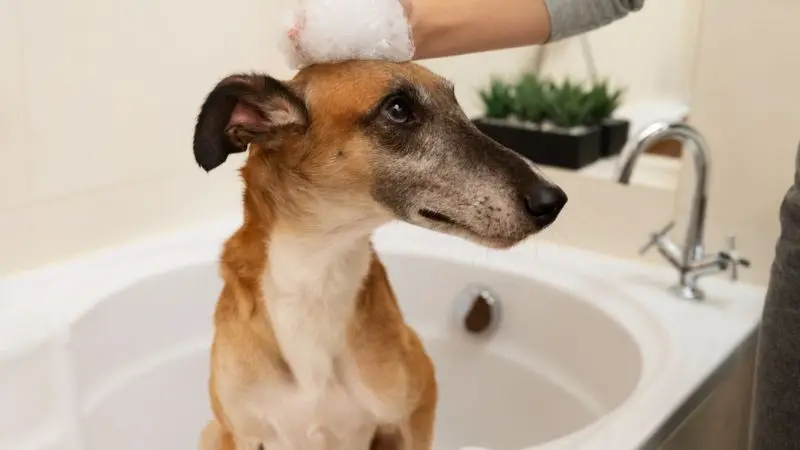
It is also important to understand when to wash the dog, as it is important to know how frequently. All dogs exhibit obvious signs when they need cleaning, and learning to recognize these signs can help you clean them more effectively without over-bathing or under-bathing. When your dog smells like it is in poor shape and needs a bath, you can determine this easily by checking the smell, condition of the coat, and health of the skin.
Bad Smell or Dirty Coat
A strong or unpleasant smell is one of the most obvious indications that your dog requires a bath. Dogs tend to take up the smell of dirt, mud, or outdoor activities. When your dog stinks even after grooming it, then it is time to take a bath. There are also signs of visible dirt, stains, or mud on the coat, which are good indicators that the coat requires cleaning.
This is particularly crucial when considering the frequency of bathing a stinking dog, as smell is typically a result of the accumulation of dirt and oils. Bathing often allows the elimination of these smells and will keep your dog fresh and comfortable in the house.
Excessive Scratching or Skin Irritation
When your dog is scratching excessively, it can be an indication that it has a skin scratch. The coat may become dirty, full of pollen and allergens, and may become itchy or reddish. Taking a bath will aid in eliminating these irritants and may make one feel better when performed with a soft shampoo.
Symptoms such as continuous scratching, licking, biting the skin, or redness are frequently indications of a response of your dog to something on the surface. In case these symptoms persist even after bathing, they should be checked with the vet to exclude deeper skin issues and provide appropriate treatment.
Greasy or Dull Looking Coat
The healthy dog coat must be clean, soft, and slightly shiny. The coat begins to appear greasy,r heavy, or dull, then it is likely that the oils and dirt accumulate over time. This is a definite indication that your dog has to be bathed as part of their grooming process.
Frequent washing aids in the removal of surplus oil and rejuvenates the coat to a healthier look. Brushing between baths is also effective to evenly distribute natural oils and keep the fur soft, and enhance the well-being of the coat in general. This keeps your dog clean, comfortable,e and well-groomed.
Wrap Up
Selecting an appropriate bathing routine is crucial to the well-being of your dog. Such factors as the type of coat, level of activity, age, and the condition of the skin, among others, contribute to the determination of the frequency at which you should wash your dog. Whether you bathe your dog in a bathtub, a pet bathing station, or an outdoor wash area, the goal is to keep them clean while protecting the natural oils that support healthy skin and a shiny coat.
Although some dogs require grooming every few weeks, others may need it less frequently. The trick is to strike a balance and ensure your dog is clean without stripping the skin’s natural oils. Knowing your dog’s specific needs and monitoring indicators such as odor, itching, or a dull coat, you can easily adjust the dog’s bathing schedule to keep them healthy, happy, and comfortable.
FAQ
What is a good way to tell that your dog needs a bath?
You are to look at strong odors, dirt, or a greasy coat. These signs are often displayed by dogs requiring frequent baths. When your dog is scratchy or has flaky hair, it is time to take him or her to the bath.
Do other dogs take more time before their baths?
Yes, longer-haired or less active dogs tend to be able to get away with bathing less often. Such dogs do not collect as much dirt. Regularly inspecting their skin and coat is also advisable.
Are there any special bathing requirements for curly-coated dogs?
Curly-coated dogs tend to entrap dirt and debris in their curls. Bathing them should be done every 4-6 weeks. Mats are prevented by brushing regularly. Wipe off with a soft shampoo at all times to take care of their special coat texture.
What of oily-haired dogs?
Dogs that have an oily coat might require bathing more often. Oil may accumulate rapidly and be odoriferous. An oily shampoo should be used. It is important to check your dog’s coat regularly to keep it healthy and clean.
Should dogs with longer coats be bathed more often?
Long-haired dogs tend to require more frequent bathing. Their fur can trap dirt, debris, and even insects. Their coat should be kept healthy by brushing and bathing them every 4-6 weeks.