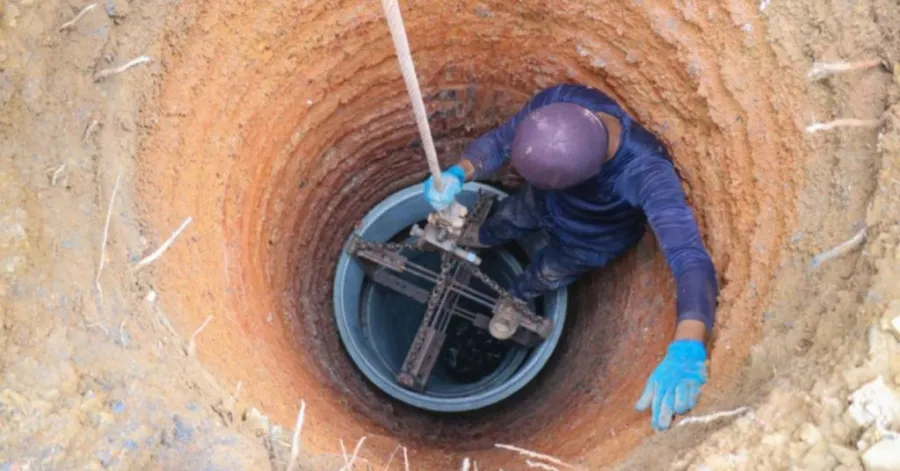
And you might be wondering how much it costs to drill a well, should you be planning a water well. Generally, homeowners pay between 1800 and 30000 dollars, depending on the location, depth, and the soil. Each house is unique, which means that the ultimate price may vary significantly. Shallow wells tend to be cheaper, whereas deeper wells in hard rocks are expensive.
Drilling can be complex, and the contractor may need to employ specialized equipment for the process and may apply a magnetic drill to some installation and metalworking work related to the well system. One should also consider more than the cost of drilling. Equipment, installation, and future maintenance should be included in your budget. This can help you know the actual overall cost and avoid being surprised later when installing your home water supply system.
What is the Average Cost of Drilling a Water Well
When individuals inquire about the cost of drilling a well, most want a single number. The truth is that the price may change significantly under varying circumstances. The average amount spent by homeowners in the United States ranges from 1,800 to 30,000, and most projects cost between 5,000 and 10,000. This is because of the great variety of properties; all properties are unique, and each well needs a different approach.
The approximate cost per foot to drill a water well in the US and the total cost ultimately rest on depth, type of soil, and location. Largely, it is more economical to drill a shallow well in soft soil, whereas the drilling of deep wells in rocky soils may be costly. When you intend to have a personal water source, you should recognize these differences early to create a realistic budget.
What Affects the Base Price of a Water Well
The overall cost is not merely in the creation of a hole in the ground. Most homeowners would be surprised to know that the entire cost of well drilling, including pump and installation, can be an added cost to the project. In addition to drilling, you will require other equipment, such as a water pump, a pressure tank, and a piping system, to ensure the well functions properly.
These added components may add several thousand dollars to your overall price. This is the reason why the whole picture should be considered and not just the drilling. These are the basic elements that must be factored in when estimating the cost involved in drilling a residential water well to ensure that your budget remains realistic and true to the estimate.
Cost Per Foot and Well Depth
Knowing the pricing by the foot will help you estimate the cost of the project. The average cost of drilling companies is between 25 and 65 per foot, and this will be a major determinant of your final cost. The deeper the well should be drilled, the greater your total cost will be.
It is here that the average cost per foot of drilling a water well in the US comes in. To illustrate, a 100-foot well can be a few thousand dollars, and a 400-foot well can easily exceed tens of thousands. The distance of clean water underground can be very different in each region and often determines depth.
How Depth Impacts Your Total Drilling Cost
One of the largest aspects that influences the water well drilling cost to a homeowner is depth. A shallow well is simple and quick to drill, and this assists in keeping the cost low. Alternatively, deeper wells take longer to drill, more effort is needed, and more powerful equipment is required, which increases the total cost.
To most homeowners, the wells need to go deeper to guarantee a reliable and clean water supply. This will raise the investment, but in many cases, it will be more valuable in the long term. When determining the cost of drilling a residential water well, always factor in the depth to determine how depth will affect the short-term cost as well as the long-term reliability of your water system.
Key Factors That Influence Well Drilling Costs
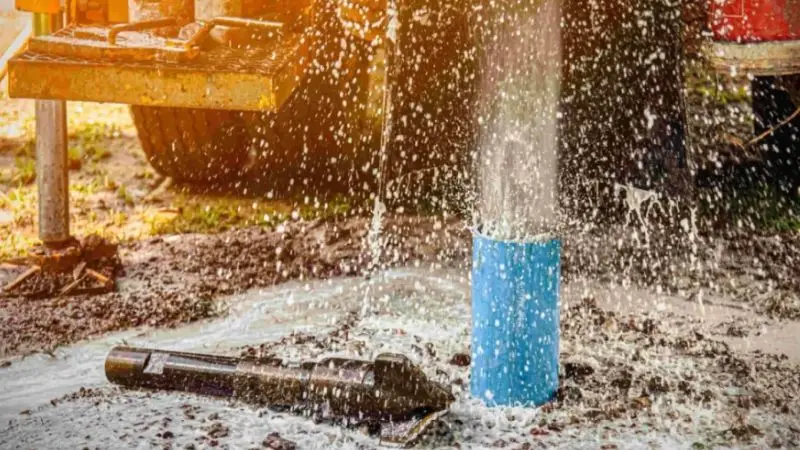
You should know what it is that makes a difference to the final price before you begin your project. Most people would pose the question: ” How much does it cost to drill a well? The answer depends on a number of important factors. All these aspects contribute to your overall cost, and you cannot afford to overlook them, as they may lead to unforeseen expenses.
Location of equipment, everything is important when planning your well. All these are factors that influence the cost of drilling water wells by homeowners, and therefore, it is important to consider them so that you can have a clear and realistic budget for the project.
How Location and Geology Affect Drilling Costs
One of the first factors that will affect your overall price is your location. The prices may be different from one region to another because of the differences in ground conditions, availability of water, and local regulations. In certain regions, drilling is not difficult and fast, whereas it is more time-consuming and laborious in other regions. This is the reason why it is necessary to know your local circumstances when estimating the cost of how much does it cost to drill a residential water well.
Geology is also a significant factor in determining prices. The soft soil allows the drilling to be faster to reduce costs, whereas hard rock needs heavier equipment and increased work. These factors directly influence the average cost per foot to drill a water well in the US, and it is important to ensure what is directly under your land before making a start.
Why Well Depth Has a Major Impact on Price
One of the largest issues that influences the cost of water well drilling to homeowners is well depth. The more the well is dug, the more time, labor, and materials are needed to do the job. This automatically makes the cost more expensive, and the deeper the wells, the more expensive they are than the shallow ones.
For example, a shallow well may be more affordable, but it might not always provide a reliable water supply. However, when a deeper well is utilized, cleaner and more consistent water is usually guaranteed. In determining the cost of drilling a well, always reflect on the depth in terms of the cost you are going to incur now and in the long run, as well as water quality.
Choosing Between Drilled and Dug Wells
The kind of well you invest in also influences your overall investment. Drilled wells are further implemented with sophisticated machines to access underground water. They are initially pricier but tend to be longer lived and offer cleaner water to be used on a daily basis.
Dug wells, on the other hand, are shallow and cheaper to construct. Nevertheless, they might not fit everywhere and are less dependable in the long term. In deciding on the quantity of money to spend on the drilling of a residential water well, you should make sure that you settle on the type that can take into account your requirements as well as the nature of your land.
How Soil and Rock Conditions Change the Cost
The type of ground that you have on your property can significantly affect the overall cost of the drilling. If the soil is soft and loose, the process is quicker and requires less effort. This helps keep the overall price lower and manageable.
But when your land has hard rocks, the process of drilling is more complicated. It frequently requires special tools, more fuel, and extra work. A magnetic drill can also be used by the contractors to perform some tasks involving metal fabrication and installation in and around the well systems, in particular, where accuracy in drilling is required. These difficulties raise the costs of well drilling breakdown, such as pump and installation, and it is important to know your type of soil before launching the project.
@truckintoby This thing is a beast!! #metalfabrication #magneticdrill #vevor #tools #shoplife #trucker #heavyequipmentmechanic #drilling #VEVOR #FallDealsForYou #TikTokShopBlackFriday #TikTokShopCyberMonday #TiktokShopHolidayHaul #VevorHomelmprovementFestival #treshwave @Vevor_US
♬ original sound – TruckinToby
Distance from Utilities and Installation Costs
The distance to your home and wells also has a significant impact on the final price. A far well that is not close to your home will need more pipes, wires, and more work to be able to get all wired up. This raises the costs of material and installation.
By locating your well nearer to your house, you can save these additional costs. Always add these connection costs when you are going through the total well drilling cost breakdown, including the pump and installation, as you are then able to see the full picture as to what you are investing in.
How Drilling Methods Affect the Overall Cost
There are various types of drilling techniques with varying costs. There are those that are easy and less expensive, and others are more complicated and expensive. The technique applied usually relies on the state of the ground and the depth needed to access water.
In the majority of residential projects, conventional drilling practices are effective and affordable. Nonetheless, in locations where conditions are challenging, special equipment might be demanded during setup and installation. Professionals, in certain instances, apply a magnetic drill in the event of working on steel elements or support structures that relate to the well system. These options have a direct effect on the amount it costs to drill a well, and therefore, you should discuss options with your contractor prior to making a decision.
Permits, Rules, and Additional Fees
Another significant aspect of the overall cost is permits and local regulations. Before you can start drilling, you have to get approval in most areas, and such approvals may add a considerable sum to your budget. Inspections or water testing may also be required, depending on local laws.
These are some additional measures that influence the cost of drilling water wells by consumers and cannot be ignored. Knowing these needs ahead of time can help you save time and unnecessary costs in the project, as you can better estimate how much it costs to drill a residential water well.
Additional Costs You Should Plan for in a Water Well Project
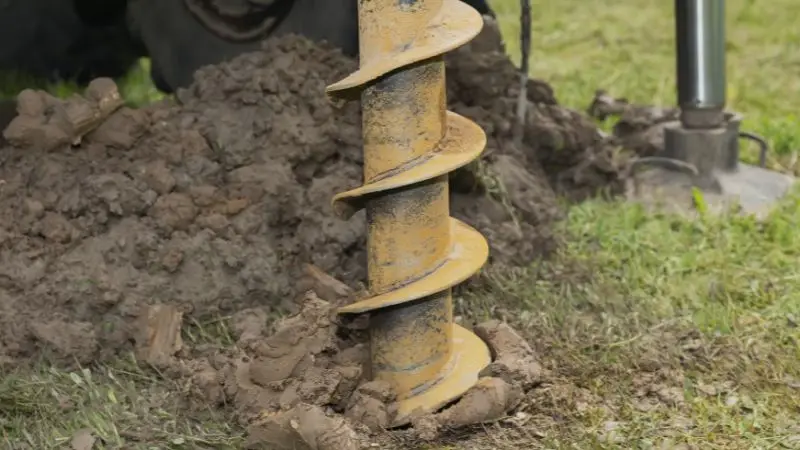
Drilling is not the only thing that needs to be considered when planning a well. A lot of homeowners concentrate on the core price and do not remember about the additional components to make the system functional. These are the extra costs that could add up to your overall budget, and knowing about them early will enable you to remain ready.
A detailed well drilling budget that includes the pump and the installation will provide a better idea of what you will be spending. Equipment, maintenance, and all these factors will help keep your system running smoothly over the years.
Why Pump Installation Is a Key Expense
In order to pump your water out of your well into your house, a pump is necessary. And without it, your well will not work well. Pumps vary in the type and size of the pump, and some of the systems are more robust and powerful than the rest.
Submersible pumps tend to be pricier, but are reputed to be more efficient and durable. When deciding on the cost of drilling a residential water well, it is worthwhile to select the proper choice in terms of calculating the cost of the well, since one of the most important components of the system is the pump.
How a Pressure Tank Improves Water Flow
A pressure tank is used to ensure even water pressure in your home. It collects water and lessens the frequency that the pump must operate, which may prolong the life of your gear. This renders it a key investment in long-term performance.
It also enhances the daily water usage by adding a pressure tank, which makes showers, faucets, and appliances work better. This should always be added when considering the cost breakdown of the well drilling, including pump and installation, to get a complete estimate.
The Importance of Water Filtration and Treatment
Well water is not necessarily immediately usable. It will be contaminated with minerals, bacteria, or other impurities, and in most cases, it requires filtration or treatment. The nature of water you require is determined by the quality of water.
The proper filtration system will prevent health problems and enhance water flavor and quality. These systems form a significant portion of the variables that influence the cost of drilling water wells to the homeowner because they may impose a significant portion on your budget.
Electrical Work and System Setup Costs
Your well system needs to have electricity to run the pump and other systems. This implies that you will require appropriate wiring and secure connections, which are normally done by a professional electrician. The price varies depending on the distance of the well to your house and the complexity of the installation.
Electrical work is not something to be ignored and is very important in ensuring that your system is reliable. These setup costs should be factored in whenever estimating the cost of drilling a well to avoid the shock later on.
Maintenance and Repair Costs Over Time
A well is not a one-time investment. They require regular maintenance to ensure that nothing is amiss. This consists of inspections, cleaning, and minor repairs, which can help avoid larger issues down the line.
As time goes on, you might have to replace parts such as pumps or tanks, and this can add to your overall expense. These recurrent costs form part of the considerations that influence the cost of drilling a water well to a homeowner, particularly when the water is intended to be used over a long period of time.
Why Regular Water Testing Is Important
Water testing is useful in making sure that your well water is safe enough to be used on a daily basis. Regular checks will help you find out the contaminants on time and enable you to correct the issues before they become severe. This is particularly crucial in safeguarding your health and ensuring the water remains clean.
The cost of testing is not that high, in comparison to other expenditures, and yet it is a necessary item in your budget. Considering how much it costs to drill a residential water well, bear in mind that it requires constant testing to ensure that your water is safe and your system is dependable.
Smart Ways to Reduce Well Drilling Costs
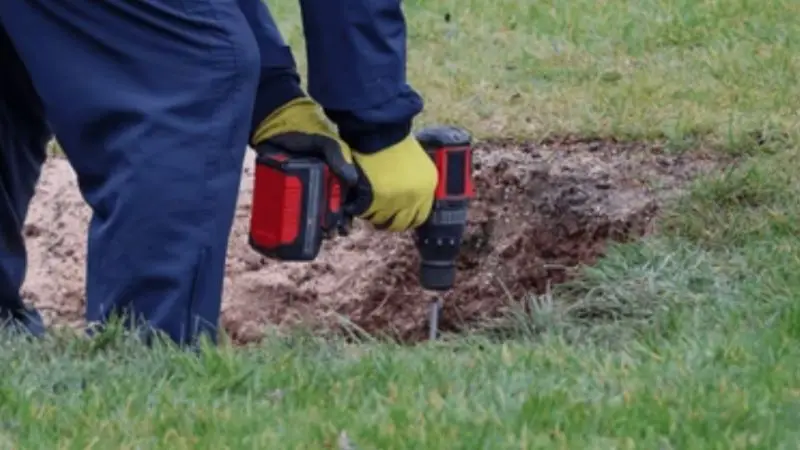
It is possible to reduce your total cost provided that you make informed decisions and plan. The question many homeowners ask is, how much does it cost to drill a well but the ultimate cost tends to hinge on how you handle the process. By taking the right steps at the right time, you can save on the needless costs and maintain your project within the budget.
Knowing the complete well drilling cost breakdown, including pump and installation, also assists you in locating where you can save money without compromising on quality. Decisions that are small may significantly impact your total expenditures.
Why Getting Multiple Quotes Saves You Money
Comparison of prices across companies is one of the best methods of controlling your budget. The contractors can provide different packages, and some can provide services that other contractors charge more for. This helps in identifying the best investment value.
When checking quotes, you should consider the equipment and tools that the project involves. Other contractors may invest in professional-grade tools, such as a magnetic drill, to do fine work in the installation, which may enhance efficiency and workmanship. Making several estimates will give you a better idea of what the general cost to drill a water well would be in the US, so you would not be overcharged.
Choosing the Right Well Type for Your Needs
The appropriate type of well can also save you money today and in the future. Drilled wells tend to be more expensive initially, although they tend to be longer lasting and supply cleaner water. Dug wells may be less expensive to set up, but they may not be applicable in all sites.
This option is among the most critical determinants that influence the cost of drilling a water well for homeowners. You can save on needless spending and guarantee higher value in the long run by aligning the type of well to your land and water requirements.
How Proper Well Location Reduces Expenses
A direct effect on your total cost can be the location of your well. The closer a well is to your home, the less pipes and electricity wiring you will need. This reduces the cost of materials and labor and makes your project cheaper.
Proper positioning also facilitates future repairs and maintenance. Location is one of the factors that should be taken into consideration when determining the amount of money it costs to drill a residential water well, to help control the costs.
Understanding Local Rules to Avoid Extra Costs
The total cost may be increased by local legislation and permit regulations unless properly dealt with. There are certain regions with a severe set of rules regarding the drilling of wells. Failure to adhere to these rules may result in fines or delays, which add to your costs.
You should read regulations in advance, and in this way, manage to estimate more accurately how much it costs to drill a well and prevent sudden expenses. This is a process that will ensure that your project is on track.
Planning Maintenance to Save Money Long-Term
One of the simplest methods of minimizing long-term costs is by maintaining them. Minor problems, when neglected, can cost them a fortune in the long run. Maintenance and cleaning help keep your system in working condition and prevent serious failures.
It is a good step to set aside a small annual budget to maintain. Not only does it save your investment, but it also lowers the total cost breakdown of well drilling as you go, including the pump and installation, since it prevents excessive replacement costs.
Wrap Up
Well drilling is a long-term investment that requires a lot of factors, such as depth, location, type of soil, and equipment requirements. Once you have the knowledge of the amount of money it takes to drill a well, you can easily budget and not be caught unawares. It is not only drilling, but also the costs of pumps, tanks, and installation. It is better to know the breakdown of the cost of well drilling, including the cost of the pump and installation. Compare the local prices, examine conditions, and always plan in advance. Careful planning ensures a reliable water supply and helps control the average cost to drill a water well per foot in the US effectively.
FAQ
What is the time of drilling a well?
The drilling will take one to three days. Depending on the depth, soil, and weather, time varies. There might be some additional time required to set up and test the equipment.
Am I required to have a permit in order to drill a well?
Yes, it requires a permit in most areas. Your water supply is safeguarded by local regulations. Before you begin, always inquire with your county or city office.
What depth is required of your well?
The majority of residential wells are 100 to 400 feet deep. You ought to seek local expertise on common depths in your locality. More reliable water is normally provided by deeper wells.
Do you have water in a new well that you can drink?
No, I shall not drink the water. First, you should test the water to make sure. Bacteria and mineral tests.