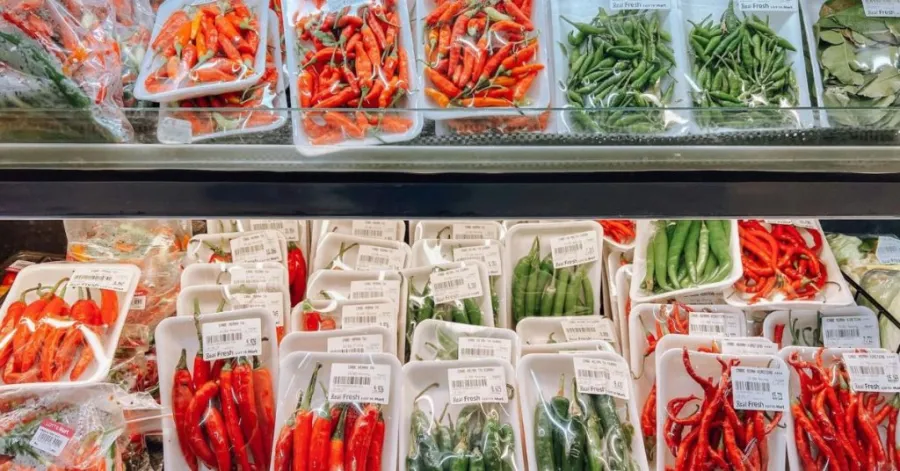
One of the questions you may ask is how long does vacuum-packed food last? As a guide, foods that are vacuum-sealed can be stored in the fridge for 7-10 days and in the freezer for 2-3 years. Vacuum sealing removes air, which delays spoilage and helps food last longer than when stored under normal conditions. A vacuum sealer removes air from the packaging, which slows spoilage and helps preserve freshness longer than normal storage methods. Different types of food take varying durations, so you must be keen on how to store them and watch for signs of spoilage. Find simple tips and a quick-check chart to help you safely store food.
- How Long Does Vacuum-Packed Food Last?
- Shelf Life Explained by Food Type
- Factors That Affect How Long Vacuum-Sealed Food Lasts
- How Long Does Vacuum-Packed Food Last?
- Shelf Life Explained by Food Type
- Factors That Affect How Long Vacuum-Sealed Food Lasts
- Safe Storage Tips for Vacuum Sealed Food
- Signs of Spoilage in Vacuum Sealed Food
How Long Does Vacuum-Packed Food Last?
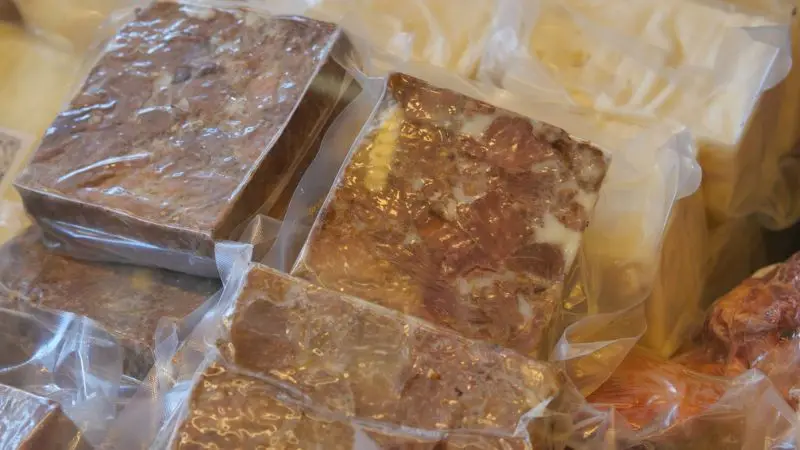
Vacuum sealing would go a long way in extending the length of time your food remains fresh. The question may be how long does vacuum-packed food last? It depends on your location and the food you possess. Vacuum sealing eliminates the air in the packaging. This retards the growth of bacteria and mold. Food can be stored longer and kept safe, and it tastes much better than with normal storage.
Average Shelf Life of Foods in the Fridge
When you keep vacuum-packed food in your fridge, spoilage sets in more slowly than with regular packing, since the air is removed. This can significantly help in storing food in a daily routine, particularly those that spoil easily.
Simply put, vacuum sealing helps eliminate waste and preserve food longer without any changes in taste or quality. It is especially useful for meats, vegetables, and dairy products that require cold storage.
The following is the performance of various foods in the fridge when vacuum sealed:
- Normal storage of cooked meats typically has a lifetime of 23 days, but 710 days when vacuum-packed.
- The normal life of fresh vegetables is 3-7 days, though it can be 7-14 days when it is closed.
- Normal storage of cheese lasts about 1 week and 4-8 weeks with vacuum sealing.
- Fish can only last 120 days without sealing, but 470 days when vacuum-packed.
- Berries typically have a shelf life of 2-3 days, but can remain fresh for 7-14 days when unopened.
Always remember that even with vacuum sealing, proper refrigeration is still important. The refrigerator must keep cold and clean to keep food safe.
In general, vacuum sealing has the potential to increase the shelf life of most foods by a factor of two or even three, save you money, and prevent food waste in your kitchen.
Average Shelf Life of Foods in Freezer
A vacuum sealer is one of the most reliable solutions for long-term food freezing, and it is even more effective for food. It removes air from the package, preventing freezer burn and allowing the food to maintain its quality for much longer.
The comparison of the days taken by vacuum-packed food in the freezer against the days taken by regular storage is very high. In most cases, vacuum sealing can extend storage life by years, particularly for seafood, vegetables, and meats.
The following are the performances of various foods in the freezer:
- Meat and poultry may have a shelf life of 6-12 months in a normal environment, and 2-3 years in vacuum packaging.
- Fish and seafood will last approximately 6 months unsealed and 2 years sealed.
- Usually, vegetables last 812 months, but 23 years in vacuum-packed vegetables.
- Baked goods have a normal shelf life of 2-3 months, and 1-3 years in case of sealing.
Vacuum-packed, leftovers typically have a shelf life of 23 months (6 months); however, when stored in a vacuum, the food can last 12 months or longer.
Vacuum sealing prevents freezer burn, or the drying of food and loss of flavor because of air exposure, as well. This preserves the texture and taste well throughout the long periods of storage.
Overall, the shelf life of vacuum-packed food depends heavily on storage conditions, but freezing it in vacuum packaging can increase shelf life by 2-5 times compared with traditional packaging.
All in all, the technique can save you money, minimize food waste, and preserve food better to be used in the long term. It is always important to check food to ensure it has not spoiled, even when there is a good vacuum seal that has been frozen.
Shelf Life Explained by Food Type
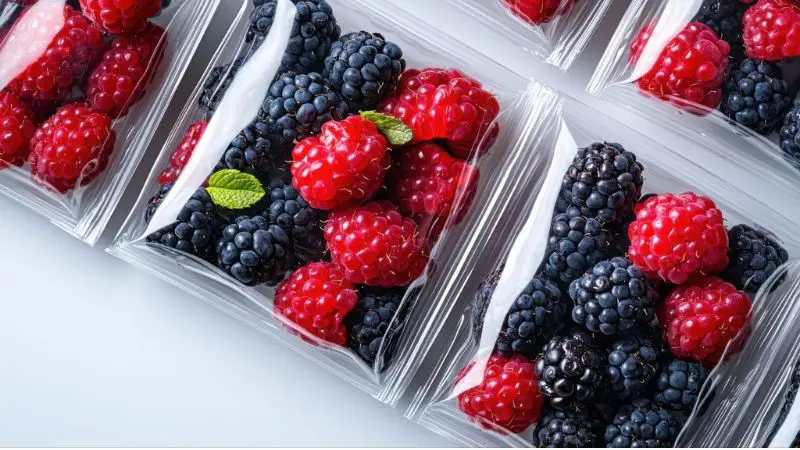
Using a vacuum sealer changes how long different types of food stay fresh by removing air and slowing spoilage. A vacuum sealer helps reduce oxygen exposure, which limits bacterial growth and preserves food quality for longer periods. Nevertheless, all types of food will react differently depending on moisture, fat content, and storage method. This is why it is important to learn each category to store safely.
Meat and Poultry
Meat and poultry are very perishable; vacuum sealing significantly enhances the storage life. Raw meat and poultry stored in vacuum-sealed packages stay fresh in the fridge about 710 days, whereas they typically only last a few days. When stored in the freezer, they should be able to maintain a good quality for up to 23 years. When storing meat in bulk, many people ask how long vacuum-packed food will last, and the answer largely depends on the temperature. To prevent mishaps, always label dates and be aware of smell or color changes before cooking.
Fish and Seafood
Fish and seafood perish easily, but vacuum packaging can delay the degradation process by limiting the amount of oxygen they are exposed to. Vacuum-sealed fish in the fridge has a life span of about 4-7 days as opposed to 1-2 days. It can take as long as 2 years in the freezer. This makes it a good choice for long-term storage. When asked how long vacuum-sealed food lasts in the refrigerator and freezer, seafood records one of the greatest improvements over other storage methods, as it undergoes less oxidation and freezer burn.
Fruits
Vacuum sealing helps fruits slow down the ripening process and prevent loss of moisture. Vacuum-sealed fruits in the fridge have a shelf life of 1-2 weeks, and other fruits retain their flavor. They may take 2-3 years in the freezer, particularly the berries and sliced fruits. This comes in handy for minimizing waste and saving seasonal produce. Learning about the shelf life of vacuum-packed food will enable you to choose the most appropriate storage method to use when storing fruits based on your immediate consumption.
Vegetables
Vegetables in vacuum packaging also last longer because they are not exposed to air, slowing wilting and spoilage. They can be stored in the fridge for 1-2 weeks and in the freezer for 2-3 years if they are well prepared. Pale-skinned sealing enhances quality. It is easier to deal with storage during meal planning. Knowing how long vacuum-packed food will last in the refrigerator and freezer will enable you to select the ideal method for different vegetables depending on the intended use.
Cheese and Dairy
Cheese and dairy products have different shelf lives depending on their moisture content. Vacuum-packed hard cheeses can be stored in the fridge (4-8 weeks), and soft cheese (2-4 weeks). The freezing process is only applicable to hard cheese, which can last 6-8 months. Vacuum sealing allows slowing down of molds and drying. This comes in handy when considering how long such vacuum-packed food lasts in the dairy products, which spoil very quickly under normal storage conditions.
Baked Goods
Baked goods such as bread and pastries become hard easily, but vacuum sealing prevents hardness and loss of softness. When sealed, they have a shelf life of 1-2 weeks in the pantry and 1-3 years in the freezer. It is more convenient to slice bread and seal it before usage. Many people use information on how long vacuum-sealed food lasts in the refrigerator and freezer to determine how to store baked items and minimize waste from baking regularly or buying products in stores.
Grains and Dry Goods
Grains and dry goods are naturally long-lasting, and vacuum sealing prolongs their shelf life even more. With proper packaging, rice, pasta, and flour can last 1-2 years in the pantry and possibly longer in cool storage. This technique is also effective in preventing pests and moisture. In considering the question of how long vacuum-sealed food can stay fresh at room temperature, dry goods are one of the most stable foods and therefore are the best to store in large quantities and plan on their long-term use in the house.
Nuts and Seeds
Nuts and seeds contain natural oils, which are prone to spoilage over time, but vacuum sealing helps prevent this. They can be stored in the pantry for 1-2 years and in the freezer for up to 2 years. This will maintain crunch and flavor. Vacuum sealing can also be helpful for how long vacuum-sealed food lasts in the refrigerator and freezer, as it helps preserve the oils and keeps them fresh longer.
Cooked Foods and Leftovers
Foods that are cooked and left over are very perishable, but they can be vacuum sealed to increase their freshness. They should last 7-10 days in the fridge, and 1-2 years in the freezer. Food should always be cooled prior to sealing to prevent the growth of bacteria. This approach is common in domestic kitchens, particularly when individuals ask how long vacuum-packed food lasts to prepare meals and minimize food waste effectively.
Factors That Affect How Long Vacuum-Sealed Food Lasts
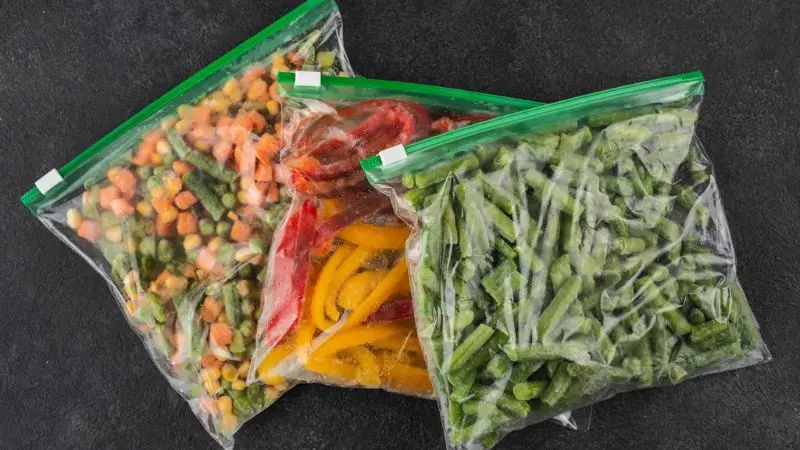
Many factors can affect how long food stays fresh under vacuum sealing. Although eliminating air can delay spoilage, the outcome remains subject to how the food was handled before and after it was sealed.
To answer how long vacuum-sealed food can stay fresh at room temperature, it is necessary to consider the main conditions that directly influence freshness. These are temperature, food quality, sealing strength, and moisture control.
Keeping Food at the Right Temperature
The most crucial aspect of food safety is the temperature. Food stored in warm conditions can easily go bad even when the vacuum is applied to it. Low temperatures inhibit bacteria and preserve food longer.
To keep food safe:
- Keep the refrigerator at less than 40 o C (4 C)
- Store the freezer at 0F (-18 °C) or cooler.
- Do not store long at room temperature with vacuum-sealed food.
Proper temperature regulation is crucial when considering how long vacuum-sealed food lasts in the refrigerator and freezer, since improper cooling may shorten shelf life even with properly sealed food.
Never leave your fridge and freezer without a thermometer to check the temperature.
Using Fresh Food Before Sealing
The pre-sealing quality of food has a significant impact on the shelf life of food. Vacuum sealing is a process that only preserves fresh food; it does not enhance spoiled or bad food.
Important points:
- After food is sealed, it lasts much longer.
- Even old or spoiled food will quickly go bad.
- Always refer to smell, color, and texture before sealing.
It works best with fresh ingredients. Food quality prior to sealing is among the most crucial aspects when it comes to learning a vacuum-packed food storage duration guide for home preservation.
Making Sure the Vacuum Sealer Creates a Strong and Tight Seal
A vacuum sealer should be able to produce a tight, airtight seal to preserve food longer. A vacuum sealer is primarily designed to eliminate air in the package since the presence of air will enable bacteria and mold to multiply more rapidly. Once more, air can get inside the bag, and food will spoil easily and lose the advantages of vacuum sealing.
To make sure your vacuum sealer works properly:
- Always ensure that the vacuum sealer gives a complete airtight closure.
- Check bags to see whether they are leaking, have holes, or weak sealing points.
- Damaged packages: reseal damaged packages as soon as possible or eat the food.
- The vacuum sealer sealing strip should be clean to work better.
An appropriate seal indicates that the vacuum sealing is done correctly and will help keep the goods fresher for longer.
One of the questions you may ask is how long does vacuum-packed food last? As a guide, foods that are vacuum-sealed can be stored in the fridge for 7-10 days and in the freezer for 2-3 years. Vacuum sealing removes air, which delays spoilage and helps food last longer than when stored under normal conditions. A vacuum sealer removes air from the packaging, which slows spoilage and helps preserve freshness longer than normal storage methods. Different types of food take varying durations, so you must be keen on how to store them and watch for signs of spoilage. Find simple tips and a quick-check chart to help you safely store food.
How Long Does Vacuum-Packed Food Last?
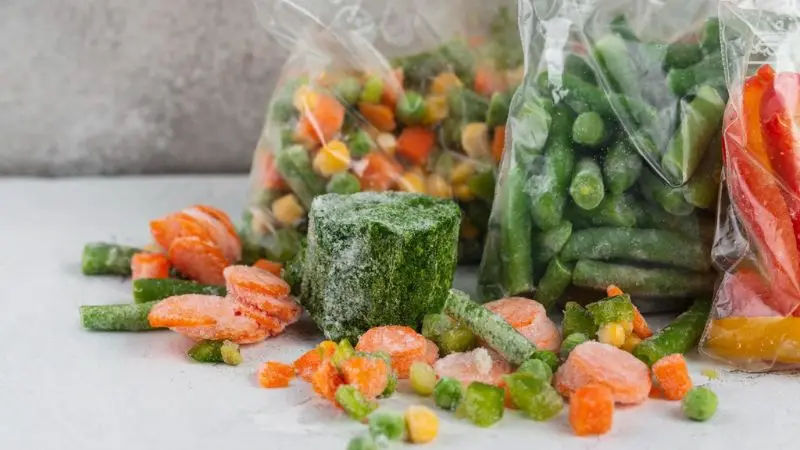
Vacuum sealing would go a long way in extending the length of time your food remains fresh. The question may be how long does vacuum-packed food last? It depends on your location and the food you possess. Vacuum sealing eliminates the air in the packaging. This retards the growth of bacteria and mold. Food can be stored longer and kept safe, and it tastes much better than with normal storage.
Average Shelf Life of Foods in the Fridge
When you keep vacuum-packed food in your fridge, spoilage sets in more slowly than with regular packing, since the air is removed. This can significantly help in storing food in a daily routine, particularly those that spoil easily.
Simply put, vacuum sealing helps eliminate waste and preserve food longer without any changes in taste or quality. It is especially useful for meats, vegetables, and dairy products that require cold storage.
The following is the performance of various foods in the fridge when vacuum sealed:
- Normal storage of cooked meats typically has a lifetime of 23 days, but 710 days when vacuum-packed.
- The normal life of fresh vegetables is 3-7 days, though it can be 7-14 days when it is closed.
- Normal storage of cheese lasts about 1 week and 4-8 weeks with vacuum sealing.
- Fish can only last 120 days without sealing, but 470 days when vacuum-packed.
- Berries typically have a shelf life of 2-3 days, but can remain fresh for 7-14 days when unopened.
Always remember that even with vacuum sealing, proper refrigeration is still important. The refrigerator must keep cold and clean to keep food safe.
In general, vacuum sealing has the potential to increase the shelf life of most foods by a factor of two or even three, save you money, and prevent food waste in your kitchen.
Average Shelf Life of Foods in Freezer
A vacuum sealer is one of the most reliable solutions for long-term food freezing, and it is even more effective for food. It removes air from the package, preventing freezer burn and allowing the food to maintain its quality for much longer.
The comparison of the days taken by vacuum-packed food in the freezer against the days taken by regular storage is very high. In most cases, vacuum sealing can extend storage life by years, particularly for seafood, vegetables, and meats.
The following are the performances of various foods in the freezer:
- Meat and poultry may have a shelf life of 6-12 months in a normal environment, and 2-3 years in vacuum packaging.
- Fish and seafood will last approximately 6 months unsealed and 2 years sealed.
- Usually, vegetables last 812 months, but 23 years in vacuum-packed vegetables.
- Baked goods have a normal shelf life of 2-3 months, and 1-3 years in case of sealing.
Vacuum-packed, leftovers typically have a shelf life of 23 months (6 months); however, when stored in a vacuum, the food can last 12 months or longer.
Vacuum sealing prevents freezer burn, or the drying of food and loss of flavor because of air exposure, as well. This preserves the texture and taste well throughout the long periods of storage.
Overall, the shelf life of vacuum-packed food depends heavily on storage conditions, but freezing it in vacuum packaging can increase shelf life by 2-5 times compared with traditional packaging.
All in all, the technique can save you money, minimize food waste, and preserve food better to be used in the long term. It is always important to check food to ensure it has not spoiled, even when there is a good vacuum seal that has been frozen.
Shelf Life Explained by Food Type
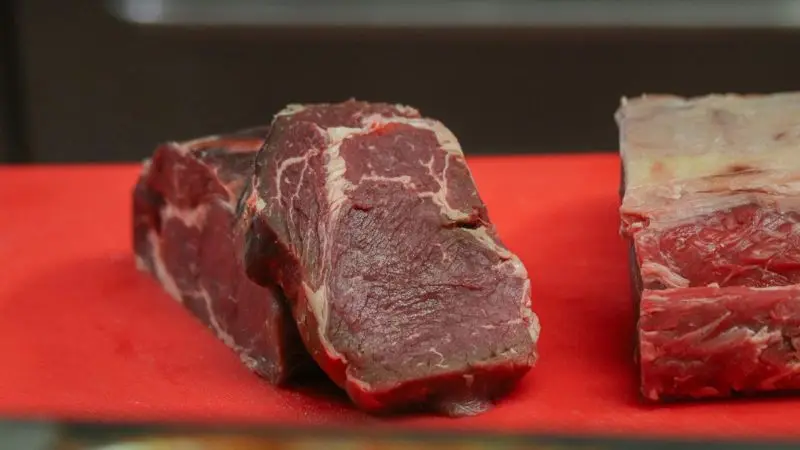
Using a vacuum sealer changes how long different types of food stay fresh by removing air and slowing spoilage. A vacuum sealer helps reduce oxygen exposure, which limits bacterial growth and preserves food quality for longer periods. Nevertheless, all types of food will react differently depending on moisture, fat content, and storage method. This is why it is important to learn each category to store safely.
Meat and Poultry
Meat and poultry are very perishable; vacuum sealing significantly enhances the storage life. Raw meat and poultry stored in vacuum-sealed packages stay fresh in the fridge about 710 days, whereas they typically only last a few days. When stored in the freezer, they should be able to maintain a good quality for up to 23 years. When storing meat in bulk, many people ask how long vacuum-packed food will last, and the answer largely depends on the temperature. To prevent mishaps, always label dates and be aware of smell or color changes before cooking.
Fish and Seafood
Fish and seafood perish easily, but vacuum packaging can delay the degradation process by limiting the amount of oxygen they are exposed to. Vacuum-sealed fish in the fridge has a life span of about 4-7 days as opposed to 1-2 days. It can take as long as 2 years in the freezer. This makes it a good choice for long-term storage. When asked how long vacuum-sealed food lasts in the refrigerator and freezer, seafood records one of the greatest improvements over other storage methods, as it undergoes less oxidation and freezer burn.
Fruits
Vacuum sealing helps fruits slow down the ripening process and prevent loss of moisture. Vacuum-sealed fruits in the fridge have a shelf life of 1-2 weeks, and other fruits retain their flavor. They may take 2-3 years in the freezer, particularly the berries and sliced fruits. This comes in handy for minimizing waste and saving seasonal produce. Learning about the shelf life of vacuum-packed food will enable you to choose the most appropriate storage method to use when storing fruits based on your immediate consumption.
Vegetables
Vegetables in vacuum packaging also last longer because they are not exposed to air, slowing wilting and spoilage. They can be stored in the fridge for 1-2 weeks and in the freezer for 2-3 years if they are well prepared. Pale-skinned sealing enhances quality. It is easier to deal with storage during meal planning. Knowing how long vacuum-packed food will last in the refrigerator and freezer will enable you to select the ideal method for different vegetables depending on the intended use.
Cheese and Dairy
Cheese and dairy products have different shelf lives depending on their moisture content. Vacuum-packed hard cheeses can be stored in the fridge (4-8 weeks), and soft cheese (2-4 weeks). The freezing process is only applicable to hard cheese, which can last 6-8 months. Vacuum sealing allows slowing down of molds and drying. This comes in handy when considering how long such vacuum-packed food lasts in the dairy products, which spoil very quickly under normal storage conditions.
Baked Goods
Baked goods such as bread and pastries become hard easily, but vacuum sealing prevents hardness and loss of softness. When sealed, they have a shelf life of 1-2 weeks in the pantry and 1-3 years in the freezer. It is more convenient to slice bread and seal it before usage. Many people use information on how long vacuum-sealed food lasts in the refrigerator and freezer to determine how to store baked items and minimize waste from baking regularly or buying products in stores.
Grains and Dry Goods
Grains and dry goods are naturally long-lasting, and vacuum sealing prolongs their shelf life even more. With proper packaging, rice, pasta, and flour can last 1-2 years in the pantry and possibly longer in cool storage. This technique is also effective in preventing pests and moisture. In considering the question of how long vacuum-sealed food can stay fresh at room temperature, dry goods are one of the most stable foods and therefore are the best to store in large quantities and plan on their long-term use in the house.
Nuts and Seeds
Nuts and seeds contain natural oils, which are prone to spoilage over time, but vacuum sealing helps prevent this. They can be stored in the pantry for 1-2 years and in the freezer for up to 2 years. This will maintain crunch and flavor. Vacuum sealing can also be helpful for how long vacuum-sealed food lasts in the refrigerator and freezer, as it helps preserve the oils and keeps them fresh longer.
Cooked Foods and Leftovers
Foods that are cooked and left over are very perishable, but they can be vacuum sealed to increase their freshness. They should last 7-10 days in the fridge, and 1-2 years in the freezer. Food should always be cooled prior to sealing to prevent the growth of bacteria. This approach is common in domestic kitchens, particularly when individuals ask how long vacuum-packed food lasts to prepare meals and minimize food waste effectively.
Factors That Affect How Long Vacuum-Sealed Food Lasts
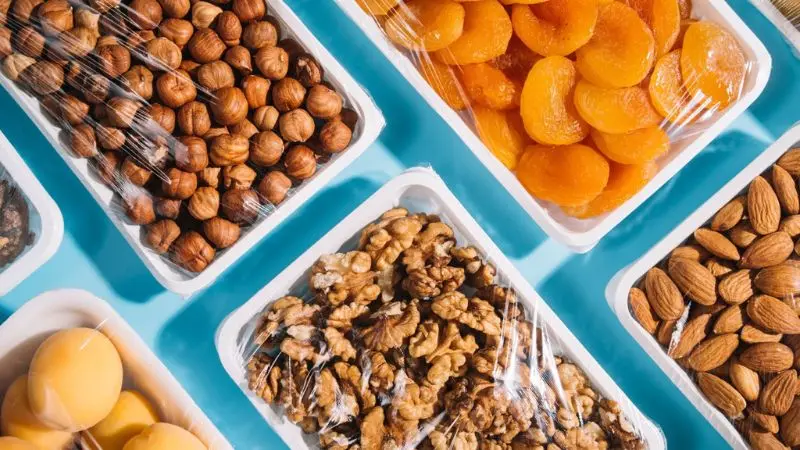
Many factors can affect how long food stays fresh under vacuum sealing. Although eliminating air can delay spoilage, the outcome remains subject to how the food was handled before and after it was sealed.
To answer how long vacuum-sealed food can stay fresh at room temperature, it is necessary to consider the main conditions that directly influence freshness. These are temperature, food quality, sealing strength, and moisture control.
Keeping Food at the Right Temperature
The most crucial aspect of food safety is the temperature. Food stored in warm conditions can easily go bad even when the vacuum is applied to it. Low temperatures inhibit bacteria and preserve food longer.
To keep food safe:
- Keep the refrigerator at less than 40 o C (4 C)
- Store the freezer at 0F (-18 °C) or cooler.
- Do not store long at room temperature with vacuum-sealed food.
Proper temperature regulation is crucial when considering how long vacuum-sealed food lasts in the refrigerator and freezer, since improper cooling may shorten shelf life even with properly sealed food.
Never leave your fridge and freezer without a thermometer to check the temperature.
Using Fresh Food Before Sealing
The pre-sealing quality of food has a significant impact on the shelf life of food. Vacuum sealing is a process that only preserves fresh food; it does not enhance spoiled or bad food.
Important points:
- After food is sealed, it lasts much longer.
- Even old or spoiled food will quickly go bad.
- Always refer to smell, color, and texture before sealing.
It works best with fresh ingredients. Food quality prior to sealing is among the most crucial aspects when it comes to learning a vacuum-packed food storage duration guide for home preservation.
Making Sure the Vacuum Sealer Creates a Strong and Tight Seal
A vacuum sealer should be able to produce a tight, airtight seal to preserve food longer. A vacuum sealer is primarily designed to eliminate air in the package since the presence of air will enable bacteria and mold to multiply more rapidly. Once more, air can get inside the bag, and food will spoil easily and lose the advantages of vacuum sealing.
To make sure your vacuum sealer works properly:
- Always ensure that the vacuum sealer gives a complete airtight closure.
- Check bags to see whether they are leaking, have holes, or weak sealing points.
- Damaged packages: reseal damaged packages as soon as possible or eat the food.
- The vacuum sealer sealing strip should be clean to work better.
An appropriate seal indicates that the vacuum sealing is done correctly and will help keep the goods fresher for longer.
@tada.greenhouse VEVOR Vacuum sealer 95 Kia powerful dual pump dual sealer moist or dry food storage #tiktokshoprestock #falldecor #vaccumsealer #foodstorage #savemoney
♬ original sound – TaDa Greenhouse
Keeping Food Dry and Removing Air Properly
The presence of moisture and air can shorten the time food is stored in a vacuum. Even sealed packaging can grow molds due to water or dampness.
Best practices include:
- Wipe dry, then seal.
- Do not carelessly seal wet or juicy surfaces.
- Make sure all air is removed from the bag.
Moisture is of particular concern when considering the shelf life of vacuum-sealed food in fridges and freezers, since even minimal amounts of air or water can reduce shelf life.
All these combine to determine the effectiveness of vacuum sealing. Done properly, it may increase food freshness significantly, although it will always be best handled properly.
Safe Storage Tips for Vacuum Sealed Food
Vacuum sealing is not the only important aspect of proper storage. Food can be tightly closed, but improper storage may decrease freshness and safety. Good habits help to preserve taste, texture, and nutrition longer.
In determining the length of time of vacuum-packed food, storage conditions in the fridge and the freezer play a significant role in actual outcomes.
How to Store Vacuum Sealed Food in the Fridge
Bacterial growth is slowed by refrigeration; placement is crucial, and temperature control is essential. Vacuum-packed foods must always be stored in cool temperatures to remain safe.
To keep food fresh in the refrigerator:
- Store vacuum-packed food in the coldest section of the refrigerator.
- Do not keep it close to the door where the temperature may vary.
- Keep refrigerator at or less than 40°F (4°C)
- Packages should not be overcrowded to allow cold air to pass.
- Wash your refrigerator to prevent contamination.
These will help maintain freshness and improve the accuracy of the estimates of the vacuum-packed food storage duration guide for home preservation. To ensure the temperature remains safe, a fridge thermometer can be used.
How to Freeze Vacuum Sealed Food Correctly
Vacuum-sealed food should be frozen to be kept over time. When done well, it helps maintain quality and prevent freezer burn.
To freeze food safely:
- Turn the freezer to 0°F- 18 °C.
- Lay flat to freeze quicker and more evenly.
- Do not overload the freezer to allow free air to move around.
- Prepare smaller portions of food to be used later.
- Look at the ice crystals that can have a weak seal.
Vacuum-packed food lasts a long time, and proper freezing plays a crucial role in storing it for extended periods at home.
How to Label and Organize Vacuum Sealed Food
Labeling will assist you in keeping track of the storage time and prevent confusion. In the absence of labels, we cannot easily determine the first food to be consumed, and this is likely to result in waste.
The best labeling practices are:
- Add the food name and date to each package.
- To be visible, use a permanent marker.
- Put the old at the front and the new at the back.
- Change food frequently when introducing new foods.
This easy system can help you store it better and determine the shelf life of vacuum-sealed food in the refrigerator and freezer without guessing.
In general, safe storage is reliant on temperature, appropriate freezing techniques, and proper organization. A vacuum sealer can substantially increase the shelf life of food and minimize food waste when properly used.
Signs of Spoilage in Vacuum Sealed Food
Vacuum sealing will delay the spoilage process, but not eliminate it. Even when food is stored too long or in bad conditions, it can go bad. This is why we should always check for spoiled food before eating. These are the easy steps you can take to prevent food safety hazards and ensure your meals are safe.
Given the shelf life of vacuum-packed food, it is equally important to know when it becomes unsafe to consume.
Visual Changes in Vacuum-Sealed Food
The simplest method of monitoring spoilage is to inspect the food before opening the package. The earliest sign of something bad is usually a change in appearance.
The presence of cloudy or oily fluid in the bag is also a good indication of bacterial growth. Gas buildup from spoilage can also manifest as puffy or swollen packaging. Food sometimes becomes coloured, e.g., gray, green, or very dark. Elsewhere, the texture can appear either mushy or shrunken rather than firm.
In case you notice any of the changes, it is best to avoid trying the food and get rid of it as soon as possible. Although vacuum-sealed food may still be within its estimated storage period, it may spoil if conditions are not optimal, regardless of how long it lasts in a refrigerator or freezer.
Smell and Texture Changes
One of the most valid indicators of spoilage is smell. Fresh vacuum-packed food has a neutral or gentle smell, depending on the food. Stale food, in turn, is usually sour, rotten, or peculiarly odored and is easy to pick up on after the package is opened.
Texture is also important. Normal, good food is firm and normal as far as the type, and spoiled food is sticky, slimy, or too soft. The changes typically indicate that bacteria or mold have begun to grow in the package.
It is important to rely on your senses since even well-preserved food can spoil with time. This applies particularly when assessing the shelf life of vacuum-packed food beyond the general storage guidelines.
Mold Growth and Color Changes
Mold and unusual discoloration are good indicators that food is no longer safe to consume. Mold may take various forms, such as fuzzy patches or spots, which may be white, green, blue, or black. When it starts growing, it often spreads rapidly.
Another indicator of warning is a color change. Meat will become pinkish-gray, vegetables will darken, and the fruits will have unusual spots or patches. These changes indicate that the food has begun to decay.
Although it may seem that only a little bit of it is affected, it is still not safe to take the spoiled part and eat the rest. The whole thing ought to be thrown away since pollution may extend beyond the eye.
Mold and discoloration are easy but effective practices to check to better know the duration of vacuum-sealed food in the refrigerator and freezer, and to consume food more safely in general.
Wrap Up
One of the best methods of preserving the freshness of food and minimizing food waste at home is by vacuum sealing. It retards spoilage by excluding air, making food in the fridge, freezer, and pantry last significantly longer. Nevertheless, the outcome remains to be determined by adequate storage, food quality, and the method of sealing. Despite being vacuum-sealed, one should regularly examine food to determine whether it is spoiling, such as by odor, changes in texture, or discoloration. Through proper storage and the knowledge of how various foods respond, you can safely enjoy a longer shelf life, better organization, and better savings of food in your everyday life.
FAQ
What is the way that you can tell when vacuum-packed food is spoiled?
Watch out for indications such as a swollen bag, odd odors, or unusual colors. When you notice there is some mold or the food is slimy, dispose of it. Relied on your senses to maintain your food safety.
Do you have the ability to vacuum-seal food containing liquids or sauces?
Yes, it is possible to vacuum-seal liquids. Freeze and seal the liquid. This will stop spills and make the vacuum sealer more effective.
Is refrigeration or freezing replaced by vacuum sealing?
No, cold storage is not substituted by vacuum sealing. Vacuum-packed foods still have to be refrigerated or frozen. This prevents the growth of bacteria and prolongs shelf life.
Is it possible to reuse vacuum seal bags?
Vacuum seal bags can be reused if they are clean and in good condition. Clean them and wipe them to use again. Do not use bags that contain raw meat.
Keeping Food Dry and Removing Air Properly
The presence of moisture and air can shorten the time food is stored in a vacuum. Even sealed packaging can grow molds due to water or dampness.
Best practices include:
- Wipe dry, then seal.
- Do not carelessly seal wet or juicy surfaces.
- Make sure all air is removed from the bag.
Moisture is of particular concern when considering the shelf life of vacuum-sealed food in fridges and freezers, since even minimal amounts of air or water can reduce shelf life.
All these combine to determine the effectiveness of vacuum sealing. Done properly, it may increase food freshness significantly, although it will always be best handled properly.