You count on meteorologists to know if you need an umbrella or jacket. Meteorology uses new technology to help answer the question of how weather forecasters predict the weather. You see satellites, radar, and weather stations when you check the forecast. These tools provide weather data right away. Meteorologists use computer models to analyze patterns and make predictions. Meteorology helps you learn about weather changes and prepare accordingly.
How Do Weather Forecasters Predict Weather
When you ask, “How do weather forecasters predict weather?” you start learning about science and technology. Meteorologists utilize various tools to collect weather data. You see their work every day in weather forecasting. First, they gather information from the sky, land, and sea. Meteorologists use this data to make weather predictions. These predictions help you plan your day.
Observational Tools
Meteorologists use different observational tools to answer, “How do weather forecasters predict weather?” These tools collect weather data from many places. Some tools are near you, and some are far away in space.
- Doppler Radar: You may have seen Doppler radar images on TV or online. Doppler radar tracks rain, snow, and storms. Meteorologists use radar to find severe weather. They make quick weather predictions with radar.
- Radiosondes: Radiosondes are small devices on weather balloons. They measure temperature, humidity, and pressure as they go up. Meteorologists use this data for weather forecasting.
- Weather Satellites: Satellites fly around Earth and take pictures of clouds and storms. Meteorologists use weather satellites to watch hurricanes. They track global weather changes with satellites.
- Weather Stations: You might see weather stations at airports or schools. These stations measure temperature, wind speed, and rainfall. Meteorologists use this information for local weather forecasting.
| Tool | What It Measures | Where You Find It |
| Doppler Radar | Rain, storms, wind | Ground stations |
| Radiosonde | Temperature, humidity | Weather balloons |
| Weather Satellites | Clouds, storms, climate | Orbiting Earth |
| Buoys | Ocean weather data | Oceans and lakes |
| Weather Stations | Local weather data | Airports, schools |
Data Collection
You may wonder how meteorologists get so much weather data. The answer is teamwork and technology. Meteorologists collect data from satellites, radar, and ground stations. They share this information with other scientists. You see the results in weather forecasting on your phone or TV. Meteorologists use satellites to watch weather systems from space. Satellites send pictures and measurements to computers on Earth. You get weather predictions from this data.
Doppler radar tracks storms and sends updates often. Radiosondes rise into the sky and send back data about the atmosphere. Buoys float in the ocean and report weather data about wind and waves. Weather satellites, radar, and ground stations help meteorologists answer, “How do weather forecasters predict weather?” and provide the best possible weather forecasting.
Weather Prediction Technology
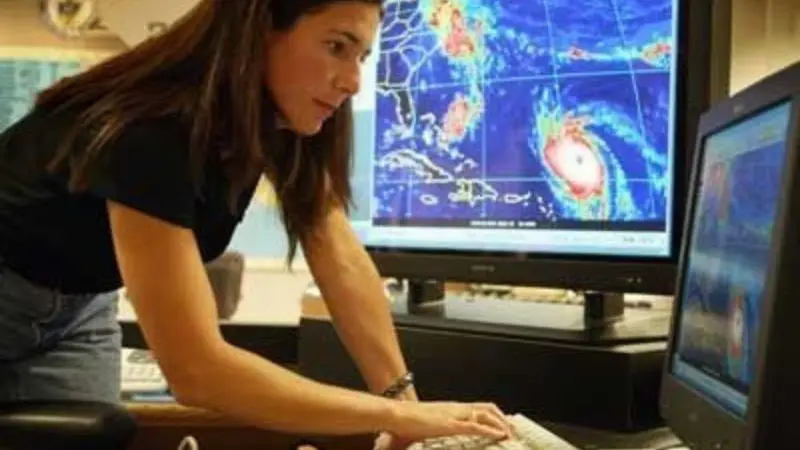
Modern weather technology allows you to see the world in a new light. Meteorologists use special tools to study the atmosphere. These tools collect data from many places. You get better weather prediction because of this. Satellites, radar, and computers work together to provide accurate information. They help make forecasts more accurate.
Satellite and Radar
How do satellites help us predict the weather? Radar and satellites provide a comprehensive view of the entire atmosphere. You can see storms and clouds from space. You can also see how the temperature changes. Satellites help meteorologists keep an eye on hurricanes. They keep an eye on weather patterns worldwide. Satellites send pictures and data to ground stations. Every day, you get news about changes in the weather.
Meteorologists use radar to find rain and snow. It also finds bad storms. Doppler radar shows the path of storms. It shows how tough they are. You can see radar pictures on your phone or TV. Meteorologists use radar to warn you about bad weather. Radar gives you quick updates to keep you safe.
Supercomputers and AI
How correct are today’s weather predictions? Meteorologists use supercomputers to process a vast amount of weather information. Computers can quickly look at data. You get quick and correct weather forecasts. Computer modeling programs run on supercomputers. These programs study weather patterns. You see the results in detailed forecasts. Computer modeling enables meteorologists to test various scenarios. You learn about possible weather changes before they happen.
Meteorologists use artificial intelligence (AI) to find patterns in data. AI helps meteorologists make better predictions. It learns from past weather events. Meteorologists use weather technology to share information with you. You see weather predictions on your phone, TV, or computer. Meteorologists work hard to give you the best forecasts.
- Satellites give you a global view.
- Radar shows you local storms.
- Supercomputers and AI help meteorologists understand all the data.
Weather Forecast Communication
Visualization
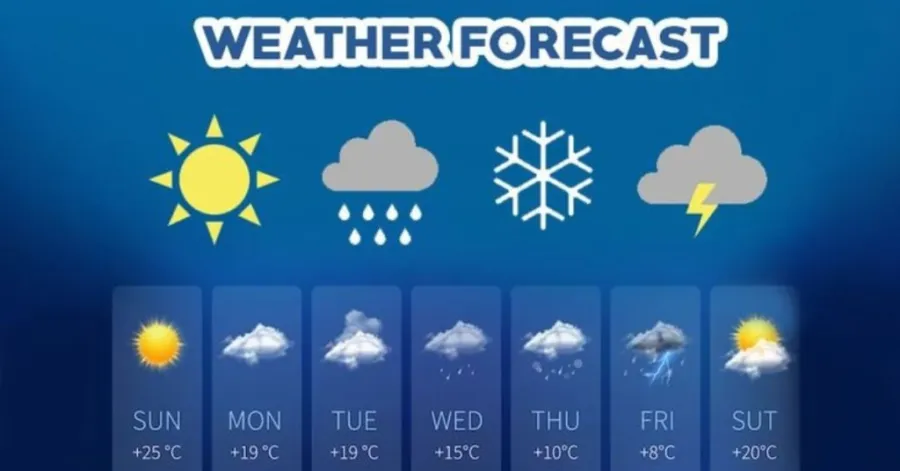
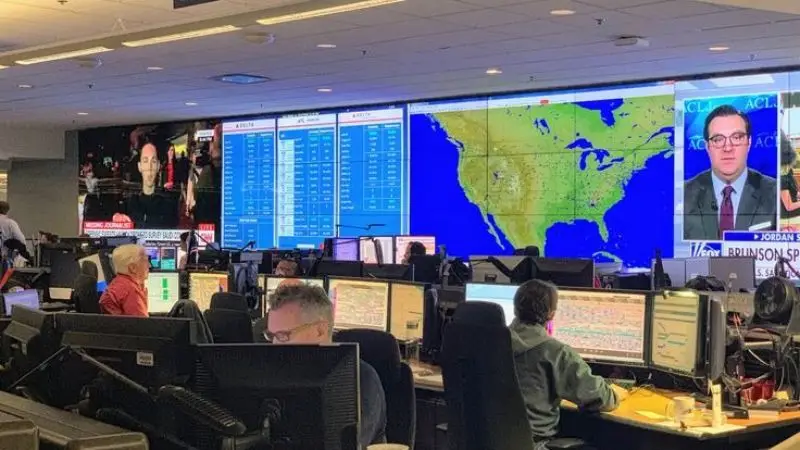
You can obtain weather forecast information in various ways. Meteorologists use maps, charts, and graphics to help you. Bright maps show rain, snow, and temperature changes. You can easily see storms and cold fronts. Weather apps use icons and animated graphics to make things more straightforward. You check your phone to see if you need a jacket or an umbrella.
Meteorologists create simple charts to display temperature and wind speed. You look at these charts and plan your day. Some weather websites have interactive maps. You zoom in to see your city or town. You learn about weather changes near you. Visualization helps you make good choices.
| Visualization Tool | What You See | How It Helps You |
| Maps | Rain, snow, storms | Spot weather changes |
| Charts | Temperature, wind | Plan your activities |
| Icons/Animations | Sun, clouds, rain | Quick weather updates |
Alerts and Warnings
You get weather alerts on your phone, TV, or radio. Meteorologists issue warnings when severe weather is approaching. You hear about tornadoes, floods, or hurricanes. These alerts help you stay safe and get ready for emergencies. Weather systems use sirens and emergency messages.
You listen for loud sounds or see flashing alerts. Meteorologists use simple words so you know what to do. You follow instructions and keep yourself and your family safe. You can sign up for weather alerts online. You receive updates about storms or heatwaves. Meteorologists work hard to keep you informed. You trust weather warnings to help you make good choices.
Weather Forecasting Challenges
Accuracy Limits
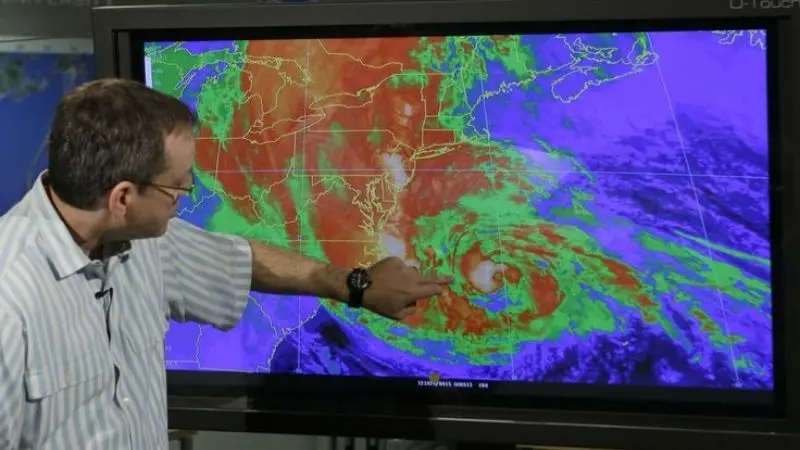
Sometimes, weather forecasts are not always correct. Meteorologists strive to provide accurate information. Predicting the weather is tough. The atmosphere can change very fast. Small changes can cause big surprises. You may see a sunny forecast, but it rains later. This happens because many things affect the weather.
Meteorologists use specialized tools and computer models to aid in their work. Even with the best technology, they cannot know everything. You get very accurate forecasts for one or two days. Estimates for more days are not as reliable. Meteorologists continually strive to improve their forecasting. They examine past weather events and test new ideas.
Data Gaps
Weather forecasting requires a vast amount of data from all over the world. Sometimes, meteorologists lack sufficient data from specific locations. Oceans, mountains, and faraway areas have fewer weather stations. Satellites help fill in missing data, but they cannot see everything. Missing data makes forecasts less accurate.
You may wonder how meteorologists fix these gaps. They use computer models to guess what happens in places without data. These models use data from close areas. Meteorologists also share data with other countries. This teamwork helps make forecasting better for everyone.
| Challenge | How It Affects You |
| Data Gaps | Less accurate forecasts |
| Rapid Changes | Sudden weather surprises |
Future of Weather Prediction
New Technologies
What technology do meteorologists use to predict the weather? You will see new tools help meteorologists to study the weather. Smart sensors collect data from areas that previously had no coverage. Drones fly into storms and send back vital information. You can view updates from these devices in real-time. Meteorologists use machine learning to identify patterns in large amounts of weather data. This helps you achieve faster and more accurate forecasts.
Some scientists are testing new weather satellites equipped with better cameras. These satellites provide more detailed images of clouds and storms. You can see changes in the atmosphere almost right away. Meteorologists also use mobile weather stations. These stations move to places with severe weather and collect data there.
| Technology | What It Does | Benefit to You |
| Drones | Collect storm data | Better storm warnings |
| Smart Sensors | Fill data gaps | More accurate forecasts |
| Advanced Satellites | Show clear images | Track weather events |
Long-Range Forecasts
You want to know what the weather will be next week or next month. Meteorologists work diligently to improve long-range forecasts. They utilize supercomputers to run models that predict the weather far in advance. These models use data from all over the world. You receive seasonal forecasts to help you plan trips or manage your farming.
Meteorologists study climate patterns, such as El Niño. These patterns change the weather for months. You see predictions for droughts, floods, or heat waves. Meteorologists share these forecasts with you on the news and apps. You can prepare for significant weather changes before they occur.
Final Thoughts
You notice that modern technology helps meteorologists make better predictions. New tools and intelligent computers help give you more accurate forecasts. Scientists work hard to improve their methods. They invent new ways to study the atmosphere. You can see how much effort and science go into keeping you safe and informed.
FAQ
How do satellites help meteorologists predict the weather?
Satellites fly high above Earth. They take pictures of clouds and storms. You see these pictures on weather apps and the news. Meteorologists use satellite data to track hurricanes. They monitor weather patterns worldwide.
Why do weather forecasts sometimes change quickly?
The weather changes rapidly because the atmosphere is in constant motion. Meteorologists update forecasts when they get new data. It’s essential to check for updates regularly to stay informed.
What is a Doppler radar, and why is it important?
Doppler radar finds rain, snow, and storms. You see radar images on TV and online. Meteorologists use Doppler radar to spot severe weather. They warn you about dangerous conditions.
Which tools do meteorologists use to collect weather data?
| Tool | What It Measures |
| Weather Station | Temperature, wind |
| Radiosonde | Air pressure, humidity |
| Buoy | Ocean weather |
| Satellite | Clouds, storms |
You see, these tools work together to provide accurate forecasts.