When you buy or operate a car, it’s important to know how big your petrol tank is. It helps you plan when to stop at gas stations, keep track of how far you’ve gone, and estimate how much gas will cost. The size of a car’s tank depends on its size, engine type, and intended use. This directly affects how far you can go on a full tank.
This article discusses the average size of a car’s gas tank, the sizes of small gas tanks, the sizes of gas tanks in SUVs, a chart showing the capacity of a truck’s gas tank, and the largest gas tank a car can hold. This might help you find out gasoline tank sizes and how much gas different types of cars can hold.
Average Gasoline Tank Sizes by Vehicle Type
Gasoline Tank Sizes for Compact Cars
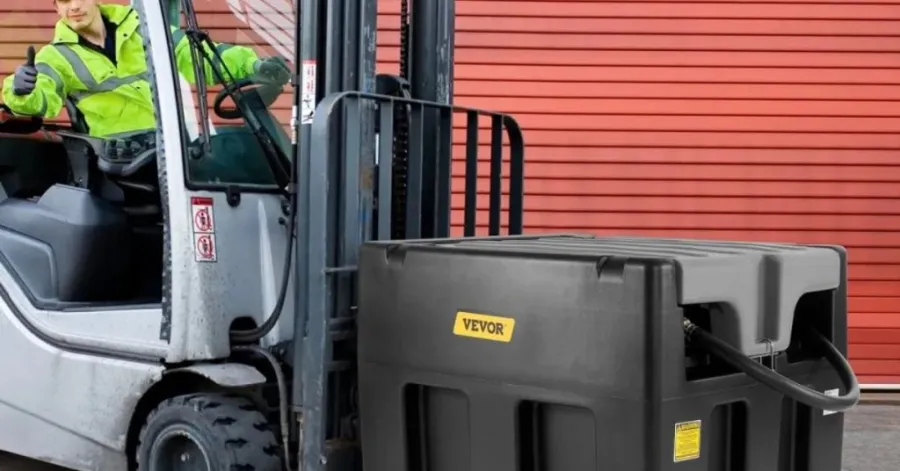
@thrivingcountry This is the easy way to fuel up big equipment. This Vevor Diesel Fuel Tank Dispensing System is a must have for farm and heavy equipment owners. #farmlife #diesel #tractor #tiktokshoplabordaysale #thrivingcountry @Vevor_US
♬ original sound – Thriving Country
You will notice that smaller cars usually have smaller petrol tanks. In fact, when asking what is the average gasoline tank size of a car is, most compact vehicles typically hold between 12 and 16 gallons. This collection helps you save space and weight. If your tank is smaller, you may have to fill it up more often, but you’ll save money each time. Petrol tanks on small cars are ideal for you if you mostly drive in the city.
Gasoline Tank Sizes for Sedans
Sedans are a fantastic choice for anyone who wants a car that isn’t too huge or too small. Most small car fuel tank sizes have petrol tanks that hold 14 to 18 gallons. This size is a good compromise between range and ease of usage. Many of the cars in this group feature tanks that let you drive for longer periods without stopping as often. If you want a car that can travel on both city streets and highways, a sedan with a big gas tank can be a good choice.
| Sedan Type | Typical Tank Size (gallons) |
| Midsize | 14–18 |
| Full-size | 18–20 |
Gas Tank Sizes for SUVs
Most SUVs have petrol tanks larger than those of most cars. Most gasoline tank sizes for SUVs have tanks that hold between 18 and 24 gallons, allowing them to go farther between fill-ups. This larger tank is good for long highway trips and vacations. Some SUVs feature some of the largest petrol tanks in their class, making them a good choice for families or anyone who needs additional room for people and luggage.
Gasoline Tank Sizes for Pickup Trucks
People know that pickup trucks have enormous tanks. The largest gas tank capacity in cars can store 20 to 26 gallons. Full-size pickups can have substantially bigger tanks, sometimes carrying 36 gallons or more. Most of the time, these trucks have the biggest petrol tanks on the road. A big tank makes it easier to move heavy things or travel long distances because you don’t have to stop as often. You should always check the petrol tank sizes on different trucks.
Quick Things to Do:
- For small autos, 12 to 16 gallons
- Sedans: 14 to 20 gallons
- 18 to 24 gallons for SUVs
- Pickup vehicles may hold 20 to 36 gallons or more.
Why Gasoline Tank Sizes Matter
Driving Range and Fuel Efficiency
You can see how much petrol your automobile has simply by checking the tank. If your truck gas tank capacity chart is bigger, you can drive for longer without stopping. Check the size of your tank and how much gas your car uses to conserve gas. If your car has a big tank and uses less gas, you can go further. This helps you plan your trips better and stop for petrol less often. Many people try to find the right balance between the size of their tank and how much fuel they use to go the furthest.
Cost of Refueling
You can view the price every time you fill up your automobile. You have to fill a bigger tank less often, but you spend more up front. If small car fuel tank sizes, you spend less each time, but you have to stop for petrol more often. Think about how much you drive and how much money you have when you get an automobile. The size of your tank will determine how much petrol you buy. Some individuals prefer a large tank so they can travel farther without stopping, while others prefer a small tank so they don’t have to fill up as often.
Travel Convenience
A bigger tank makes travel easier. You can go longer without stopping for gas. If you go a long way or for a long time, a big tank helps you feel safe. You can take fewer breaks on your travels. A huge tank is particularly helpful if you have passengers or are carrying a lot of items. While considering benefits, many drivers also ask what is the average gasoline tank size of a car is, as it helps them decide whether they need a larger capacity for their driving needs and travel flexibility.
| Tank Size (gallons) | Typical Range (miles) | Travel Convenience |
| 12–16 | 300–400 | Frequent stops |
| 18–24 | 400–500 | Fewer stops |
| 26–36+ | 500–700 | Extended range |
How to Find Your Vehicle’s Gasoline Tank Sizes
There are several reasons why you might want to know the gasoline tank Sizes for SUVs. You can plan trips, figure out how much petrol you’ll need, or look at different sizes of gasoline tanks when you buy a new automobile. Here are three easy ways to receive this important information.
Check the Owner’s Manual
Your owner’s manual is the best place to start. Most of the time, the handbook has a section that outlines all the major pieces of your car. The “Specifications” or “Technical Data” part will inform you how big the petrol tank is. This figure tells you how many gallons of gas your car can hold. If you don’t have a physical copy of the handbook, you may usually get a digital version on the carmaker’s website.
Look Up Online Resources
You can also find out the largest gas tank capacity in cars online. Many websites tell you things about cars, such as how much petrol they can hold. If you want to know the brand, model, and year of your car, search for “fuel tank size.” You will see results on the manufacturer’s website, car review websites, and forums. Some websites let you compare the sizes of different cars’ fuel tanks side by side.
| Resource Type | What You’ll Find |
| Auto review sites | Fuel tank size, MPG, specs |
| Forums | Real owner experiences |
| Manufacturer site | Official fuel info |
Contact the Manufacturer or Dealer
You can phone the car dealer or the maker’s customer support number. They can tell you how much gas your car can hold. Dealers can also tell you whether the truck gas tank capacity chart varies by trim or model. If you want to know more, a dealer can help you compare the petrol tank sizes on new cars.
Have your car’s VIN or model number ready when you call. This helps the dealer provide you with the proper information regarding petrol.
Factors That Affect Gasoline Tank Capacity
Vehicle Design and Size
Cars and trucks come in varied forms and sizes, and each can contain a different amount of petrol. Many people ask what is the average gasoline tank size of a car, which typically ranges from 12 to 16 gallons for standard vehicles, is. If you need to haul a trailer or travel on a lengthy vacation, you may need additional room in these vehicles and trucks. Because they don’t have as much room, tanks in smaller cars are smaller. There is plenty of space for little cars to travel around the city. Most trucks and SUVs can tow items and travel long distances, but they require more power to do so. Always verify how well a car pulls before you buy it for a long trip or to tow something.
Fuel Efficiency Goals
When you think about how much gas a tank can hold, you should also consider how much it needs. Some cars are built to use less gas so that they can go a long way on a tiny tank. You can see that the truck gas tank capacity chart is bigger to accommodate additional fuel if you want greater power. Trucks that carry heavy loads usually have bigger tanks so they can pull more and have more power. Your tank should be the right size for your driving. Choose a car that consumes less petrol and has enough room for you if you want to save money and gas.
Intended Use (City vs Long-Distance Driving)
Consider how you plan to use your car. A smaller tank might be fine if you primarily drive in the city. You don’t use as much petrol when driving in the city, so you may need to fill up more often. You need a bigger tank for extended travels. You don’t want to have to stop often while pulling heavy loads or going on long excursions. Cars and trucks intended for towing or long-distance travel can handle greater power and weight. Choosing the largest gas tank capacity in cars gives you greater freedom and fewer stops on long trips.
| Intended Use | Typical Tank Capacity (gallons) | Why It Matters |
| City Driving | 12–16 | Frequent refueling possible |
| Long-Distance Travel | 18–36+ | Fewer stops, supports towing |
Small vs Large Gasoline Tanks: Pros and Cons
Benefits of Smaller Gasoline Tanks
Many compact cars and hybrids have small car fuel tank sizes. These tanks make your car lighter. A lighter car uses less gas. In the long term, this will help you save money. Smaller tanks also provide you with more space in your car. You can fit more people or things inside. It costs less to fill up a little tank. You won’t have to pay as much each time you fill up. If you drive in the city, you can stop for petrol whenever you want.
Here are some beneficial things with smaller petrol tanks:
- Less money spent on petrol each time
- A lighter weight provides better gas mileage.
- More room for people or things to carry
- Driving in city traffic is easier
Benefits of Larger Gasoline Tanks
You might want a bigger petrol tank for long trips. You can travel farther before you have to stop if you have a big tank. This is helpful if you have to drive a large distance all at once. You don’t have to worry about where to buy petrol. Bigger tanks work nicely with trucks and gasoline tank Sizes for SUVs. If you like driving off-road or need a lot of power, they are helpful. When you tow big things, you might need to carry additional gas. If you drive in areas with few petrol stations, big tanks are especially useful.
| Benefit | Why It Matters |
| Fewer stops | Travel longer without refueling |
| Better for towing | Supports heavy loads |
| Great for adventures | Ideal for off-roading |
| Useful for remote trips | Helps in areas with few stations |
Conclusion:
If you know how much gas a standard automobile can store, you can drive and shop smarter. Most automobiles and trucks can contain between 12 and 16 gallons of fuel. Sedans can contain 14 to 20 gallons, SUVs can hold 18 to 24 gallons, and pickup trucks can hold 20 to 36 gallons or more. These changes will help you figure out gasoline tank sizes, how long a full tank will last, and how often you might need to fill up.
Knowing how big a gas tank is can help you plan longer trips, track how much petrol you use, and choose a car that fits your driving needs. Knowing how much petrol a car can hold makes it easier to pick the ideal one for you.
FAQ
How do you check your car’s gasoline tank size?
You can find your car’s tank size in the owner’s manual. You can also look up your car’s make and model online. If you call your dealer, they can tell you the exact number.
Does a bigger tank mean better gas mileage?
A bigger tank does not improve gas mileage. Gas mileage depends on your engine and how you drive. A larger tank only lets you drive farther before refueling.
Can you increase the size of your gasoline tank?
Most cars do not allow you to easily upgrade the tank size. The tank fits the car’s design. You should ask a mechanic before making changes.
Why do some trucks have two fuel tanks?
Some trucks have two tanks for a longer range. This helps you drive farther without stopping. It is useful for towing or driving in remote areas.