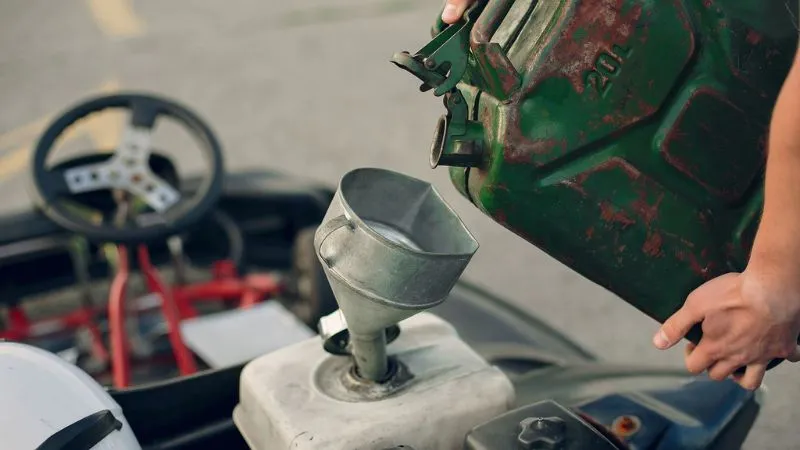
Fuel is consumed in transportation, agriculture, construction, marine, and industrial facilities. Requires the proper equipment, such as pumps, procedures, and monitoring systems, to move and store it safely. Fuel handling includes receiving, storing, filtering, transporting, dispensing, and monitoring fuel. To understand why every aspect of fuel handling matters for safe, reliable operation, you must first understand what fuel handling is. System design can improve fuel quality, minimize contamination, control fuel movement, and improve equipment performance. This guide explains the fuel handling system, its function, components, safety precautions, and typical uses across industries.
Table of Contents
How Does Fuel Handling Work?

Understanding how fuel handling works helps explain how fuel moves safely from storage to end use. Multiple sequential stages connect to form a complete fuel handling process.
These stages help maintain fuel quality, control movement, minimise contamination, and operate safely. The exact process may vary by fuel, facility, and equipment.
Recommended For Your Project
How Fuel Is Stored Safely
Fuel Storage is the first step in a fuel handling process. All fuels are stored in suitable fuel tanks or storage containers designed for the fuel type. The storage tanks can be ground-mounted or groundless. The storage area must be designed to minimize leakages, contamination, and accidental exposure. The tank may include vents, level indicators, temperature controls, and other features for safe operation. Proper storage also preserves fuel quality. In industrial facilities, the amount of storage capacity is typically designed based on the fuel’s demand, delivery dates, and operational needs.
How Fuel Is Transferred
Fuel transfer moves fuel from one place to another within a facility or from a storage area to equipment. Typically, pumps, hoses, pipes, valves, and meters are used at this point. The transfer system should be compatible with the fuel and should be able to accommodate the desired flow rate and pressure. With knowledge of how fuel handling systems operate, it is easier to understand how these components work together. Transfer equipment ensures efficient fuel transfer with minimal spills and unnecessary exposure. In a larger facility, controls can automate flow, detect unsafe pressure, and halt the transfer.
How Fuel Is Filtered
Fuel filtration captures unwanted contaminants, water, and other debris before they enter sensitive equipment. Filters may be located in various positions in a fuel system as per the application and fuel quality needs. Cleaning can prevent the premature wear or damage of pumps, injectors, engines, and other parts. Fuel type and contamination level determine the type of filter system. In industrial applications, filters can be used with water separation and other fuel-cleaning operations. Regularly inspecting and replacing fuel system components helps maintain consistent system performance.
How Fuel Is Dispensed
Fuel dispensing is the point at which fuel is brought from a storage or transfer system to the equipment, vehicle, machine, or other intended destination. Dispensing equipment may consist of pumps, hoses, nozzles, meters, and control systems. Equipment should match the fuel being handled and the desired flow rate. Fuel delivery volume can be measured with meters, and automatic shutoff operations can help regulate the fuel dispensing process. Commercial and industrial sites can also use dispensing systems that can track fuel. Well-managed fuel dispensing helps control usage and minimise the risk of fuel spills during normal operations.
How Fuel Is Monitored and Controlled
Monitoring and control ensure a safe and efficient operation of the entire fuel handling process. Sensors and control systems can monitor fuel level and flow rates, pressure, operating temperature, and other conditions. In modern fuel handling systems, automated controls can detect abnormal readings and warn operators when intervention is needed. Some systems can also track fuel use and tank level in real time. These functions are especially beneficial in larger facilities where manual monitoring may be challenging. Facilities can integrate appropriate control systems and monitoring equipment to improve fuel management, detect issues sooner, and better track fuel movement.
What Equipment Is Used for Fuel Handling?
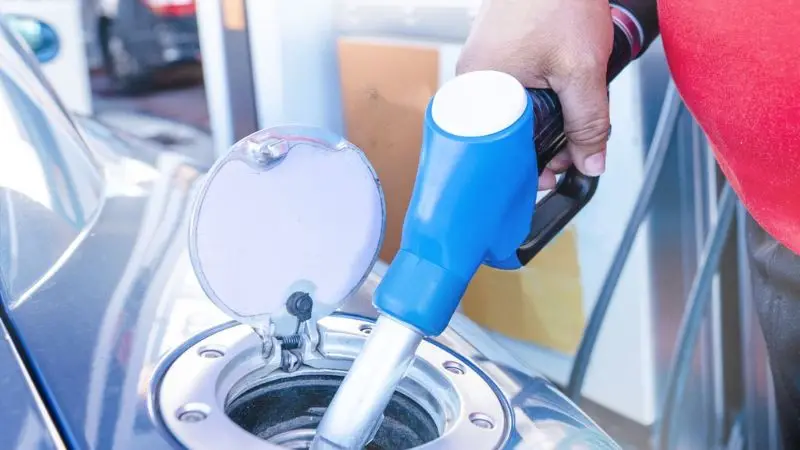
Equipment types vary depending on the stage of fuel storage, transfer, filtration, and dispensing. Select appropriate components to ensure system efficiency, control, and fuel compatibility.
Equipment may vary depending on the fuel type, plant size, flow needs, and application. Knowing the types of fuel handling equipment will make it easier to choose the correct equipment for every stage of fuel handling.
Fuel Storage Tanks
Fuel storage tanks safely store fuel until it is needed for transfer or use. These come in several sizes, materials, and configurations, depending on the application. Depending on the applicable requirements, the tanks can be set up above ground or below ground as per the facility requirement. A proper tank should store fuel safely and suit the anticipated storage conditions. Many tanks feature vents, level indicators, access, and transfer equipment connections. To form a fully integrated fuel-handling system, storage tanks are often linked to a pump, pipeline, filter, and monitoring system in industrial facilities.
Fuel Transfer Pumps
Fuel transfer pumps are used to pump fuel from storage tanks to a fuel dispensing point, fuel storage tanks, or fuel machinery or vehicles. They play an important role in industrial fuel-handling equipment, and the fuel may need to travel farther or be handled at a higher flow rate. Pumps may be of different designs and capacities for use with different fuels and operating conditions. The appropriate pump depends on the fuel characteristics, desired flow rate, pressure, and system design. An appropriate pump‘s position will ensure fuel moves at a constant rate and the transfer process can be managed for the facility’s requirements.
Fuel Hoses and Fittings
Fuel hoses and fittings provide flexible and secure connections among the various components of a fuel handling system. Between tanks, pumps, dispensing equipment, and machinery, hoses are used extensively because of the need for flexibility. Fittings link hoses to pipes, valves, pumps, filters, and other fittings. The parts should be compatible with the fuel and should be capable of handling the operating pressure and temperature. Good connections ensure minimal leakage and uniform fuel flow. Choosing the right hose and fittings is critical to building a dependable fuel-handling system for industrial applications used regularly under sometimes harsh operating conditions.
Fuel Filters
Fuel filters are used to capture contaminants such as dirt, water, and other solids from fuel lines to prevent them from entering sensitive equipment. These can be placed anywhere in the system, such as near the storage tanks, transfer pumps, or dispensing points. The fuel type, anticipated contamination level, and desired filtration level determine which filter to use. Some filters remove water from fuel, while others primarily focus on solid particle removal. Regular filter inspection and replacement support fuel quality maintenance and reliable system performance. When fuel is being supplied to engines or other equipment that has sensitive parts, proper filtration is particularly critical.
Fuel Meters and Dispensing Equipment
Fuel Dispensing Equipment and fuel meters control and measure the amount of fuel dispensed to a vehicle, machine, tank, or other destination. A standard dispensing system may include a pump, meter, hose, nozzle, valves, and controls. Meters can monitor fuel volume, and fuel dispensing controls can start, stop, and regulate fuel flow. These systems are commonly found in commercial facilities, workshops, transport operations, and industrial locations. Dispensing equipment can also integrate with monitoring and management systems as part of modern fuel handling systems to record fuel usage and enhance fuel distribution control.
How Does a Fuel Handling System Work?
A fuel handling system links several equipment parts to transport fuel safely from the storage area to the equipment that needs it. Each component has specific functions.
If you are able to understand what a fuel handling system is and how the various components of a fuel handling system work together, you can better understand the full fuel movement process. The system can be as simple as can be for a small operation, or highly automated for a large industrial facility.
Fuel Moves From the Storage Tank
Fuel is stored in a contained area for use in the process. The tank is a controlled environment to store fuel until needed. Valves and piping allow fuel to flow into the transfer system when needed. Storage tanks can also be equipped with various sensors and other equipment that are used to monitor the fuel level in the tank. The tank should also be suitable for the fuel to be stored and be designed for the operating conditions. The controlled fuel movement in a complete fuel handling system begins with the storage stage, which is where the fuel is stored, and continues through pumps, filters, pipes, and fuel dispensing.
The Pump Transfers the Fuel
A transfer pump then moves the fuel from the storage tank through the system. The pump generates the pressure to move fuel through pipes, hoses, filters, and others. Depending on the fuel, flow rate, pressure, and application, various pumps are chosen. The pump can be used manually or as a part of an automatic system. When valves are used during operation, they can be used to control the flow of the fuel. Understanding how fuel handling systems work explains the pump’s importance, since it moves fuel from storage to the desired location.
Filters Remove Contaminants
Fuel will flow through one or more filters in the system that are used to remove unwanted contaminants from the fuel. Fuel quality changes due to dirt, rust particles, water, and other impurities can cause problems in sensitive equipment. Filtration before the fuel enters an engine, machine, vehicle, or other application can reduce these contaminants. The type of filter depends on the design of the system and fuel requirements; location depends on the system. Some systems have separate water separators or multiple levels of filtration. Keeping filtration components in good condition supports consistent fuel delivery and helps minimize downstream contamination issues.
Fuel Is Delivered to the Equipment
The fuel is then filtered through the necessary filters before it is delivered to the end. Fuel is transported through pipes or hoses to dispensing equipment, fueling equipment, fuel-consuming equipment, and/or vehicles. A nozzle, valve, or similar device can control the final flow. Another measurement that meters can take is how much fuel is being delivered. The delivery equipment should be compatible with the fuel and be appropriate for the operating conditions. In an industrial application, this system can supply multiple pieces of equipment from a central storage and transfer system, and fuel distribution can be controlled from a single place.
The System Is Monitored During Transfer
During the entire fuel transfer process, the system is monitored to ensure it functions properly. It can measure and control fuel level, flow rate, pressure, and temperature. Automated systems can alert if readings are out of expected operating ranges, or if a component needs attention. This information helps operators regulate fuel movement and detect potential issues. Monitoring is especially critical in large facilities where fuel moves through a series of interconnected units. A complete fuel handling system integrates pumps, filters, meters, sensors, and control equipment to offer more controlled and organized fuel storage, transfer, and delivery.
How to Handle Fuel Safely
Safe fuel handling practices are crucial regardless of the fuel storage, transfer, filtration, or dispense location. Following proper procedures can minimize the risk of spills, fire, exposure, and equipment damage.
The right equipment and working practices also rely on the type of fuel and the environment. Knowing what fuel handling is also means knowing how to handle the fuel safely as it is used.
Use Compatible Containers and Equipment
Always use containers, hoses, pumps, fittings and other equipment designed for use with the type of fuel being handled. Some fuels may be incompatible with some materials, so it can be important to prevent deterioration, leaks and equipment failures. When not in use, containers should be labeled, securely capped and stored in appropriate storage areas. You should also regularly check transfer equipment for any damage or wear and tear. Controlled fuel movement and minimisation of accidental fuel releases is achieved by the use of appropriate fuel handling equipment. Select and use components according to the equipment manufacturer’s instructions and appropriate safety precautions.
Keep Ignition Sources Away
Fuel vapors will burn or explode if exposed to flames, sparks, hot surfaces or other ignition sources. Ensure no ignition sources, including open flames, smoking materials, welding, etc., are near fuel storage and transfer locations. Electrical equipment around fuel should be appropriate for the location in which it is required. Don’t spark when connecting or disconnecting equipment. Keep a controlled work area, especially while dispensing and transferring. These precautions are vital to fuel handling, as they minimize the risk of fire or ignition when fuel is stored, transported or issued.
Prevent Spills and Leaks
Spills and leaks may lead to fire, environmental and working environment risks. Regularly check the condition of tanks, hoses, fittings, valves, pumps and connections for damage or leakage. Ensure connections are secure prior to starting a transfer operation. Do not overfill containers or tanks and use proper shutoff and containment devices when necessary. Stop the source and follow spill response procedures if a spill does occur when it is safe to do so. Leak prevention is a critical component of fuel handling systems that are reliable and minimise unnecessary fuel loss and fuel contamination.
Provide Proper Ventilation
Good ventilation removes fuel fumes that accumulate in closed or poorly ventilated spaces. Provide ventilation in fuel storage and handling areas to meet the requirements of the fuel and the fuel facility. Do not work in a restricted area with fuel unless the area has been properly evaluated for this purpose and is equipped. Ventilation systems should be cleaned as required by applicable requirements and manufacturer’s instructions. Good airflow can be used to minimize vapour buildup and to make the working environment better when transferring and dispensing fuel. The required ventilation system varies by fuel and facility, so always follow safety rules and site-specific requirements.
Follow Fuel-Specific Safety Requirements
Each fuel has unique characteristics, risks, storage needs, and handling practices. Therefore, gasoline, diesel, kerosene, and other fuels should be handled differently based on their properties. Read and act upon appropriate safety data sheets and manufacturer directions, workplace procedures, and regulations. Fuel transfer and fuel dispensing personnel shall be familiar with emergency procedures and the equipment prior to undertaking such work. Depending on the fuel or the activity, other personal protective equipment may be necessary. To ensure fuel handling system operation is commensurate with safe operating practices during storage, transfer, and dispensing, adhere to fuel-specific requirements.
Common Fuel Handling Applications
Fuel handling is utilized in a wide variety of industries where fuel must be stored, transported, logged, and moved to equipment. This setup will vary based on fuel and application.
Whether it’s transportation, agriculture, construction, or marine applications, dependable fuel systems ensure that equipment receives the fuel it needs. To appreciate the types of fuel handling systems in order to identify how these systems are adapted for different working environments.
Fuel Handling for Vehicles
Fuel handling is a crucial aspect of transportation and fleet management, as vehicles rely on a dependable fuel supply to function properly. Fuel can be dispensed through pumps, hoses, filters, meters, and fuel dispensing nozzles and stored in tanks. Fuel distribution systems are frequently employed in fleet facilities to manage the fueling of vehicles such as cars, trucks, and buses. Fuel meters can be used to measure the amount dispensed, and the monitoring systems can help track fuel usage. Appropriate fuel handling equipment can also minimise spills and contamination when fueling. The equipment and techniques used must be appropriate to the type of fuel used and the vehicle’s requirements, plus meet applicable safety requirements.
Fuel Handling for Generators
In normal operation and in the event of a power outage, generators require a constant supply of fuel to generate electricity. Fuel handling systems for generators can consist of storage tanks, transfer pumps, filters, hoses, valves, and monitoring equipment. For larger generators, a separate fuel supply system might be needed, which automatically routes fuel from a fuel storage tank to the day tank of the generator. Fuel level monitoring components can monitor and alert the operators if the fuel supply needs to be attended. Proper filtration can also help keep the generator’s fuel system free from contaminants. In facilities that require backup power, industrial fuel-handling equipment can provide a reliable supply for continuous, controlled fuel delivery.
Fuel Handling on Farms
Fuel is commonly used on farms to power tractors and harvesters, irrigation equipment, generators, and other farm machinery. A farm fuel handling system could consist of a fuel storage tank, fuel transfer pump, fuel hose, fuel filter, and fuel nozzle. Storing fuel at an appropriate place can make the fueling of equipment easier and eliminate unnecessary transport. Filters and meters can be used to remove contaminants prior to fueling agricultural machinery and to record fuel use. The equipment selected should be suitable for the fuel type and farm’s operational requirements. Appropriate storage and handling are also critical to minimize spills, maintain fuel quality, and ensure a safe working area.
Fuel Handling for Construction Equipment
Heavy equipment like excavators, loaders, cranes, generators, compressors, and other diesel equipment is used on construction sites. A fuel handling system helps transfer fuel from storage tanks to machines operating throughout the site. Depending on the operation, you can use mobile tanks, transfer pumps, hoses, filters, and dispensing systems to refuel equipment. For larger projects, centralized fuel storage with controlled distribution to multiple machines may be necessary. If you understand how fuel handling works in construction, then you can better understand how you can get fuel to where you need it, while also controlling fuel consumption. The required equipment should suit the fuel, environment, and applicable site safety requirements.
Fuel Handling for Marine Equipment
Marine equipment can power onboard systems, generators, engines, and other equipment on boats and ships. Fuel handling can include storage tanks, transfer pumps, fuel filters, fuel pipes, fuel hoses, valves, meters, and monitoring devices. In larger vessels, fuel can be pumped from the storage tanks to the service tanks prior to entering the engine. Filtration may remove water and other contaminants that can affect engine performance. Designers must also consider limited space, movement, environmental considerations, and applicable maritime requirements. Well-designed fuel handling systems ensure a controlled fuel supply and allow for secure operation of marine engines and equipment.
Wrap-Up
A well-designed fuel handling system controls and streamlines fuel storage, transfer, filtration, and dispensing. The type of equipment depends on the type of fuel, operating conditions, and the capacity desired for various applications. The delivery system consists of pumps, hoses, fuel filters, fuel meters, monitoring devices, and storage tanks, all of which transport fuel safely to vehicles, generators, equipment, etc. Understanding how fuel handling systems operate helps you select appropriate components and operate them properly. Whether on a farm, construction site, marine vessel, or industrial facility, planning and fuel-specific requirements are critical for reliable and responsible fuel management.
FAQ
Fuel Handling – what is it?
Fuel handling includes storage, transfer, filtering, dispensing, and monitoring fuel. It employs appropriate equipment and practices to ensure good fuel quality, fuel movement control, and that safety and operational risks are minimised.
What is the Fuel Handling System?
The fuel handling system consists of tanks, pumps, hoses, filters, valves, meters, and controls that are used to store, move, monitor, and dispense fuel safely.
What kind of equipment is used for Fuel handling?
Common equipment includes storage tanks, transfer pumps, hoses, fittings, filters, meters, dispense nozzles, valves, sensors, and control systems, chosen based on fuel type and application.
Where is a Fuel Handling System applied?
Fuel handling systems are required for vehicles, generators, farms, construction equipment, marine machines, and industrial applications that involve storing, transferring, monitoring, and dispensing fuel.