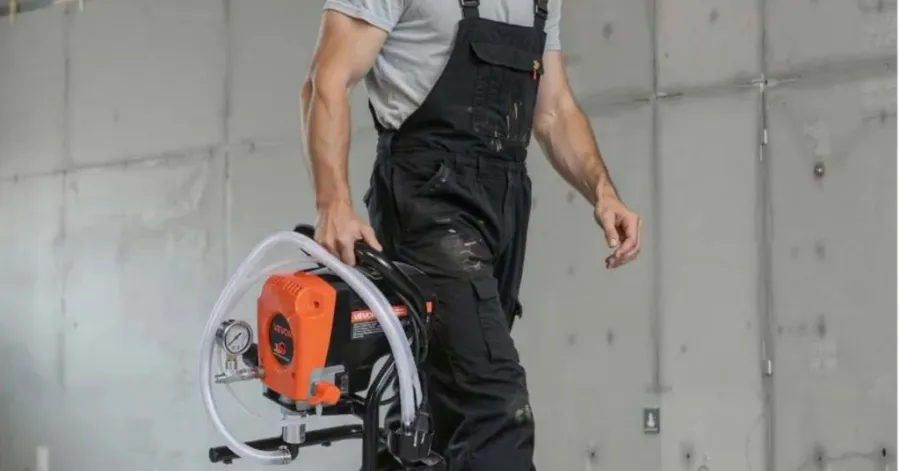
It is not necessary to have expensive or fancy equipment in order to make custom stencils for spray paint, especially when learning how to make custom stencils for spray paint. You can transform your ideas into stunning designs with a few simple supplies. It’s easy and fun to make your own stencils. You can use them for anything, from wall art to t-shirts. Grab some paper to get started if you want a new way to express yourself and try something different. You’ll be surprised at what you can create!
What You Need to Make Custom Stencils at Home

Here is the quick overview that what things are needed to make custom stencils at home.
Essential Supplies
To start creating custom stencils, you don’t need many items. This is a list of the basic items you will need:
- Spray Paint (choose colours that you like).
- Craft knife or utility blade
- Scissors
- Marker or pencil
- Tape (masking or painter’s tape will work well)
- Use a thick mat or cardboard to protect your table.
- Paper, contact papers, vinyl, cardboard, or acetate sheets
Tip: Choose a stencil made of a durable material such as acetate or Vinyl if you plan to reuse it more than This is considered the best material for spray paint stencils because it gives clean, reusable results. If you need the stencil only once, cardboard or regular paper will do.
Choosing Stencil Material
The right stencil material will make your project more attractive. Here are a few options:
| Material | Pros | Cons |
| Paper | Easy to find, cheap | Tears easily, not reusable |
| Cardboard | Durable, holds shape | Can soak up paint; edges may not be sharp |
| Contact Paper | Sticks to surfaces, clean edges | Hard to move, single-use |
| Vinyl | Flexible, reusable | Costs more, needs careful cutting |
| Acetate | See-through, best for clean lines | Slippery, needs tape to stay in place |
Acetate sheets are great for sharp edges and ease of cleaning. They are transparent, making it easy to align your design, especially when making custom reusable stencils for spray painting.
Recommended Tools
It is not necessary to have special tools. However, some items can be very helpful:
- Sharp craft knife for small cuttings
- Cut mats to protect your work area
- Ruler for straight lines
- Picking up small pieces with tweezers
- Painter’s Tape to Hold Your Stencil Down
Note: Use a razor-sharp blade. Dull knives will rip the stencil and leave it looking messy.
You can now choose the materials that you want to use for your project. You will then learn how to create your design.
How to Make Custom Stencils for Spray Paint

If you want to make custom Stencils for Spray Paint, then follow these steps. You’ll be surprised how easy it is to create clean, professional designs at home.
Select or Create Your Design
You can choose what to paint. You can choose to paint a logo, an animal you love, or even a simple shape. You can either draw your stencil by hand or use a computer program to print an image. Try free online tools to convert photos into black and white outlines. It is now easier to cut your DIY stencil design.
Tip: Choose a design that has bold shapes and lines. It can be difficult to paint or cut thin lines and tiny details.
Transfer Design to Material
You will need to transfer your design onto your stencil material. Here are two simple ways to do it:
- Tape your printed design to your material of choice (such as acetate or cardboard).
- Use a pencil to trace your design directly onto the fabric.
Ensure that your lines are clearly visible. You can cut the stencil more neatly if you do this.
Cut Out the Stencil
You can now make stencils. Cut out the shapes. Your material should be placed on a thick piece of cardboard or a cutting mat. Use a craft knife, sharp for smaller details, and scissors for larger areas. Always cut slowly, and always follow the lines. You could tear the fabric or ruin the edges if you hurry.
Note: Use vinyl or acetate for reusable stencils. They last longer and produce clean lines on your spray paint stencils.
Secure Stencil for Painting
You need to have your stencils ready before you begin your spray painting art. Tape the stencil edges to your surface. Painter’s tape is best, as it can be easily peeled off. You can use contact paper to adhere it without using tape.
Tip: Be sure to keep the stencil flat and firmly pressed against your surface. This will prevent paint from bleeding underneath the edges.
Spray Paint Application
The fun part begins! Shake the spray paint can. Hold the spray paint can 6-8 inches away from the stencil. Short bursts of spraying are recommended. Hands should be moved back and forth. Avoid spraying too much paint all at once. Spray at an angle to achieve sharp edges. Wait until the paint has dried before adding additional layers.
Let each stencil layer dry completely before adding the next one. This DIY method allows you to create cool patterns and effects.
Pro Tip: Start by practising on scrap materials. You can learn how to paint cleanly and how much to use by practising on scrap material.
Remove and Clean Stencil
Wait for the paint to dry a bit after you’ve finished painting. Lift your stencil carefully off the surface. Clean your stencil immediately if you plan to reuse it. To remove excess paint, use a paper towel or a wet cloth. The vinyl and acetate are durable and easy to clean.
Tip: Storing your stencil flat will prevent it from bending or warping. Store your stencils flat to keep them ready for the next project.
You can now make your own stencils to spray paint. This diy technique can be used for t-shirts as well as posters, walls and other surfaces. See what you can do with different stencil designs! Many people also search for where to buy custom spray paint stencils when they want ready-made options along with their DIY ones.
Tips & Fixes for Stencil Success

If your stencils keep smudging or shifting, with a few small adjustments, you can get cleaner lines and more consistent results. These simple fixes can help.
Prevent Paint Bleeding
Paint bleeding can ruin your design. Spray paint stencils should have crisp edges, not blurry ones. Press your stencil flat on the surface to prevent bleeding. Hold it in place with adhesive spray or painter’s tape. Contact paper is a good option because it adheres well to the surface and stops paint from bleeding. Spray light coats rather than heavy ones. The paint will not leak under the stencil.
Tip: Test your stencil first on scrap materials. Before working on the final project, you can check to see if the paint bleeds.
Achieve Clean Edges
Your artwork will look sharper with clean edges. Hold the can of spray paint about 6-8 inches from the stencil. Spray in short bursts. Move your hand smoothly. Spraying too much paint all at once is not recommended. Spray at an angle if you want to get extra-sharp lines. Wait until the paint is tacky before applying another layer. Use a ruler to apply pressure on the edges of the stencil for straight lines.
| Method | Result |
| Light spray | Crisp edges |
| Heavy spray | Blurry edges |
| Adhesive stencil | Sharp lines |
Clean and Reuse Stencils
Some stencils can be used more than once. After you have finished painting, clean them immediately. Use a paper towel or a wet cloth to wipe off any excess paint. Vinyl and acetate stencils are easier to clean, and they last longer. Store stencils flat to prevent them from warping or bending.
Note: If you find that your stencil has too much paint, soak it for a few moments in warm water. This will help loosen up the paint.
Troubleshooting Common Issues
Sometimes things can go wrong. The paint could smudge, or your stencil may move. Use more tape if your stencil moves, or use adhesive materials. Spray lighter coats if you see smudges. Let each layer dry. Practice helps you get better results. You can experiment with different materials and methods until you find the one that works best.
Remember: Every project will teach you something. Have fun with your stencils and keep experimenting!
Creative Ideas for Using Custom Stencils
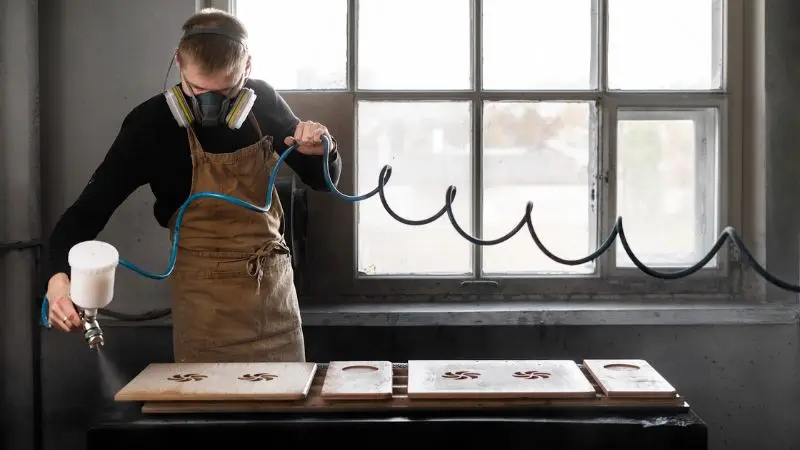
What do you do after your stencil is ready? You can use stencils in so many different ways. Show off your creativity and create your own style. Here are a few fun ideas to get your creativity flowing:
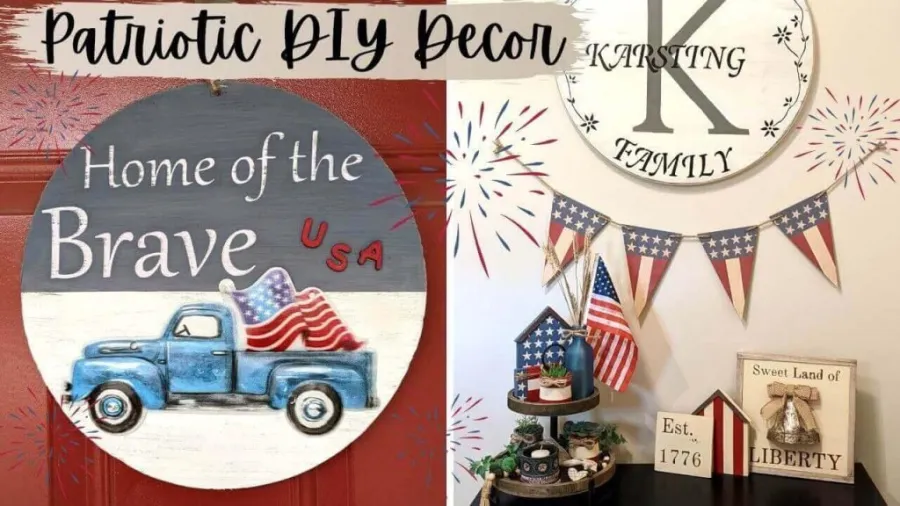
- Make wall art using bold words or shapes. Spray paint stencils directly onto your walls, canvas, wood or other surfaces. Choose colors that complement your space. You will have a unique space.
- Customize Clothing:
Want to make a cool T-shirt or Hoodie? Spray paint the design on your fabric using your stencil. You can create a unique piece by letting it dry. Stencils can be used on hats or tote bags. - Create Greeting Cards:
Add designs using stencils on cards for holidays or birthdays. You’ll be able to give your friends something unique. - Jazz Up Furniture:
You can make old furniture look brand new. Spray stencils onto drawers, tabletops or chairs. Try stencils with patterns such as stars, stripes or flowers. - Create Outdoor Art:
Use stencils to decorate garden pots, fences or stepping stones. Bright colors make your yard pop.
Tip: Test your stencil first on scrap material. Before you start your final project, test the paint on scrap material to see if it looks good and if there are any errors.
Here is a table that gives you some more ideas.
| Surface | Stencil Idea |
| Canvas | Abstract shapes |
| T-shirt | Favorite animal |
| Wood sign | Motivational quote |
| Shoes | Fun patterns |
| Backpack | Initials or logo |
Mix and match different designs. You can create a cool look by layering stencils. You could even create gifts for family or friends. You get to choose what you want to make. Let your imagination take the lead!
Conclusion
Making custom stencils for spray paint is not expensive. You only need basic supplies and can easily follow the steps. Anyone can create great stencils with a little practice. Show off your stencils to others and try out new designs. Enjoy making your stencils. Remember that your creativity is most important. Simple steps and cheap materials make it easy, and there are many ways to create.
FAQ
How do I keep my stencil from moving while I spray paint?
You can use painter’s tape to hold the stencil down. If you want extra grip, try adhesive spray. Make sure the stencil is flat before you start painting.
Can I reuse my stencil for another project?
Yes! If you use strong materials like acetate or vinyl, you can clean and reuse your stencil. Wipe off paint after each use and store it flat.
What should I do if my paint bleeds under the stencil?
Try spraying lighter coats and pressing the stencil down firmly. You can use adhesive materials for better results. Always test your stencil on scrap material first.
Is it safe for kids to make stencils?
Kids can make stencils with adult supervision. Use safety scissors and avoid sharp knives. Always protect your workspace and wear gloves when using spray paint.