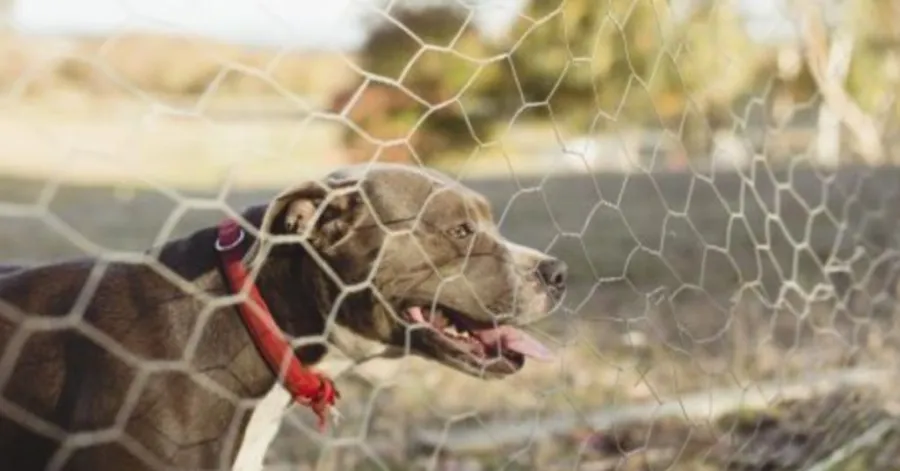
Creating an outdoor pet area is a worthwhile task for any dog owner, especially if you want a simple, low-cost solution. One of the simplest ways to ensure a secure boundary in your yard without spending a lot of money is a chicken wire fence. When properly installed, it works well with small and medium pets. It is popular with many for its flexibility, lightweight, and simple installation. You are going to learn about planning, tips to avoid mistakes, and everything else you need to know to construct a chicken wire fence for dogs and create a safe enclosure in the home.
- Materials and Tools You Need Before Building the Fence
- How to Plan a Chicken Wire Fence for Dogs
- Step-by-Step Guide to Building a Chicken Wire Fence for Dogs
- How to Make a Chicken Wire Fence Stronger for Dogs (Step-by-Step)
- Common Problems with Chicken Wire Dog Fences
- Mistakes to Avoid When Building a Chicken Wire Fence for Dogs
Materials and Tools You Need Before Building the Fence
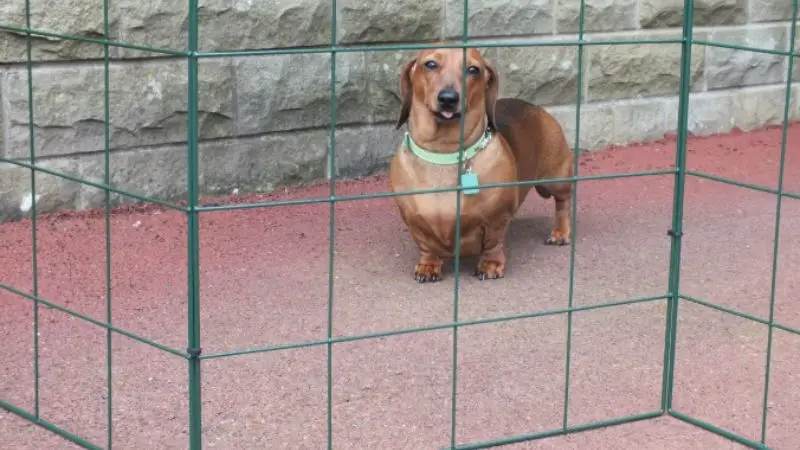
A dog fence can be constructed with chicken wire, a cheap and easy task for many homeowners. One should have the right materials and tools before commencing the installation. Working with quality materials will help produce a sturdier fence that lasts longer and keeps pets safely enclosed.
Regardless of whether you are constructing a big dog run or a small backyard enclosure, selecting the right materials can facilitate the task and make it more successful. Depending on the type of work you are going to do, the following sections describe the important items you will require.
Select the Best Chicken Wire for Your Dog Fence
The strength and longevity of your fence largely depend on the kind of chicken wire you select. Find galvanized chicken wire as it is rust-resistant and can last longer in the elements. The holes in the mesh must be no bigger than to allow dogs to squeeze through or to get their heads caught.
When choosing a dog fence made of chicken wire, you should consider your pet’s size and behavior. More active and larger dogs might need heavier wire and support. When researching how to build a dog-proof fence with chicken wire, consider investing in high-quality mesh to minimize maintenance and repair costs down the line. A long-lasting wire mesh is used to form a safer and more dependable enclosure to use in daily life.
Choose Strong Fence Posts and Support Materials
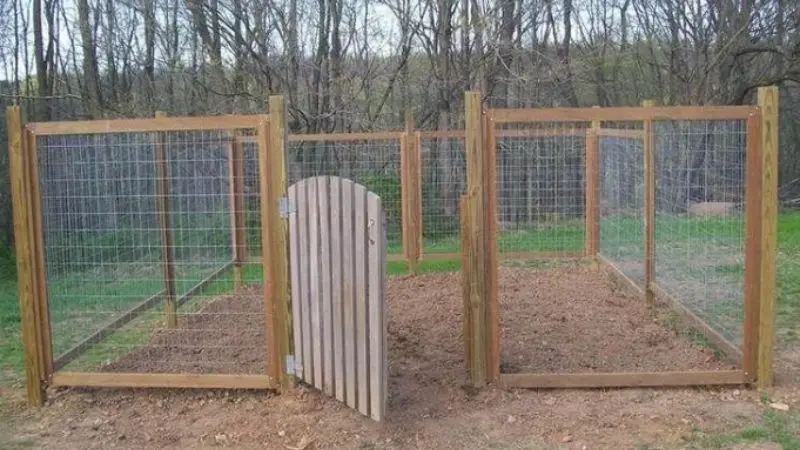
A safe and secure dog enclosure is based on strong fence posts. Wooden posts are very common because they are simple to install and merge naturally with most outdoor areas. Another great option is metal T-posts, which may be preferred by homeowners who want to have a durable and robust construction.
Tension wire, zip ties, fence clips, and braces are some of the support materials used to maintain a tight and stable mesh. Such additions are particularly significant when designing the most appropriate chicken wire fence to contain the dogs in yard portions where pets spend most of their time. With appropriate support, the fence will not sag and will withstand heavy winds, rain, and the day-to-day activities of active dogs.
@gotmyownhashtags #vevor #vevortools #vevorttshop #hardwarecloth #tiktokshopcreatorpicks @vevor shop @Vevor_US
♬ original sound – Lenny Shop Reviews
Gather the Basic Tools for Fence Installation
Having the right tools before the project begins can save time and effort. Simple equipment consists of a post-hole digger, shovel, hammer, measuring tape, wire cutters, pliers, and a level. These can be used to maintain correct measurements and correct alignment of fences during installation.
The reason why many homeowners select a DIY chicken fence as their project to enclose dogs is that it only needs simple equipment. Wire cutters will enable you to cut the mesh to the proper size, and pliers are useful to fix the fencing to the posts. A tape measure will help maintain uniform post spacing, giving the fence a professional appearance that is effective and keeps pets contained.
Wear the Right Safety Equipment While Working
Care should be taken at all times when handling fencing materials and equipment. Chicken wire can be sharp-edged and can result in cuts or scratches, and therefore, the use of protective gloves is a necessary element of the project. When cutting wire or hammering fence pieces, safety glasses are also suggested to take care of your eyes.
Appropriate, well-gripped footwear may be used to prevent slips and injuries during the digging of post holes or the transport of materials around the yard. Even in the case of constructing a cheap dog and pet fence made of chicken wire, precautions can be taken. By using the appropriate protective gear, you will be able to work comfortably and safely, and install a safe chicken wire fence around small dogs in the backyard areas that will ensure that your pets are safe in the years to come.
How to Plan a Chicken Wire Fence for Dogs
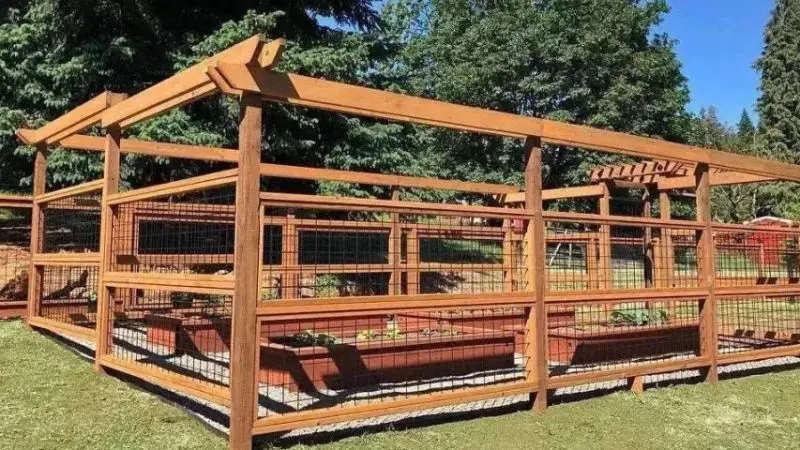
The best approach is to plan before constructing a strong and safe dog fence. A good plan means that you will not make mistakes, it will save you money, and your fence will fit your yard. You will have more time to prepare, and the final structure will be more secure and long-lasting. This is a critical step when you wish to have a good quality chicken wire fence around your dogs that will ensure that your pets will not escape into the yard. The following are the main steps to plan your fence properly.
Measure the Area You Want to Fence
Begin measuring the entire area where you are planning to install the fence. Measure the length and width of your yard area with a measuring tape. Also, be sure to cover every corner and turn to obtain a precise layout. This is to assist you in determining the amount of wire and the quantity of posts that you will require.
Measurement is another key in learning to construct a chicken wire fence around your dog, as one little slip can cost you in terms of material or even additional expenditure. Be patient and check the measurements twice to prevent some issues in the future. An accurately measured yard is more convenient and cost-effective to install, in particular, when considering a DIY dog enclosure made of chicken wire.
Choose the Right Fence Height for Your Dog
The height of fences also matters a lot in ensuring that your dog is kept in the yard. The size of the dog might determine the height of the fence; small dogs might have a shorter fence, whereas active or jumping dogs need a higher fence. The size must be in accordance with the conduct and vitality of your dog.
Consider the height when choosing the height. The right height is one that guarantees the most effective chicken wire fence in keeping dogs in the yard, and does not make pets run away. Provided you have a secure chicken wire fence with small dogs, and in the backyard, the moderate height and tight mesh may be sufficient. Selecting the proper height in the initial phases reduces the likelihood of needing interventions later.
Mark the Fence Layout and Post Locations
Once you have measured and chosen your height, the second thing to do is to mark where your fence is going to be. Draw the fence path in your yard with string, spray paint, or small markers. Then indicate the exact location of each and every post to be installed.
This will help you visualize how your fence will look at the end before you start construction. Marking comes in handy when constructing cheap dog and pet fences with chicken wire, as it minimizes mistakes and waste. The proper planning of the layout can make your fence straight, balanced, and strong enough to carry the wire mesh in a balanced manner.
Check Property Lines and Local Rules
Always check your property boundaries prior to commencing any digging or installation. This ensures that your fence is constructed within your own area and does not encroach on a neighbor’s property. You also ought to check any local building regulations or prohibitions regarding fencing.
It is worth following these rules to prevent legal problems or subsequent changes. Simple dog fences made with chicken wire still respect property boundaries, making the project hassle-free and safe.
Step-by-Step Guide to Building a Chicken Wire Fence for Dogs
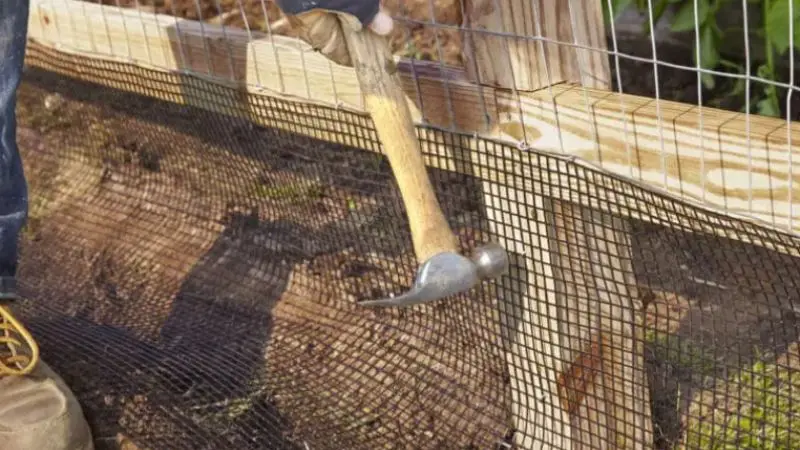
It is hard work to construct a good and secure fence, although the procedure can be easier as long as the steps are followed. After planning, you are now ready to start converting your layout into a structure. All the steps should be completed to make the fence stable and secure.
A strong fence will help create a secure outdoor area where your pets can move about without fear of running away. This is particularly crucial in establishing a dog-friendly chicken wire fence in the backyard. To build a strong enclosure, it is as follows:
Step 1: Mark the Fence Perimeter
The first step is to clearly identify the entire perimeter of your fence. Trace the outline of the fence installation with the help of a string, chalk, or spray paint. Ensure that the shape fits your intended design and comprises the corners and edges. This helps you visualize the final structure prior to excavation.
Marking is extremely essential in learning how to construct a chicken wire fence to keep dogs in, as it guides one to keep everything in line when constructing the fence. As well, a clearly defined perimeter will minimize errors and assist you in posting in the right locations. This action forms the basis of an uninterrupted construction process and the design of a clean and orderly fence.
Step 2: Install Fence Posts Securely
After marking the layout, begin to install the posts of the fence at a regular spacing. Make holes in the ground to hold the posts steady, and then secure them in place. Depending on your budget and strength needs, you can use wood or metal posts. Use soil or concrete to fill the holes in order to support them.
The best chicken wire fence in yard spaces requires strong posts to maintain the fence. They stabilize the entire structure and prevent it from leaning or falling over time. Proper installation will also keep the fence stationary even when pets push or lean against it, particularly in active outdoor settings.
Step 3: Unroll and Position the Chicken Wire
Once the posts are in place, unravel the chicken wire across the fence. Stretch it carefully to the length of the expansion without any sagging or twisting. Hold the mesh near the ground and parallel to the posts to cover more and be stable.
This is necessary when making a DIY chicken wire fence to enclose a dog because the correct placement gives complete protection. The wire must be evenly distributed and smooth to prevent weak points. The time taken in this step can help you create a cleaner, more durable fence that can help ensure the safety of pets over the long term.
Step 4: Attach the Wire to the Posts
It is now time to start the task of affixing the chicken wire to each post with staples, zip ties, or fence clips. Begin at one end and roll slowly to ensure that the wire is straight. Ensure that all areas are well fastened without any loose parts.
The step contributes significantly to the establishment of a safe chicken wire fence with small dogs in the backyard areas. Strong fastening does not allow the dogs to get any gaps and push through. An adequately attached fence enhances durability and allows the construction to withstand the weather and the daily activity of pets without damage.
Step 5: Secure the Bottom of the Fence
Another area that is of great importance is the bottom of the fence, as dogs can attempt to dig under the fence. Install the bottom of the chicken wire into the ground, or stake it or soil it. This assists in preventing escape routes and holds the fence in place.
This is an easy and efficient way to have a dog and a pet-friendly, cheap chicken wire fence. By stiffening the foundations, additional safety is obtained at no additional expense. It makes the whole structure stable and minimizes the risks of pets discovering the weak spots on the base.
Step 6: Test the Fence for Safety
After the fence is installed, test it carefully by checking all sides of the fence, whether it is open or not. Circle the whole perimeter and push on various parts to make sure that everything is in place. Make adjustments where needed to improve stability.
The last check is that your dog fence is completed and that your chicken wire fence is ready to be used. The testing is done to confirm that there are no weak points that may enable pets to escape. An adequately inspected fence will provide you with peace of mind and ensure your dogs have a safe outdoor play area to enjoy.
How to Make a Chicken Wire Fence Stronger for Dogs (Step-by-Step)
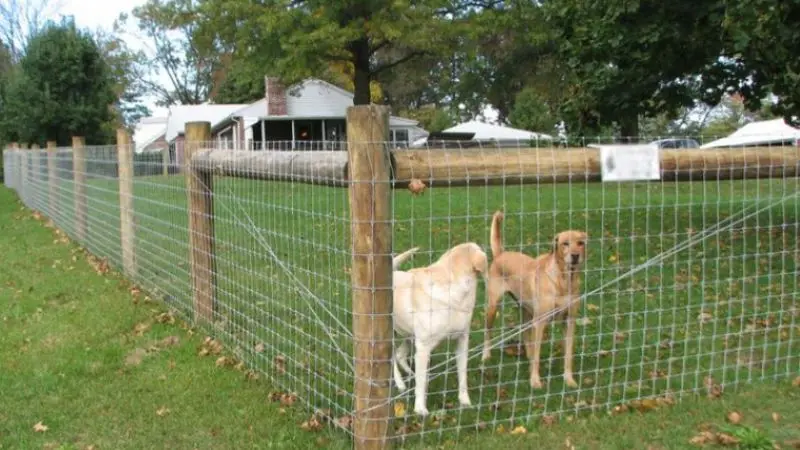
Once you have constructed a small fence, it is worth reinforcing it so that it is more durable and will protect your dogs. A weak fence may bend, loosen, or break with time, particularly when the dogs push or jump, or attempt to dig under it. You can enhance durability and safety without a complete restructure by just taking some basic strengthening measures.
The steps are particularly applicable whenever upgrading a chicken wire fence to use with dogs or upgrading a homemade chicken wire fence to a dog enclosure in your backyard.
Step 1: Upgrade to Heavy-Duty or Galvanized Chicken Wire
Begin by examining the kind of chicken wire employed in your fence. When thin or of poor quality, then use heavy-duty or galvanized wire. The type is more robust, resists rusting, and can withstand the pressure of dogs in a much better way.
One of the best upgrades to a chicken wire fence to keep dogs in the yard is to use a stronger material, as this will minimize damage and also enhance its longevity. A solid wire foundation makes sure that your fence is sturdy, even during heavy weather and other day-to-day activities.
Step 2: Build or Add a Strong Frame
Then, place a wooden or metal frame on your fence where none is present. Fix the chicken wire to the frame in such a way that it remains taut and firm. Wooden frames are simpler to construct, and metal frames are more durable.
To design a safe chicken wire fence around a backyard of small dogs, it is necessary to have a proper frame. It also provides structure to the fence and eliminates sagging or movement with time, which makes the whole setup more stable and reliable.
Step 3: Reinforce Corners and Connection Points
Next, consider corners and joints, the weakest of all fences. Attach more wire, strong clips, or brackets to place these areas appropriately. Ensure that all is firmly fastened, without any looseness.
This is a crucial step in enhancing a dog-friendly chicken wire fence, since high-strength corners ensure the entire frame is balanced. When learning to construct a dog-proof fence made of chicken wire, it is considered best to strengthen weak areas to be strong in the long term and not easily destroyed.
Step 4: Secure the Bottom to Stop Digging
Lastly, guard the lower portion of the fence to prevent dogs from digging under the fence. The chicken wire can be buried a few inches into the ground or fastened by stones, stakes, or extra mesh laid flat on the bottom.
This is a necessary factor in any inexpensive dog and pet fence using chicken wire, since it only increases the strength without raising the price. A bottom is secured to enhance safety and create a more trustworthy DIY chicken wire fence to enclose your dogs so that they are not going to escape into the yard.
Common Problems with Chicken Wire Dog Fences
Even a good fence may have issues over time, particularly when it is subjected to active pets and changes in weather conditions. Knowledge of these issues can assist you in having a safer and more durable structure. Small repairs can be made by checking and doing minor repairs to avoid bigger repairs in the future.
There are difficulties that one may encounter when dealing with a doggy fence made of chicken wire. These issues are typical of most backyard fences, particularly a DIY dog enclosure using chicken wire, where simple materials are employed. The commonest problems and their impacts on your fence are listed below.
Problem 1: Dogs Chewing Through the Wire
Other dogs attempt to chew or bite the chicken wire, particularly when bored or nervous. Small gaps in the fence can be easily formed by the pressure on the thin wire, which can bend and break easily. In the long run, such points of weakness may turn into escape routes.
This can be a frequent problem with a dog chicken wire fence, particularly when lighter materials are employed. In order to minimize this issue, a more robust mesh is required. To achieve the best chicken wire fence, many owners change to heavier wire, which is used in keeping dogs within the yard areas where they spend a lot of time. The damage of chewing tends to be minor at first, which is why it is necessary to check it regularly.
Problem 2: Dogs Jumping Over the Fence
Active or large dogs may try to jump over low fences. When the height is not appropriate to the size and energy level of your dog, the fence will be useless. A powerful fence is no match for a determined dog that can easily jump over it.
The problem tends to emerge in the event that the design behind the construction is not designed correctly in a how to build a chicken wire fence for dogs project. To ensure a secure small-dog chicken wire fence in the backyard, it is important to select the appropriate height, although a stronger fence or a taller one might be needed in the case of a larger dog. The solution to jumping problems should be found during planning, and not after installation.
Problem 3: Fence Sagging Over Time
Unless well stretched or supported, chicken wire may loosen or even sag away. This can be caused by weather variations, pet pressure, and poor installation. Sagging makes the fence look weak and reduces its effectiveness.
It is typical of a DIY dog enclosure using chicken wire, where it is not properly framed. In the absence of good support, the wire becomes loose, and it begins to hang between the posts. Even a well-constructed,d inexpensive dog/pet chicken wire fence can prevent this issue, with a strong post and tight fastening.
Problem 4: Rust and Weather Damage
Exposure of the wire to rain, sunlight, and moisture over time may cause rust and deterioration. When rust has begun, the metal becomes easily broken. This causes the shortening of the life of the whole fence.
Long-term problems of any dog-friendly chicken wire fence are weather damage, particularly when it is used outdoors. To minimize this issue, coated or galvanized wire should be used, which increases longevity. In any advice on how to build a chicken wire fence to keep dogs, care must be taken to ensure that the material used is weather-resistant to ensure a strong and durable structure.
Mistakes to Avoid When Building a Chicken Wire Fence for Dogs
A solid, secure fence must be constructed with keen attention to detail. Most individuals commit minor errors during installation that can lead to weak points, escape routes, or future damage. You can avoid such mistakes at the very start and build a more reliable and durable structure.
Even minor errors can affect safety when working on a dog-friendly chicken wire fence. The following is particularly typical of a DIY dog-enclosure chicken wire fence, where planning and reinforcement can be minimal. These are the most common mistakes that you should avoid.
Mistake 1: Choosing the Wrong Wire Mesh
The biggest mistake is to choose thin or low-quality chicken wire. The weak wire is easily bendable, easily broken under pressure,e or easily rusted due to exposure to the weather. This compromises the safety and stability of the whole fence.
The appropriate material should be selected for a chicken-wire fence to contain dogs in a yard. Galvanized or heavy-duty mesh is much more suitable in the long term. When learning how to construct a dog fence using chicken wire, choosing the right wire is one of the most crucial parts of the process, as it concerns safety and stability.
Mistake 2: Building a Fence That Is Too Short
Active or medium-sized dogs can easily jump over a fence that is too low. The fact that their pets can climb or jump is often underestimated by many and causes them to escape commonly. The height must be appropriate to the dog’s size and energy level.
This error commonly diminishes the usefulness of a secure chicken wire fence for tiny dogs in the backyard. Small dogs may also have the power to climb or squeeze through low barriers. To make sure that your dog’s chicken wire fence is the right height, it is necessary to plan the proper height so that the dogs do not have a chance to escape.
Mistake 3: Leaving Gaps Under the Fence
Making room at the bottom of the fence is a common problem that allows dogs to dig or squeeze under. The smallest of gaps may serve as a way out in the long run, particularly to inquisitive or active pets. This compromises the whole structure.
This is a common issue with low-end dog and pet dog fences that use cheap dog wire, and the emphasis is not on ornamentation. The correct DIY chicken wire fence to enclose dogs must always have a solid bottom edge, either buried in the ground or attached with posts to prevent digging habits.
Mistake 4: Not Reinforcing Corners and Gates
The corners and gates are high-stress zones that require additional support. Failure to reinforce them properly can make the fence loose, unstable, or prone to pulling away in the long run. Such weak points usually collapse under pressure.
This problem may occur on any dog fence made of chicken wire, particularly when constructing one without planning. These points are critical in learning how to construct a chicken wire fence for dogs, as the main strengthening points are the corners and gates, which help maintain the fence’s overall shape and safety over long-term use.
Wrap-Up
Designing a good and effective dog fence involves planning, appropriate materials, and installation. An effective DIY dog enclosure with a chicken-wire fence can provide your pets with a safe outdoor space to play and help protect them. With a solid wire, a solid base, and solidifying where the structure is weak, you create a strong structure that will last long. Safety and durability are also enhanced by avoiding typical errors. Whether you are constructing a new fence or fixing an old one, a well-structured, dog-friendly chicken wire fence provides a bit of peace of mind and a secure environment that your pets will enjoy spending their days in.
FAQs
Can dogs be safe under a chicken wire fence?
Small and medium dogs can be safe with a chicken wire fence, provided that it is installed properly. A good mesh and support will form a good barrier that does not allow pets to escape and keeps them safe in the yard.
What is the life span of a chicken wire dog fence?
The life of a chicken wire fence may take years, depending on the quality of the materials used and the weather. Galvanized wire will last longer and will resist rust, particularly when the fence is well-maintained and regularly checked.
Can big dogs break through chicken wire fences?
Yes, huge or powerful dogs can tear thin chicken wire fences. To be even safer, one should use heavy-duty wire, heavy posts, and reinforcement to make the outdoor enclosure more long-lasting and secure.
Do I have to bury chicken wire at the bottom?
Yes, covering the bottom with soil or rocks will keep dogs buried under the fence. This measure plays a crucial role in maintaining the structure and preventing the active pets from escaping.
What is the best height for a dog fence?
The most appropriate height is determined by the size and behavior of your dog. Smaller dogs require low fences, whereas active or jumping dogs should have higher fences, so that they do not get a chance to climb or run.