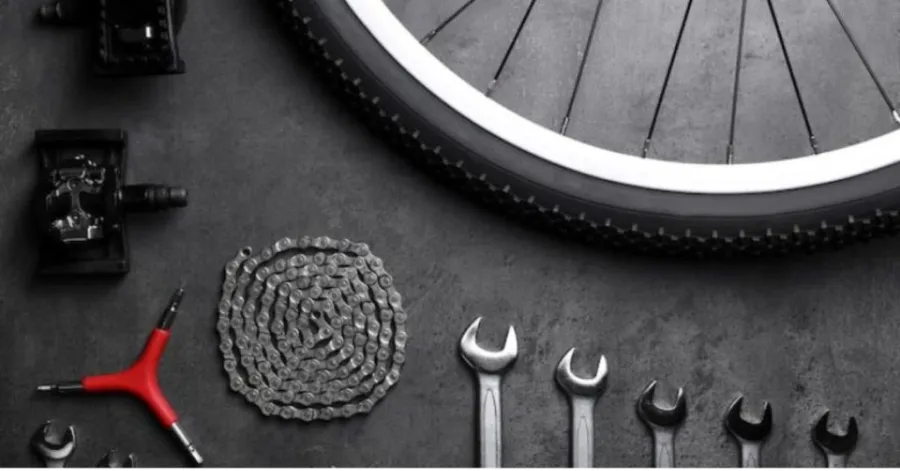
Choosing the right bike repair tool kit isn’t just about having a box of wrenches—it’s about finding the perfect setup for your bike, your riding style, and how hands-on you want to be. Whether you’re a casual rider who needs a simple kit for quick fixes or someone who enjoys doing more in-depth maintenance at home, the right tools can keep your bike performing its best.
Before you pick out a kit, take a moment to think about your needs:
- What kind of bike do you have?
- What tools do you already use most?
- What repairs do you want to learn?
Take a minute to consider your needs before picking a bike repair tool kit.
Assess Your Bike and Needs
Bike Type and Components
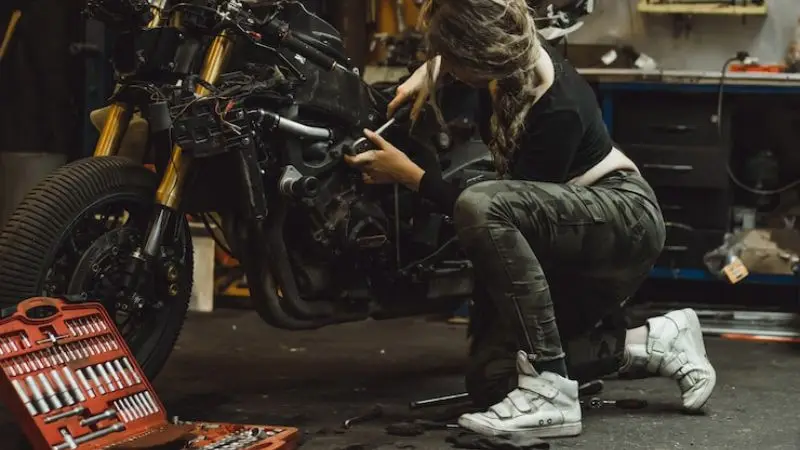
Start by looking at your bike. Is it a road bike, a mountain bike, a hybrid, or perhaps an e-bike? Each type has its parts and needs. For example, a mountain bike often has wider tires and a suspension system. A road bike typically features skinny tires and a lightweight frame.
E-bikes have extra electrical parts. You want to know what makes your motorcycle special. Check the brakes, gears, and wheels for proper functioning. Write down the brands and sizes if you can. This helps you pick the right tools for your bike.
Riding and Repair Habits
Consider how you utilise your bike. Do you ride every day or just on weekends? Do you go on long trips or stick to short rides? If you ride frequently, you may need additional tools for regular maintenance checks. If you only ride occasionally, a small kit might be sufficient. Your habits shape your toolkit.
- Daily riders: Need more tools for quick fixes.
- Weekend riders: Can use a basic kit.
- Adventurers should carry a portable emergency kit.
Skill Level
Be honest about your skills. Are you new to bicycle repair? Or do you like to fix things yourself? If you are a beginner, start with a simple bicycle repair tool kit. Learn how to use them before buying more. If you feel confident, you can add advanced tools for bigger jobs. Remember, you can always grow your kit as you learn.
Bike Tool Essentials

Fundamental Tools for Routine Maintenance
You need the right tools to keep your bike running well. Here are the essential tools you should have in your bike repair tool kit:
- Hex wrenches (Allen keys): These help you tighten or loosen bolts on your bike. Most bikes use 4mm, 5mm, and 6mm sizes.
- Tire levers: These help you remove a tire from the rim to fix a flat tire.
- Screwdrivers: Both Phillips and flathead screwdrivers help you adjust brakes and derailleurs.
- Chain tool: This tool allows you to remove or adjust your bike chain.
- Pump: You can use a floor pump at home or a mini pump on the go to maintain the correct tire pressure.
Must-Have Materials and Supplies
Besides tools, you need some supplies for maintenance. A bike maintenance tool kit helps you finish repairs and keep your bike clean.
- Spare tubes or patch kit: Always carry a spare tube or a patch kit. You never know when you will get a flat.
- Lubricant: Use bike chain lube to keep your chain running smoothly.
- Rags: Old t-shirts or towels work well for cleaning parts.
- Gloves: These keep your hands clean during repairs.
- Tire pressure gauge: This helps you check if your tires have sufficient air pressure.
Multi-Tools vs. Individual Tools
You might wonder if you should buy a multi-tool or single tools. Both have good points.
| Multi-Tools | Individual Tools | |
| Pros | Small and light, Great for emergencies, has many tools in one. | Takes up more space; Not as portable; |
| Cons | Small and light; Great for emergencies; Has many tools in one. | Small and light, great for emergencies; Has many tools in one. |
Select high-quality tools that are specifically designed for your bike. Make sure your tools match the bolts and parts on your bike. Good tools last longer and make repairs easier.
Speciality Tools and Advanced Needs
Tools for Specific Bike Types
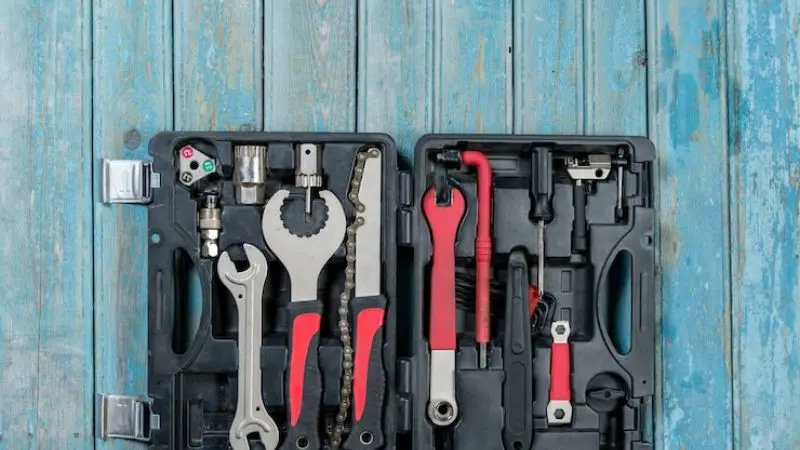
Not every bike uses the same parts. Some bikes need special tools. If you ride a mountain bike, you may need a shock pump for the suspension. Road bikes often use thin tires, so you might want a tire seating tool. Also, you need to learn how to use the bike repair tool kit.
E-bikes have electrical components, so you may need a torque wrench to prevent damaging the bolts. A bike repair stand helps you work on your bike at a comfortable height. This stand keeps your bike steady, allowing you to spin the wheels or move the pedals with both hands free.
Tools for Upgrades and Repairs
When you want to upgrade your bike or do a bigger repair, you need more than just the basics. Some jobs require specialised bike tools for brakes or drivetrains. You can use a stand to hold your bike steady while you work on these repairs. Here’s a quick table of specialty tools and what they do:
| Tool | Use |
| Cassette tool | Change the rear gears |
| Chain whip | Hold the cassette in place |
| Pedal wrench | Remove or install pedals |
| Cable cutter | Cut brake or gear cables |
| Torque wrench | Tighten bolts safely |
When to Use Specialty Tools
You do not need specialty tools for every job. Use them when you want to perform a major upgrade or a complex repair. If you plan to swap out your drivetrain or adjust your brakes, you will need the right bike tools for brakes and essential bike repair tools for drivetrains.
A stand makes these jobs much easier. If you only do simple fixes, you can skip most specialty tools. But if you want to learn new skills, adding a few special tools to your kit can help you take care of your bike like a pro.
Match Tools to Bike
Create a Checklist
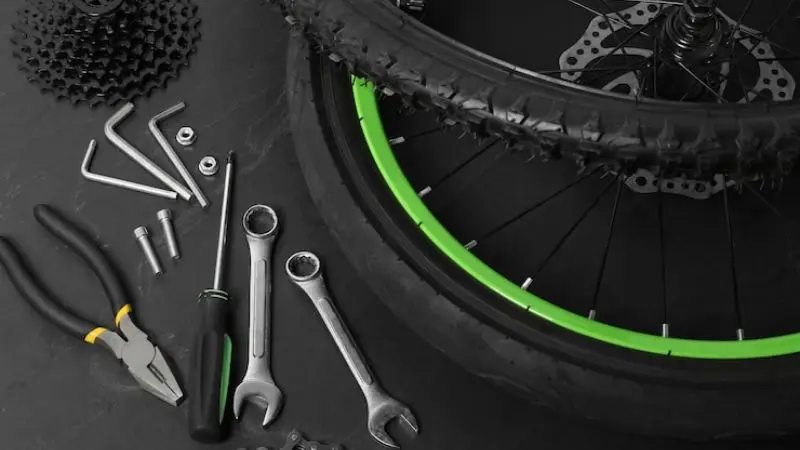
You want to make sure you have the right tools for your bike. A checklist helps you stay organised and ready for any repair. Start by writing down the most common problems you face. Next, list the necessary tools for each issue. Here’s a simple way to build your checklist:
- Examine your bike and note its main components: tires, brakes, chain, and gears.
- Write down the tools you use for each part. For example, you need tire levers for tires and hex wrenches for bolts.
- Add any special tools for your bike. Maybe you have disc brakes or a special seat post.
- Check off each tool as you add it to your kit.
Cross-Reference with Components
Not every bike uses the same parts. You need to match your tools to your bike’s components. Look at your tires, brakes, and gears. Find out the size of your tires and the type of valve they use. Some bikes need a special chain tool or cassette tool.
Look at your brake system. If you have disc brakes, you may need a torque wrench. Write down the brand and model of your main parts. This helps you to create the best bike repair tool kit for beginners. Here’s a quick table to help you cross-reference:
| Bike Part | What to Check | Tool Needed |
| Tire | Size, valve type | Pump, tire levers |
| Chain | Width, speed | Chain tool |
| Brakes | Type (rim/disc) | Hex wrench, torque wrench |
| Cassette | Brand, model | Cassette tool, chain whip |
Avoid Redundant Tools
You don’t want to carry extra weight or spend money on tools you never use. Review your checklist to see if you have tools that perform the same function. For example, some multi-tools have several hex wrenches. If you already have a good set at home, you don’t need to buy more.
Ask yourself these questions:
- Do I have two tools for the same repair?
- Can one tool do more than one job?
- Is this tool the right size for my bike?
Keep your kit simple. Only pack what you need for your bike and your usual rides.
Organise Your Bike Repair Tool Kit
Storage and Portability
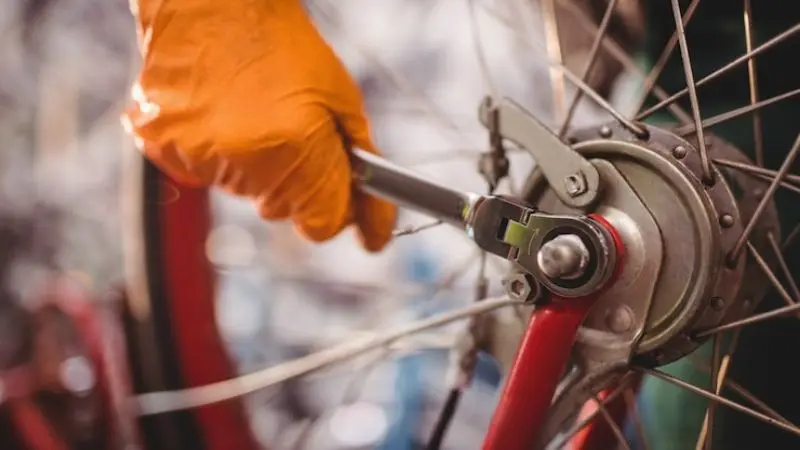
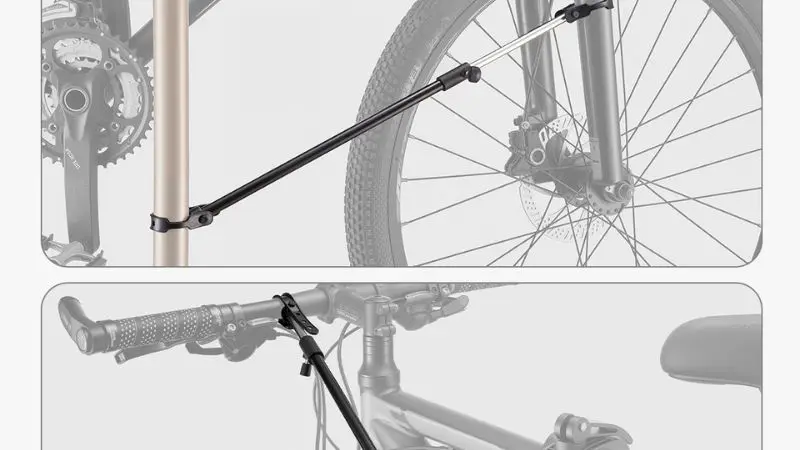
You want your tools ready when you need them. At home, use a toolbox or a small cabinet to keep everything in one place. Hang your most frequently used tools on a pegboard. This makes it easy to grab what you need. If you work on your bike often, a bike repair stand is beneficial.
The stand holds your bike steady while you do maintenance or repairs. For rides, pack a small bag with your must-have tools for a bike repair toolkit. Choose a saddlebag or a frame bag that fits under your seat or on your bike frame. Keep your kit light so you do not carry extra weight.
Tracking Specs and Tool Sizes
Every bike has its parts and sizes. Write down your tire size, valve type, and the size of bolts on your bike. Keep this list in your toolbox or on your phone. When you buy new tools or parts, check your list first. This helps you pick the right tool every time. You can also make a simple table like this:
| Part | Size/Type | Tool Needed |
| Tire | 700x25c | Tire levers |
| Valve | Presta | Pump |
| Bolts | 5mm, 6mm | Hex wrenches |
Updating Your Kit
Your bike and your skills can change. Review your kit every few months. Take out the tools you never use. Add new tools if you start doing more repairs or upgrades. If you get a new bike, check if you need different tools. Clean your tools after each use. Wipe off dirt and oil. Store them in a dry location to prolong their lifespan. If you use a stand, check that it still holds your bike steady. A good stand makes maintenance easier and safer.
To Conclude
You now have the tools to create a customised bike repair kit that meets your specific needs. Use the steps and checklists to pick what works best for you. Your kit can change as you learn new skills or get a different bike. Keep your tools organised and up to date. This makes fixing your bike easier and helps you enjoy every ride.
FAQ
1. What tools should I always carry on a ride?
You should always bring a multi-tool, tire levers, a spare tube or patch kit, and a mini pump. These tools help you fix most problems you might face during a ride.
2. How do I determine if a tool is compatible with my bike?
Check your bike’s manual or look at the parts for size markings. Write down bolt sizes and valve types. Bring this info when you shop for tools. It helps you pick the right ones.
3. Can I use regular tools from my toolbox?
You can use standard tools, such as screwdrivers or pliers. Bike-specific tools, such as chain tools or tire levers, are more effective for most repairs. They fit your bike’s parts, making the job easier.
4. How often should I update my toolkit?
Review your kit every few months. Add new tools if you upgrade your bike or learn new repairs. Take out the tools you never use. Clean and inspect your tools to ensure they last longer.