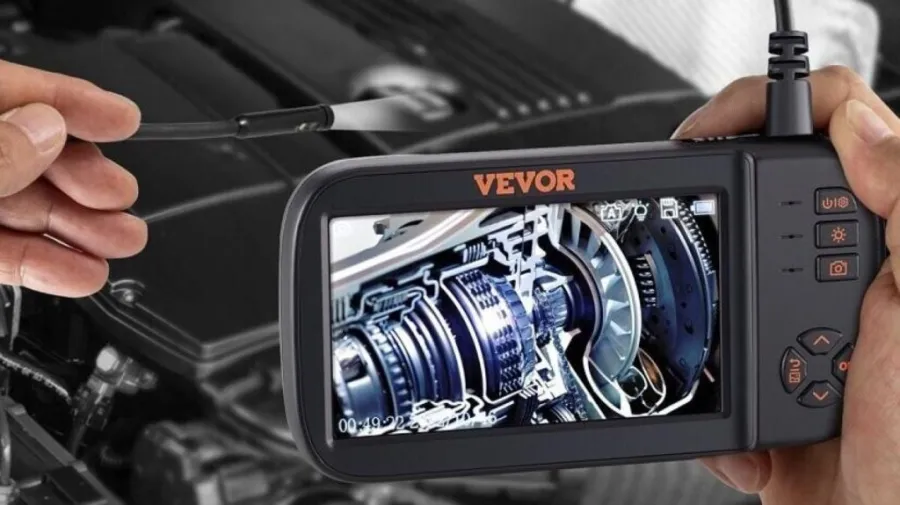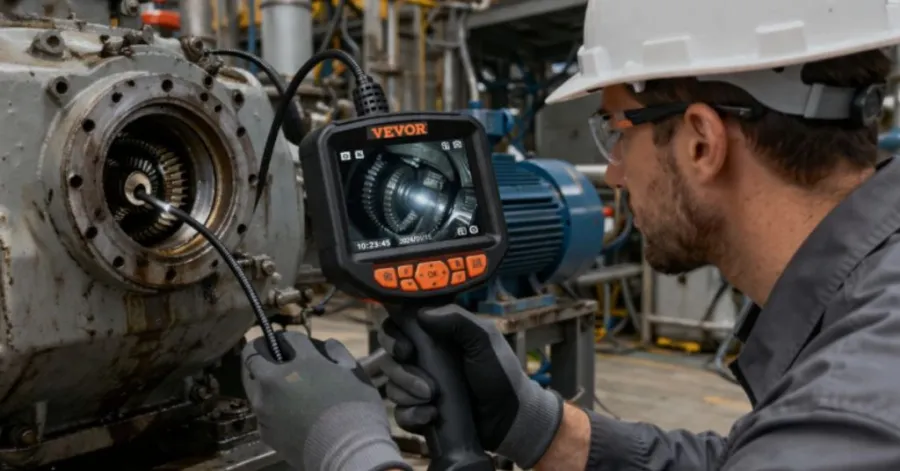
An engine borescope lets you inspect internal engine parts without disassembling the engine. It uses a narrow probe with a small camera and LED light to show live images through a suitable opening, such as a spark plug hole. If you’re wondering what an engine borescope is, it is an instrument that helps you find visible problems such as carbon buildup, cylinder scratches, and piston damage. These images help you assess the engine’s condition before deciding on further testing or repairs. Whether you’re doing routine maintenance or troubleshooting, a borescope makes internal inspections easier and helps avoid unnecessary engine dismantling.
What Is an Engine Borescope?
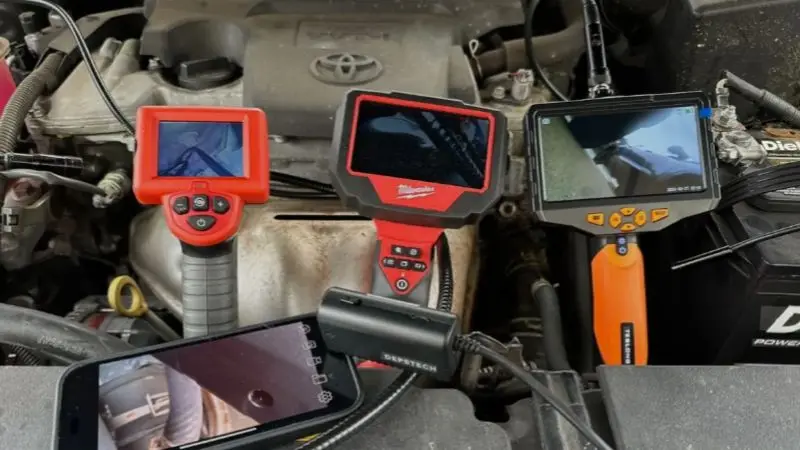
An engine borescope is a long, thin inspection tool with a small camera at the tip. It reaches places that are hard to see with the naked eye. Through openings like spark plug holes or adequate sensor connections, the flexible probe can pass. Once inside, the live images will be sent to a screen so that you can study internal engine parts without taking the engine apart.
Recommended For Your Project
If you are wondering what an engine borescope is, consider it a small camera constructed for internal inspections. Mechanics use it to monitor damage, carbon deposits, and wear. Car owners can also use one to assess whether pistons and cylinder walls need further testing before deciding.
How Does an Engine Borescope Work as an Inspection Tool?
Understanding how engine borescope work helps us figure out why this tool is important to diagnostics of engines. You push the probe through a suitable opening and guide it into the area you want to inspect. While LED lights illuminate dark areas, the camera captures images at the tip. Then the display shows the live view.
An engine borescope works well in areas that are hard to reach for standard inspection. Depending on probe and access point design, you can inspect cylinder walls, piston tops, valves, and other internal components. The inspection camera can reveal carbon, scratches, tears, or burnt areas. The findings will enable you to determine what kind of repair or diagnosis should be done as a next step. However, before the inspection, you must properly prepare the engine to prevent damage and ensure accurate results.
Main Parts of an Engine Borescope
In principle, the engine borescope consists of four main parts: the insertion tube, the camera, the light source, and the display. The insertion tube guides the camera into tight spaces. The camera captures images, and a built-in LED lights the area. There’s a live view on the display. Some models connect wirelessly to phones or tablets instead of using the built-in screen.
Other advanced models include an articulation tip that lets you adjust the camera direction with the control handle. This makes it easier to inspect certain areas within an engine, and an automobile borescope inspection camera may also capture photos and videos. These features can be used to store images, compare inspection results and share findings with a mechanic. Choosing the right probe length, camera resolution, and viewing angle can make inspections easier.
What Can You See With an Engine Borescope?
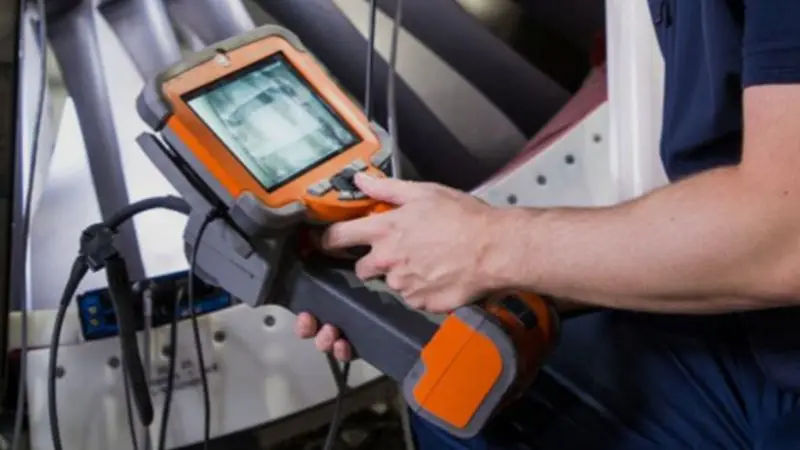
An engine borescope will help you investigate internal components without removing the whole engine. Depending on the access point, you can see cylinder walls, the piston crowns, valves and the combustion chamber. The camera can reveal carbon deposits, scratches, cracks, unusual discoloration, and other visible signs of wear.
The quality of results depends on camera resolution, illumination, probe flexibility, and viewing angle. Some models give clearer images, so that tight spaces can be investigated. However, a borescope cannot identify every motor problem or confirm the cause of visible damage itself. You may require compression tests, leakage down tests, or other diagnostic tests to evaluate the severity of a fault and determine the correct repair.
How Does an Engine Borescope Work?
An engine borescope lets you inspect internal engine parts without disassembling the engine. However, getting useful results depends on using the tool correctly. Take these steps to prepare the engine, check internal components, and examine your findings.
Step 1: Insert the Borescope Probe Into the Engine
Before you learn how to use an engine borescope, turn off the engine and let it fully cool. Identify an appropriate access point, such as a spark plug hole corresponding to the engine design. Remove the required component, as instructed by the manufacturer, and make sure that the opening is suitable for the probe.
Slowly and cautiously insert the probe into the opening. Never force it beyond an obstruction or to push internal components. See if the probe fits correctly before it goes further. Carefully apply it to protect your camera from damage caused by engine parts. Always follow the safety instructions provided by the vehicle manufacturer and the borescope.
Step 2: Use the Camera and Light to View Internal Parts
Once you place the probe, switch on the borescope and set the LED brightness. The camera captures images and sends them to the display, letting you inspect the engine’s internal surfaces. Move the probe slowly to see the area from different angles without pressing on an element.
Good illumination reveals small details, but excessive brightness can cause glare on metal surfaces. Adjust the position of the light and the cameras until you get a clear picture. If your borescope has an articulating tip, use its controls to change the viewing direction. Take the time to make sure that you don’t miss any wear or damage.
Step 3: Check Images for Engine Damage or Wear
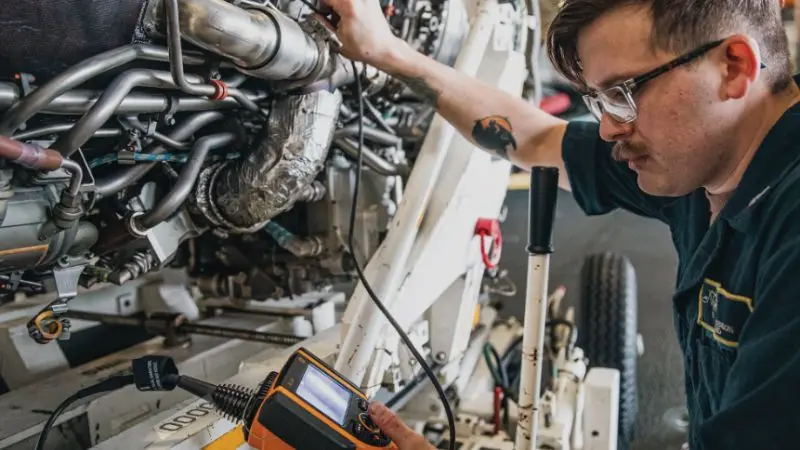
Once you have a clear view of it, check the images for damage and unusual wear. Engine problems may be associated with cracks on cylinder walls, heavy carbon deposits, and damaged pistons. Compare, where possible, similar areas to detect unusual differences.
Knowing how to inspect an engine with a borescope also means understanding the limits of the images. Dirt, oil, shadow and camera angles may influence what you see. The mark may not always include serious damage, and certain defects may not be visible at all. Record suspicious areas and employ additional diagnostics as necessary, and a compression test or leak-down test can help check some engine issues.
Step 4: Save Images and Review Inspection Results
You can take photos and record inspection images with plenty of video borescopes. Save clear images from locations where damage can be caused, unusual deposits or signs of wear. These records help you compare future inspection results and monitor changes over time.
After completion of the inspection, remove the probe carefully and reinstall all components according to manufacturer instructions. Please take a look at the image in storage and print critical files showing the date of inspection and the engine area tested. If you see serious damage, you should share your images with an experienced mechanic. The results may help you to run additional tests before deciding what repairs will be required.
What Are the Different Types of Engine Borescopes?
Engine borescopes come in multiple designs, and each type provides various advantages. While others can curve or move to hidden areas, some give a stable view through a straight exit. Understanding these differences helps you choose a tool that meets your engine’s and inspection requirements.
Rigid Engine Borescopes
A rigid engine borescope has a straight, solid inspection tube, which keeps its shape while it’s in use. This design offers a stable view of areas on a relatively straight path. It might be advisable to check for particular internal components, given that the point of access and angle of sight permit the probe to reach them safely.
But a rigid probe cannot be flexed around obstacles, and its use in complex engine spaces can be restricted. Before choosing this type, check the available space, probe length, and direction of sight. A rigid model can work well for simple inspections but may not be flexible enough for areas that are hidden behind other components.
Flexible Engine Borescopes
The engine borescope offers a flexible, bendable probe, which can cross small openings and follow smooth curves. This design makes it easier to get across areas where a straight probe doesn’t have access. It is a practical choice for many automobile inspections, especially when internal components limit camera movement.
Flexible probes are found in various lengths and diameters. While the longer probe can go deeper into the assembly, the thinner probe can fit smaller openings. Flexibility in itself does not, however, provide a clear view. Before choosing a model for regular engine inspections, check the chamber resolution, illumination, probe durability, and minimum bend radius.
Articulating Engine Borescopes
An articulating engine borescope has a camera tip that can be moved in various directions using controls on the handle. With this feature, you can look at surfaces that can be hidden at a fixed camera angle. In particular, it may be helpful to inspect complex interior spaces through limited access points.
Unlike a simple flexible probe, you can take more direct control over the camera’s viewing direction with an articulating model. You can examine different surfaces without multiple moves of the entire probe. These models can cost more than easier options, so think about the opportunity to check often hard-to-reach components. Check the articulation range, the probe diameter, the image quality, and control response before you purchase it.
Video Engine Borescopes
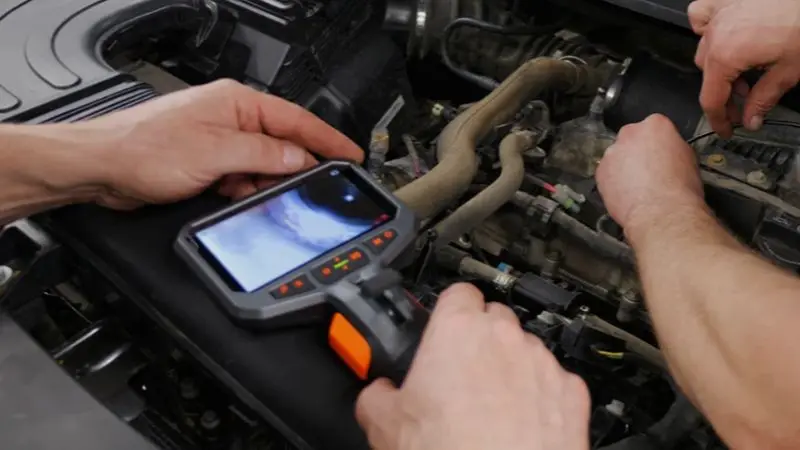
A video engine borescope captures live images and shows them on an integrated screen or device. This makes it easier to see the camera through an engine while the probe is fed in. Many models also support recording photos and video footage, so you can store results for the next review.
Screen size, camera resolution, LED brightness, probe length, and recording options are important when comparing models. Some devices also offer additional options, including multiple cameras or image sound, to help you examine different surfaces. An appropriate video borescope must give you a clear view of the areas to inspect. Select features that are based on your engine type, access requirements, and budget instead of paying for options you rarely use.
What Is an Engine Borescope Used For?
An engine borescope helps check an internal engine component without tearing off the motor. It may detect wear, deposits, and damage that may not show visible signs and may be hard to detect during standard testing. Understanding why you will use a borescope for engine inspections helps you see its value in routine maintenance and problem-solving. These are some common ways in which the tool is used by mechanics and maintenance teams.
Inspecting Engine Cylinders and Pistons
An engine borescope allows you to test the cylinder head for top walls and pistons without removing them. The insertion of your camera at a suitable access point will allow you to search for scoring, scratches, unusual deposits, and indications of overheating. Such findings can help to explain problems like bad engine performance, excessive oil consumption, or unusual engine activity.
You can use your camera to see several parts of a cylinder by adjusting the position of the probe. However, visual inspection cannot measure the wear of a cylinder or correct an internal failure. If you notice suspicious marks, further tests may be necessary in order to determine their causes and decide whether repairs are required.
Checking Valves and Combustion Chambers
Valves and combustion chambers can cause carbon deposits and surface damage affecting engine performance. A borescope lets you examine these areas via a suitable access point without removing important engine components. Depending on the camera’s viewing angle, you may see carbon buildup, burned-looking surfaces, and other visible signs of wear.
These images will help you decide whether extra testing is necessary. Heavy deposits or unusual markings may indicate problems in engine combustion or operation. But they do not in themselves prove a specific error. Compare the images to the symptoms of the engine and other diagnostic results. This approach provides insight into what may happen inside the engine before planning for further tests or maintenance.
Finding Cracks, Carbon Deposits, and Other Damage
An engine borescope may detect visible cracks, carbon deposits, scratches, and damaged surfaces inside an engine. Without dismantling the assembly, these problems could be difficult to detect. A close-up of the camera helps you to inform yourself of the status of internal components and to decide what you will examine.
But not all signs suggest a serious error. Oil, dirt, reflections, and shadows may cause surfaces to look damaged when they are not. Slowly move the camera and, whenever possible, capture transparent images at various angles. If you notice a suspicious area, run further diagnostic tests or consult a qualified mechanic to confirm the issue before deciding on a repair.
Inspecting Aircraft and Automotive Engines
Engine borescopes are used for vehicle and aviation maintenance in connection with the inspection of hard-to-reach internal components. Through appropriate access points in vehicles, technicians can inspect cylinders, pistons, valves, and furnaces. This may reduce the need for unnecessary disassembly while solving problems and performing routine maintenance.
Aircraft maintenance teams also use borescopes to investigate accessible internal engine areas and identify potential damage or wear. Aircraft inspections, however, require strict compliance with the approved procedures, maintenance reports, and engine manufacturer requirements. Adequately trained personnel should carry out and interpret visual inspections. The correct procedure depends on the design of the engine, the purpose of the inspection, and the applicable safety requirements.
Performing Preventive Engine Maintenance
Routine borescope inspections can help you track the condition of internal engine components over time. You can compare current results with previous results by storing images during planned maintenance. Changes in deposits, surface marks, and visual wear may indicate the need for further investigation.
A borescope also helps technicians decide if they should undertake additional tests or maintenance. However, it does not replace scheduled maintenance, fluid verification, or other diagnostic procedures. Instead, it provides visual evidence supporting the decision-making process concerning maintenance. The organization of inspection files makes it easier to follow changes and discuss concerns with a mechanic. If a visual examination can not explain a single motor problem, follow the recommended maintenance schedule and use other tests.
How to Use an Engine Borescope Safely
Proper use of an engine borescope is used to capture helpful images and protect the engine and surveillance equipment. Before you start, check the instructions for the equipment and identify a suitable access point. The following safety practices may help you to perform your inspection in a thorough manner and avoid frequent errors.
Make Sure the Engine Is Off and Cool
Before you learn to use an engine borescope safely, turn off your engine and let it become totally cool. While the movable parts create significant risks, the elements of a hot engine can cause burns. Never put a probe in a working engine unless this is required by a specific approved procedure and it is done by qualified personnel.
Follow the instructions for engine preparation and access to the inspection area that are laid down by the vehicle manufacturer. Make sure your ignition is disabled if it is necessary for the service process. The applicable safety standards and maintenance documentation apply when inspecting an aircraft or industrial engine. A suitable preparation reduces injury risk and helps to protect the sensitive engine components.
Choose the Right Probe Size and Camera
Select the probe that has a readily accessible opening that can reach the area you need to examine. A short probe might not reach its objective, while a probe that is too wide may not fit safely. Before commencing the inspection, check the diameter, length, flexibility, and angle of view of the probe.
Camera resolution and illumination also affect the quality of results. While adjustable LED lighting helps you see inside dark spaces, a higher-resolution camera can help you test small surface details. If you have to look at surfaces around corners, the articulating tip can be more useful than a fixed camera. Customise the features of the borescope to match the engine design and inspection requirements.
Insert the Probe Carefully to Avoid Damage
Slowly guide the probe towards the access opening and keep it under control. Avoid forcing through small spaces or pushing the camera point against pistons, cylinder walls, valves, or other internal components. Sudden movements could damage the probe, create scratch surfaces, or create images that are unclear and complicate the inspection process.
Keep the insertion tube within the recommended bending limit and keep your eyes on its position while you move it. If the probe remains pinned, stop and follow the manufacturer’s removal instructions instead of pulling hard. If the inspection is complete, take it off carefully. Good handling protects the engine and equipment, helps to generate clearer images, and discourages unnecessary repair costs.
Follow the Manufacturer’s Inspection Guidelines
You have specific check requirements for each engine and cylinder, so before you start, you shall read the equipment manual and documentation on the use of the engine. These instructions describe the appropriate access points, probe limitations, preparation measures, and any precautions necessary to inspect the internal components safely.
Follow the recommended procedures for image capture and interpretation of results. If you identify damage that may occur before you make a decision about repairs, please contact the corresponding service instructions or qualified equipment. This is particularly important for aircraft and other engines for which approved inspection procedures are necessary. Proper methods help you to secure reliable information, prevent unnecessary disassembly, and make maintenance decisions based on evidence instead of guesswork.
Wrap Up
An engine borescope helps inspect accessible internal engine surfaces with less disassembly. Shut down and secure the engine according to the applicable service procedure before inserting the probe. It uses a small camera, LED lighting, an insertion tube, and a display to show live images via an appropriate access point. You can select rigid, flexible, video, and articulation models if necessary. These tools are useful for inspecting engines of automobiles, aircraft, marine, and industrial equipment.
Knowing why makes using a borescope for engine inspection mean saving time, reducing unnecessary dismantling, and spotting visible signs of damage or wear. Clear images help mechanics make better-informed maintenance choices instead of guessing. Though a Borescope can’t detect engine errors, it provides valuable visual information that can accompany further tests and enable more effective inspections.
FAQs
Compare the best borescopes for car piston and cylinder inspection – which are highly rated in France?
For piston and cylinder inspection, select a borescope with a small camera, adjustable LED light, and a clear image. In France, models with a 5.5 mm probe are useful for narrow engine openings and for identifying damage or carbon buildup.
Compromise between flexible shaft borescopes and rigid borescopes for engine inspection: What’s best for hobby mechanics in France?
Flexible borescopes are better for hobby mechanics because they navigate curved engine spaces and reach hidden components. Rigid borescopes provide stable, straight visibility, but limited motion. On a flexible model of €30/€150, most DIY inspections in France can be achieved.
Compare the best borescopes for tight engine bores versus those for broad holes. Which one to choose in France?
Choose the Teslong NTS500 with its 5.5 mm probe, which costs about 200 € for small engine bores; for greater cavities, an 8 mm dual-lens model offers a wider view and advantageous versatility at a lower price.
Which borescopes are best for motorcycle maintenance, and how do they compare in price (euros)?
Choose a slim probe borescope for small spark plug openings when servicing motorcycles. While budget USB-C inspection cameras start near €25–€40 in France, the Teslong NTS500 costs around €200. Check probe diameter before buying.
Which borescopes are best for automobile mechanics in France, and how do they compare in functions?
For around €150, the Teslong NTS300 includes Full HD capture, built-in screen capture, and a flexible probe. The Depstech WF028 costs around €55 and attaches to smartphones, which is a comfortable budget option for auto mechanics.