The hot summer weather can easily stress your garden, making it hard to keep plants, flowers, vegetables, and lawns healthy. Extreme heat may result in dry soil, wilted foliage, slowed growth, and permanent damage without proper care. The positive thing is that some easy ways of gardening can lead to a considerable change. You can make your garden bloom even on the hottest days by learning how to shield your plants against heat, water properly, shade, and keep the soil moist. This instructive guide elaborates on effective techniques for keeping garden plants alive in hot weather and for maintaining a healthy, vibrant outdoor environment throughout the summer.
- Why the Current Heatwave Is So Hard on Gardens
- Water Your Garden the Right Way During a Heatwave
- Use Shade to Protect Plants from Harsh Sunlight
- Keep Soil Cool and Moist for Healthier Plants
- Easy Ways to Help Your Garden Beat the Heat
- Quick Fixes That Give Your Garden Immediate Relief
- Heatwave Garden Care Checklist
Why the Current Heatwave Is So Hard on Gardens
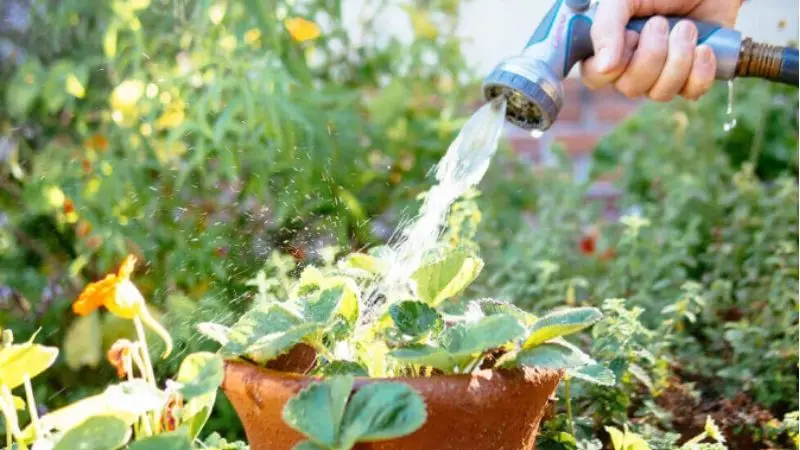
A hot climate is challenging for all kinds of gardens, be it flowers, vegetables, or shrubs. Long days with abundant sunlight and high temperatures place additional strain on plants, making it more difficult for them to remain healthy and continue growing.
It has never been more crucial to know how to keep plants alive in the midst of heat than during extreme summer seasons. Understanding how heat affects your garden will help you take simple measures early and prevent serious damage before it is too late.
How Extreme Heat Affects Plants and Soil
Extreme heat affects plant growth and survival. On hot days, plants lose water at a very high rate through their leaves. In case they fail to replenish that moisture fast, they get weak and begin exhibiting signs of stress. Growth is reduced because the plant spends most of its energy keeping itself alive rather than producing flowers, fruits, or new leaves. This is why gardeners know how to alleviate heat stress in plants before temperatures rise.
There is also a high temperature in the soil. The water vaporizes, and the ground is dry and hard. Dry soil is unable to provide sufficient water and nutrients to the roots of plants, so it is not easy for them to develop. Some of the most effective methods of ensuring that plants are not harmed by summer heat include mulch, proper watering, and other routine care of the soil, which ensures that the soil remains cooler and is able to retain water longer.
Signs Your Garden Is Struggling in Hot Weather
When plants are overheated, they normally give good warning signals. Wilting of the leaves may occur in the daytime, although the soil may not be completely dry. Also, you might find yellow or brown edges of leaves, curled leaves, wilted flowers, or fruits that are dropping before they get fully grown. In extreme situations, the whole plant can be halted until the weather is cooler.
Being vigilant to these early signs will enable you to act before it is too late. Gardeners who know how to help plants survive hot weather can easily adjust their watering schedule, provide short-term shade, and increase soil moisture. Such easy steps also assist in avoiding the drying out of plants, which have a far better chance of reviving during long heatwaves.
Why Acting Early Can Save Your Plants
When plants appear unhealthy, it is often too late, and this means that the plant has been subjected to severe stress. Acting before the hottest days will give your garden a better chance of staying healthy during the summer. Plants prepared early develop stronger roots, retain moisture, and withstand higher temperatures.
One of the most important steps is learning how to water plants during a heatwave. Watering at an early time in the morning also allows the water to penetrate the roots before the sun is scorching. Another thing gardeners ought to bear in mind is the protection from heat on potted plants, since containers dry up rapidly compared to garden beds. Taking pots into the shade or placing them in a cluster structure helps reduce evaporation and keep the plants healthier during severe heat.
Water Your Garden the Right Way During a Heatwave
When it takes several days, but the temperatures remain high, watering becomes even more significant. Heatwaves cause plants to lose moisture rapidly, and unless the appropriate watering method is used, the plants may become stressed or even die. It is important to know how and when to water your garden in order to keep it healthy even during the hottest summer season.
One of the simplest methods of saving flowers, vegetables, and shrubs is by knowing how to water the plants during a heatwave. A proper watering schedule also helps develop stronger roots and is among the most effective ways to shield plants against summer heat, particularly when it is dry for an extended period.
The Best Time to Water Plants in Extreme Heat
Early morning, before the sun is too hot,ot is the best time to water your garden. Cooler temperatures at this time will ensure that the water penetrates deep into the soil rather than evaporating easily. The plants also receive sufficient moisture to be ready for the day’s heat, enabling them to remain healthy longer. Evening watering is also an option, but it must be applied early enough to allow the leaves to dry before it gets dark. Using a hose reel makes watering easier by keeping your garden hose neat, tangle-free, and ready to use whenever needed. The right timing for watering plants during a heatwave also helps keep garden plants alive in hot weather, even when the weather remains hot for a few days.
Deep Watering vs. Light Watering: Which Works Better?
Watering is far more efficient when done deeply as opposed to sprinkling the plants daily. As water sinks deeper into the soil, roots stretch downward in search of water, thereby making plants more resistant and robust to hot weather. Shallower watering does not allow deep roots to grow, and as such, under the heat of the sun, it dries up and withers away. Deep watering also keeps the soil damp longer, so it does not require frequent watering. The technique is among the most effective to shield plants against summer heat, and it can be significant in terms of how to reduce heat stress in plants in extreme summer.
Common Watering Mistakes to Avoid During Hot Weather
Watering is another common mistake many gardeners make, causing plants to experience even more stress. When the hottest part of the afternoon is used to water the plants, it usually quickly evaporates, so not much water reaches the roots. Using less water, over-watering, or wetting leaves rather than the soil may cause problems as well. Plants should not be watered often, but watered deeply around the roots. If you use a water pump, make sure it provides a steady flow of water for thorough soaking, especially in larger gardens. These are some of the pitfalls to avoid when you are learning how to avoid drying out plants. In the case of container gardens, learning how to keep potted plants cool by watering them and checking their moisture can keep plants healthy in lengthy heatwaves.
Use Shade to Protect Plants from Harsh Sunlight
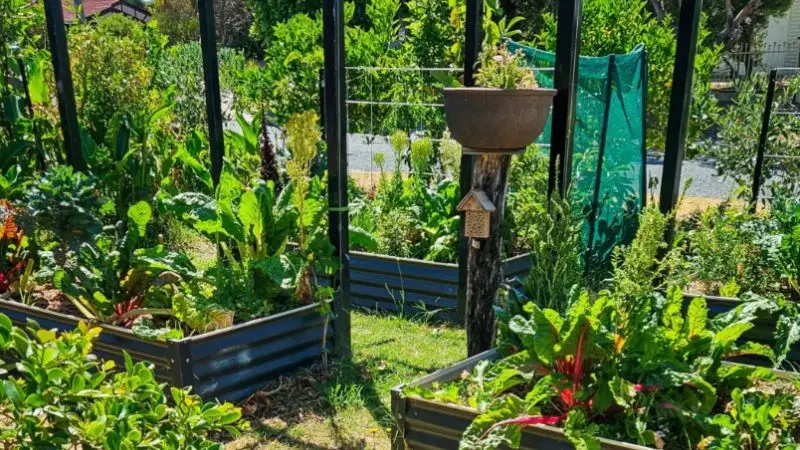
One of the biggest challenges to gardens during a heatwave is strong sunlight. Although plants require sunlight to grow, excessive exposure to sunlight may lead to leaves burning, flowers drying, and soil drying up at a very high rate. Shade in the hottest part of the day will help plants be healthier and will reduce unnecessary stress.
Protecting plants against heat involves providing relief from the harsh afternoon sun. One of the most effective ways to offer temporary shade to plants and avoid overheating in summer is to give young plants, and particularly sensitive varieties, some shade.
Which Plants Need Extra Protection During a Heatwave?
Not all plants respond to heat. Newly planted flowers, young seedlings, leafy vegetables, herbs, and most flowering plants are more susceptible to extreme heat. These are plants that have smaller root systems or tender leaves that lose moisture easily in direct sunlight. Container plants require additional care as the soil in pots becomes hot and dry much quicker than in garden beds. Knowing how to keep potted plants cool in hot weather and which plants are most susceptible will guide you in keeping the plants in the garden alive during summer.
Simple Ways to Create Shade in Your Garden
Shading need not be costly or complex. Direct sunlight during the hottest part of the day can be minimized by shade cloth, garden umbrellas, lightweight fabric covers, or even temporary wooden frames. Taller plants can also be used to provide natural shade for smaller plants when spaced out. Another easy remedy during a heatwave is to relocate potted plants to a shady area to some extent. These techniques can also be used to cool the soil, decrease water loss, and facilitate the decrease of heat stress in plants, making it easier to prevent plants from drying during extended durations of hot climatic conditions.
How Shade Products Can Help Prevent Heat Stress
Shade products are meant to protect plants without completely blocking sunlight. Shade cloth, mesh covers, and protective canopies in gardens allow air circulation and reduce the intensity of direct sunlight. This provides a cooler environment to grow in, where plants do not suffer due to overheating. The products also help the soil retain moisture longer, so frequent watering is not necessary. Shade products, when coupled with proper watering techniques, make them one of the best options to protect plants against summer heat and a good solution for anyone learning how to protect plants against heat during extreme weather.
Keep Soil Cool and Moist for Healthier Plants

The basis of a healthy garden is healthy soil, especially during periods of excessive heat. When the soil is cool and has sufficient moisture, plant roots can continue absorbing the water and nutrients they need to grow. Unless well covered, the ground dries very fast, and thus plants are less likely to survive long periods of hot weather.
One of the best methods for protecting plants against heat is to retain moisture in the soil. It also helps maintain the health of garden plants during hot seasons, keeping them stronger even when the weather is hot for several days.
Why Mulching Is Important During Extreme Heat
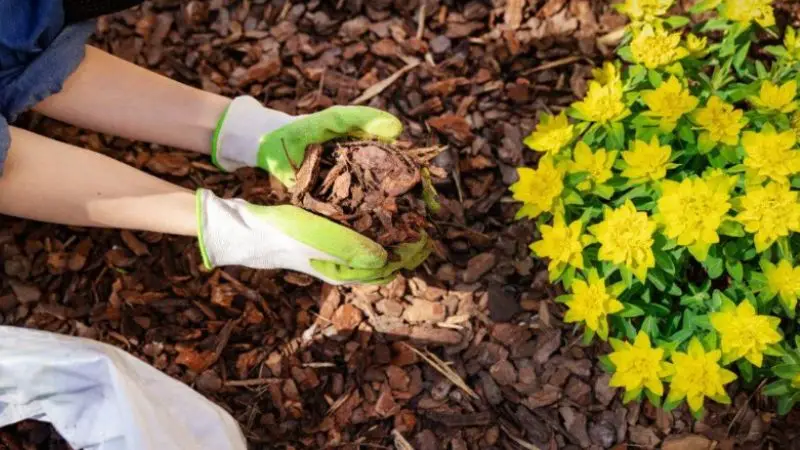
Mulch serves as a blanket for the soil. It reduces the rate of evaporation, cools the ground, and helps maintain a more constant temperature around plant roots. This additional layer also suppresses weed growth, preventing unwanted plants from competing for precious water in times of scarcity. Organic mulch decomposes by releasing nutrients that enhance the quality of the soil in the long run. One of the best methods of shielding plants against summer heat is applying mulch, which retains moisture where plants need it most and helps prevent them from drying out during long heatwaves.
Best Mulch Options for Summer Gardens
Mulch is available in numerous varieties for use in summer gardens. Wood chips, shredded bark, pine needles, compost, straw, and dried leaves are all great options for helping the soil stay cool. Organic mulches will naturally enhance the soil and minimize moisture loss during the season. By covering the soil with a layer but not the stems of plants, water can reach the roots of plants, but the soil is not subjected to direct sunlight. The selection of the appropriate mulch also helps in the determination of how to minimize the heat stress on the plants, to provide them with favorable growing conditions during hot summer seasons.
How Moisture-Retaining Products Help Your Garden Stay Hydrated
Hydrogels can be used to withstand high temperatures for several days. Water-absorbing crystals, moisture-control potting mixes, coconut coir, and soil conditioners are used to keep water close to the roots and reduce the need for frequent watering. These products are particularly applicable in raised beds and containers, where soil dries much more quickly than in in-ground gardens. These materials are commonly used by gardeners who want to know how to place potted plants where they will not be affected by heat and keep their plants healthier. They also, when combined with proper watering and mulching, make watering plants during a heatwave more effective, as they help the soil remain moist longer.
Easy Ways to Help Your Garden Beat the Heat
It does not necessarily mean that you have to make any significant changes to keep your garden healthy in extreme summer weather. Even some basic adjustments can turn out to be very efficient in permitting plants to remain cool, retain water, and keep growing. Even minor changes made in time tend to avert long-term harm caused by excessive heat.
By combining smart gardening habits with the right products, you can keep plants cool and your garden looking healthy all season. These approaches also help keep garden plants alive during hot weather, even for extended periods.
Reduce Heat Around Plants with Smart Garden Solutions
Providing a cooler environment for your plants will enable them to cope better with the hot weather. The simplest ways to minimize heat traps in your garden are to add mulch, use shade cloth, and provide air circulation. The potted plants should also be clustered, as this helps them conserve moisture by creating a cooler, wetter environment. Extra mulch or protective covers can be used in raised beds to reduce soil temperatures. These are some of the most effective ways to protect plants against summer heat and reduce heat stress during the hottest weeks of summer.
Use Water-Saving Products for Better Plant Care
Water-saving products are used to ensure that gardens remain hydrated and water is not wasted. Soaker hoses, drip irrigation systems, self-watering containers, moisture-retaining potting mixes, and a water storage tank all help deliver water where it is needed most. These solutions minimize evaporation and supply a consistent amount of moisture over the day. During prolonged heat waves, they come in handy, particularly when it becomes difficult to water the plants as usual. Investing in these products makes it far easier to water plants during a heatwave and helps prevent plants from drying out by keeping the soil wet longer.
Quick Fixes That Give Your Garden Immediate Relief
@diesel_2124 #VEVOR #VEVORBlackFriday #TikTokShopBlackFriday #TikTokShopCyberMonday #retractable airline hose#fyp#TikTokShopBlackFriday
♬ original sound – diesel_2124
Even when temperatures are rising rapidly, it is possible to take immediate measures to avoid permanent harm. Plant plants in partial shade, water early in the morning, and apply new mulch at the base of plants to conserve moisture. Direct afternoon sunlight can also harm delicate flowers and vegetables; this can be avoided by temporary shade covers. Even a small adjustment can enhance the well-being of plants in harsh conditions. These short-term fixes are particularly useful to gardeners who are learning how to keep potted plants cool while, at the same time, enhancing their overall approach to keeping plants cool during the summer.
Protect Your Lawn During Extreme Heat
Lawns are usually as much affected as flowers and vegetables by a heatwave. Hot climate, intense sunlight, and dry soil may soon transform healthy green grass into dry brown areas. Properly caring for your lawn in extreme weather conditions helps it withstand the conditions longer and recover faster once the weather returns to normal.
A healthy lawn also contributes to the overall look of your garden. Through good lawn care methods, you will be able to learn more about how to keep plants alive in heat without experiencing the effects of heat on plants, and how to achieve a landscape that thrives even during the hottest seasons of the year.
Should You Mow Your Lawn During a Heatwave?
Extreme care must be taken when mowing in extreme heat. Mowing grass to bare soil leaves the soil exposed to direct sunlight, making it lose moisture at a higher rate. Instead, just leave your grass a little taller so that it might naturally cover the soil and cover its roots. Preferably mow in the early morning or the evening when the weather is cool. Mowing should not be done on the hottest of the days, as this creates more pressure on the lawn. Even the simple practice contributes to reducing heat stress in plants by keeping grass healthier in the long-term hot weather.
How to Keep Grass Green with Less Water
Lawns do not always need daily watering to stay green. Deep watering of grass once or twice a week stimulates the growth of grass roots deeper into the soil and thus makes it more resistant to drought and heat. Watering in the morning minimizes evaporation, and water is able to seep into the roots before the heat is so intense. Healthy soil is also important in retaining water. Adhering to these watering practices makes watering plants in a heatwave more efficient and assists in avoiding plants drying out in the presence of extended periods of high temperatures.
Lawn Care Products That Help During Hot Weather
There are a number of lawn care products that can help grass withstand hot summer conditions. Garden edges covered with organic mulch, slow-release fertilizers, soil conditioners, and water-retaining treatments enhance the health of the soil and minimize the loss of water. Water sprinkler timers and high-quality irrigation systems are also effective at delivering water without waste. These products complement each other to ensure better root growth and healthy grass throughout the season. Proper watering and mowing habits combined with them make them one of the best methods to keep the plants cool in heat and have a greener lawn on hot days.
Heatwave Garden Care Checklist
It is much easier to safeguard your plants during a heatwave by preparing your garden beforehand. Most of the issues caused by high temperatures can be avoided through simple daily habits and routine maintenance. Consistency in taking care of your garden keeps your plants healthy, hydrated, and productive during the summer.
Being prepared with the right supplies is also time-saving in the event of sudden temperature increases. Regardless of your type of plants, flowers, vegetables, or container plants, these routine care techniques can assist you in knowing how to sustain garden plants to survive hot weather, and can also assist your whole garden to recover faster once they are in extreme conditions.
Daily Tasks to Keep Plants Healthy
Finding issues in your garden daily will help you identify problems before they develop. Seek signs of heat and dryness, withering leaves, dry soil, shriveled flowers, or any indications of heat stress, and water plants in the early morning when necessary. Watering: Increase the frequency of checking potted plants since they lose water much more rapidly than ground-based plants. Remove damaged leaves to enable plants to concentrate their energy on healthy growth. These easy daily steps will help you not only know how to protect potted plants in the heat, but also enhance your overall understanding of how to protect your plants against heat in your whole garden.
Weekly Maintenance During Hot Weather
Maintenance schedules will keep your garden ready when extreme heat sets in. Check mulch levels and replace any areas where it has become thin. Check irrigation systems to ensure that water is reaching plant roots without any imbalances and eliminate any weeds that may be competing with plants for access to water. The dead or damaged growth should only be pruned, and not heavily pruned, because the result of too much pruning is more heat stress. Such routine activities help minimize heat stress in plants and help prevent the drying out of plants in prolonged hot weather.
Essential Products to Have Ready During a Heatwave
Having some basic gardening supplies on hand can enable you to react to the increase in temperatures swiftly. Shade cloth, mulch, drip irrigation supplies, watering cans, moisture-retaining soil mixes, and self-watering containers all offer additional protection in times of extreme heat. These devices can help minimize water waste, enhance soil moisture, and keep plant roots cooler during the day. The availability of these products also makes it a lot easier to water plants on a heatwave and gives some of the best tips to prevent the loss of plants to summer heat before it is too late to save the day.
Wrap Up
It is not necessary that heatwaves destroy your garden, provided that you plan in advance and react in a timely manner. Watering, mulching, shading, and proper maintenance are all measures that help your plants survive extreme temperatures. No matter which type of plants you are working with (flower beds, vegetables, container plants, or your lawn), these simple practices will make it easy to reduce stress and promote good growth. Knowing how to water plants in a heat wave, how to keep potted plants cool in the heat wave, the best ways to keep plants cool in the heat wave, and how to ensure that plants can be healthy and survive all summer long, you will be able to keep your garden green, healthier, and more enduring.
FAQ
What is the frequency of watering plants in a heatwave?
Water thoroughly two or three times a week, according to your soil and type of plant. Watering in the early morning is the best way to do it since it minimizes evaporation and makes roots stay longer.
What is the best way to protect potted plants from heat?
Bring the containers into partial shade, keep them moist, place the containers in moisture-retaining potting mix, and cover them with mulch to lower the soil temperature and ensure that roots do not wither in extreme heat.
Is mulch of any real use in a hot season?
Yes. Mulch reduces water evaporation, soil cools down, there is less growth of weeds,s and the roots of plants are safeguarded, so it is one of the most efficient methods to have healthy gardens during the summer.
Will fertilizing plants in a heatwave cause any harm?
Do not apply heavy fertilizing when the weather is extremely hot, as it can cause greater stress to the plants. Wait until the temperatures are lower or apply mild, slow-release products when needed.
What can I do to know whether my plants are experiencing heat stress?
Some of the common symptoms include wilting, curled leaves, brown edges of the leaves, dead flowers, sluggish growth, and dry soil. With shade and deep watering, it is best to act as quickly as possible to recover the plants.