Want to start TIG welding sheet metal, but not sure where to get started? The use of a foot pedal, pulse, and heat sinks is the optimal technique. Heat control, fit-up, and clean material are key to becoming proficient at TIG welding. With practice and a proper setup, clean and distortion-free results can be achieved. Take precautions, wear protective equipment. If there are problems, troubleshoot and make adjustments. Learn more about TIG welding sheet metal for beginners and explore these tips and tricks in detail.
Essential Equipment for TIG Welding Sheet Metal
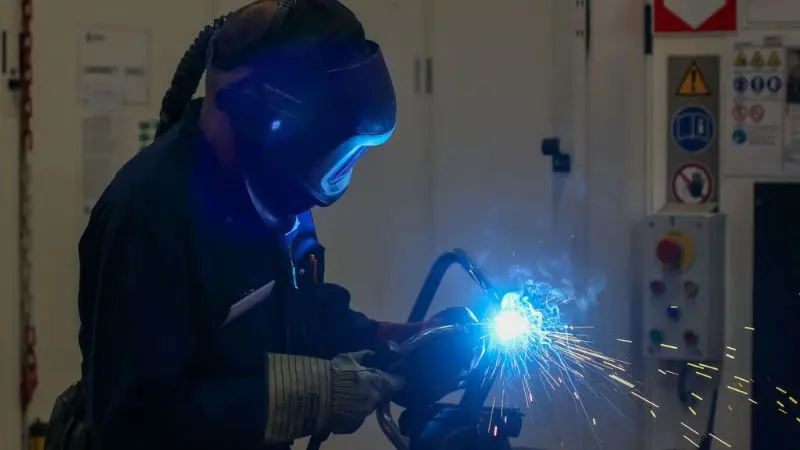
Before you start TIG welding sheet metal, you need the right gear. Let’s take a look at what you need and why each is important.
TIG Welder Setup and Machine Settings
For TIG welding sheet metal, you’ll need a TIG welder that lets you control the heat. How to TIG weld thin sheet metal without warping? Be careful not to overpower when cutting thin sheet metal. Search for one that allows you to adjust the settings. Use a lower amperage, typically 30-80 amps, for most sheet metal applications. Any welder that you are considering buying for auto body panels will need to have a steady arc and smooth controls. Always check your best settings for TIG welding sheet metal before you start. This will prevent errors and ensure clean welds are produced.
Choosing the Right Tungsten Electrode
Tungsten selection is important for good TIG welding of sheet metal. A thin sheet of metal will require a 1/16” or even a 0.040” tungsten electrode. These sizes are good to use as they provide greater arc and heat control. Use a 2% lanthanated or thoriated tungsten for most applications. Make the tip very sharp. This will help you to achieve a small, focused arc. This is how to TIG weld thin sheet metal without warping.
Filler Rod Selection for Sheet Metal Welding
When choosing a filler rod for sheet metal welding, you should consider the following factors:
The type of filler rod you use will have an impact on the appearance and integrity of the welds. Use a rod of the same type and thickness as the sheet metal for the majority of sheet metals. ER70S-2 or ER70S-6 rods are suitable for mild steel. How to TIG weld thin sheet metal without warping? For thin metal, use a 1/16″ rod. This size melts rapidly and will prevent overloading the material. When repairing using auto body sheet metal, always match the filler rod with the panel for the best result.
Protective Gear and Safety Equipment
While TIG welding sheet metal, safety comes first. Welding helmets with good auto darkening lens are always to be worn. Sparks and heat can burn the skin; wear gloves, a long-sleeve shirt, and pants to protect the skin. Have a fire extinguisher handy. With proper TIG welding preparation and safety equipment, you can concentrate on your welding without worry.
Tip: Double-check your gear before every session. Safe welding is smart welding!
Step-by-Step Guide to TIG Welding Sheet Metal
Preparing the Metal Surface Properly
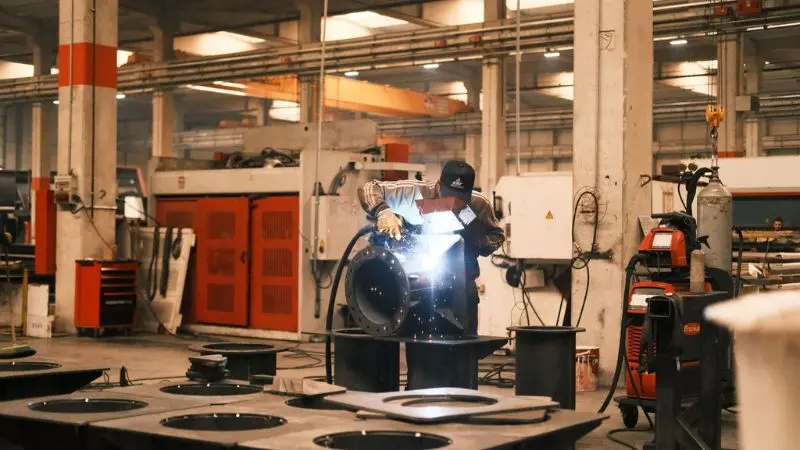
TIG welding sheet metal starts with good metal prep. Use a wire brush or special metal cleaner to clean the sheet metal. Scrape, peel, and strip all rust, paint, and oil. This will help you obtain a good weld. Without any prep, you may be able to see weak spots or contamination. Prior to starting, always check your metal fit-up. Ensure the patch panel aligns with the rest of the metal. Less filler rod, less heat required, is a good fit-up.
Tip: Prepare all work beforehand, before welding. This helps in preventing gaps and movement of parts.
Setting Up the TIG Welding Machine
Now, set your TIG machine. Use the best settings for TIG welding sheet metal. It’s best to use lower amps. Make sure the tungsten you are using is appropriate for the work. Be sure to use a tungsten with a sharp arc. Select appropriate filler metals for a project. For a repair job, select a filler rod similar to the base metal. Double-check gas flow and connections.
Controlling Heat Input for Thin Metal
The problem with thin material is that it heats up quickly. Using a small-diameter tungsten electrode improves arc stability and control on thin material. While TIG welding sheet metal, high heat can cause burn-through. You should operate by keeping the heat low and moving the torch quickly. If your TIG welder has a pulse setting, utilize it. Doing so helps you control heat and avoid warping. Let the metal cool between welds.
Welding Technique and Torch Angle
Hold the torch at about a 15-degree angle. Keep the tungsten close to the metal, but do not touch it. Use short welds to keep heat down. Try different techniques, like walking the cup or straight-line movement, to see what works best for you. Maintaining a consistent filler rod feed rate helps ensure uniform bead formation and reduces defects. Practice makes making the weld easier.
Maintaining a Clean and Strong Weld Bead
Keep the area around the weld clean when welding. Rake off the loam after each stroke. Pay attention to the shape of the beads. A good weld bead shall have a smooth and even appearance. If there are rough places or holes, adjust your technique accordingly. Oxidation and contamination of the weld pool is prevented by the proper shielding gas cover (usually argon in TIG welding). You will get better at TIG welding sheet metal with time.
TIG Welding Techniques for Thin Sheet Metal
Tack Welding for Alignment and Stability
For TIG welding sheet metal, you want your sheet metal to stay in place while you weld. Tack welding helps you do that. Install small welds around the corners and around the edges. It is held together by these tacks. You can test the alignment prior to the welding. Tack welds also help to reduce warpage. Otherwise, the panels might move or twist. Prep is all the time necessary prior to tacking. Make sure to have a Tight fit and be clean.
Note: It’s helpful to place tack welds at regular intervals. This will keep your sheet metal flat and won’t move around.
Stitch Welding vs Continuous Welding
For TIG welding sheet metal, there are two options: stitch welding or continuous welding. A stitch weld is a short weld with gaps in between. This approach allows the metal to cool down and decreases the accumulation of heat. Continuous welding produces a continuous solid bead. Neat in appearance, but it can cause warping if excessive heat is applied. Most beginners, while TIG welding sheet metal, use stitch welding because it helps prevent blow-through and keeps the metal from overheating.
| Welding Method | Pros | Cons |
| Stitch Welding | Less heat prevents warping | Slower, more stops |
| Continuous Welding | Strong, smooth bead | More heat, risk of warpage |
Pulse Welding for Heat Control
Pulse welding is a great way to control heat during TIG welding sheet metal. Your TIG welder may have a pulse setting. This feature turns the arc on and off quickly. You get less heat in the metal and more control over the weld. But how to prevent burn-through in sheet metal TIG welding? Pulse welding helps you keep a Tight arc and avoid burn-through. Try adjusting the pulse rate to match your weld speed. You will see cleaner welds and less distortion.
Note: Use pulse welding if you notice your sheet metal getting too hot or starting to warp.
Avoiding Burn-Through and Warping
Thin sheet metal can blow through or warp if you use too much heat. Move your TIG torch quickly and keep your weld speed steady. Let the metal cool between welds. Use a Tight arc to focus the heat where you need it. Always check your prep and clean the area before you start. If you see signs of warpage, stop and let the metal cool. You can prevent warping while TIG welding sheet metal by using short welds and spacing them out.
Check out VEVOR’s way of showing TIG welding sheet metal in a beginner-friendly way.
Common Problems in TIG Welding Sheet Metal (and Solutions)
Warping and Distortion Issues
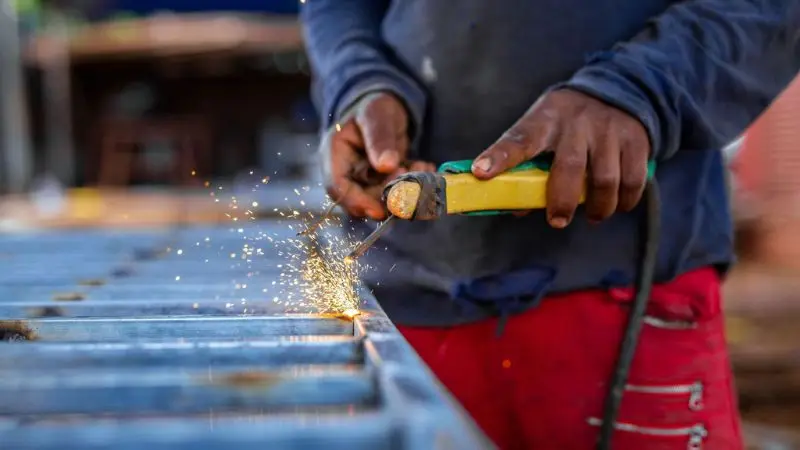
While TIG welding sheet metal, you might notice metal bending or twisting. Warpage happens when heat builds up in one spot. If you want to avoid this, spread out your welds. Move around the panel and let each area cool before you go back. Tack welds help hold your fit-up in place. You can also use clamps to keep the metal flat. Always check your prep before you start. If you see the metal start to move, stop and let it cool. Warping can ruin your project, so take your time.
Tip: Use a damp cloth to cool the heat-affected zone between welds. This helps keep your sheet metal straight.
Burn-Through in Thin Metals
How to prevent burn-through in sheet metal TIG welding? Burn-through is a common problem with TIG welding sheet metal. Too much heat melts right through the metal. You can fix this by lowering your amperage. Do not use long welds, and keep the torch moving. Should your TIG welder include a pulse setting, make sure to turn it on. This provides you with greater control of the heat. Practice on scrap pieces of sheet metal before trying to work on the real project. You will be able to sense the amount of heat your metal can endure.
Contamination and Poor Weld Quality
Weak welds are a result of dirty metal. Contamination occurs if there is oil, rust, or paint in the weld area. Always clean your sheet metal before working. Use a wire brush or a dedicated cleaner for TIG welding sheet metal preps. Your filler rod and tungsten should be clean as well. If any bubbles or black spots are found, stop and clean.
Inconsistent Arc Stability
A shaky arc makes TIG welding sheet metal tough. Check the tungsten if the arc is jumping around. May be soiled or be too sharp. Give it a very sharp edge. Ensure that the gas flow is uniform. Keep the torch at a proper angle and steady hand. If you still have trouble, check your machine for the best settings for TIG welding sheet metal.
Note: Arc stability is important to achieve smooth beads and prevent overheating on the sheet metal.
Conclusion
You’ve learned the basics of TIG welding sheet metal. Use clean metal and equipment. TIG welding works best with thin sheet metal, but it must be performed with accuracy. Always work on a clean surface to keep it clean. Keep the torch at a 15° angle, pull the torch towards you for better control, and keep it in a comfortable position. Pay attention to heat control to avoid burn-through, and complete slowly to avoid cratering and a smooth weld. Follow through this guide on TIG welding sheet metal for beginners and make every weld easier with practice.
FAQs
What gas would be best for TIG welding sheet metal?
You should use 100% argon gas. Argon gives you a stable arc and clean welds. It works well for most metals, including steel, stainless steel, and aluminum.
How do you prevent warping when welding thin sheet metal?
Try these tips: Use short welds, let the metal cool between passes, and space out your welds.
Tip: clamping your workpiece helps keep it flat.
Can you TIG weld sheet metal without a filler rod?
Yes, you can. This is called autogenous welding. It works best when the joint fits tightly. You get a clean look, but you may lose some strength.
Why does my tungsten keep getting contaminated?
You might be touching the tungsten to the metal or filler rod. Keep a steady hand and hold the tungsten close, but not touching. Always clean your tungsten if it gets dirty.
How to prevent burn-through in sheet metal TIG welding?
Control heat carefully. Use about 1 amp per 0.001 inch thickness, keep a steady, faster travel speed, and adjust heat with a foot pedal as the weld puddle forms.