A skill saw fitted with a masonry blade can assist in clean, quick, and accurate cutting of material. It is crucial to select the correct masonry blade when performing a home improvement or professional construction task. The variety of masonry blades for cutting concrete blocks, their sizes, and cutting techniques may influence your results and your blade’s lifespan. It is also important to recognize proper blade installation and safe cutting practices, and to know how to control dust and overheating while operating the machine. Safety should come first at all times! A mask, goggles, and gloves should be worn when using a masonry blade on a skill saw. Be sure to choose the proper masonry blade for your skill saw and project. When operating a masonry blade in a skill saw, be sure to follow all precautions. This attitude ensures your safety and that you always make accurate, clean cuts.
How Can You Use a Masonry Blade on a Skill Saw?
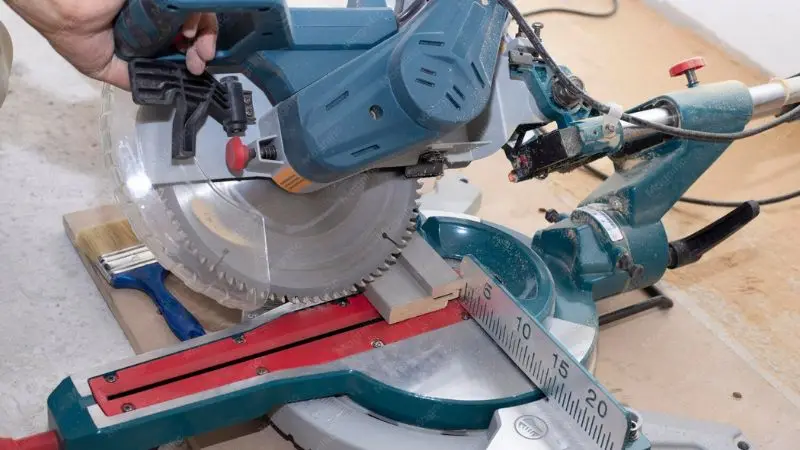
When using a masonry blade on a Skill Saw, it is important to select the correct size blade. Most Skilsaw circular saws accept masonry abrasive and diamond blades; however, it is best to consult the handbook to avoid damage or accidents. A circular saw is the best option for cutting straight cuts in bricks, pavers, and thin concrete; wet saws and angle grinders are ideal for thicker or more detailed materials. For safe and accurate cutting, always wear the appropriate cutting equipment, such as goggles, gloves, and a dust mask.
Compatibility with Skilsaw Circular Saws
You can use a masonry blade with most circular saws. Several Skilsaw circular saws will fit either abrasive or diamond blades. Always refer to your saw’s manual to verify compatibility. The manual has instructions on the appropriate size and type of masonry blade for cutting pavers. If you use the wrong blade, you may damage your saw or hurt yourself. If a masonry blade is designed for use on a Skilsaw circular saw, then it is compatible with the saw’s size, arbor hole, rotation, and operating speed. This correct fit enables the blade to rotate smoothly and to provide an accurate cut. Users do not have to worry about whether the blade is suitable for their saw or whether it will operate properly and safely. A matching masonry blade can be installed in no time and without adapters or special modifications.
Arbor Size, RPM Ratings, and Safety Considerations
The arbor size of the blade must be the same as that of your circular saw. The hole in the middle of the blade is called the arbor. Can a skill saw cut concrete? The blade, if not fitted snugly, can wobble and cause accidents. The blade’s RPM rating should be checked. Your saw should NOT run above the maximum RPM that the blade can handle. This protects you and extends the blade’s life. Always use safety equipment such as goggles, gloves, and a dust mask. Arbor size is the diameter of the hole in the masonry blade for attaching to the saw. This hole must be the same size as the saw arbor to ensure the blade fits in the saw. An arbor that is too large or too small could cause the blade to wobble, vibrate, or fail to function properly. If the arbor size is correct, it will help maintain the blade’s stability when spinning at high speed. This helps users maintain control and accuracy.
When a Circular Saw Is Suitable vs. a Wet Saw or Angle Grinder
A circular saw works well for straight cuts in bricks, pavers, or thin concrete. You should use a wet saw for tile or thick stone. An angle grinder is better for small, detailed cuts. Choose the right tool for your project to get the best results and protect your equipment. A circular saw with a masonry blade is a good choice for many basic masonry cutting tasks. It works well for cutting materials like concrete pavers, bricks, stone, cement board, and some types of tile. Circular saws are popular because they are portable, easy to handle, and commonly available in many homes and workshops.
Different Types of Masonry Blades & their Uses for Skill Saws
There are various types of masonry blades to suit different cutting jobs. The diamond-tipped blades are fast, smooth, and durable for cutting concrete, brick, stone, and pavers. Meanwhile, abrasive blades are another economical solution to smaller jobs. The segmented blades are best suited for quick dry cuts, while the continuous rim blades can produce cleaner finishes. Use only wet-cut or dry-cut blades, depending on the tool and job.
Diamond-Tipped Masonry Blades
In masonry, you’ll find that a diamond blade provides the cleanest, quickest cuts. This blade has very fine diamonds on its edge, which grind through difficult materials. A diamond blade can be used for bricks, concrete, stone, and pavers. A diamond blade is a more popular option than other masonry blades for cutting concrete blocks, as it lasts longer. A diamond blade is the best choice for your next project if you’re looking for smooth and precise cuts. The main advantage of diamond-tipped masonry blades is their ability to cut very efficiently. Regular blades can be easily worn down by hard materials such as concrete and stone, while diamond tips are designed to withstand these tough tasks. Users can cut through thick masonry with less effort and without straining or forcing the saw. This helps to smooth and streamline the cutting process.
Abrasive Masonry Blades
Abrasive blades are made of a blend of hard grit and bonding material. These blades can be used for simple tasks or for small projects. The cost is less than that of the diamond blade, and they are also more prone to wear out. Abrasive masonry blades for cutting pavers will produce more dust and rougher cuts. When it comes to using one-time only, this type is good. The first great benefit of abrasive masonry blades is their cost. The blades are typically a lower-cost option than diamond-tipped masonry blades and are ideal for occasional masonry cutting. This is one thing that homeowners and DIYers like, because they can complete the project without purchasing a ton of professional equipment. This feature is useful because they can get it from them easily.
Segmented vs. Continuous Rim Blades
Segmented diamond blades have gaps around the edges. These gaps help to clean and cool the blade. How to use a masonry blade on a skill saw? A segmented blade is used for dry and quick-cutting jobs. The continuous rim blades are smooth-edged. They slice more slowly than other saws but will yield a cleaner cut. For rough cuts, use a segmented blade, and for smooth edges, use a continuous rim blade. This feature benefits the user by enabling a faster cutting speed. The spaces between the segments facilitate heat and dust dissipation, thereby reducing the blade’s temperature during operation. A cooler blade will cut more efficiently and will not overheat as easily if cutting long pieces.
Wet-Cut vs. Dry-Cut Masonry Blades
For wet-cut blades, water is required to provide cooling and dust reduction. Water use will reduce wear and tear. Masonry blades for cutting concrete blocks, dry-cut masonry blades do not require any water. They can be used in conjunction with a circular saw for fast work. Never use a masonry blade that is not labeled for “wet” or “dry” use. A dry-cut masonry blade is a specialized blade that cuts masonry without water. This type of blade is typically used with portable skill saws or circular saws to cut quickly and easily outside the shop. Although they are not as sharp as wet-cut blades, dry-cut blades are popular for their convenience and ease of use in places where water is unavailable. Always read the label on the blade before using. This will help you select the correct blade for a particular material and tool.
How to Choose the Best Masonry Blade for Your Skill Saw
The first step in selecting the right masonry blade for your Skill Saw is to match the blade size to your saw. It’s also crucial to choose a blade that’s made for cutting the specific material. Smoother cuts, longer life, and better performance are achieved with high-quality diamond blades featuring higher grit and diamond concentration. There are budget and professional-grade blades, each suited to different projects, so choose the right blade for the project you are working on.
Matching Blade Size to Your Saw (7¼-inch, 6½-inch, etc.)
The blade size should correspond to the circular saw size. Most saws have a 6 ½ or 7 ¼-inch blade. Check your saw’s manual or the masonry blade’s guard for the correct size. The wrong size may prevent the blade from fitting or cutting safely. Always use the correct size diamond blade. A variety of circular saws have been developed to accommodate various types of masonry blades used for cutting pavers. For instance, a 7 ¼” blade will be used in many standard skill saws, and a smaller cordless saw might have a 6 ½” blade. The masonry blade should be the same size as the manufacturer recommends for optimal operation. The saw works when users select the correct blade size. Blade spins smoothly, stays balanced, and cuts more safely.
Material Compatibility (Concrete, Brick, Pavers, Stone)
The blade should be selected for the material to be cut. Is it possible to use a skill saw to cut concrete? A diamond blade is good for concrete, brick, pavers, and stone. Certain blades can only cut certain materials. Always read the labels before purchasing. If a diamond blade is used on an inappropriate material, it would wear out quickly. The size of the blade is the diameter of the masonry blade. Confidence and ease of use are also enhanced with material compatibility. It may not be known to many users which blade is necessary for which material. Multiple surfaces made with a single blade will help eliminate confusion and make it easier for the user to begin their project. This is especially useful for the novice masonry worker who might be using masonry for the first time.
Blade Quality, Grit, and Diamond Concentration
Blade quality matters for clean cuts. High-quality masonry blades for cutting concrete blocks have higher diamond grit content and better bond strength. You get smoother cuts and longer life. Look for the diamond concentration on the label. More diamonds mean better performance. If you want to adjust the cutting depth, pick a blade that matches your project’s needs. This feature helps users because a well-made blade cuts more reliably. Users can make cleaner, faster cuts without the blade overheating, bending, or easily becoming damaged. High-quality blades also reduce vibration during operation, making the saw easier to control. Better control improves accuracy and helps users feel more confident while working. A properly balanced concentration allows the blade to cut efficiently without excessive force.
Budget vs. Professional-Grade Blades
You can find both budget and professional-grade blades. Budget blades cost less but may not last as long. Professional blades give you better results and last longer. How to use a masonry blade on a skill saw? If you use your masonry blade on a skill saw often, invest in a higher-quality diamond blade. For small jobs, a budget blade may work fine. A budget masonry blade is usually designed for light or occasional use. These blades are more affordable and are often a good choice for homeowners, DIY users, or people handling small projects. Budget blades can work well for simple cutting jobs such as trimming a few bricks, cutting patio pavers, or making minor repairs around the home. Always choose the right blade for your saw and material. This helps you achieve the best results and stay safe when using a circular saw.
How to Use a Masonry Blade on a Skill Saw Safely

The first safety step taken when operating a masonry blade on a Skill Saw is to wear the appropriate safety gear. Always ensure you have the saw unplugged, the blade is correctly installed, and the saw is clean and safe before making any cuts. Use straight cutting and apply light pressure to the saw, pushing and pulling at the saw’s speed. Maintain a safe and clean work surface: Work outside, Ventilate, and clean up after work.
Essential Safety Gear (Mask, Goggles, Gloves, Hearing Protection)
First, you should wear the proper Personal Protective Equipment. Always wear safety glasses, gloves, and a dust mask. Noise is prevented from having a negative effect on your hearing through measures of hearing protection. Wearing eye, lung, and hand protection to prevent flying debris and dust. This is NOT an option to be passed over. Never use a masonry blade with a skill saw without taking safety into consideration. When cutting masonry, a dust mask/respirator is especially critical. Fine dust is produced when concrete, brick, stone, or tile is being cut. Silica can be present in this dust and may be harmful if breathed in over the long term. Masonry dust is very unpleasant to inhale and potentially very harmful to health in the long-term.
Inspect your circular saw prior to use. Unplug it or take out the battery. Make sure that the saw is clean and dust-free. It is important that the diameter of the blade fits into the arbor hole, and that the saw’s arbor hole matches the diameter of the blade. Use the proper tool to tighten the blade nut. Go back up and make sure that the diamond blade is level and firmly in place. This will prevent a kickback and will keep you safe. The instructions will give the user information on how to connect the masonry blade to the machine to safely cut the paver. This usually means taking care of the right blade size, arbor hole, blade security, and the correct blade direction. If all of these steps are carried out correctly, the blade will be securely supported by the saw and set up for proper and safe operation.
Cutting Technique for Straight and Controlled Cuts
Chalk/pencil out the cut line, and use two hands to grip the saw. The saw will be started and operated at full speed. Press gently to push the masonry blade for cutting the stone. Never push the saw. Its diamond blade will get the job done. The best use of a circular saw is to make straight, clean cuts. Controlled straight cutting is a technique that uses blade movement to maintain saw stability when cutting along a marked cutting line. The blade maintains its position and does not jump, slip, or stray. If cutting is required on a hard material that is not suitable for cutting, the process must be performed with care to avoid disturbing the saw.
Managing Dust and Debris During Cutting
A lot of dust will be produced when cutting masonry – always wear a dust mask, and work outside if possible. Blow dust off face with a fan. Of the diamond blades, most dry-cut blades are not suitable for water, but some are. At the end of the work, clean up dust and dirt. This will help maintain a safe and orderly workplace. This feature also helps users feel more relaxed. Excessive dust can create an awful mess on a work site and make it very uncomfortable. Can wipe up tools, clothes, and surfaces, and do additional cleanup after work. The blade will enable the user to manage dust and debris and minimize cleaning time, allowing them to focus on cutting rather than cleaning.
Best Practices for Cutting Masonry with a Skill Saw

There are best practices for using the Skill Saw to cut masonry – including scoring the surface before cutting to get smoother and more precise cuts with less chipping. Take breaks or water breaks as allowed to prevent blade wear and improve performance. Do not force the saw into the masonry, as this will damage the saw blade and masonry blocks.
Scoring vs. Full-Depth Cuts
There is a possibility of starting scoring before cutting. A very shallow cut made by the circular saw along your cut line is a score. This provides a more easily guided masonry blade for cutting concrete blocks, reducing chipping. After scoring, you can then go for a deeper pass for a clean finish. This is one of the most recommended masonry uses for a circular saw, according to many experts. This is because it makes it more accurate, which makes it easier for the user. If the scoring line is cut first, it will guide the saw in the final cut. The blade will not have such a tendency to stray or skid from the desired path. It is especially handy when working with decorative stone or concrete slabs or cutting tile, to ensure that the pieces fit snugly and neatly in place.
Keeping the Blade Cool and Reducing Wear
The blade must be cooled while cutting masonry. The diamond cutting edge will wear out quickly if it is too hot. Short breaks between cuts can be taken to allow the blade to cool. Some types of blades permit the use of a little water. Helps keep the masonry blade cool on a skill saw and minimizes dust. When using a blade, be sure it is suitable for cutting wet materials. With a masonry blade cutting through hard materials, the edge continually rubs against a hard surface. This contact produces heat. Over time, if the heat is excessive, the blade may become less effective, cut more slowly, or even get damaged. A cooling blade maintains a controlled temperature, keeping the blade working safely and steadily. If you notice sparks or a burning smell, stop and allow the blade to cool down.
Avoiding Common Mistakes That Damage Blades or Materials
It is not advisable to push the circular saw through the material. So, the diamond blade is the one to do the job. A forced saw may tear the blade or cause damage to the masonry. It is always important to ensure the masonry blade used to cut brick is not worn and properly fitted. A dull or cracked diamond blade may be hazardous. Another common error is using the wrong blade for the material. For instance, a wood-cutting blade can quickly wear out and become unsafe to use, whereas a masonry blade does not. Users will be able to identify the need to use the proper masonry blade for hard surfaces in this feature. With the correct blade, cutting can be easier, cleaner, and safer.
Extending the Lifespan of Your Masonry Blade
After every use, clean your diamond blade to make it last longer. If you do, you will have to place the blade somewhere dry. Do not use materials that the blade is not rated for. With the blade cool and proper technique, you will enjoy your blade longer and better. Users will benefit in many practical ways from a longer-lasting blade. First, it reduces replacement costs. A sharper and more effective blade results in extended use and fewer blade changes. It simplifies and speeds up projects on job sites. Users can save time by avoiding blade replacements when blades are worn out and instead focus on finishing cutting tasks efficiently.
Common Problems When Using Masonry Blades in Circular Saws
Common problems when using masonry blades in circular saws. These problems can be avoided by keeping the diamond blade cool, scoring the material before cutting, and ensuring the proper diamond blade is used for the task at hand. Worn blades are replaced, and steady cutting techniques are used to ensure accuracy and blade life. For the best results, always wear the proper safety gear, prepare your work area, and follow safe cutting practices.
Blade Overheating and Wear Issues
It may be observed that your diamond masonry blade, used for cutting concrete blocks, becomes hot after prolonged cutting. If the blade becomes overheated, it will wear out very quickly. If any sparks or burning smell are noticed, STOP and allow the blade to cool. Stop working after a few minutes and take a break. If you have a blade, use water. This will help to keep the blade cool and prolong its life. Inspect the blade for cracks or broken segments before each use. This function not only helps the user but also maintains a stable cutting process. The blade will cut through hard materials smoothly when the temperature is kept within a safe limit. Users enjoy no abrupt slowdowns or problems cutting through surfaces, making the work more predictable and easier to control. A cool blade will produce longer life and improved cutting ability. Do not overlook indications of overheating!
Chipping and Cracking in Materials
Chipping and cracking often happen when you rush the cut or use the wrong blade. You should score the surface first. This guides the masonry blade for cutting stone and reduces damage. Hold your circular saw steady and follow the marked line. Using a diamond blade designed for your material gives you cleaner edges. Avoid forcing the saw through the material. Another important benefit is reduced material waste. When materials crack or chip too much, users may need to discard pieces and recut replacements. This not only increases costs but also wastes time and effort. A blade that minimizes cracking helps preserve more usable material, making projects more efficient and cost-effective.
Poor Cutting Performance and How to Fix It
When you notice your cuts are slow or choppy, you may have a dull or clogged blade. Wipe the diamond blade down after each use. Replace if worn segments are observed. How to use a masonry blade on a skill saw? Use the best methods in handling a circular saw, such as applying pressure smoothly and positioning it correctly. Make sure your circular saw is compatible with the blade and its type. This will make it easier for you to achieve smooth and precise cuts every time.
- Always wear safety equipment.
- Select the appropriate masonry blade for a masonry skill saw.
- Prep the work area before cutting.
- For safe, clean cuts, follow each step.
Be sure to read these tips before each project. When safety is the priority, you’re better protected and will achieve better results.
Wrap Up
When used correctly, a masonry blade can be suitable for cutting hard materials such as stone with a skill saw. The selection of the appropriate type, size, and quality of the blade is key to high performance and to preventing common issues such as overheating, chipping, and blade wear. Knowing these differences will help users choose the most suitable masonry blade for a skill saw for the job at hand. The blade is only as safe as the setup, correct installation, and safe cutting techniques. In general, the correct masonry blade, plus proper application, will not only improve cutting accuracy and efficiency but also extend the blade’s life and enhance the safety of both the operator and the tool. For home and professional projects alike, the right masonry blade is the key to safer, smoother, and more reliable masonry cutting every time.
FAQ
Is there any reason why a common wood blade cannot be used to cut masonry?
A wood blade should not be used for masonry. A masonry blade must be used. This is to keep you safe and to help you obtain better cuts.
When should you change your masonry blade?
Replace a worn blade if there are cracks or blemishes. When cutting starts to become slow, it’s time for a new blade. Cutting is safer and cleaner with a sharp blade.
What kind of materials can a diamond masonry blade cut?
- Concrete
- Brick
- Pavers
- Stone
Before starting, be sure to read the blade label to ensure that it will work with your material.