Imagine standing in a blinding snowstorm, grabbing for your emergency bag to assist a loved one, only to discover that the life-saving liquid pills have frozen into ice and the bandages will not adhere. It’s a nightmarish scenario that happens to the best of us when we neglect proper “winter storage” for our equipment.
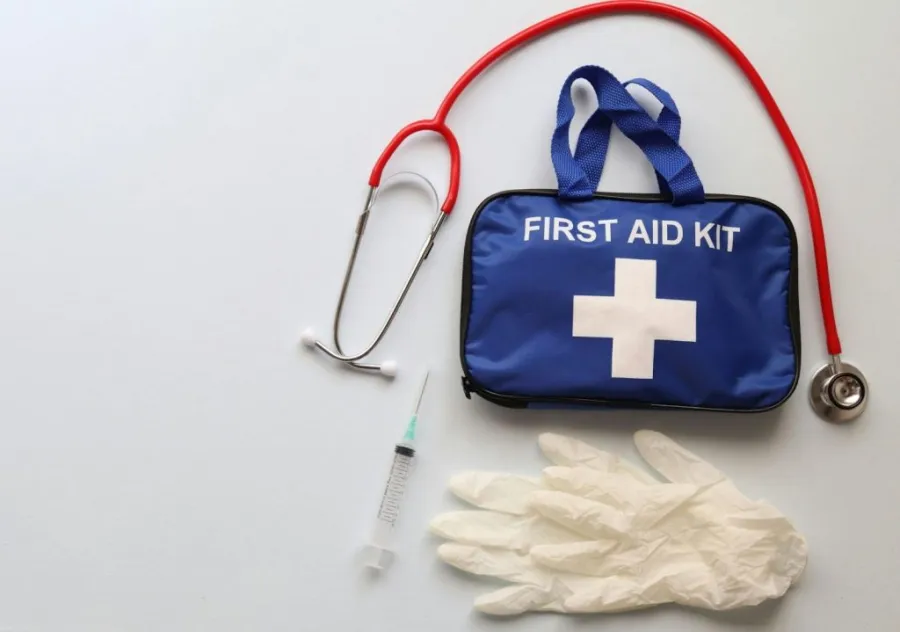
While we recall the mowers, our medical equipment is routinely left in a frigid trunk or an unheated garage, gradually losing its ability to save lives. A professional-grade 250-piece emergency medical trauma kit is only useful if it is weatherproof. Let’s look at how this guide can help you make sure your gear never fails when you need it the most.
What happens to emergency gear in winter
Leaving your medical bag in a cold truck or an unheated shed is one of the most common Winter Storage Mistakes people make. Cold air not only chills the bag, but it also affects the chemistry and integrity of the instruments inside. This is why understanding how to winterize a house should always include a strategy for your safety equipment.
IV fluids and medications can freeze
- Expansion: When fluids freeze, they expand and can burst plastic IV bags or glass vials.
- Sterility: Microcracks in frozen containers might allow bacteria to enter when the fluid thaws.
- Potency: Life-saving medications such as insulin or epinephrine can become chemically unstable and lose effectiveness.
- Separation: Many lotions and ointments separate into oil and water, making application impracticable.
Adhesives lose effectiveness
Extreme cold causes the adhesive on bandages, chest seals, and surgical tape to harden and dry. You can’t afford to have a dressing fall off because of poor winter storage in an emergency.
- Hardening: The glue forms a hard crust that will not adhere to warm skin.
- Tearing: When you peel tape from a frozen roll, it often snaps or tears unevenly.
- Gel Failure: The conductive gel on AED pads can crystallize, preventing the machine from detecting a heartbeat.
Electronic monitors drain or fail
Batteries in AEDs, pulse oximeters, and flashlights all deplete faster in the cold. In extreme situations, LCD screens might freeze or break, rendering them unreadable during a crisis.
- Cold air slows the chemical reaction inside batteries, causing fast power loss.
- In freezing temperatures, liquid crystals move more slowly, causing digital displays to ghost or go dark.
- When an infrared thermometer is below 50°F, it frequently displays “Error” readings.
Rubber and plastic components become brittle
Many paramedic tools rely on flexible components, such as oxygen tubing, masks, and stethoscopes. In sub-zero temperatures, these materials lose their flexibility and break.
- Stiffened plastic tubes can break or kink, interrupting crucial oxygen supply.
- When masks are frozen rigid, they cannot form a tight seal over a patient’s face.
- If the rubber diaphragm hardens, stethoscopes will lose their ability to pick up sound.
How to properly store a paramedic kit in winter
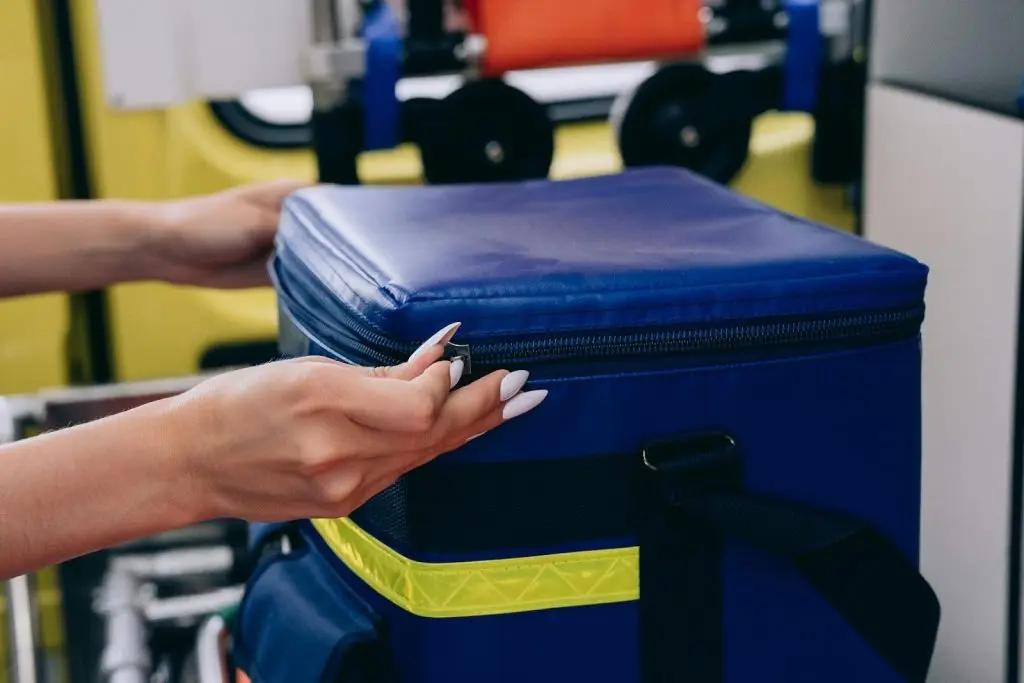
If you want your gear to perform when it counts, you’ll need a robust winter storage strategy that prioritizes temperature control. You shouldn’t just leave the bag in the trunk till April. other medical equipment, like other outdoor investments, requires protection from the frost..
Store in a temperature-controlled space
The simplest approach is to bring the equipment indoors. A climate-controlled mudroom or heated garage is excellent. If you have a huge collection of gear, a heavy-duty garage shelving unit can help you keep it all off the chilly concrete floor.
- Avoid Floor Contact: Concrete works as a heat sink, sucking heat out of your luggage.
- Central Locations: Store the kit near your main exit so you can grab it on your way out.
- Airflow: Make sure there is some airflow around the bags to avoid stagnant, moist air.
Remove temperature-sensitive medications
If you must leave your main bag in a vehicle, make a smaller “warm bag” for prescriptions. This tiny purse should accompany you inside every night. This is an excellent method for avoiding common Outdoor Storage Mistakes that contaminate pricey life-saving medications.
- Identify the Sensitive: Use bright tape to identify IV fluid bags or vials.
- Use Insulated Pouches: Small lunch-style insulated bags are ideal for storing vials.
- Daily Routine: Make it a habit to bring this tiny bag with your keys and phone.
Protect batteries and recharge regularly
Cold weather is a natural adversary of batteries. Whether it’s an AED or a basic penlight, keep them charged. Always reference a road trip checklist before leaving to ensure that your powered equipment is ready.
- Switch to Lithium: If your devices use AA or AAA batteries, switch to lithium cells, which can withstand cold better.
- Scheduled Testing: Set a calendar reminder every two weeks to turn on all electronics.
- Spare Power: Keep a portable power station available to jumpstart any dead electronics in the field.
Use insulated cases for transport
If you are a first responder, look at cushioned, insulated bags made expressly for cold climates. These bags function similarly to coolers, but in the other direction: they hold heat inside.
- Thermal Liners: Certain bags allow you to insert heat-reflective liners.
- Passive Heating: Place a warm (not hot) reusable gel pack in the bag while transporting.
- Speed: Do not leave the bag on the snow while you work; instead, keep it on a tarp or in the car.
Keep moisture absorbers inside storage containers
Winter air may be moist, especially when snow melts off your boots and adds humidity to the room. Adding a few silica gel packets to your medical kit avoids mold and rust.
- Check for Condensation: If you notice fogging inside your clear plastic pouches, add more desiccant.
- Sealed Bins: Airtight containers are ideal for long-term winter storage because they keep moisture out.
- Rust Prevention: To prevent rust, wipe metal shears and hemostats off with a small amount of oil before storing them.
How to prepare your paramedic kit for cold-weather calls
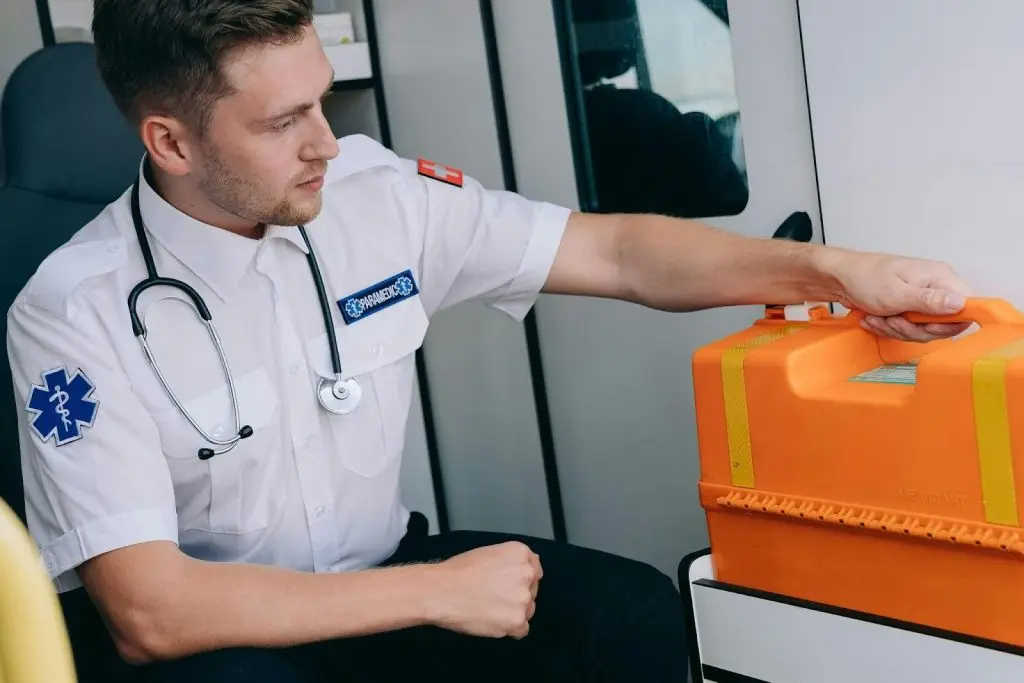
Preparation is more than just winter storage; it is about being ready for the unique demands of a winter rescue. Cold-weather calls are generally lengthier and more physically demanding. If you prefer winter car camping, your gear should be even more sturdy.
Rotate medications before winter
- Audit Everything: Lay out all pills and check their expiration dates.
- First-In, First-Out: Place products with the shortest expiration dates in the most accessible pockets.
- Potency Check: Look for discoloration or separation in liquids that have previously been exposed to cold.
Check expiration dates
It’s easy to forget about the items at the bottom of the bag. Use the seasonal change as a reminder to inspect every item.
- Adhesives: Peel one corner of a test bandage; if it feels hard or dried, replace the entire batch.
- Sterile Seals: Make sure the paper backing on the gauze hasn’t grown moist or fragile.
- Liquid Seals: Make sure saline flushes haven’t spilled owing to cold-induced pressure fluctuations.
Test electronic devices
Don’t only gaze at the “low battery” light; switch the devices on and test their functions.
- AED Self-Test: Most AEDs feature a “ready” light; check it every day during the winter.
- Monitor Brightness: Make that the lighting on your pulse oximeter is visible and not flickering.
- Flashlight Beams: If the light appears yellow rather than white, the batteries are failing.
Pack cold-weather protective gear
A winter paramedic outfit requires more than just trauma supplies. You must address the environment in the same way as you would the patient.
- Add Warmth: Pack extra space blankets and chemical hand warmers to keep patients warm.
- Clearing the Way: Adding a 28-in-1 camping folding shovel and hatchet allows you to reach a patient trapped in a drift.
- Traction: Keep a bag of pet-safe ice melt available in case you slide while administering CPR or transporting a stretcher.
Common winter storage mistakes
Many people believe they are doing the right thing, but they end up creating even more damage. One of the most prevalent winter storage mistakes is relying on a car’s trunk’s “insulation”. An automobile is essentially a metal box that can reach the outside temperature within an hour.
- Leaving kits in vehicles overnight: Trusting a car’s trunk is one of the most serious outdoor storage mistakes you can make. This continual freezing disrupts the chemical balance of drugs and degrades bandage adhesives overnight.
- Ignoring condensation buildup: Moving a cold kit into a warm area causes moisture to accumulate immediately on bags and screens. If you do not employ silica packets in your storage units, this can result in mold on fabrics or short-circuits in monitors.
- Storing near drafty doors or garages: Placing gear near thin outer walls or on concrete floors drains warmth directly from your equipment. To avoid localized freezing zones, always store your goods on a raised shelf.
- Forgetting to check supplies periodically: Ignoring regular inspections of your winter garden shed or car kit can lead to disaster. You must collect dead batteries or frozen liquids before an emergency happens.
FAQs
Can medications freeze and still be used?
Generally, no. Freezing can alter the molecular structure of many liquid drugs, rendering them ineffective or harmful. If you notice crystals or cloudiness in a thawed drug, replace it right away to maintain safety during winter storage.
How cold is too cold for medical equipment?
Most medical gadgets are designed to operate between 32°F and 100°F. If the temperature dips below freezing, batteries and fragile screens may be permanently damaged. This is a classic example of outdoor storage mistakes that can cost you hundreds of dollars in equipment.
Should emergency kits stay in vehicles?
Ideally, the vehicle should be maintained in a heated garage. If your truck is parked outside, bring your paramedic equipment inside with you. This stops the constant freeze-thaw cycle, which deteriorates the integrity of your supplies.
How often should winter checks be done?
Check at least once a week throughout the peak winter season. Frequent checks allow you to detect dead batteries, frozen drugs, and moisture damage before an emergency arises. Every Sunday, a short five-minute audit verifies that your winter storage configuration is still functional and that your gear is in good working order.
Conclusion
Getting your winter storage right is much more than just being organized; it’s about ensuring your stuff is ready when a life is at stake. By avoiding frequent Winter Storage Mistakes and keeping your paramedic kit in a consistent, warm setting, you may ensure that your instruments are as dependable as your training. Remember the nightmare we envisaged at the beginning, with the frozen medications and ineffective bandages? With the proper preparation, that will remain a bad dream rather than a reality. Take some time today to bring your gear inside and check the batteries. Your future self and those you help, will undoubtedly appreciate you. Stay safe and prepared!