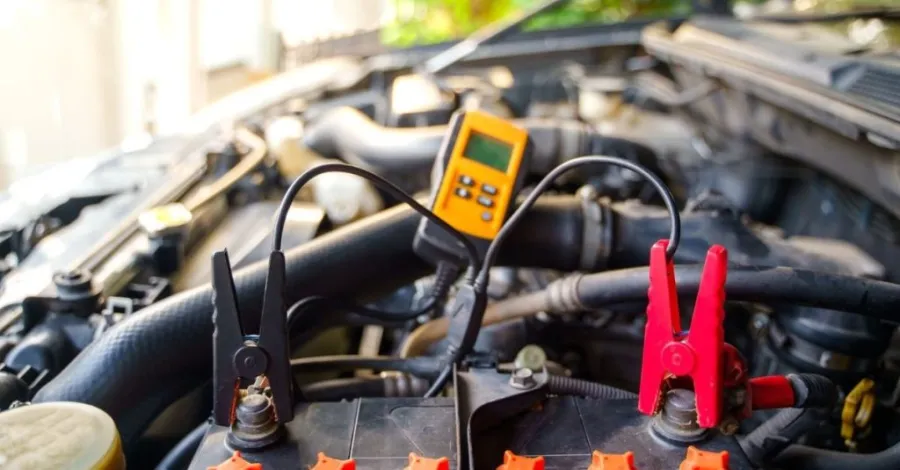
If your car battery is either dead or weak, you may be wondering how long to charge a car battery. The answer depends on the type of battery, how good it is, and the battery charger. Small trickle chargers work slowly, taking up to 48 hours for a completely dead battery, while a standard 10-amp charger usually takes 4 to 8 hours.
A battery can be made ready within a few hours using fast chargers. In emergency situations, providing a jump start and driving down the highway for 20-30 minutes can effectively charge the battery. Read on to discover safe and practical ways to charge and protect the battery.
- Factors That Affect How Long It Takes to Charge a Car Battery
- How Long to Charge a Car Battery With Different Chargers
- How Long Does It Take to Charge a Dead Car Battery?
- How Long to Charge a Car Battery by Driving
- How to Tell When a Car Battery Is Fully Charged
- How Long Should You Charge a Car Battery Safely
Factors That Affect How Long It Takes to Charge a Car Battery
The time required to charge a car battery varies from one battery to another. Knowing these will help you plan more intelligently and cause less worldly damage. How fast your battery charges can vary according to the type of battery, the charge it has now, the charger you are using, and even the weather. We will discuss each factor so you can get your battery charged securely and efficiently.
Battery Type: Lead-Acid, AGM, Gel, or Lithium
Car batteries do not all have the same charging process. Standard lead-acid batteries are very common but charge relatively slowly compared to others. An AGM and gel battery may accept faster charging, provided the charger is suitable.
Lithium batteries charge the fastest and can fill up much more quickly. However, using the wrong battery charger can damage them. If you are asking how long it takes to charge a completely flat car battery, the battery type is the first thing to check. Using the right type of charger ensures proper battery charging and longer life.
Battery Capacity and Current Charge Level
The capacity and charge current of the battery play an important role in charging time. Larger batteries naturally take longer to charge, just as a large water tank takes longer to fill than a small one. If your battery is dead altogether, it will take more hours to charge than a battery that is half dead.
Determining battery health gives you a solid estimate of how long to charge a car battery with a basic charger (or trickle charger). In this manner, you won’t overcharge or cause any undercharging of your battery.
Charger Type and Charging Amps
The charger you choose greatly affects charging speed. Batteries with higher amperage can fill your battery faster. For example, a charger with 2 amps is slow while a 10-amp or 20-amp charger is faster. It’s a key issue if you want to charge a car battery as quickly as possible. The size and type of charger you use must match the size and type of battery. Choosing the correct charger can reduce wait time and enhance the life of the battery.
Temperature and Weather Conditions
The charging process is affected by temperature. Charging can take longer when the weather is cold due to the battery’s reactions. On the contrary, upgrading some older devices provides great battery and performance benefits.
It is recommended to charge the battery when in an environment that is not too hot or too cold. Taking the weather into account will provide you with a more precise idea of how long it takes to charge a car battery with either a trickle charger or a standard charger. The battery will also remain in the best condition if used in proper conditions.
How Long to Charge a Car Battery With Different Chargers
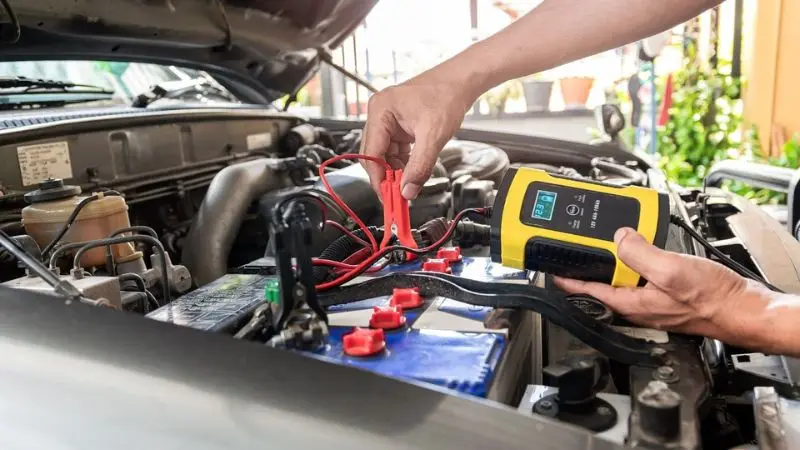
The charger is an important factor to consider when deciding how long to charge a car battery. Not all chargers are created equal; some can charge your battery faster while also adding protective features. Pick one out today! While some chargers are slow but safe, others work faster but require more attention. Let’s go over each option so you can determine which best suits your needs.
Charging a Car Battery With a Trickle Charger
A trickle charge applies a small current over a longer period of time. Most trickle chargers are around 2 amps, which makes them best for maintenance instead of charging. It might take 24 to 48 hours for the battery to charge completely if it is dead.
Should your battery be only slightly low, wait for 12 to 24 hours. Trickle charging ensures your battery stays healthy and safe while further extending the life of your batteries. Knowing how long you can charge a car battery with a trickle charger lets you charge overnight or over the weekend.
Charging a Car Battery With a 2-Amp Charger
A 2-amp charger charges batteries almost as slowly as a trickle charger. Charging a completely dead battery can take as long as 24 to 48 hours because it slowly adds energy. It may take 12 to 24 hours to recharge a partially discharged battery. A smart or trickle charger is considered gentler and thus should be safe for most batteries.
However, it does take a while to charge. A low-amp charger will usually take a certain amount of time to fully charge a dead car battery, which you may want to find out. The battery’s slow pace keeps it from being over-stressed and will therefore last for years.
Charging a Car Battery With a 10-Amp Charger
A charger with a rating of 10 amps strikes a good balance between speed and safety. It works more rapidly than a trickle or 2-amp charger and is safe for most batteries. If the battery is flat, the charge will take about four to eight hours; if the charge is partially drained, the charge will take about two to four hours. Most people choose the charger for regular charging because it is efficient and saves time. If you have to recharge a car battery too fast without causing any damage, a 10-amp charger is often the best option.
Charging a Car Battery With a Fast Charger
If you want a charger to charge your battery quickly, then opt for fast chargers, which work at 20 amps or more. A battery that is totally dead may get charged in 2 to 4 hours, while a battery that is partially discharged may be charged in 1 to 2 hours.
When you are short on time, fast charging can prove to be beneficial. But one should monitor it closely to prevent overheating or overcharging. Familiarity with charging times for a car battery with a standard charger and a fast charger helps you pick the best option for your situation. While fast chargers save you hours, safety matters.
How Long Does It Take to Charge a Dead Car Battery?
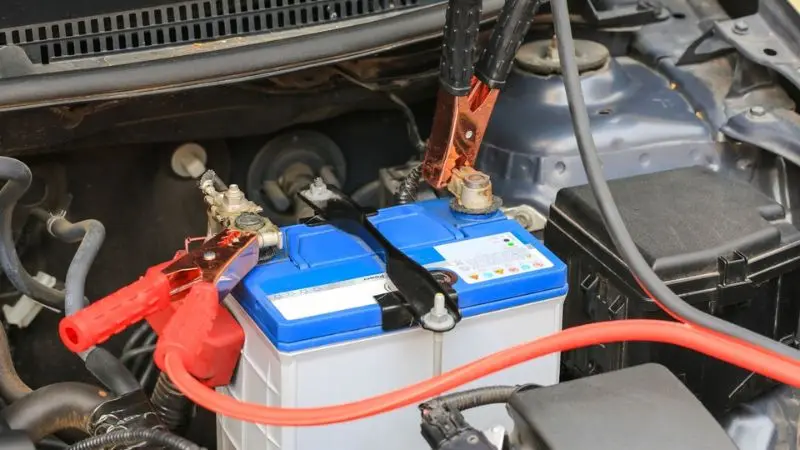
Having a completely dead battery can be stressful, especially when you need your car. Realizing just how long to charge a car battery when it’s dead will allow you to plan ahead and avoid annoying situations. The time taken to charge depends on your charger, battery size, and condition. Some chargers are rather slow and gaunt, and some work fast but need to be monitored more carefully. Let’s go over the different situations, so you know what to expect.
Charging a Completely Dead Battery
If your battery is completely dead, how long it takes to charge it depends on the type of charger you are using. A trickle charger can completely charge a battery within a time frame of 24-48 hours. A normal implementation of a 10-amp charger charges the battery in 4 to 8 hours.
On the other hand, a fast charger at 20 amps can charge your battery in 2 to 4 hours. To charge a battery correctly, choose the right charger and follow the safety precautions. Knowing how long does it take to charge a dead battery fully will save your battery from overcharging and keep it healthy.
Can a Fully Dead Car Battery Be Recharged?
A battery that refuses to charge can often be jump-started. Battery charging is usually possible with a proper charger. However, if the battery is old, faulty, or if it has been constantly discharged, it might not hold a charge. If you experience a slower-than-normal crank speed, dimmer lights, or a battery that dies frequently, then it may be time for replacement.
The time taken for charging also depends on battery capacity. By charging it slowly and steadily, and checking its battery often, you can extend its lifespan. When you know how long to charge a car battery, you can recharge safely with a standard charger or trickle charger without causing damage.
Emergency Options for a Dead Battery
There are times when you need your car urgently. The battery has a quick charge, so you can drive the car again. The best thing to do after jump-starting is to drive on the highway for 20-30 minutes. This gives the alternator a chance to recharge things.
City driving is known to take a lot longer. If you are testing your battery repeatedly, replacing it might be the safest long-term solution. If you know how well your battery is operating, and you can charge it properly, you can count on your battery and make it last longer.
How Long to Charge a Car Battery by Driving
Is it possible to recharge a car battery just by driving? Yes, but it takes longer than you think; that is the good news. While the engine runs, your car’s alternator charges the battery. If your battery is almost dead, you might want to take a trip of at least 30 minutes to see the changes.
How Long You Need to Drive to Recharge a Weak Battery
The most effective way to charge your battery quickly is by driving at high speeds on the Highway. When cruising along the freeway, your engine consistently operates, and the alternator can provide more power to recharge the battery. If the battery is weak, experts recommend driving 30 minutes to an hour.
If your battery dies, it could take longer to fix.
Solar batteries with high energy density and the capability to recharge multiple times also contribute towards generating green energy. Being aware of how long to charge a car battery by driving can prevent you from relying on short trips that do not restore it.
Highway vs City Driving: Battery Charging Differences
Batteries charge differently depending on driving conditions. When you drive on the highway, your alternator spins faster and generates more amperage to recharge your battery. When you are driving in the city, with frequent braking and stopping, the alternator gets less time to charge.
When looking for the best way to charge a car battery quickly by driving, long highway drives are the best option. Driving in the city may take from 1 to 2 hours or even longer to get the same effect, while a drive on the highway may recharge the weak battery in 30 to 60 minutes.
How to Tell When a Car Battery Is Fully Charged
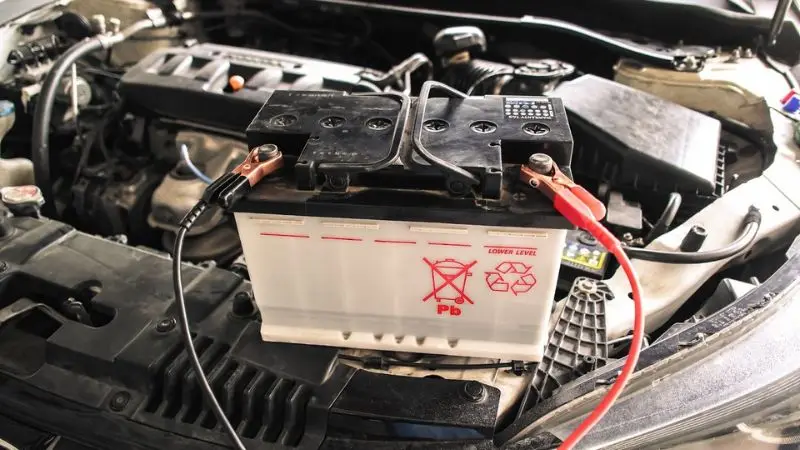
It helps you prevent the overcharging of a battery when you know that the battery is fully charged. In addition, it ensures the readiness of a car as well. There are easy ways to check the voltage and simple things you can see to show charge.
Checking Voltage Levels for a Fully Charged Car Battery
A multimeter is the simplest tool for measuring battery voltage. In the electrical circuit, the battery voltage should preferably be in the range of 12.6 to 12.8 volts. A voltage less than 12.4 volts indicates more charging is required.
Voltage measurements that have been made after a battery has rested for at least 1 hour gives most accurate readings. By familiarising with how long to charge a car battery with a standard charger or trickle charger will help you decipher these numbers, which in turn help you avoid undercharging or overcharging.
Signs That Your Car Battery Is Fully Charged
A battery tells you it is fully charged in several clear ways:
- The charger shows a green indicator, meaning charged.
- The range for battery voltage is between 12.6 and 12.8 volts.
- The charger stops sending current or switches to maintenance mode.
- No bubbling or hissing sounds from the battery.
- Your vehicle starts easily, and the lights shine brightly.
Smart chargers will stop charging automatically when the battery is fully charged. Be sure to watch out for unusual heat and smells. This is a sign that something is wrong. By recognizing these signs, you ensure that your battery is healthy, taking the hassle away from your charging routine.
How Long Should You Charge a Car Battery Safely
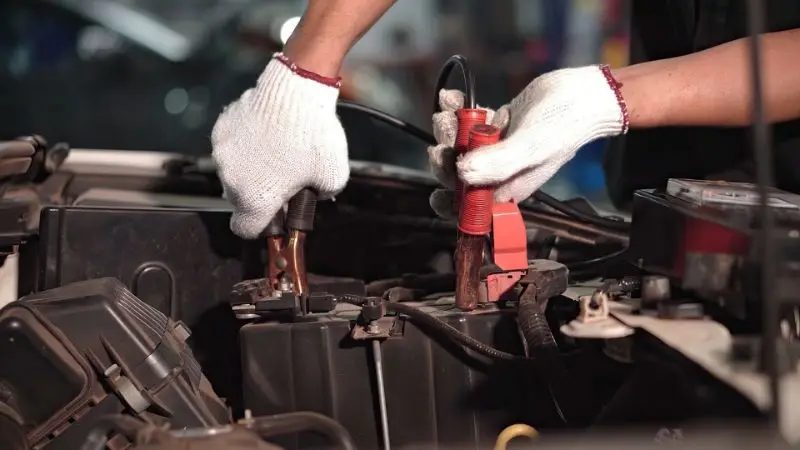
It may seem simple to charge a car battery, but safety is paramount. Over-discharging or ignoring the warning could lead to a shorter lifespan or damage to your battery, and even be dangerous. Understanding car battery charging hours allows you to safely charge your battery to 100 percent without any risk. By following the right practices, you will keep your battery healthy and improve its lifespan.
Risks of Overcharging a Car Battery
When a battery stays connected to a charger for too long, overcharging happens. This may cause:
- The battery’s temperature is excessive.
- Car-damaging acid leaks your vehicle can have.
- Widening or cracking of the battery casing.
- Shortened battery life or total failure.
- The battery may explode rarely.
You may notice strange smells, bubbling, and heat. You can prevent these problems by monitoring your battery and keeping proper charging times. It is useful to know how long to charge a car battery with a trickle charger or standard charger to avoid overcharging and getting a full charge safely.
Best Practices for Safe Battery Charging
To ensure your battery is charged properly, follow these points:
- Before you start, read the manuals of your battery and charger.
- Use a charger that is compatible with your battery size and type.
- Adjust the charger to the appropriate amp setting for your battery.
- Watch out for heat or a strange odor in the battery.
- When the indicator indicates ‘charged,’ or the voltage is 12.6 – 12.8 volts, stop charging.
- Use a smart charger if possible, so it stops when it’s charged.
- Charge the battery in a cool, dry, and well-ventilated place
When you combine close monitoring and charging techniques, you help keep your battery lasting a long time while also lowering damage and hazards. Never forget that charging power slowly and steadily is often safer and better for the battery’s overall health than charging it to full whack.
Wrap Up
How long to charge a car battery depends on your battery, charger, and condition. Slow chargers, like trickle or 2-amp chargers, are pretty mild-tempered and take their sweet time to charge up batteries. Use a 10-amp or fast charger when you need a speedy charge!
Driving your vehicle can charge a drained battery to some extent, but long-distance highway driving has the highest effect. Regularly check the voltage and avoid overcharging for better battery health. If you charge your car safely, it will start without the risk of a flat battery. With proper knowledge and careful charging, battery damage can be prevented.
FAQs
How to tell if your car battery is low on charge?
You may observe slow engine starting and dimming of headlights. A not-starting car battery probably needs charging. Check voltage with a multimeter. Comprehending measurement units. If it is below 12.4 volts, the battery needs charging.
Is it safe to leave a car battery charger on overnight?
A smart charger can be left plugged overnight. When your battery gets full, it stops charging. Check your battery regularly using a manual charger. Your battery can be damaged by overcharging.
Can you safely jump-start a car if the battery is dead?
A car with a dead battery can still be jump-started. Be certain you connect the wires correctly. Make sure to drive your vehicle for 30 minutes at the very least after a jump start. Your battery gets charged with this.
What are the consequences of charging a car battery rapidly?
Charging at a speed that’s too high can cause your battery to overheat. You might experience swelling or a rotten egg odor. Using fast charging could damage batteries. Always follow the instructions of your charger.