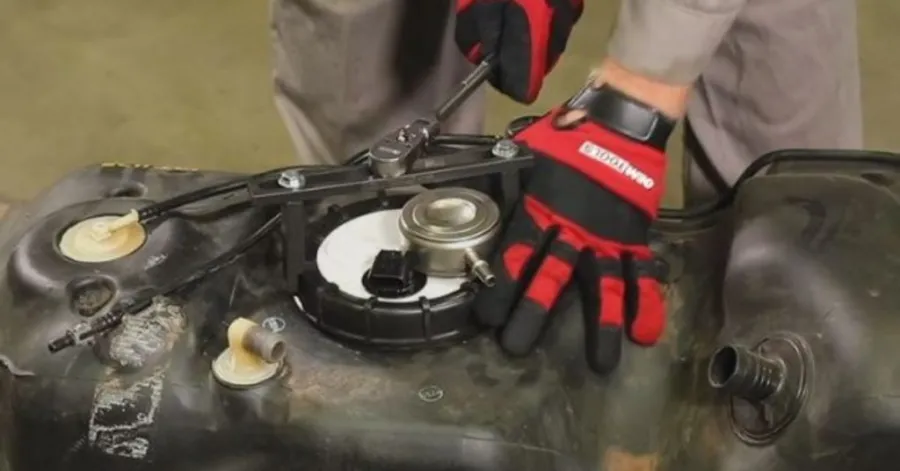
If you notice a fuel leak, stop your car immediately and turn off the engine. Never drive further or ignite anything near the vehicle, as gasoline is highly flammable. Your safety comes first. Some minor leaks can be handled with a fuel tank leak repair DIY approach using sealants, temporary fixes, or a jerry can to safely drain fuel. However, larger leaks, rusted tanks, or damaged fuel lines require professional attention. However, larger leaks, rusted tanks, or damaged fuel lines require professional attention.
Acting quickly prevents fire hazards, reduces fuel tank leak repair costs, and protects your vehicle. Staying calm and following safety steps ensures you can address the leak effectively while keeping yourself and others safe.
Common Causes of Fuel Tank Leaks
Fuel tank leaks can happen for a number of reasons, from corrosion to physical damage. It is essential to recognize the signs of a leaking fuel tank so that bigger problems can be avoided. Moreover, it also helps in reducing costly repairs or a total breakdown. By identifying the source, it also helps in determining if a temporary repair of a leaking fuel tank will work or not, which can be determined after identification.
Corrosion and Rust in Metal Fuel Tanks
Metal fuel tanks rust, especially in rainy, snowy, or road salt areas. As time goes by, corrosion can develop tiny holes that cause fuel leaks. A leak is likely to be indicated by wet spots or brown-orange stains under the vehicle. If you catch rust early, you can do a fuel tank leak repair yourself or get it fixed professionally. To avoid costly repairs, you should frequently inspect the underside of your vehicle.
Cracks and Physical Damage from Road Debris
Road debris, rocks, or rough terrain might cause damage to your fuel tank. Small cracks can leak, thus leading to unnoticed leaks at first. After coming down a slope or hill, check under your car for wet or stained spots. When caught early, your fuel tank could either be fixed or repaired to prevent a fire hazard. More importantly, early detection could save you on your fuel tank leak repair cost.
Loose or Damaged Fuel Tank Seals and Gaskets
Sealing gaskets and seals are good at containing the fuel in the tank, but they can wear out or break. If you sense gasoline near your car or notice tiny fuel droplets around the tank or filler neck, your car’s gas tank is leaking. A worn seal can usually be replaced with a fuel tank leak repair DIY. This is quite economical and safe as it would lessen the chance of more serious leaks developing.
Faulty Fuel Tank Filler Neck or Fuel Lines
The fuel is transported to the engine from the fuel tank through the filler neck and fuel lines. Leaking from the fuel nozzle during refueling or beneath the vehicle can occur due to these defects. If you smell gasoline, the components mentioned above should be checked right away. Repairing the leak immediately, either through a handyperson or by yourself, will prevent the leak from becoming hazardous. Not only this, but you will also lower your fuel tank leak repair cost while still being able to work on your things without making any trouble.
Signs You Need Fuel Tank Leak Repair
Early detection of leaking fuel tanks is important for safety and cost-saving measures. A fuel leak can pose a threat, considering that gasoline is very flammable, and it can damage your car. With a quick realization of the warning signs, it can let you take action at the present time, whether that’s a temporary fix of a fuel tank leak, DIY, or a professional circuit repair. Being able to identify the signs of your fuel tank leaking, you can save on repair costs and ensure your vehicle is safe to drive on the roads.
Strong Smell of Gasoline Around the Vehicle
If you notice an odor of gasoline smelling sharp and sweet near your car, that is a serious leak warning sign. The odour often gets worse after you park, refuel, or it’s hot out. Disregarding this smell can be very dangerous; fuel vapours are very flammable.
If you observe this, a fuel tank leak repair may be necessary. Always open the windows to ventilate your vehicle and carefully check the tank and nearby areas. Taking action early reduces the chances of a fire and damage.
Visible Fuel Leaks Under the Car
If you notice wet spots, puddles, or stains beneath the car, it is likely leaking. Gasoline evaporates quickly, often making leaks difficult to detect. An effective way is to put a piece of cardboard under your car overnight and check for wet marks in the morning.
Visible fuel leaks are a clear sign that you should learn how to fix a fuel tank leak. If it is fixed now, you will pay less for the fuel tank leak repair and be less likely to have a fire. Faster implementation is safer and cheaper.
Decreased Fuel Efficiency
If your vehicle uses more gas than before, or your car doesn’t go as far on a full tank, you might have a leak. Monitoring the distance between refuels can signal an irregular drop in efficiency. If you see this, you can either make a temporary fuel tank leak fix or get a professional to do it for you.
If you address a drop in fuel efficiency early enough, you prevent wasting fuel, costly repairs, and keep your vehicle running smoothly. Moreover, the chances of spills happening on the road decrease, which assists in curtailing accidents.
Check Engine Light Related to EVAP System
The check engine light may indicate that the EVAP system is not functioning properly, which prevents fuel vapors from escaping. If the indicator light comes on and the smell of gas is detected, your tank likely needs attention.
By inspecting your fuel tank early, you can carry out a fuel tank leak repair yourself. Taking quick action helps avoid fire hazards, prevents wasting fuel, and allows more affordable leak repairs on the fuel tank since more extensive and costly repairs will be avoided.
How to Repair a Fuel Tank Leak: Complete Step-by-Step Guide
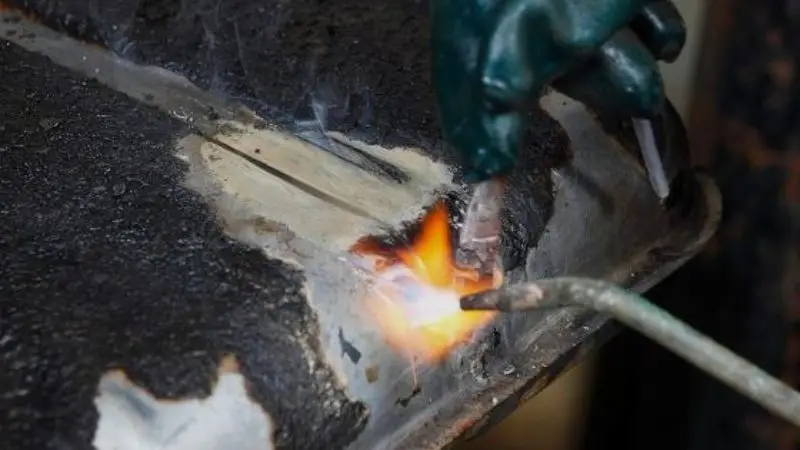
In order to fix a fuel tank leak safely and effectively, the right tools, preparation, and clear steps are essential. Troubleshooting skills for fixing a leak on the fuel tank will prevent hazards, prevent wasting fuel, and minimize fuel tank leak repair costs. A fuel tank leak repair DIY job or a professional one? Either way, this guide will make sure that any small leaks are repaired correctly to ensure a safe and reliable vehicle with no safety issues.
Essential Tools and Safety Tips for Fuel Tank Leak Repair
Gather the tools as a pair of gloves, googles, a jack and stands, a drain pan, a rag, sandpaper, and a flashlight to repair a fuel tank leak. You will also need a fuel tank sealant kit, a small brush, a marker, and a jerry can to safely handle fuel.
Make sure to work on a flat surface and in a ventilated area while the engine cools down. Keep away from flames and sparks. Getting ready for a leak to avoid repair accidents can be costly. It makes sense to do it yourself or get professional help.
How to Locate and Clean a Fuel Tank Leak
Use a drain pan, siphon pump, or jerry can to remove as much fuel as possible. Examine the tank closely with a flashlight for stains, wet spots, or rust holes, and note the leak. Get rid of any grime, dirt, or rust thoroughly using sandpaper and a rag.
It makes any temporary fuel tank leak repair or even a permanent fuel tank leak fix more durable, safer, and less expensive. This will lessen the chances of the leak worsening.
Temporary Fuel Tank Leak Repair Methods
For small cracks, super glue and baking soda can be pressed into the hole to seal it up in a pinch. Rust holes can be plugged with a stainless-steel screw and can be covered with fuel tank sealant. These temporary fixes for leaking fuel tanks serve as stopgap measures to prevent leaks, loss of fuel, or fire.
Although they are convenient, they should always be followed by a permanent repair solution. While quick fixes may save you some time and money, a complete fuel tank leak repair will do just that. This repair gives the most safety assurance and helps prevent you from having to undergo a second repair.
Permanent Fuel Tank Leak Repair Steps
Use a combination of fuel tank sealant and glass fiber to get a permanent solution. Cut out a piece of fabric to cover the leak, apply sealant to the surface, and then press the fabric into it. Coat with a further layer of sealant and allow to cure fully as per instructions.
Sealants that best fit your tank are those that will be metal or plastic. This technique ensures a long-lasting fuel tank leak repair, preventing it from leaking again and minimising both maintenance costs and safety risks.
How to Test and Inspect a Fuel Tank Repair
Once the curing is done, add a bit of fuel so as to check the leak. You can test pressure to find internal cracks. Make sure all parts are closed, apply gentle air pressure, and look for drips or bubbles. Do not overfill. Test the fix, refill the tank, then watch it for a few days.
If not fixed, a persistent leak may necessitate repeating the steps for DIY fuel tank leak repair. Alternatively, you can take the help of a qualified professional. It will ensure safety, reduce the fuel tank leak repair cost, and maintain the reliability of your vehicle.
Fuel Tank Leak Repair Cost Breakdown
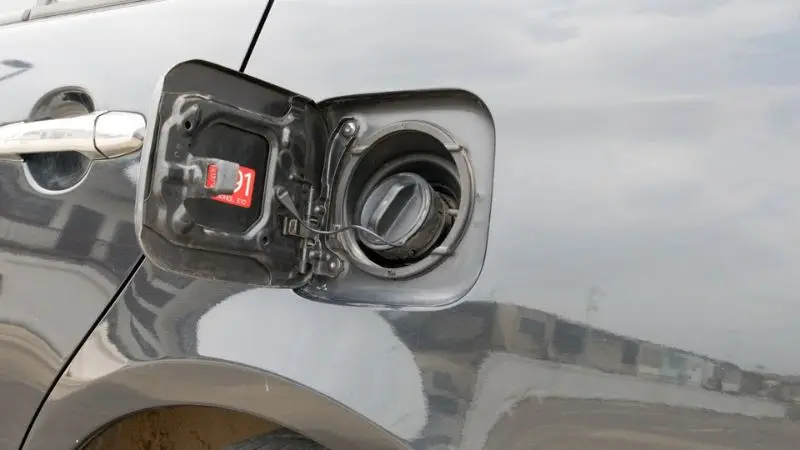
It’s important to know the cost of a fuel tank leak repair so you can budget for it and avoid any surprises. The costs are dependent on the severity of the leak, the type of vehicle, and whether you opt for fuel tank leak repair DIY or the professional service. Identifying and fixing this problem early can save you money and prevent dangerous issues. Understanding cost drivers helps ensure you make informed solution choices between temporary and permanent fixes.
Average Cost of Fuel Tank Leak Repair
Most small fuel tank leaks can be fixed at a shop for $150 to $400. If you do DIY fuel tank leak repair, you will only spend about $20 to $60 to buy a sealant kit or a patch. When leaks are larger, there are rusted spots or repairs are complicated, the labor, tools, and part requirements increase, leading to cost increases. Fuel lines, gaskets, or filler necks are special parts that cost extra. Fixing leaks sooner reduces the risk of penalties and costs and prevents higher fuel tank leak repair costs later.
Factors That Affect Fuel Tank Leak Repair Costs
Many things affect the amount you will pay for a fuel tank repair. It matters what vehicle you own. Trucks and SUVs are generally more expensive than small cars. Different tank materials have different costs because metal requires welding and plastic requires sealant. The cost is also affected by the size of the leak, labor rates, and additional parts in your area.
Fixing things before they break is usually cheaper than fixing them when they’re broken. By understanding all these factors, you can accurately budget and select the right solution, whether that’s a temporary fix for a fuel tank leak or something more professional.
Repair vs. Replacement Cost Comparison
The choice to fix or replace your fuel tank depends on the extent of the damage. Repairing minor leaks and little rust will only cost you $20–$400. Structural damage can cost $800–$2000 or more if not repairable, as well as large, obtrusive cracks and rust.
In case of small leaks, a DIY or professional fuel tank leak repair is often adequate and inexpensive. Only a replacement should be considered when the damage is massive, as this will also ensure safety and prevent further loss of fuel. Overall, opting for fuel tank leak repair is cost-efficient.
Wrap Up
Fuel tank leaks are of great danger as they can cause fuel wastage and expensive repairs. Being aware of a leaking fuel tank and its signs, like a strong smell of gasoline or wet spots, can help take action early.
If you take a DIY approach to a fuel tank leak repair, use a temporary fix, or hire a professional service, doing so quickly will lessen the hazards and repair costs. For proper vehicle functioning, the cost of repair, preparation, and proper repair of a fuel tank leak is very important. Correct leaks early to save money and maintain safety.
FAQ
Is it safe for me to drive with a leaking fuel tank?
If your fuel tank is leaking, don’t drive it. Gasoline is harmful. Fix that leak before you go anywhere. So stop your car.
How long does a fuel tank repair take?
Usually, small repairs take 1 to 2 hours. Larger jobs may require a full day. Always let the sealant cure fully before the tank refill.
What should you do if there is no gas leak but there is a gas smell?
Your system may have a loose seal or a small crack. Verify all connections. If you smell it again, have the mechanic check out your car.