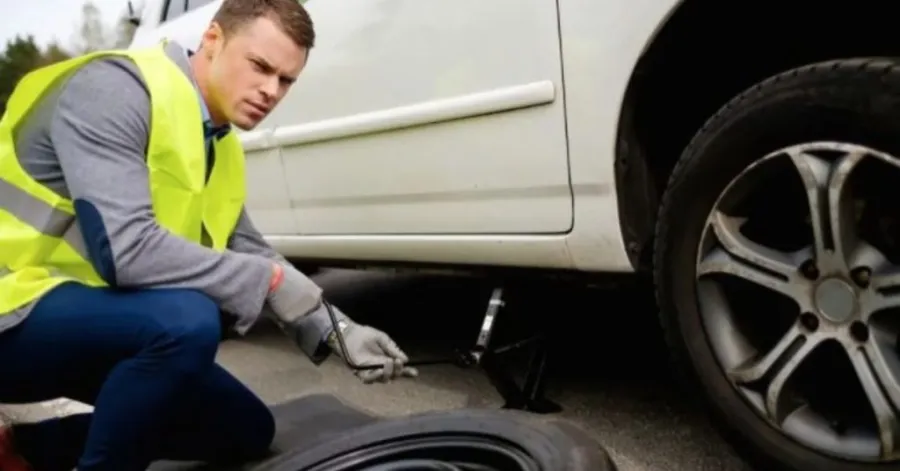
When you need to raise your car safely, you have several types of car jacks. Lifting jacks are often helpful for simple repairs or tire changes. Car lifts support heavier jobs and allow you to work underneath the vehicle. Each of these types comes with unique uses. Choosing the right one can make your work easier and safer.
Types of Car Jacks
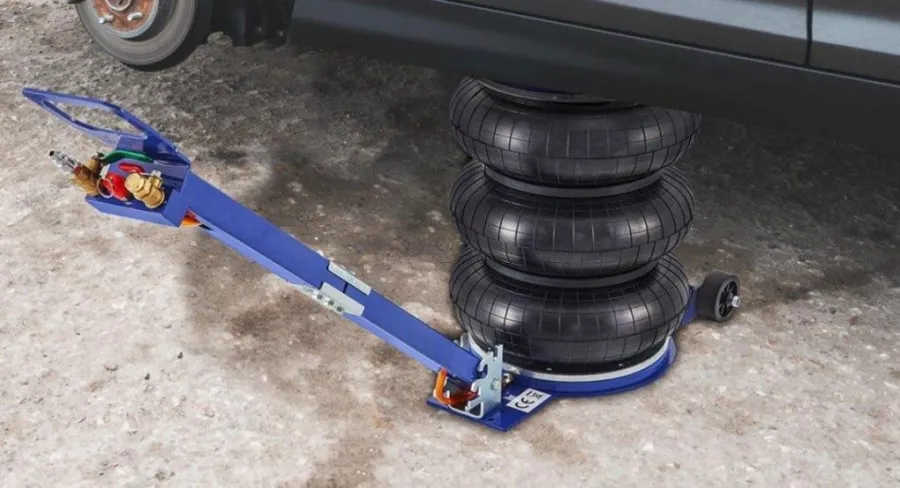
Lifting jacks help you raise your car off the ground. You use these tools for repairs, tire changes, or inspections. Lifting jacks come in several types. Each type has its own design and purpose. When you choose the correct jack, you make your work safer and easier.
Lifting jacks use mechanical or hydraulic force to lift your car. You place the jack under a strong point on your car’s frame. Then, you operate the jack to raise the vehicle. Some types of jacks use a screw mechanism. Others use hydraulic pressure. You must always follow the instructions for using a jack lift. This keeps you and your car safe.
Here is a quick look at the main types of jacks:
| Type of Jack | How It Works | Best For | Pros | Cons |
| Hydraulic Jacks | Uses hydraulic fluid | Heavy vehicles, garages | Lifts heavy cars easily | Bulky, heavy |
| Scissor Jacks | Uses a screw mechanism | Emergency tire changes | Compact, easy to store | Slow, less stable |
| Trolley Jacks | Hydraulic, on wheels | Home garages, workshops | Easy to move, stable | Needs a flat surface |
Hydraulic Jacks
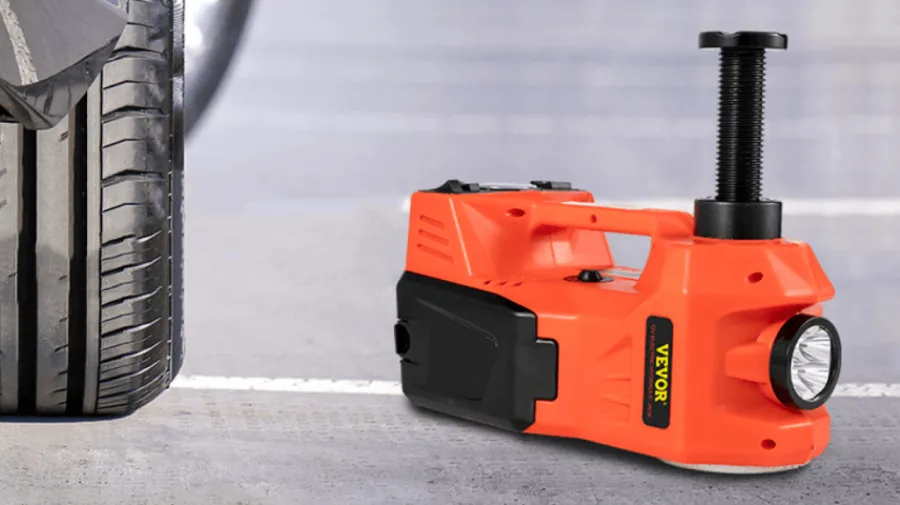
Hydraulic jacks use fluid pressure to lift your car. You often see these jacks in garages or workshops. They can lift heavy vehicles with little effort. You pump a handle, and the hydraulic fluid moves a piston. This action raises the car smoothly.
What type of car jack is best for an SUV? You find two main types of hydraulic jacks: bottle jacks and floor jacks. Bottle jacks have a tall, narrow shape. They fit nicely under trucks or SUVs. Floor jacks have a flat, broad base. They roll under most cars and offer good stability.
Pros of hydraulic jacks:
- Lift heavy cars with ease
- Work quickly and smoothly
- Good for frequent use
Cons of hydraulic jacks:
- Heavy and hard to carry
- Take up more space
- Not ideal for very low cars
Scissor Jacks
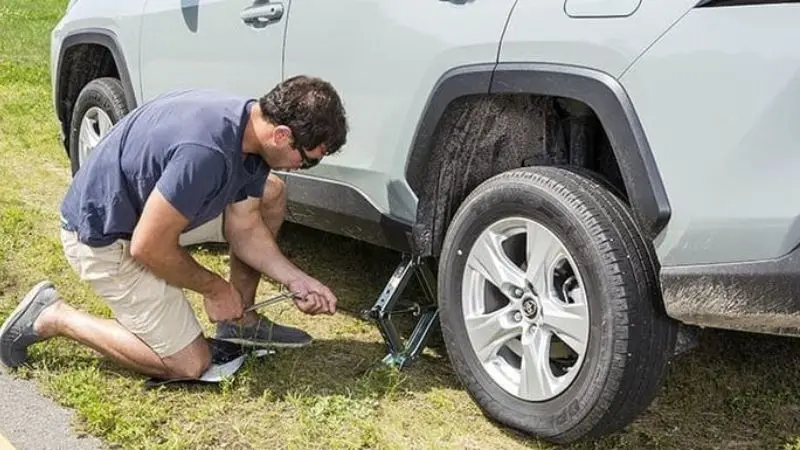
Scissor jacks use a screw mechanism to lift your car. You turn a handle, and the jack opens like a pair of scissors. Most cars come with scissor jacks in the trunk. You use them for emergency tire changes on the road. Scissor jacks are light and easy to store. They fit under most cars. You can use them when you have limited space.
Pros of scissor jacks:
- Very portable and compact
- Simple to use for quick jobs
- Fits in your car’s trunk
Cons of scissor jacks:
- Lifts less weight than other types
- Takes more time and effort
- Less stable on uneven ground
Trolley Jacks
Trolley jacks, also called floor jacks, use hydraulic power and have wheels. You roll the jack under your car and pump the handle. The jack lifts your vehicle smoothly. Trolley jacks work well in home garages and workshops.
You can move the trolley jacks easily because of their wheels. They offer good stability and can lift most cars. Many people use trolley jacks for oil changes, brake work, or other repairs.
Pros of trolley jacks:
- Easy to position under your car
- Stable and safe for most jobs
- Lifts cars quickly
Cons of trolley jacks:
- Needs a flat, hard surface
- Heavier than scissor jacks
- Takes up more storage space
Choose the Right Car Jacks
Car lifts help you raise your vehicle higher than a jack can. You use these tools when you need to work under your car or lift it for long periods. Many types of car lifts exist. Each type has special features and works best in certain situations. You can find car lifts in professional shops, home garages, and even for mobile repairs.
2-Post Car Lifts
2-post car lifts use two strong posts with arms that reach under your car. You drive your car between the posts. The arms lift your vehicle by the frame. This type gives you full access to the wheels and the underside. You can use 2-post car lifts for repairs, oil changes, and brake work.
Advantages:
- Takes up less space in your garage
- Let’s you reach most parts of your car
- Works well for most cars and trucks
4-Post Car Lifts
4-post car lifts have four posts and ramps. You drive your car onto the ramps. The lift raises your vehicle by the wheels. This type gives you excellent stability. You can use 4-post car lifts for storage, repairs, and wheel work.
Advantages:
- Very stable and safe
- Good for long-term storage
- Easy to use for beginners
Scissor Lifts
Scissor car lifts use a set of crossed supports that open and close like scissors. You place your car on the lift, and the supports raise it from below. These lifts work well in tight spaces. You can use scissor car lifts for tire changes, brake jobs, and inspections. You must know the difference between a bottle jack and a floor jack.
Advantages:
- Compact and easy to store
- Quick to set up
- Good for low-ceiling garages
In-Ground Lifts
In-ground car lifts sit below the floor. You see only the lifting arms or pads when not in use. These lifts save space and look clean. You can use in-ground car lifts for a wide range of repairs and maintenance.
Advantages:
- Saves floor space
- Keeps your garage looking neat
- Let’s you work all around your car
Mobile Column Lifts
Mobile column car lifts use several columns with wheels. You place each column on a wheel of your vehicle. The columns lift the car together. You can move these lifts where you need them. Mobile column car lifts work well for large vehicles.
Advantages.
- Lifts hefty vehicles.
- Flexible and easy to move.
- Let’s lift cars of different sizes.
Low/Mid-Rise Lifts
Low and mid-rise car lifts only elevate your vehicle several feet off the surface. You use these lifts for minor jobs like wheel changing or brake work. They are small enough to fit in your garage and are suitable for low cars.
Advantages.
- Easy to use in small spaces.
- Good for quick repairs.
- Works with low cars.
Portable Car Lifts
Portable car lifts let you lift your car wherever you are. You can move them and set them up without much effort. Mobile lifts are great for when you need to do repairs to something on wheels and don’t have a fixed garage.
Advantages.
- Easy to transport and store.
- Quick to set up.
- Works in many locations
Table: Quick Comparison of Car Lifts
| Type of Lift | Best Use | Space Needed | Portability | Max Height |
| 2-Post Car Lifts | Repairs, full access | Medium | Low | High |
| 4-Post Car Lifts | Storage, stability | High | Low | High |
| Scissor Car Lifts | Tight spaces, quick jobs | Low | Medium | Medium |
| In-Ground Car Lifts | Professional shops | Low | None | High |
| Mobile Column Car Lifts | Large vehicles | High | High | High |
| Low/Mid-Rise Car Lifts | Quick repairs | Low | Medium | Low |
| Portable Car Lifts | Mobile repairs | Low | High | Medium |
You can see that car lifts come in many types. Each type has special uses and advantages. You should consider your space, your car, and your repair needs before choosing a lift. The right car lifts make your work safer and faster.
Safety and Choosing Tools to Lift a Car
Safety Tips
You must always put safety first when you lift your car. Before you use any jack, check that it works properly and is undamaged. Place your vehicle on a flat, solid surface. Never use a jack on soft ground or a slope. Read your car manual to find the right lifting points. If you do not use the correct spot, you can damage your car or cause an accident.
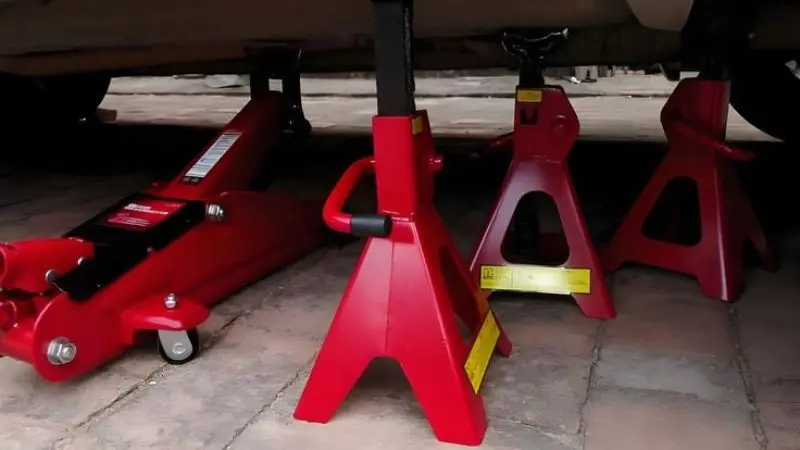
Always consider which car jack is safest to use. A jack alone cannot safely hold your car for long. Jack stands give extra support and prevent the vehicle from falling. Make sure you know how to use a jack lift before you start. Wear gloves and safety glasses to protect yourself. Look for safety features on your jack, such as a locking mechanism or overload protection.
How to Choose the Right Car Jack
You need to pick the right tool for your car and your job. Think about your car’s weight and ground clearance. A small jack may not lift a heavy car. If you work on your vehicle often, choose a jack with strong safety features. For quick tire changes, a scissor jack works well. For bigger repairs, a hydraulic jack or trolley jack gives better support.
Check the space in your garage. Some jacks need more room to move around your car. If you travel, keep a compact jack in your trunk. Always read the instructions to learn how to use a jack lift safely. Compare different jacks by looking at their lifting range, weight limit, and safety features.
| Jack Type | Best Use | Portability | Safety Features |
| Scissor Jack | Tire changes | High | Basic |
| Hydraulic Jack | Repairs, heavy car | Medium | Overload protection |
| Trolley Jack | Garage work | Low | Locking mechanism |
Conclusion
There are different types of car jacks, but picking the most important one is up to you. A jack assists in lifting your vehicle for a quick fix or tire change. You can use a jack in your garage or on the road. Some jacks are designed for heavy vehicles, while others fit in your trunk. Always check your jack before you use it. When working under your car, always use a jack and jack stands at the same time. Using other tools to lift a car, especially a car lift, is feasible, but a jack is the most commonly used. Remember, safety comes first. Choose the right tools for the job, and always follow the directions for your jack when lifting a car.
FAQ
What is the safest way to lift my car at home?
You should always use a jack on a flat surface. Place jack stands under your car after lifting. Never work under a car held up by only a jack.
Can I use any jack for my SUV or truck?
No, you need a jack with a high weight limit. Check your vehicle’s weight before choosing a jack. Heavy vehicles work best with hydraulic jacks and bottle jacks.
How do I know where to place the jack under my car?
Look for the marked lifting points in your car’s manual. These spots keep your car safe when you lift it. Avoid placing the jack under thin metal or plastic.
What should I do if my jack does not lift my car?
Stop using Jack immediately, is a tip. Make sure you put it in the right way, and it matches your weight. If the jack is damaged, replace it before trying again.
Which car lift is best for a small garage?
| Lift Type | Space Needed | Best Feature |
| Scissor Lift | Low | Compact design |
| Portable Car Lift | Low | Easy to move |
You should pick a scissor lift or a portable car lift for small spaces.