Learning how to drain the fuel tank at home is simple when you follow the right steps. Keep your workspace clean, well-ventilated, and always use the correct tools, including a jerry can for safe fuel collection. Move slowly and place every single direction, so as to avoid spills or accidents. Patience and attention to detailmakes the process easy and stress-free. This is a good skill to keep the performance of your car, as well as clean and safe usage of fuel. By doing so properly, you will be able to work without hesitation and leave your car running without worry and inconvenience.
Why You Might Need to Empty Your Fuel Tank
Sometimes, emptying your car’s fuel tank is necessary for safety and engine health. Whether it’s old fuel, maintenance, or storage, knowing the reasons helps you take the right steps.
Old or Dirty Fuel
Fuel can break down over time, causing your engine to run rough or even fail to start. Water, dirt, and debris can also get inside the tank. Draining the fuel removes these problems and keeps your engine safe. Fresh fuel helps your car run smoothly and reliably.
Signs you might need to drain your tank:
- Fuel smells strange or looks different
- The engine runs unevenly or stalls.
- The car has trouble starting.
Knowing how to drain a fuel tank without removing it can help you fix these issues safely.
When You Are Fixing or Upgrading Your Car
You would sometimes have the need to get your tank emptied, to take care of it. Mechanics normally demand this so as to avoid leakages and contamination. New fuel safeguards old parts and ensures the safety of the work.
Those jobs that require a tank emptied:
- Replacing the fuel pump
- Cleaning the fuel tank
- Changing the fuel filter
It is easy and safe to do this when the steps of filling the fuel tank in the car are followed.
Before Storing Your Car
When you are putting away your car for a season or perhaps for a long time, it is better to drain the tank to avoid having problems. Unspent fuel may spoil, rust, or ruin your engine. It is safe to empty your tank prior to storage to secure your car.
Drive back refueling with fresh fuel. Having the knowledge about the most adequate method of draining gas from the fuel tank will enable you to do it safely at home and prevent problems in the future.
Safety First: Before You Drain Your Fuel Tank
Before you start, safety should be your top priority. Taking the right precautions protects you, your car, and your workspace. Let’s go through the key safety steps to follow when you plan to drain a fuel tank at home safely.
Work in a Ventilated Area
Always choose a spot with plenty of fresh air. Gas fumes are heavier than air and can build up quickly, causing health risks or even fire hazards. Working in a garage without ventilation is dangerous, so open doors or work outdoors whenever possible. Good airflow helps disperse fumes, keeping the area safe while you learn how to drain the fuel tank without removing it. If you ever smell strong fuel, stop immediately and let the area air out before continuing. Taking this precaution makes draining fuel safer and easier, giving you confidence while handling flammable liquids.
Wear Proper Safety Gear
It is vital to protect yourself when dealing with fuel. It is always important to wear gloves to keep the fuel off your skin and safety glasses to protect your eyes in the event of a splash. It is also better to have old clothes or a work apron in order not to spoil your clothes. Adequate equipment will reduce burns, spillages, and breathing poisonous fumes. By packing equipment to be used in safety, it becomes a much safer process as you drain your tank at home safely. Having all the tools enables you to concentrate on the job, and there is less chance of accidents, hence the work becomes an easy and worry-free task.
Disconnect the Car Battery
Before starting any work on the fuel tank, disconnecting the battery is a critical safety step. Fuel vapors are highly flammable and can ignite if there is even a small spark. Always remove the negative cable first, and wait a few minutes before beginning any work. Disconnecting the battery ensures the workspace is safer and reduces the risk of fire during the draining process. Taking time for this step is an important part of learning the best way to drain gas from the fuel tank. Safety should never be rushed, as it keeps both you and your car protected.
Tools and Materials You’ll Need
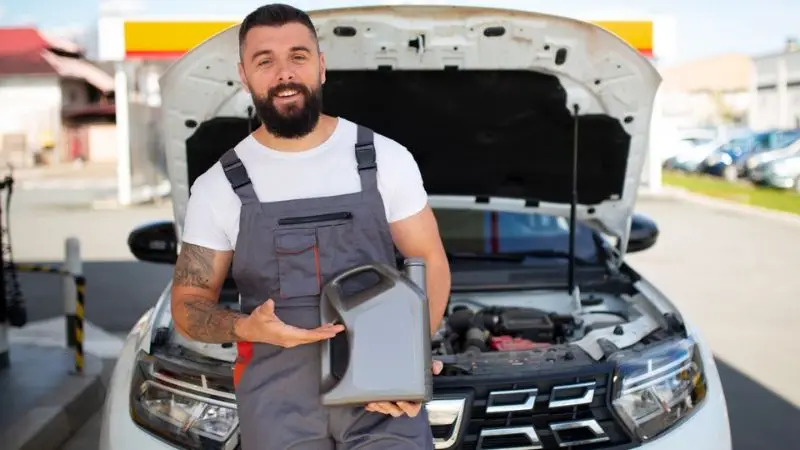
Before you start draining your fuel tank, gathering all the right tools and materials makes the job safer and easier. Stopping midway because you forgot something can be frustrating and dangerous. Being prepared ensures a smooth process and reduces risks while learning the best way to drain gas from a fuel tank.
Essential Tools and Equipment
Having the right tools helps you complete the job efficiently and safely. Some items are necessary for every method, while others depend on your car or the draining technique you choose. Essential tools include:
- Siphon pump or portable electric pump
- Fuel-safe container approved for gasoline or diesel
- Rubber or plastic tubing if the pump does not come with one
- Gloves and safety glasses for personal protection
- Rags or paper towels to clean up spills
- Jerry can safely store or transport the drained fuel
Additional Tools Depending on Your Method
There are some cars or techniques that need additional tools. A screwdriver or a wrench is required in case your car has a drain plug. It may be required that you have a jack and jack stands in case the car has to be raised. To be on the safe side, a fire extinguisher is recommended. Electric pumps can be fitted in portables, hence making the job easier and quicker, whereas a siphon pump is easy to fit in small vehicles. Check the manual of your car to discover the exact tools that you are going to need. Complete preparation can enable you to drain the fuel tank at home without incident or accidents.
Step-by-Step Process: How to Drain a Fuel Tank
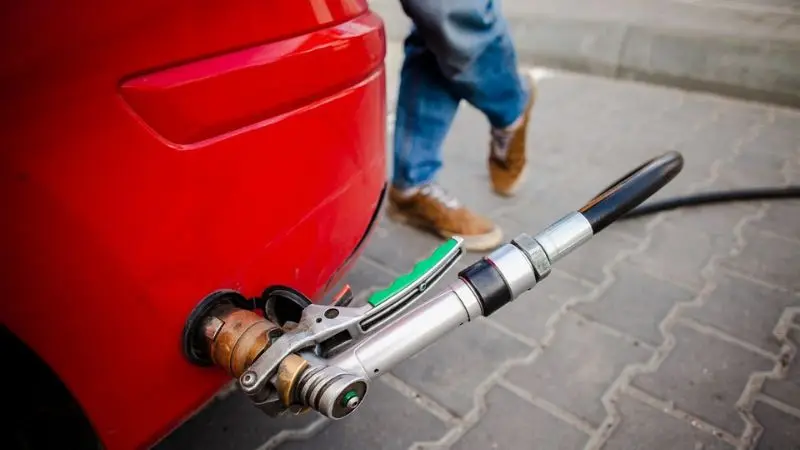
Draining your fuel tank might seem tricky, but with the right approach, it’s manageable. Different cars and situations require different methods. By following clear steps, you can safely remove fuel at home. Understanding each procedure helps you choose the one that fits your car and skill level. Learning how to drain a fuel tank without removing it gives you flexibility and safety while doing this task yourself. Let’s go through the main methods for DIY fuel tank draining.
Method 1: Using a Siphon Pump
A siphon pump is a simple and safe way to drain your tank without removing any parts. Start by placing a fuel-safe container next to your car. Insert one end of the siphon tube into the tank and the other into the container. Begin the flow by squeezing the pump or letting gravity do the work. Watch carefully as fuel moves into the container, and stop before it overflows. This method works well for small amounts of fuel or routine maintenance. Using a siphon is an easy way to drain a fuel tank at home safely.
Method 2: Draining Through the Fuel Line
When you drain through the fuel line, it is more efficient to remove the fuel. The first thing to do is to find the fuel line under your vehicle. Loosen the hose clamp with a wrench. Put your fuel-safe container under to collect the dripping fuel. Squeegee very carefully and empty the line. The work must be completed and then clamped firmly to ensure that the line is in place. This is also a good process to use when draining a fuel tank DIY, where a deeper or more complete draining is required. When working with flammable liquids, always check whether your working area is dry and work safely.
Method 3: Draining from the Fuel Tank Drain Plug
There are vehicles that have a drain plug in the bottom of the fuel tank. It is a common overall technique of filling the tank. A container or jerry can should be put under it, and a wrench should be used to open the plug. All fuel will empty and should be allowed to empty the tank. Once emptied, close the plug and look at the slits. This approach is ideal when you require a complete vacuum of your fuel and there is no residual old fuel. To know how to empty gas out of the fuel tank, you need to know whether your car has this plug.
Common Mistakes to Avoid When Draining a Fuel Tank
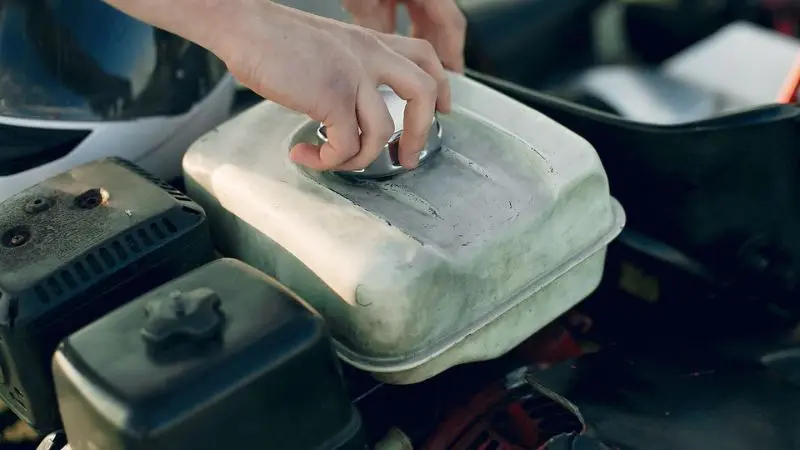
Refueling tank is not as easy a job as it may appear, and neglecting a step can result in serious complications. Errors might cause spillages, injuries, or your car. Being aware of what to avoid can make you accomplish the job safely and efficiently. With good practice, you will add a fuel tank at home without problems, besides keeping yourself, the car, and the environment safe. We are going to examine the most typical errors and the ways to prevent them.
Using Unsafe Tools or Containers
Not all containers are safe for gasoline. Using a regular bucket or bottle can be dangerous because some plastics melt or leak when they contact fuel. This can lead to spills, fires, or injuries. Always choose containers labeled “fuel safe” jerry cans and check your tools before starting. Using proper equipment also makes the job easier and keeps you confident while learning how to drain a fuel tank without removing it. Preparing the right tools in advance helps you work safely and avoid accidents during the draining process.
Ignoring Proper Ventilation
Gas fumes may accumulate very fast and lead to dizziness, nausea, or fire hazards. It is dangerous to work in a closed garage or shed. Incidentally, keep the doors and windows open, or work outdoors whenever you can. Note such dangerous indicators as a high fuel odor, headaches, or sore eyes. Do not stop until you are not feeling well. Safe DIY draining of fuel tanks requires good ventilation. This precaution will keep you at home safe to empty your tank and keep your health and fire risks to a minimum.
Forgetting to Dispose of Fuel Correctly
Old fuel cannot be poured down drains or thrown in the trash. Doing so is dangerous and often illegal. Improper disposal can harm the environment and put your community at risk. Always take used fuel to a local recycling center or hazardous waste facility. Check local regulations to ensure you follow the rules. Proper disposal is the final step after learning the best way to drain gas from a fuel tank, and it is just as important as safety precautions. Completing this step responsibly keeps you and your surroundings safe.
Wrap Up
Learning how to drain your fuel tank may seem intimidating, but with the right tools, safety precautions, and methods, it is completely manageable. Always work in a ventilated area, wear proper safety gear, and use containers designed for fuel. Choose the draining method that fits your car, whether it’s a siphon pump, fuel line, or drain plug. Avoid common mistakes like using unsafe tools, ignoring ventilation, or improper fuel disposal. Following these steps ensures you drain the fuel tank at home safely and protects both your vehicle and the environment. Being prepared makes the job easier and stress-free.
FAQ
What can I do to know when my fuel tank has to be drained?
In case of abnormal odors, color, and engine performance, it can be a sign of old or contaminated fuel. It is always important to check your owner’s manual and see the particular warning signs and take certain measures to save your engine.
Can I reuse the drained fuel?
One should never reuse old or contaminated fuel. Its use can be detrimental to your engine, fuel, and performance. Never leave filled fuel on the ground or dispose of it in garbage, and never burn fuels at all.
Is it okay to refuel my tank on my own?
And yes, it can be safe provided that you use all measures. Wear gloves, eye protection, and work in a room with ventilation. When emptying fuel, avoid open flames or sparks, as this will cause accidents.