Using vehicle lifts in your home garage makes car repairs much easier and safer when you follow the proper steps. By considering automotive lift safety every time you work, you protect yourself and your belongings. Always ensure you install vehicle lifts for the garage correctly and use them according to the manual. Regular maintenance is essential to keep your lift working well.
Why Automotive Lift Safety Matters
Risks in Home Garage
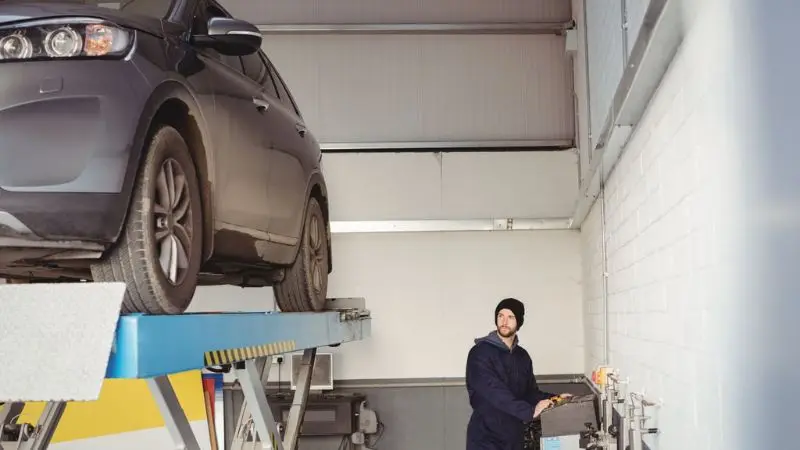
Using vehicle lifts in a home garage seems easy. But there are many risks you need to be aware of. If you forget about automotive lift safety, you can get hurt or damage your car. Some dangers you might face are:
- The car can fall off the lift if you skip safety steps.
- Bad wiring or wrong power can cause electrical problems.
- Oil or tools on the floor can make you slip or trip.
- If you do not check the weight limit, you can overload the car lift for the garage.
- Picking the wrong car lifts for your car can be unsafe.
Benefits of Safe Practices
When you follow automotive lift safety rules, you keep yourself and your car safe. Good safety habits help you work faster and feel more confident in your work. Here are some good things that come from using safety tips and following safety rules:
- You lower the chance of getting hurt or having an accident.
- Your lifts last longer when you use them correctly.
- You save money by avoiding repairs to your car or your 4-post car lift.
- You follow safety rules, so your home garage stays legal and safe.
- You can use different car lifts without trouble.
If you always think about safety, your work area gets better. You also make sure your automotive lift works well every time you use it.
Types of Automotive Lifts
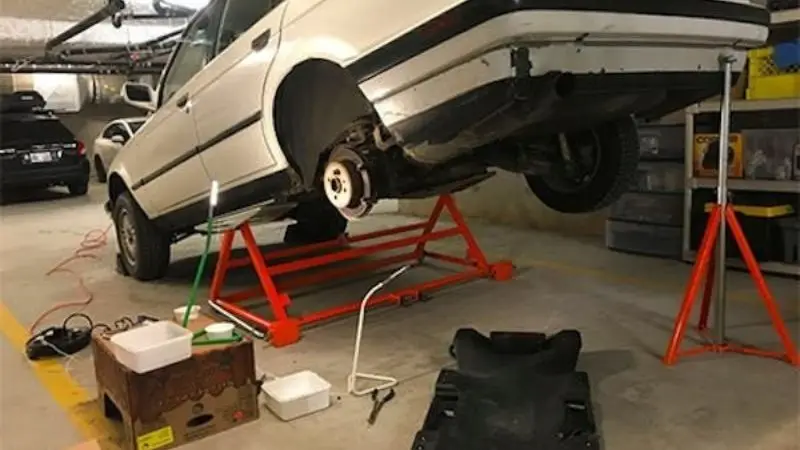
When setting up your home garage, you need to know which car lift is best for home mechanics. Each lift has its own features, safety points, and uses. Here is what you should know:
Two-Post Lifts
Two-post lifts use two strong columns to raise your car. You drive your car between the posts and use arms to lift it from the frame. These lifts save space and work well for most cars and small trucks. You can easily reach the wheels and undercarriage.
Safety Features:
- Mechanical locks keep the car in place.
- Emergency lowering lets you bring the vehicle down safely if power fails.
Limitations:
- You need a strong, flat floor.
- Not ideal for hefty vehicles.
Four-Post Lifts
A 4-post car lift uses four columns and ramps. You drive your car onto the ramps, then lift it onto the ramps. This type gives more stability and works well for storage or repairs. Many people use this car lift for garage storage.
Safety Features:
- Built-in locking bars at different heights.
- Broad base for extra support.
Limitations:
- Takes up more space.
- You may need extra clearance for lift height.
Scissor Lifts
What is the best vehicle lift for a small garage? Scissor lifts use a folding X-shaped frame to raise your car. You place the lift under the vehicle, then use a switch to lift it. These lifts fit well in small garages.
Safety Features:
- Automatic safety locks.
Limitations:
- Lower lift height than other types.
- Not for hefty vehicles.
Portable Lifts
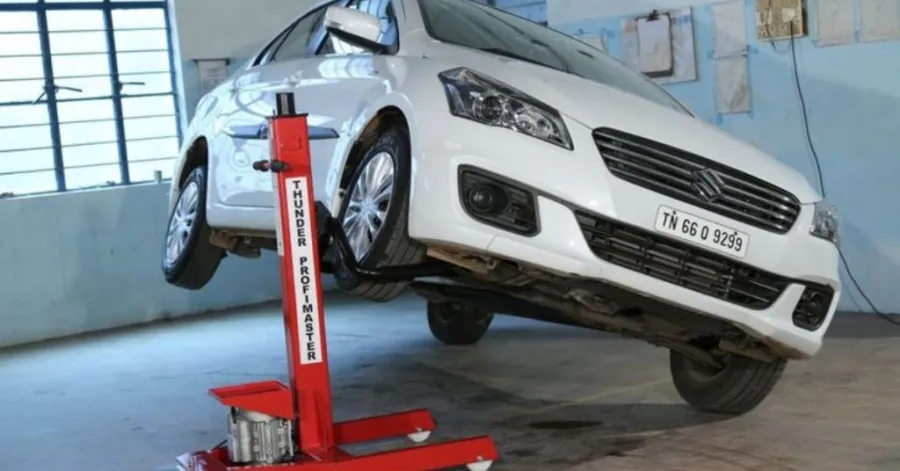
A portable car lift is easy to move and store. You can use it for quick jobs or in tight spaces. Many portable lifts use hydraulic power.
Safety Features:
- Locking pins or bars.
- Overload protection.
Limitations:
- Lower weight limits.
- Not for long-term storage.
Space and Floor Requirements
Get your garage ready before installing a lift. Measure the space to see if it fits your lift and car. Check the ceiling to make sure it is high enough. Some lifts, like a 4-post car lift, need more room above when raised. Look at your floor to see if it is firm and flat. Most lifts need thick, solid concrete with no cracks. The floor should be at least 4 inches thick. If you are not sure, ask an expert to check your floor. A weak floor can make the lift fall or tip over. This step is very important for safety with any garage lift.
Electrical Needs
Check the power setup before you start installing. Most vehicle lifts for garages need their own power source. While some lifts require 220V, others use 110V. Always follow the manufacturer’s safety instructions for outlets and wiring. Employ a qualified electrician if you are not skilled in wiring. Avoid plugging too many devices into one outlet or using extension cords. Inadequate wiring can cause lift malfunctions or fires. Your lift will remain safe and functional with proper wiring.
ALI Certification
For safe vehicle jacking up, choose a lift bearing the ALI certification label. ALI stands for Automotive Lift Institute. This team inspects lifts for quality and safety. ALI-certified lifts follow strict safety rules and standards. An ALI-certified lift is the best option for your house. This shows you care about automotive lift safety and best safety habits. Certified lifts have clear instructions and safety locks. These things help you avoid accidents and keep your car lifted for the garage safe.
Inspection After Installation
Check your lift after installation before using it. Examine every anchor, bolt, and nut. Verify that they are snug and safe. First, test the lift without a car. To check if it functions properly, raise and lower it. Keep an eye out for loose parts, strange noises, or leaks. Examine the safety features and locks.
Operation Safety for Automotive Lift
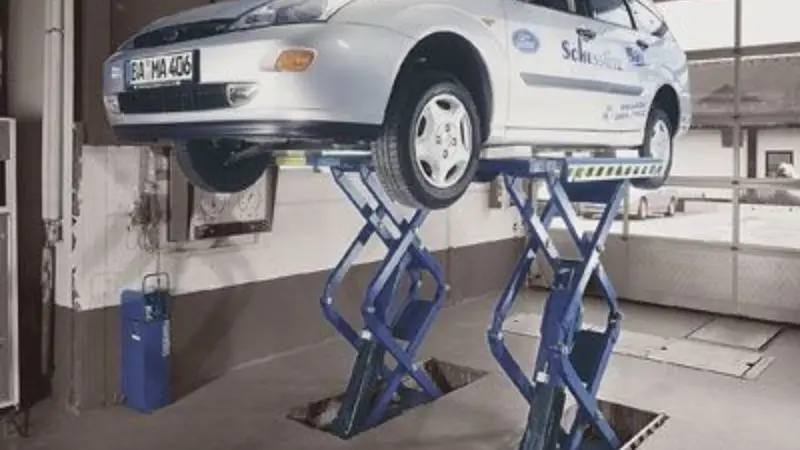
You have to exercise caution when using a lift at home. Always abide by safety precautions to protect both your vehicle and yourself. Maintaining good habits keeps your lift operating and helps you prevent accidents. Use your lift properly every time.
Pre-Use Checklist
Check everything before you use your lift. Look for leaks or cracks. Make sure bolts are tight. Clean the area around the lift. Remove tools and oil from the floor. Check the power and controls. Test the emergency stop button. Read the instructions for your lift.
Locking Devices
Locks keep your car safe when it is parked. Always use the locks before you go under the car. Do not rely solely on the hydraulic system. Safety bars or mechanical locks hold the vehicle steady. Check the locks often for damage. Test them to make sure they work. All lifts need locking devices, even a 4-post car lift. Locks provide added security and help your lift last longer.
Weight Limits
Each lift has a weight limit. Know your car’s weight before you lift it. Look at the manual and the lift’s label. Never lift a car that is too heavy. Too much weight can break the lift and cause accidents. Using the correct weight helps your vehicle lift for the garage last longer.
No Person Inside Vehicle
Never lift a car with someone inside. Extra weight can make the car fall. Moving inside the vehicle can make the lift tip over. This rule keeps you and others in your garage safe. It helps every job stay safe.
Emergency Procedures
Know what to do if something goes wrong. Learn how to lower the car in an emergency. Keep the area clear so you can move fast. Put emergency numbers and steps near the lift. Practice safety drills with family or helpers.
If you follow these steps, you can handle emergencies and keep your garage safe. Good emergency plans are part of automotive lift safety and help you avoid bad accidents. Quick Emergency Actions:
- Use the emergency system to lower the vehicle.
- Keep your distance from the elevator.
- If you need assistance, call for it.
Lift Maintenance and Inspection
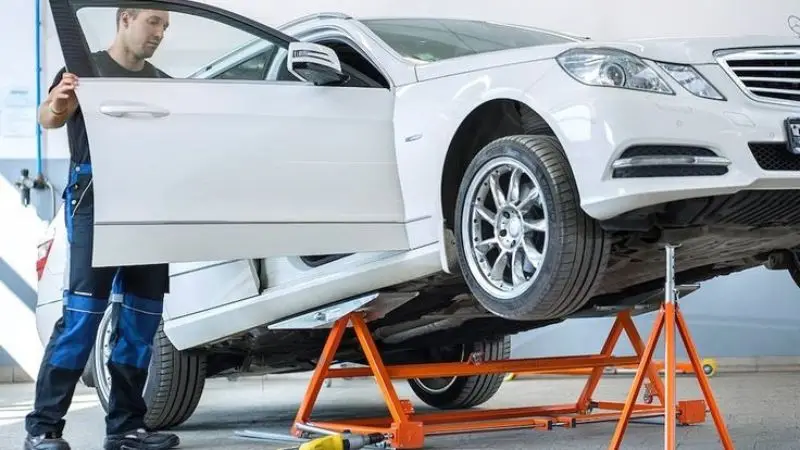
Regular Maintenance
By performing routine maintenance and care, you keep your elevator safe and in good operating order. After every use, clean the elevator. Dust, oil, and grime should be removed from every surface. Lubricate moving parts to prevent squeaking or sticking. Verify the smooth operation of the pulleys and cables. Tighten any nuts and bolts that are loose. By taking these precautions, you can keep your lift in good condition and prepared for any task.
Inspection Schedule
Establish a precise timetable for your lifts’ inspections. Examine your lift once a month. Make sure you don’t miss anything by using a checklist. In a notebook or on your phone, record your findings. Make an appointment with a professional for yearly inspections. These annual inspections keep your garage safe and reveal hidden problems.
Signs of Wear
Watch for signs of wear on your lift. Look for frayed cables, rust, or cracked welds. Listen for strange noises when you raise or lower the car. If you see oil leaks or bent parts, stop using the lift right away. These warning signs mean you need to fix something before it gets worse.
When to Call a Professional
Call a professional if you find damage you cannot fix. If the lift shakes, makes loud noises, or will not lock, get help. A technician knows how to repair lifts and test them for safety. You should also call a pro for annual inspections. This keeps your lift in top shape and improves its durability.
Common Hazards in Home Garage
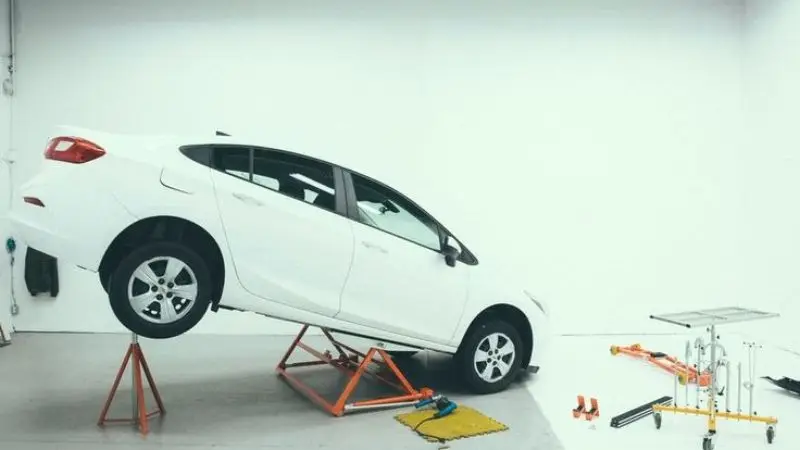
Overloading
Your lift can handle any car, but every lift has a weight limit. If you put too much weight on it, you risk breaking the lift or tipping it over. Overloading can damage the lift’s parts and make it unsafe for future use. Always check your car’s weight before you use the lift. Look at the manual or the label on the lift for the maximum weight. For example, a 4-post car lift often supports heavier vehicles, but you still need to check the limit each time.
Improper Use
Many accidents happen when people use lifts the wrong way. You should never use a lift for something it was not made to do. Do not use the lift to hold tools, store heavy boxes, or lift vehicles that are not centred. If you skip safety steps or ignore the locking devices, you put yourself at risk. Always follow the manufacturer’s instructions. Make sure you use the right lift for your vehicle and job. Common mistakes include:
- Lifting a car with someone inside
- Not using safety locks
- Placing the car off-center
- Using damaged or worn parts
Preventive Measures
You can avoid most hazards by following simple safety steps. Start with a checklist before each use. Keep the area around the lift clean and dry. Inspect the lift for signs of wear or damage. Never rush through the setup or lifting process. If you see a problem, stop and fix it before you continue.
Conclusion
You can make your home garage safer by using simple safety steps for lifting. Pick the right lift for your car every time. Check the weight limit before you use the lift. Look at your lift frequently to ensure it is safe.
- Read the manual each time before you use the lift
- Plan to do regular maintenance
- Call a pro if your lift needs repairs
FAQ
Which kind of lift is the safest for a garage at home?
A four-post lift offers the most stability. It’s suitable for repairs and storage. Although they require a sturdy floor, two-post lifts save space. For safety, always select a lift that has received ALI certification.
Can you install a car lift yourself?
Installing a lift by yourself is not advised. You require assistance moving bulky items and adhering to safety regulations. For final checks and wiring, hire an expert. This safeguards your garage and keeps you safe.
If your elevator is making odd noises, what should you do?
Immediately stop using the elevator. Unusual sounds may indicate wear or damage. Look for leaks or loose bolts. If you are unable to identify the issue, call a technician.
Is it safe to leave a car on the lift overnight?
You can leave a car on the lift overnight if you engage all safety locks. Make sure the lift is stable and the area is clear. Always check the lift before raising or lowering the car.