When you look for a ladder, you see many options. Step stools, step ladders, extension ladders, platform ladders, straight ladders, folding ladders, telescoping ladders, combination ladders, attic ladders, and fire escape ladders all belong to the main types of ladders. Each type is best suited for specific jobs or locations. Selecting the right ladder keeps you safe and helps you complete your work more efficiently. You need to know the different types of ladders so you can match the right one to your needs.
Types of Ladders
You will see many different types of ladders when shopping for tools. Each one helps you with various jobs. Some ladders work best indoors, while others allow you to reach high places outside. Let’s look at the main types of ladders you might use.
Step Stools
Step stools are small and light. You use them for quick tasks, such as reaching a shelf or changing a light bulb. They fit well in kitchens and closets.
Step Ladders
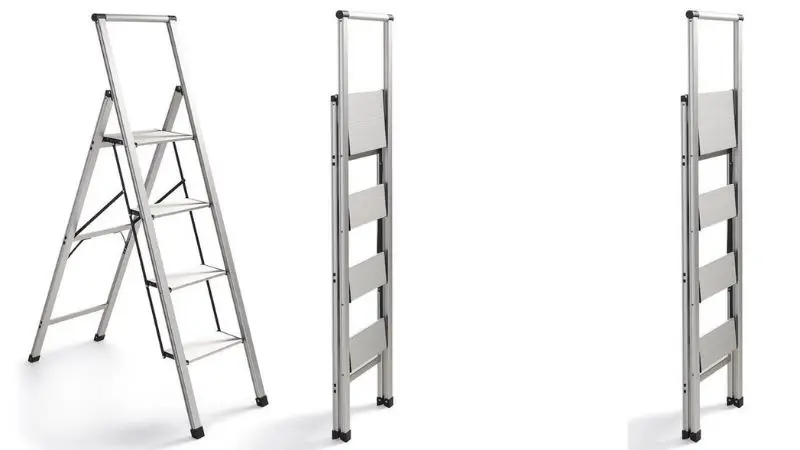
What type of ladder is best for painting? Step ladders stand on their own. You don’t need to lean them against a wall. You use step ladders for painting, cleaning, or hanging decorations. These ladder types are available in various sizes.
Extension Ladders
Extension ladders help you reach high spots outside. You can make them longer or shorter. You use extension ladders for cleaning gutters or fixing roofs.
Platform Ladders
Platform ladders have a flat top step. You stand on the platform to work safely. These types are ideal for jobs that require time, such as painting or wiring.
Straight Ladders
Straight ladders do not fold or extend. You lean them against a wall. You use these ladder types for simple tasks that require extra height.
Folding Ladders
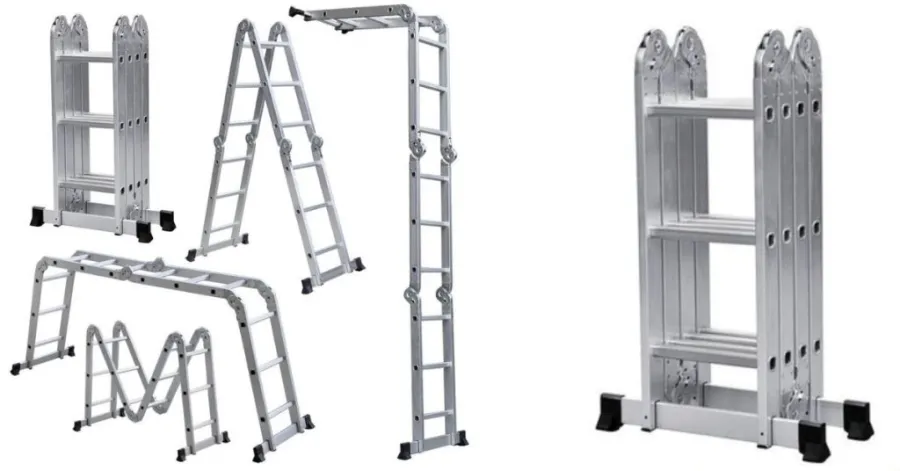
Folding ladders bend in different ways. You can store them easily. These types work well for people with little space.
Telescoping Ladders
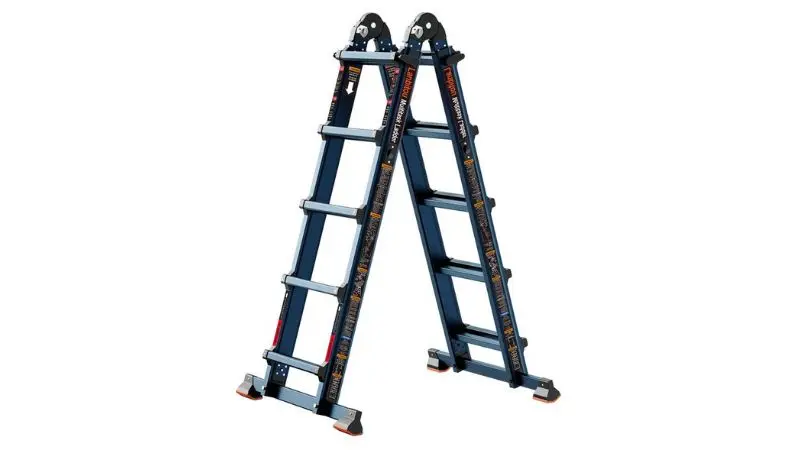
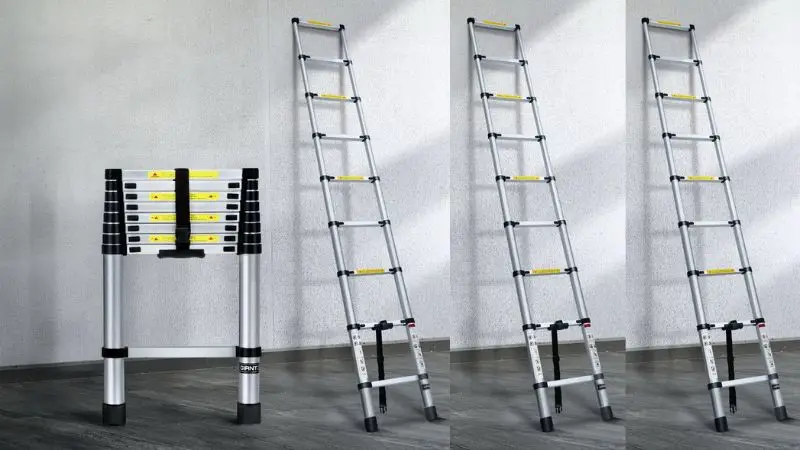
Telescoping ladders extend to various lengths. You carry them easily because they are compact. You use telescoping ladders for travel or quick repairs.
Combination Ladders
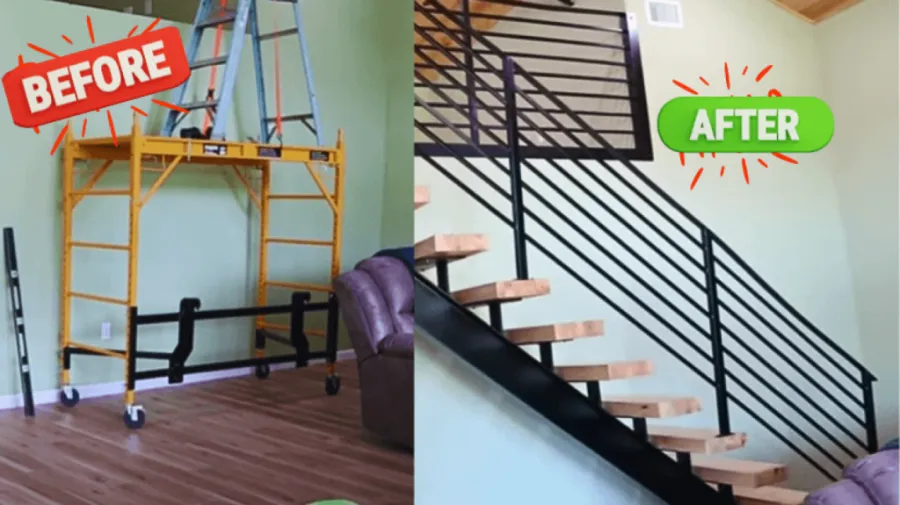
Combination ladders change shape. You use them as step ladders, extension ladders, or even scaffolding. These ladder types give you many options.
Attic Ladders
Attic ladders fold up into your ceiling. You pull them down when you need to reach your attic. These types save space and help you get to hard-to-reach places.
Fire Escape Ladders
Fire escape ladders help you leave a building quickly. You store them near windows. You use these ladder types only in emergencies.
Ladder Types and Their Uses
Features
When examining different types of ladders for construction work, you can observe several key features. Each ladder has a unique feature that helps you complete your job safely and efficiently.
- Step Stools: You get a small, lightweight ladder. Step stools have wide steps and rubber feet. You can carry them with one hand.
- Step Ladders: You notice a sturdy frame that stands alone. Step ladders have a spreader bar for stability. Some models have steps on both sides.
- Extension Ladders: You use rails that slide to reach higher places. Extension ladders have locking mechanisms. You get non-slip rungs and strong side rails.
- Platform Ladders: You stand on a large, flat platform. These ladders have guardrails for safety. You get a stable base for longer jobs.
- Straight Ladders: You see a simple design with two rails and rungs. Straight ladders do not fold or extend. You need to lean them against something solid.
- Folding Ladders: These ladders fold into compact shapes. Folding ladders have hinges and locking joints. You store them in small spaces.
- Telescoping Ladders: You slide sections out to change the height. Telescoping ladders have locking tabs. You carry them easily because they collapse.
- Combination Ladders: You change the shape for different jobs. Combination ladders work as step ladders, extension ladders, or scaffolding. You get extra flexibility.
- Attic Ladders: Pull these ladders down from the ceiling to use them. When not in use, attic ladders can be folded up for storage. You make your home less crowded.
- Fire Escape Ladders: Keep these ladders within easy reach of your windows. Ladders for fire escapes have hooks and rungs that don’t slip. You only use them in an emergency.
Common Uses
You pick a ladder based on your task. Each ladder is best suited for certain locations and specific tasks. Here’s how you match the ladder to your needs:
| Ladder Type | Best Uses | Environment |
| Step Stool | Reaching shelves, changing bulbs | Indoors (kitchen, closet) |
| Step Ladder | Painting, cleaning, decorating | Indoors & outdoors |
| Extension Ladder | Cleaning gutters, roof repairs, and tree trimming | Outdoors |
| Platform Ladder | Painting, electrical work, and long tasks | Indoors & outdoors |
| Straight Ladder | Simple height tasks, quick fixes | Indoors & outdoors |
| Folding Ladder | Home repairs, storage solutions | Indoors |
| Telescoping Ladder | Travel, quick repairs, RV use | Indoors & outdoors |
| Combination Ladder | Multiple tasks, DIY projects | Indoors & outdoors |
| Attic Ladder | Accessing attic, storage | Indoors (home) |
| Fire Escape Ladder | Emergency exit | Indoors (near windows) |
You use step stools for quick jobs in tight spaces. You grab step ladders when you need to reach a bit higher without leaning the ladder. You rely on extension ladders for outdoor work, like cleaning gutters or fixing the roof. You stand on platform ladders for jobs that take longer, such as painting or wiring. You lean straight ladders against a wall for simple tasks. You fold up folding ladders when you finish and store them easily. You slide out telescoping ladders for travel or repairs in small spaces. You switch combination ladders to fit your project.
Choosing Between Different Types of Ladders
Comparison Table
You want to make a wise choice when considering all the types of ladders. Each ladder has special uses, so you need to compare them side by side. Here’s a quick table to help you see the main differences:
| Ladder Type | Height Range | Portability | Safety Features | Best Uses |
| Step Stool | 1-3 feet | Very portable | Wide steps, rubber feet | Quick indoor tasks |
| Step Ladder | 4-12 feet | Easy to move | Self-supporting, spreader bar | Painting, cleaning |
| Extension Ladder | 16-40 feet | Bulky | Locking rails, non-slip rungs | Outdoor repairs |
| Platform Ladder | 4-16 feet | Moderate | Guardrails, platform | Long indoor/outdoor jobs |
| Folding Ladder | 4-8 feet | Very portable | Hinges, locking joints | Home repairs, storage |
| Telescoping Ladder | 8-16 feet | Compact | Locking tabs | Travel, quick fixes |
| Combination Ladder | 6-20 feet | Moderate | Multi-position locks | DIY projects, multiple uses |
| Attic Ladder | 8-12 feet | Fixed | Slip-resistant steps | Attic access |
| Fire Escape Ladder | 12-25 feet | Portable | Hooks, slip-resistant rungs | Emergency exit |
Selection Tips
You want to feel confident when choosing the right ladder. Here are some tips to help you pick the best one for your needs:
- Check the height you need. Some types work better for tall jobs, while others are better suited for small spaces.
- Think about how often you will move the ladder. Lightweight ladders help if you need to carry them frequently.
- Look for safety features. Guardrails, non-slip feet, and locking parts keep you safe.
- Match the ladder to your task. Some ladders have specialized uses, such as attic access or emergency escape.
- Always read the weight rating. Make sure the ladder supports you and your tools.
You see that the types of ladders offer many choices. When you know the uses for each type, you make better decisions. You feel more confident and safe every time you climb.
Final Thoughts
Choosing the right ladder keeps you safe and helps you complete your work more efficiently. You need to look at the features, uses, and where you plan to use the ladder. Always check the safety tips and read the manufacturer’s instructions. The right ladder can make a tough job easier.
FAQ
Which ladder should you use to paint high walls?
For tall walls, you need an extension ladder. A platform ladder may be a suitable choice if you need to stand for an extended period. Both give you more height and help you stay steady.
How can you tell if a ladder is safe to use?
Look for missing parts, loose steps, or cracks. Ensure the feet are firmly planted on the ground. Always check the weight rating. If you see any damage, pick a different ladder.
Can you use a step ladder outside?
Yes, you can use a step ladder outside. Put it on flat ground. Before you climb, make sure the ladder is stable.
What kind of ladder works best in small spaces?
You need either a telescoping ladder or a folding ladder. Both are easy to store and fit in small spaces. You won’t have any trouble carrying them.
Do all windows work with fire escape ladders?
Not all the time. Before you buy, measure your window. Some fire escape ladders need a specific size of sill. Ensure it fits by referring to the instructions.