Ever wondered when is the best time of the year to trim trees? The answer is winter. During the cold months, trees rest, so pruning puts less stress on them. With no leaves in the way, you can see every branch clearly and make cleaner cuts. Using the right tools, like a sharp chainsaw, makes the job easier and safer. Winter also means fewer pests and diseases, so wounds heal faster. Late winter is even better, as trees prepare for spring growth. While a few trees need different care, most benefit from a winter trim. Choosing this season keeps your trees healthy, your yard neat, and your pruning work safer and easier.
What is the Best Time of Year to Trim Trees
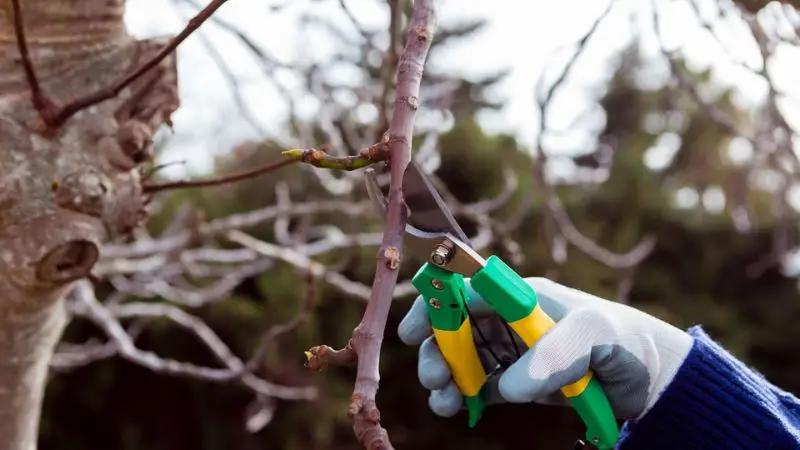
Choosing the right season for pruning isn’t just about looks—it’s about your tree’s health and growth. The wrong timing can leave a tree stressed, vulnerable to pests, or slow to recover. The right timing, on the other hand, helps trees heal faster, grow stronger, and look better year-round. With the right timing—and the right tools, such as a sharp chainsaw for thicker branches—you’ll get safer and cleaner results.
So, when exactly should you trim? Let’s look at the seasons that give you the best results.
Dormant Season
You might wonder about the best time of year to trim trees. Most experts agree that the dormant season, especially late fall through winter, is the ideal choice. During this time, trees are resting, and pruning gives them the chance to recover without extra stress. Cold weather also keeps bugs and diseases away, so cuts remain clean and heal faster. Since leaves have already dropped, you can clearly see the tree’s shape and spot weak or crossing branches more easily.
Here’s why the dormant season works so well:
- Trees experience less stress from pruning.
- Cuts heal more quickly.
- Pests and diseases are less likely to spread.
- The bare branches give you a clear view of the structure.
If you’ve ever asked, “Is winter a good time to trim trees?” the answer is yes. In fact, research shows most trees respond best when trimmed in winter, since new buds are protected and the risk of spreading disease is lower. Choosing this season sets your trees up for strong, healthy growth in spring.
Mid-February to Early May
You might also ask if there’s a perfect window within the dormant season. Mid-February to early May is one of the best times to trim oak trees, fruit trees, and even evergreens. During this period, trees are still resting but close to waking up. This timing allows cuts to heal before new growth begins.
When you prune before buds open, your tree can focus its energy on strengthening healthy branches. Waiting too long into late spring risks cutting into new growth, which can slow progress.
Pruning between late winter and early spring gives you the best results—healthy trees, strong branches, and a safer yard overall.
Why Timing Matters
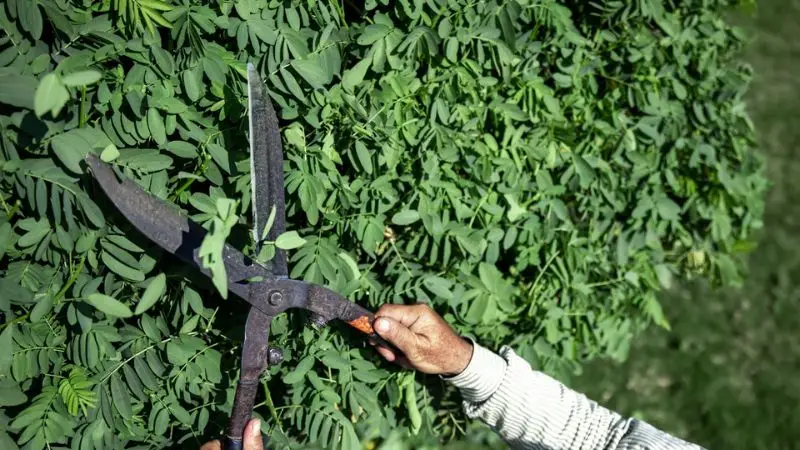
Pruning is more than just cutting branches—it’s about choosing the right moment. The season you pick affects how well your tree heals, how strong it grows, and even how safe your yard remains. Trim at the right time, and your tree thrives. Trim at the wrong time, and you may end up with stress, weak growth, or safety risks. That’s why understanding proper timing is just as important as using the right tools.
How Timing Affects Tree Health
Many people assume trees can be trimmed anytime, but that’s not the case. Timing directly impacts a tree’s health and recovery. When you prune during the right season, cuts close quickly, pests stay away, and your tree uses energy to grow new, healthy branches.
On the other hand, trimming in late spring or summer can remove too many leaves. Since leaves produce food for the tree, losing them makes it weaker. The best approach is to prune during the dormant season, when trees rest and repair more easily, ensuring they return strong once growth begins again.
How Timing Improves Safety
Timed pruning not only benefits the tree, but it also benefits you. Branches, which are weak or dead, are risky, particularly in the case of a storm or high winds. When you wait to prune, these branches may fall and cause harm to cars, roofs, or even harm other people on the ground. By trimming at the right time, you remove risks before they turn into accidents.
Clear, safe trees also keep walkways and driveways free of falling debris. Choosing the correct season for pruning means you’re protecting your home, your family, and your landscape while keeping your trees both healthy and secure.
When to Prune Trees: Important Exceptions
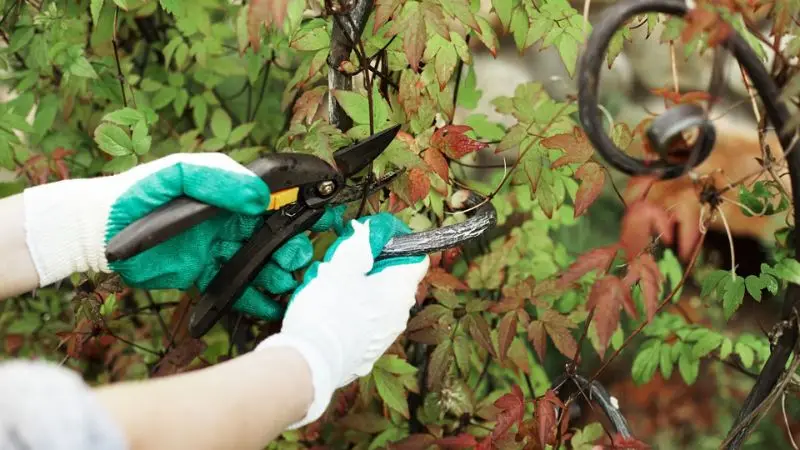
While the dormant season is often the best choice, not every tree follows the same pattern. Flowering trees, fruit-bearing varieties, and even trees in different climates sometimes require different timing. Knowing these exceptions helps you avoid cutting off buds too early or stressing a tree during the wrong season. By learning the unique needs of your trees, you’ll enjoy more blooms, healthier harvests, and safer landscapes.
Pruning Flowering and Fruit Trees
Flowering and fruit trees need special attention when it comes to timing. For spring-flowering trees, the best practice is to prune right after the blossoms fade. Doing so ensures you don’t accidentally remove next year’s buds.
If you’re wondering when to trim fruit trees like apples and pears, late winter is usually the safest window. This prepares the tree for a strong harvest season ahead. The same principle applies if you’re looking for the best time to trim oak trees—late winter pruning helps shape the tree and prevents damage when growth restarts in spring.
Removing Dead, Damaged, or Diseased Branches
Not every situation allows you to wait for the right season. If you spot a dead, broken, or diseased branch, it’s best to act immediately. Leaving those branches in place invites pests and makes it easier for disease to spread.
Worse, weak limbs may snap during a storm and cause damage. Quick action keeps your tree safe and your yard hazard-free. Even if you’re asking if winter is a good time to trim trees, remember that safety pruning can happen any time of year when your tree’s health is at risk. Using a chainsaw for tough, heavy branches makes the job faster and safer.
Considering Climate Differences
Climate has a significant effect on pruning schedules. The dormant period is the most appropriate period for pruning oak and most other trees in areas with cold winters. Nevertheless, under the mild conditions where trees do not go into as deep rest, the pruning regulations change. Some species respond to light trimming during summer, whereas large-scale cutting would still be done in the cooler seasons.
When you wonder when to trim the evergreen trees or other kinds of trees in hot climates, it is not always advisable to prune during hot seasons. Never forget to look at your conditions at home first before picking up your tools, since what is good in one area may not be the best in another.
How to Decide If Your Tree Needs Pruning
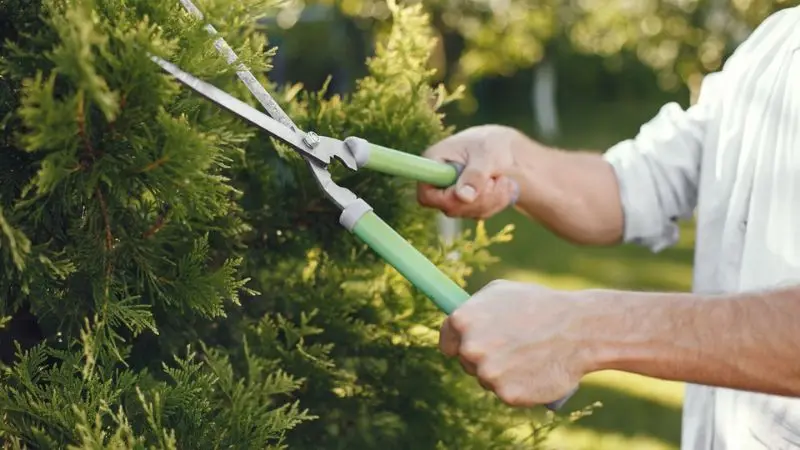
Knowing when it’s time to prune can sometimes be tricky. Trees don’t always make it obvious, but there are signs you can watch for. Some trees may need immediate care for safety, while others simply benefit from routine trimming. By paying attention to your tree’s condition, you’ll know whether you can handle it yourself or need to call in a professional.
Signs That Show Your Tree Needs a Trim
Trees often give clues when they need pruning. Hanging or crossing branches, for example, can rub together and cause wounds. Dead or broken limbs are easy to spot since they snap or look dry. Even leaves turning brown too early may point to branch trouble. If you’ve been wondering when to trim evergreen trees or the best time to trim oak trees, these visible signs help guide your timing.
Key signs to watch for include:
- Branches blocking walkways or driveways
- Limbs touching your roof or power lines
- Spots where branches rub together
- Dead, cracked, or split wood
- Signs of disease, such as fungus, mushrooms, or odd spots
Acting quickly when you see these problems keeps your tree healthier and your yard safer.
When to Consult a Professional Arborist
Sometimes pruning is simple, but there are times when calling an expert is the smartest choice. If your tree looks sick, stands close to your house, or reaches into power lines, it’s safer to have a professional handle it. Arborists know how to judge when to trim fruit trees and the best time to trim oak trees so growth isn’t harmed. They also use proper tools and safety techniques that homeowners often don’t have.
Consider calling an arborist if you notice:
- A large tree leaning near your home
- Visible signs of disease or decay
- Uncertainty about pruning techniques
- Branches too high or heavy for safe handling
By consulting an arborist, you protect both your property and your trees, ensuring they stay strong for years to come.
Wrap Up
Pruning trees is about more than just shaping branches—it’s about choosing the right time and method for each tree. If you’ve been wondering about the best time of the year to trim trees, it usually comes during the dormant season. Whether you’re thinking about the best time to trim oak trees, wondering when to trim fruit trees, or deciding when to trim evergreen trees, timing makes all the difference.
Most trees respond best during the dormant season, and if you’ve ever asked, “Is winter a good time to trim trees?” the answer is yes. With the right care, you’ll enjoy healthier trees, safer yards, and beautiful growth that lasts season after season.
FAQ
Is it ever too late in the year to trim my trees?
If you wish to complete significant pruning, then there should be a spring-to-spring growth. Missing that slot–you wait till the next dead season. During summer, light trimming is acceptable, but heavy trimming should be avoided.
Can I trim my trees myself?
The right tools allow you to work with small trees or even low branches. In the case of large trees or branches that are close to power lines, call an expert. Safety comes first!
Will trimming hurt my tree?
When you prune in good time and with sharp tools, your tree will have no trouble healing. Never cut more than you wish to. To be healthy, your tree must have leaves.
At what frequency do I trim my trees?
The majority of tree species require pruning once every 1-3 years. Trees that grow at a fast rate might require it frequently. Nobody has noticed dead or crossing branches and clips them. With frequent inspections, you can have your trees in excellent condition and identify everything when it is early.