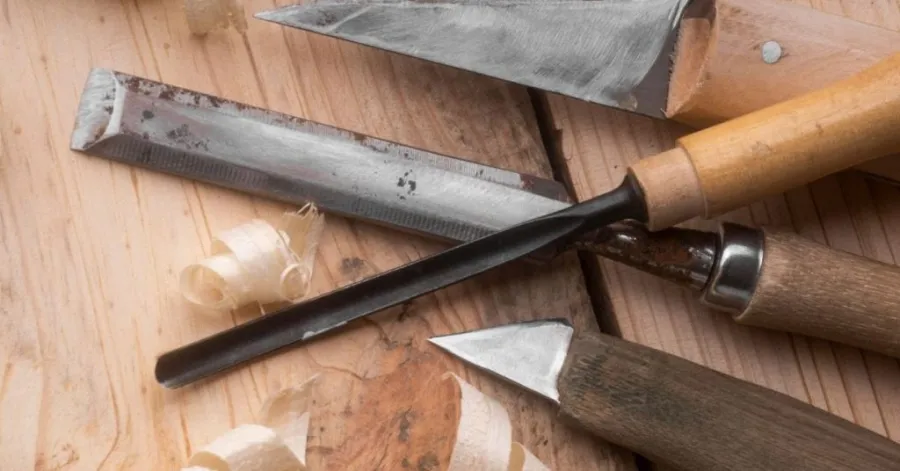
Ever wondered how to cut wood without a saw? The truth is, you don’t always need fancy tools like a chainsaw to get the job done. For small wood projects, everyday items you already have at home can be surprisingly effective. A sharp utility knife can handle thin pieces, a chisel can help shape or split wood, and even a sturdy hammer can break down small sections.
These methods may take a little more patience, but they work well for different wood types and thicknesses. With some creativity, you can tackle simple projects and discover new ways to work with wood.
Methods to Cut Wood Without a Saw
You might think a saw or even a chainsaw is the only way to cut wood, but that’s not always true. Many common tools around the house can work just as well. These alternatives to using a saw are especially handy when you only have small projects or thin boards to deal with. By choosing the right tool, you can make neat cuts, shape wood, or even split thicker pieces. Let’s explore some practical methods for cutting wood without a saw and when each one works best.
Cutting Wood with a Utility Knife
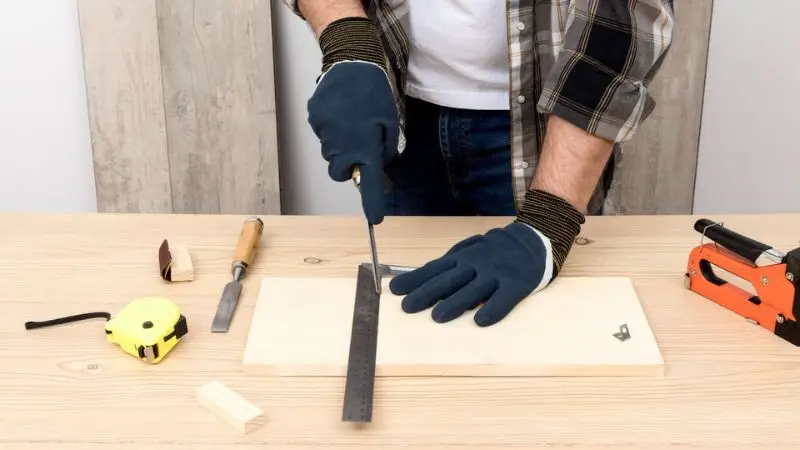
One of the easiest alternatives to using a saw is a utility knife. This tool is simple, sharp, and useful for thin materials such as balsa, plywood, or craft sticks. Instead of forcing your way through, you score the wood until it weakens and snaps cleanly. That’s why many people consider this the simplest answer to how to cut wood with a knife at home.
- Place the wood on a flat, sturdy surface.
- Mark your line with a ruler or straight edge.
- Run the knife along the line several times to score it.
- Flip the wood, score the other side, then bend until it snaps.
This method is best for craft projects, thin sheets, and quick household fixes. Always keep the blade sharp for safer, cleaner cuts.
Cutting Wood with a Chisel and Hammer
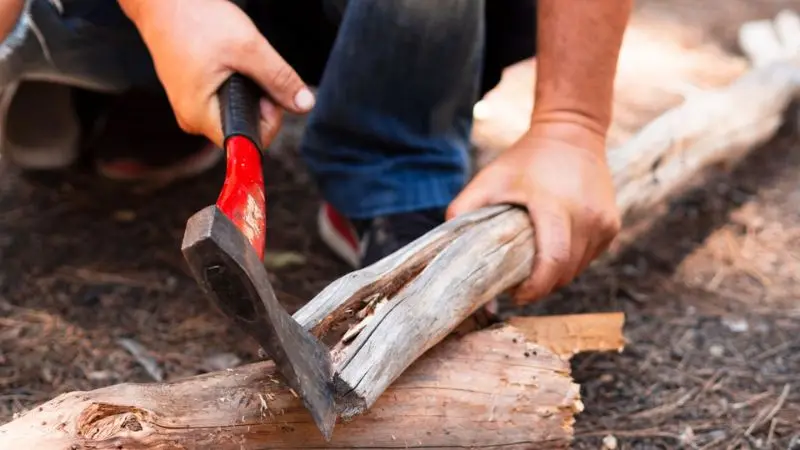
The use of a hammer and chisel to saw wood is appropriate when thinner slices of wood are being cut. This technique is slower but can be rather effective for thinner pieces of softwood and medium boards, especially when learning how to cut wood with a chisel.
- Mark a clear, straight line and rub the surface with a pencil for better visibility.
- During the cut, hold the chisel with the edge angled away from the surface and plunge it into the surface.
- With the hammer, lightly strike ‘cut’ before diving into hammer cuts.
- Continue hitting the line with the chisel so that the cut gets deeper until the wood piece can be split.
The technique works best with rough cuts, basic shapes, and slabs of wood that need to be divided. Always wear safety goggles to protect your eyes from wood chips.
Using a Router for Clean Cuts
For smoother edges and straight cuts, a router is an excellent alternative to a chainsaw. It’s more advanced than a knife or chisel but works well for medium-thickness wood. If you’re curious about alternatives to using a saw that give professional-looking results, a router is worth trying.
- Clamp the wood securely to your workbench.
- Fix a straight edge along the cutting line.
- Adjust the router bit to the right depth.
- Guide the router steadily, making multiple passes if needed.
This tool is best for projects requiring grooves, straight edges, or decorative finishes. Since routers can be loud, ear protection is a smart precaution.
Use of Jigsaw with a Guide
A jigsaw is another alternative method for cutting wood if a saw is not easily accessible. Jigsaws cut curves, straight lines, and even some thicker boards, provided the right blade is used. It’s great when you want cutting flexibility and precision.
- Mark the cutting line on the wood.
- Clamp a straight edge or a guide next to the line.
- Hold the jigsaw firmly and slowly cut along the guide.
- Fine-tooth blades give you the cleanest results.
This method is great for curved shapes, detailed work, and cutting larger boards. It’s the best balance if you want control and power.
Simple Hand Techniques for Cutting Wood Safely
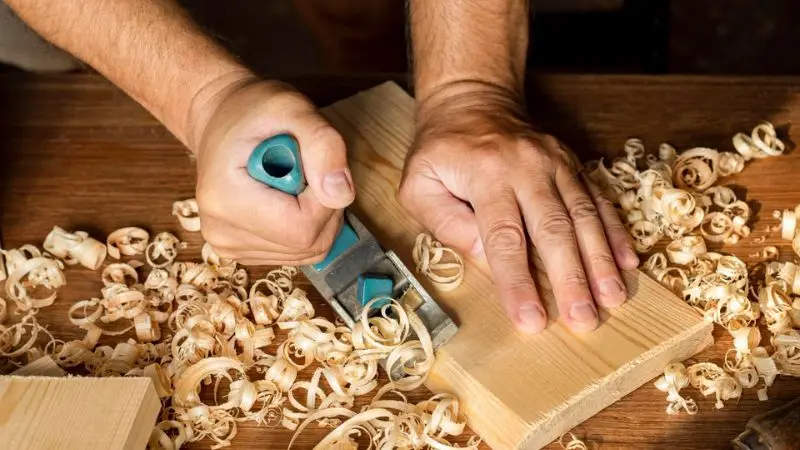
Cutting wood by hand can feel tricky, but you can get great results with the right tricks. Let’s look at some easy ways to make your cuts straight and safe.
How to Cut Wood by Hand Using a Straight Edge
A straight edge is your best friend when you want a clean, straight cut. You can use a metal ruler, a level, or even a sturdy piece of wood as your guide. Here’s how you do it:
- Place your wood on a flat, stable surface.
- Mark your cutting line with a pencil.
- Line up your straight edge with the mark.
- Clamp both the wood and the straight edge to your work surface. This keeps everything from moving.
- Use your cutting tool (like a utility knife or chisel) and run it along the straight edge. Keep your hand steady and make several light passes instead of one deep cut.
Clamps help you keep the wood and the straight edge in place. If you don’t have clamps, ask a friend to hold the straight edge for you.
Using a straight edge helps you avoid wobbly lines. You get a professional look, even if you’re just starting out.
Making Diagonal Cuts for Thicker Wood
Sometimes, you need to cut thicker wood, and going straight through can be tough. Here’s a trick: cut diagonally from both sides. This method works well when you want to know how to cut wood without a saw and still get a neat finish.
- Start by marking your line on both sides of the wood.
- Use your knife, chisel, or another tool to score along the line on one side.
- Flip the wood over and score along the same line on the other side.
- Work at a slight angle, making shallow cuts each time.
- Keep going back and forth until the cuts meet in the middle.
This technique helps you avoid splintering and makes it easier to break the wood cleanly. You’ll find it especially useful for thicker boards or when you want a smoother edge.
Important Safety Tips for Hand Wood Cutting
Safety always comes first when you work with wood and sharp tools. Here are some simple rules to keep you safe:
- Wear safety goggles to protect your eyes from flying chips.
- Use gloves if you want extra grip and to avoid splinters.
- Always cut away from your body. Never point the blade toward yourself.
- Keep your fingers clear of the cutting line.
- Make sure your work surface is stable and won’t move while you cut.
- Take your time. Rushing can lead to mistakes and injuries.
If you feel tired or your hands get shaky, take a break. It’s better to go slow and stay safe.
You don’t need fancy equipment to learn how to cut wood without a saw. With a straight edge, careful diagonal cuts, and good safety habits, you can handle most small wood projects right at home.
Creative Woodworking Tips You Can Try at Home
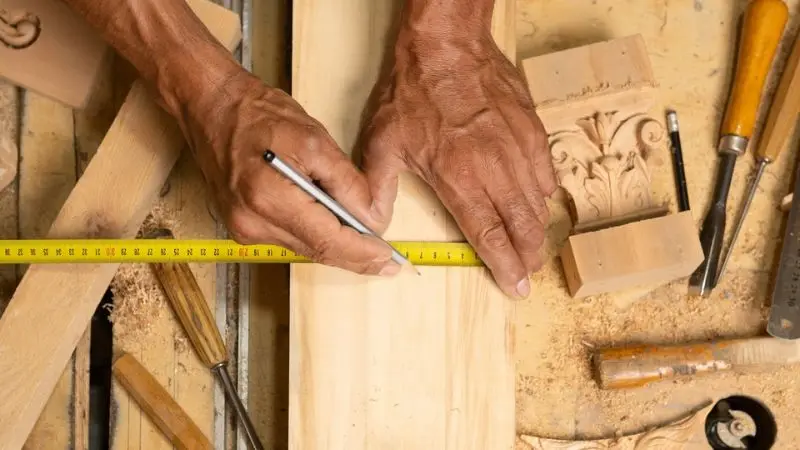
Woodworking doesn’t always require special equipment. Sometimes, the best results come from using what you already have at home. With a little creativity, common household tools can help you shape, smooth, and even cut wood. These small tricks save time and money while giving you more freedom to experiment. Let’s explore some clever household tool hacks and how to choose the right method for your project.
Household Tool Hacks
You might be surprised at how many everyday items can double as woodworking tools. If you’ve ever wondered about alternatives to using a saw, this is where creativity comes in. From smoothing splinters to scoring thin boards, simple tools around the house can make a big difference.
- Sandpaper for Smoothing Edges
After making a cut, splinters are common. Rubbing sandpaper along the edges softens the surface and gives it a cleaner look. Wrapping sandpaper around a small block of wood also makes it easier to grip and control. - Duct Tape for Cleaner Cuts
Placing duct tape along your cutting line reduces splintering. Once you finish, peel it away to reveal a smoother edge. It’s a simple trick that helps when cutting wood without a saw or other precision tools. - Kitchen Knife for Thin Wood
If you don’t own a utility knife, a sturdy kitchen knife can be used to score thin wood. With patience, you can figure out how to cut wood with a knife by making firm, shallow passes until the wood weakens enough to snap. - Screwdriver as a Chisel
A flathead screwdriver can serve as a makeshift chisel. Lightly tapping it with a hammer lets you split smaller pieces of wood or chip away at problem areas.
Before trying any of these hacks, always check your tools for cracks or damage. A broken knife, screwdriver, or even sandpaper block can make the task more difficult and unsafe.
How to Choose the Right Method
Deciding how to cut wood comes down to the project you’re working on and the tools you have available. Thinner materials respond well to knives or sandpaper, while thicker boards may require chisels, drills, or routers. If you’re learning how to cut wood with a drill, for example, you’ll find it works best for making holes or carving out sections rather than slicing all the way through.
Instead of worrying about the “perfect” tool, think about what’s practical for your situation. You can mix and match different methods until you find one that works best. Even if you make mistakes, each attempt teaches you something new. Woodworking is as much about creativity and problem-solving as it is about cutting wood cleanly.
Wrap Up
Cutting wood doesn’t always mean reaching for a saw. With a little creativity and patience, you can use everyday tools like knives, chisels, drills, or even sandpaper to handle most small projects. These alternatives to using a saw are practical, affordable, and surprisingly effective when matched to the right type of wood. Whether you’re learning how to cut wood without a saw, experimenting with a chisel, or trying diagonal cuts, the key is working slowly and safely. Mistakes are part of the process, but each attempt builds skill. Enjoy the craft, stay safe, and let creativity guide your woodworking.
FAQ
Is it possible to cut hardwood without a saw?
Sawing is one of the conventional methods, but it is not the only one. The effort a jigsaw requires is the same as that of a hammer and chisel for hardwood. Thin pieces of hardwood are easy to cut with a utility knife, provided it is sharpened. The use of the above methods requires the utmost caution and the use of proper personal protective equipment.
What if I do not have any clamps?
In the absence of clamps, ask a friend to hold one side of the wood while the other side is sitting on the table. Surely, you can use some heavy books or bricks to hold one side down. The main thing is that nothing at all should move while you are cutting.
Are there any safety issues that need to be considered?
Generally speaking, while kids are young, parents should be in close supervision of them. Kids need to be provided with protective equipment like goggles and age-appropriate equipment like hammers and scissors. Definitely, kids should not be left unsupervised to use any sharp blades.
How can I be sure that my cuts are straight?
Use a straight piece of wood as a guide. Mark your cut line ahead of time with some form of pencil. Make sure proper clamping is done if possible.
What do I do when I start to notice splinters?
The first thing you should do is not panic; it is not the end of the world. Grab some sandpaper and try to polish the edge. One of the methods to minimize splintering is to apply duct tape on the edge of the wood along the cut line before you cut. This would avoid splintering and achieve a clean finish.