Learning how to use a car jack lift safely can save you trouble when you face a flat tire. You might feel nervous the first time, but you can handle changing a tyre with the proper steps. Using a car jack is not just about lifting—it is about following safety measures and correct usage guidelines. Always check your owner’s manual for which car jack you should use. Here’s a safety note: never skip safety steps, even for a quick flat tire fix.
Preparation Steps
Park on Level Ground
Before you even touch your car jack, make sure you park your car on solid, level ground. Avoid dirt, grass, or any uneven surface. These spots can cause your jack to slip or sink, which is dangerous. Look for a flat driveway or a parking lot. If you’re on the side of the road, try to find the flattest spot possible.
Secure the Vehicle
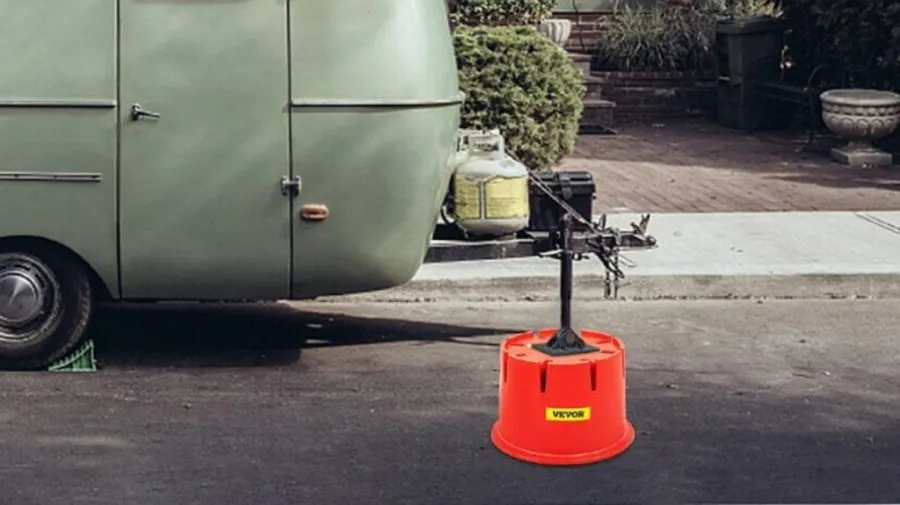
You want your car to stay put while you work. First, engage the parking brake. This stops the car from rolling. Next, place wheel chocks or heavy objects behind the wheels that will stay on the ground. This step helps secure the vehicle and keeps it from moving.
If you drive a manual, shift into first gear. If you have an automatic, put it in park. Double-check everything before you start lifting. You need to secure the vehicle every time you use a car jack. Never skip this step, even if you’re in a hurry.
Gather Tools
Get all your tools ready before you start. You’ll need your car jack, jack stands, a lug wrench, and wheel chocks. Gloves and safety glasses are a good idea, too. Lay out your tools where you can reach them easily. This way, you won’t have to search for anything while your car is lifted. Being prepared helps you work faster and safer. You should also have a step-by-step guide to using a car jack for beginners to follow.
Checklist:
- Car jack
- Jack stands
- Lug wrench
- Wheel chocks
- Gloves and safety glasses
Choose and Position the Jack
Choose a Jack
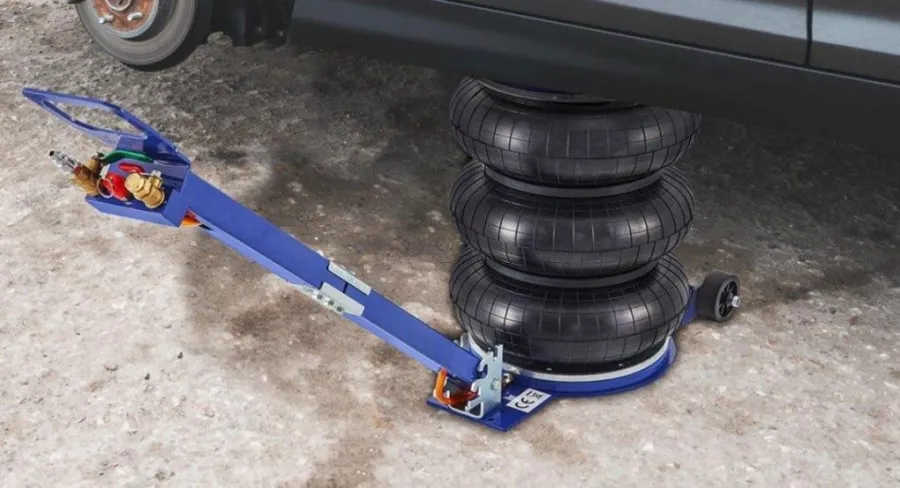
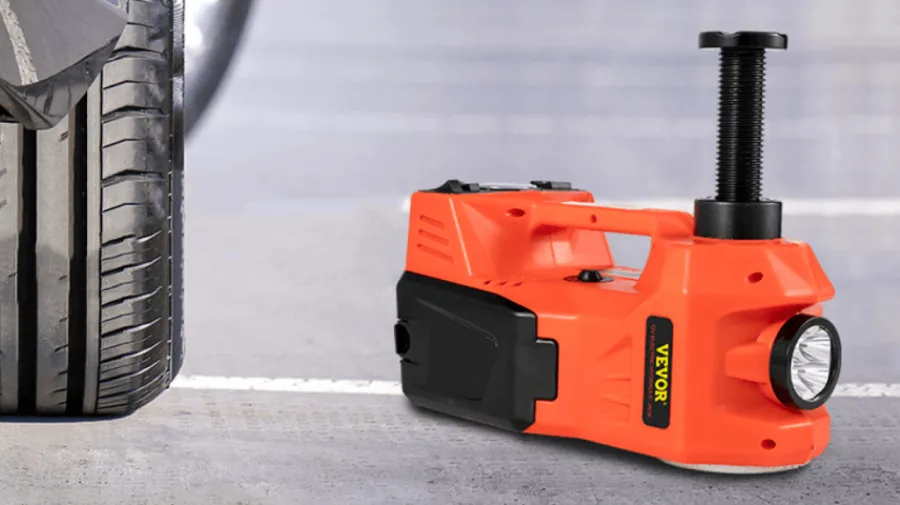
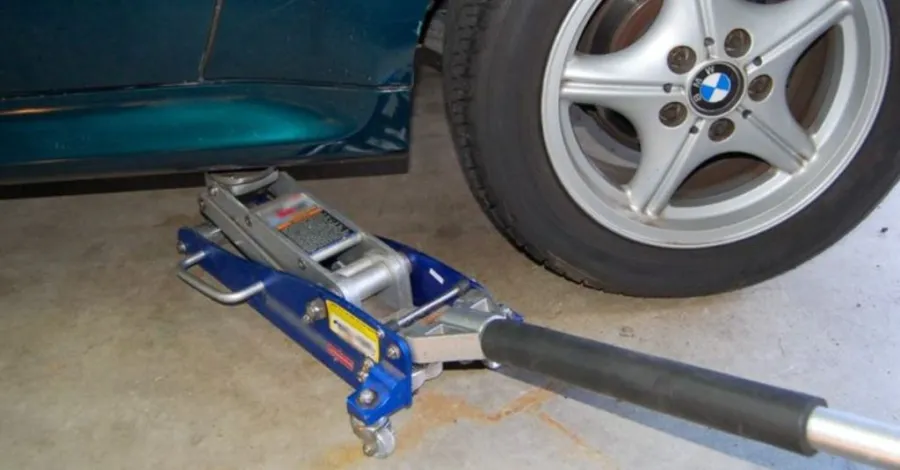
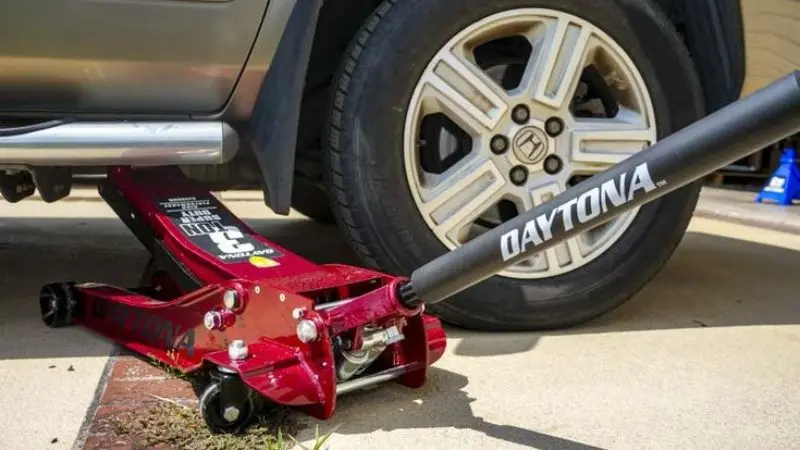
Which car jack should I use for your car? Start by checking your owner’s manual. It will tell you the types of car jacks that work best for your vehicle. Most cars come with a scissor jack or a floor jack. Using a scissor jack is common for quick tire changes.
Lifting a car with a floor jack provides more stability and makes pumping easier. Both types of car jacks have weight limits. Never use a jack that cannot handle your car’s weight. If you want to know how to use a car jack lift, always pick the right tool for the job. You can also opt for a portable jack for any repair on the go.
Find Jack Points
Now, let’s talk about jacking points. These are also called safe lift points. You can find them in your owner’s manual or sometimes marked on your car. Never guess where to lift. Using a car jack in the wrong spot can damage your car or cause it to slip.
Look for the jacking points near the wheels or along the frame. These car jacking points are strong enough to hold your car. Always double-check that you are using the correct jacking points. If you are not sure, ask a mechanic or look up a guide for your car model.
Position the Jack
Once you find the jacking points, position the jack directly underneath them. Make sure the jack sits flat on the ground. If you want to know how to use a car jack lift safely, this step is crucial. Place the jack under the safe lift point and check that it lines up straight. If you use the wrong spot, the car can slip or fall.
Always use the safe lift points and never try to lift more than the jack’s weight limit. If you are using a car jack for the first time, take your time and check everything twice. Learning how to use a car jack lift is all about patience and safety.
| Types of Car Jacks | Best Use | Weight Limit |
| Scissor Jack | Emergency tire change | Check manual |
| Floor Jack | Garage work | Higher capacity |
| Bottle Jack | Trucks/SUVs | Heavy vehicles |
How to Jack a Car Safely
Raise the Car
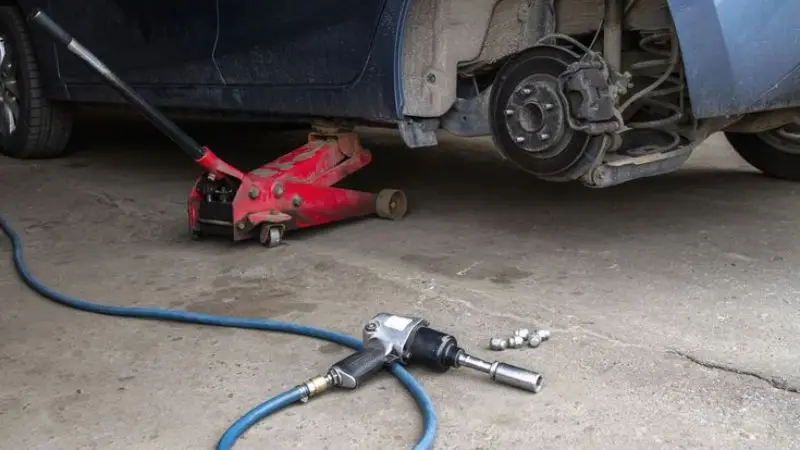
You are ready to lift the car now that your jack is in place. Depending on what kind of jack you have, you can either turn the handle or pump the lever to get it going. Take it easy. You want to lift the car slowly. Keep an eye on the car as it goes up. Check to see that the jack doesn’t lean or tilt. Stop right away and lower the car if you see the jack moving. Check your setup and try again. This is a simple, step-by-step guide on how to use a hydraulic jack to lift a car safely:
- Make sure your jack is on level, solid ground.
- Make sure the jack is lined up with the right lift point.
- Start to lift the car slowly. Watch the jack and the car at the same time.
- Stop lifting as soon as the tire is off the ground. You don’t have to raise the car higher than necessary.
Use Jack Stands
You need to use jack stands now that the car is up. Never leave the jack unattended with your car. Jacks can slip or break. Jack stands help you. Put the jack stands under the vehicle where your manual says to. To lower the car gently onto the stands, turn the jack handle the other way.
Before you let go of the jack, make sure the car is entirely on the stands. Important safety tip: Always use jack stands that are rated for the weight of your car. Do not use bricks, wood, or other makeshift supports. To put the jack stands in the right place:
- Get the car to the correct height.
- Put the jack stands under the safe lift points.
- Slowly lower the car until it rests on the stands.
- Take the jack out when the car is safe.
Check Stability
Before you start working under your car, check that everything is stable. Give the car a gentle push or rock. The car should not move or wobble. If it does, stop and fix the setup. You want to feel safe before you crawl underneath. Here are some common mistakes to avoid when you jack up the vehicle:
- Lifting on a busy road or soft ground.
- Using a jack that is too small for your car.
- Forgetting to use jack stands.
- Trying to raise the car with makeshift supports.
Lowering and Finishing Up
Remove Jack Stands
You finished your work under the car. Now it’s time to get everything back to normal. First, grab your jack and place it under the same lift point you used before. Raise the car just enough so the jack stands feel loose. Carefully slide each jack stand out from under the car. Keep your hands and feet clear. Never rush this step. If you feel the car shift, stop and check your setup. Safety always comes first.
Lower the Car
Now you have to put the car back on the ground. Slowly turn the handle on the jack. Look at the car as it comes down. Make sure it lands softly on the tires. You could break something or make the car bounce if you lower it too quickly. Don’t rush. You want the car to stay flat and still on the ground. When the car is down, take the jack off and put it away.
- Make sure there is nothing under the car.
- Slowly and carefully lower the car.
- When you’re done, take off the jack.
Last Checks
Take a look around your work area before you leave. Get all of your tools, jack stands, and wheel chocks. Make sure the car is level and feels stable. Take a quick look at each tire. If you changed a tire, make sure all the lug nuts are tight. You want to leave nothing behind and keep your car safe while driving.
Conclusion
You now know how to use a car jack lift safely. Here are the most important rules to keep in mind:
- Always use jack stands. Don’t ever trust the jack by itself.
- Don’t rush. You can make mistakes if you rush.
- Go over each step before you start.
- Use the right tools on your car.
Every time you lift your car, be safe and sure!
FAQ
How can I tell if my jack is safe to use?
Look for rust, cracks, or leaks on your jack. Be sure that it works well. Do not use it if it is broken. Always read the safety tips in your owner’s manual.
Can I use a car jack on any kind of ground?
Only use a car jack on flat, solid ground. Don’t walk on grass, dirt, or gravel. The jack may slip or sink on these surfaces. A garage floor or driveway is best.
Do I need jack stands every time I lift my car?
Yes, you always need jack stands. Don’t ever leave your car on the jack by itself. If the jack fails, the jack stands will keep you safe. Before you start working, put them under the right lift points.
What should I do if my car starts to slide while I’m lifting?
Stop right now. Slowly lower the car and check your setup. Make sure the jack is on solid ground and is in line with the lift point. Only try again when everything seems safe.