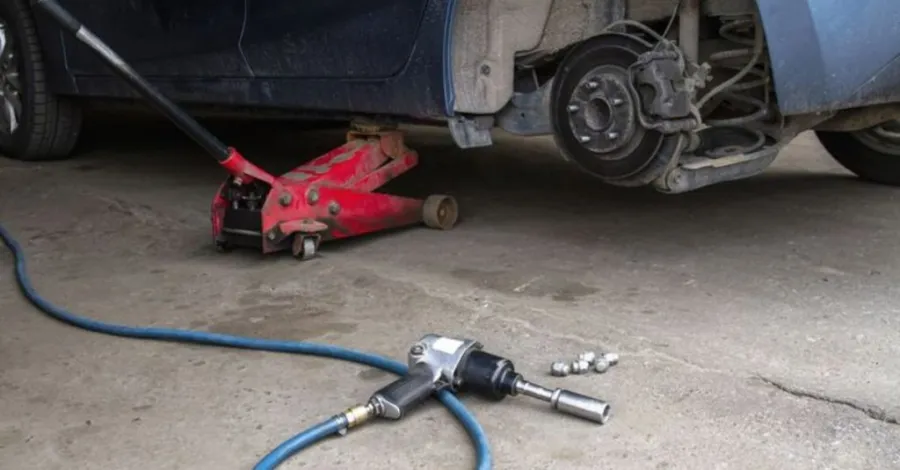
If you want to know how to safely jack up a car, you’re in the right place. How to safely jack up a car starts with understanding the right steps and using proper safety measures. Many beginners skip important details and risk injury or damage. To safely jack up a car, park on level ground, use the correct tools, and stay focused. You might feel nervous, but the proper method allows you to use a car jack easily. Take your time, follow each step, and you’ll safely jack up your car with confidence.
Tools and Gear
Before you start using a car jack, you need the right tools and gear. Picking the right equipment helps you stay safe and makes the job easier. Let’s break down what you need.
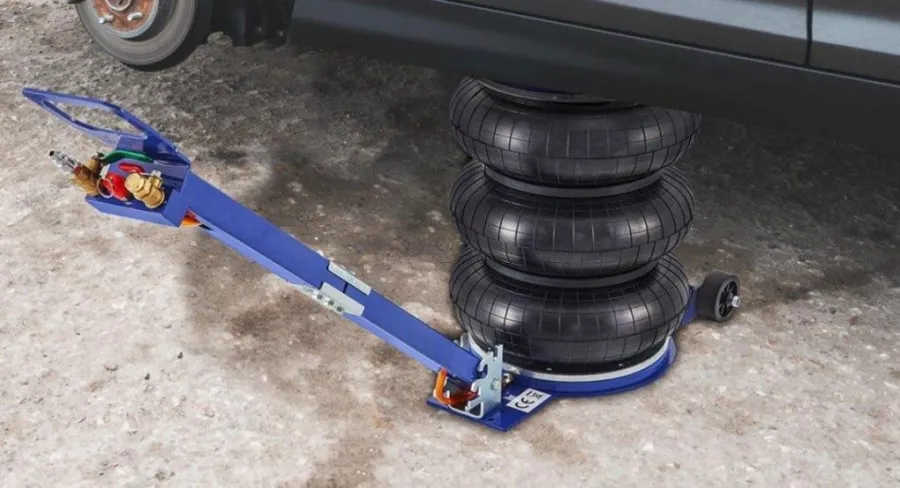
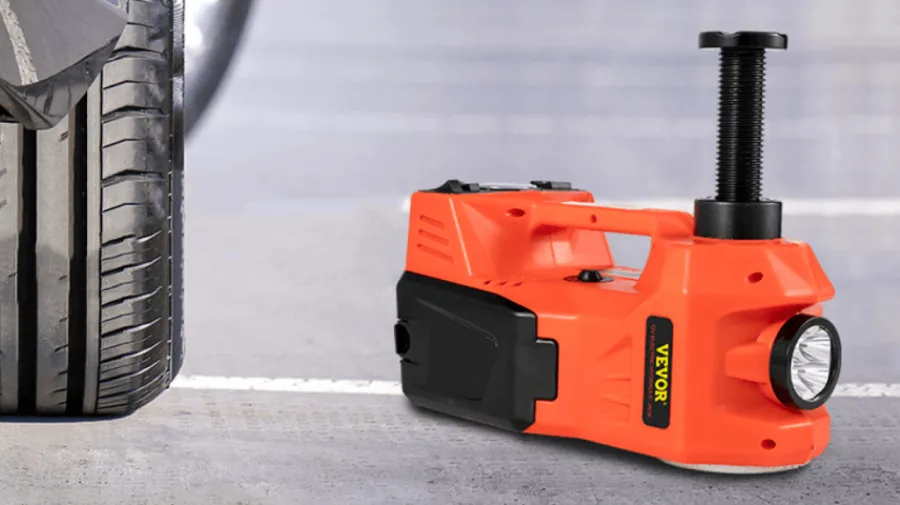
Jack Types
You will find a few main types of car jacks in most garages. The most common ones are:
- Scissor Jack: This jack is commonly found on many cars. It is small and easy to use for quick tire changes. You can make an informed choice if you understand the benefits of hydraulic jack vs scissor jack.
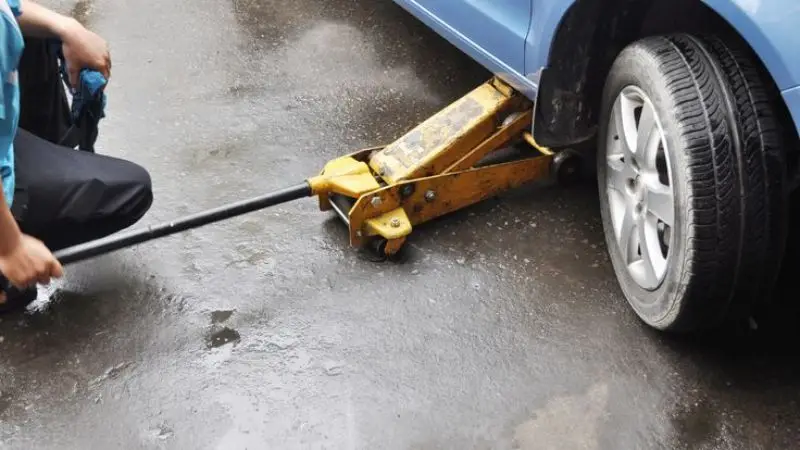
- Hydraulic Floor Jack: This jack is heavier and gives you more lifting power. You can use it for bigger jobs or if you want extra stability.
- Bottle Jack: This jack resembles a bottle and is ideal for vehicles with higher ground clearance.
Jack Stands
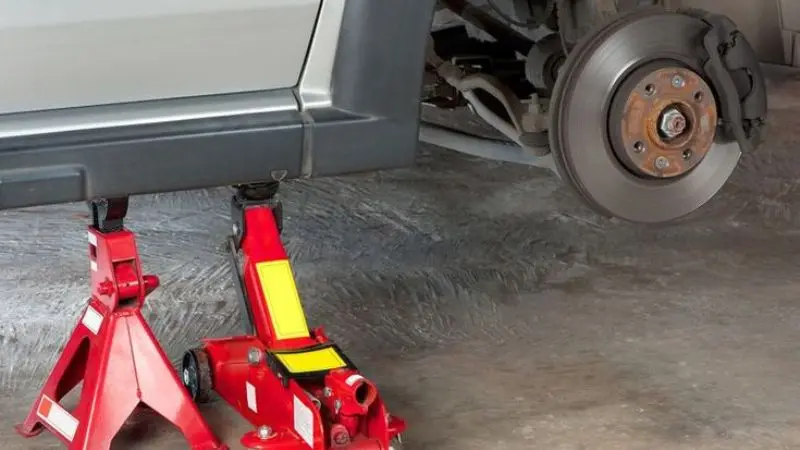
Never trust a car jack alone to hold up your car. You need jack stands for safety. Jack stands support the car after you lift it. Here’s what you should look for:
| Feature | Why It Matters |
| Weight Rating | Must match your car’s weight |
| Locking System | Keeps the stand secure |
| Base Size | A wider base means more stability |
You should always use a jack and jack stands together. Place the jack stands under the car at the right points. Make sure the jack stands sit on a flat, solid surface. Using jack stands the right way keeps you safe every time.
Safety Equipment
You need more than just a jack and jack stands. Safety gear protects you from accidents. Here’s a quick checklist:
- Wheel chocks (blocks) to stop the car from rolling
- Gloves to protect your hands
- Safety glasses to keep dirt out of your eyes
Preparation Steps
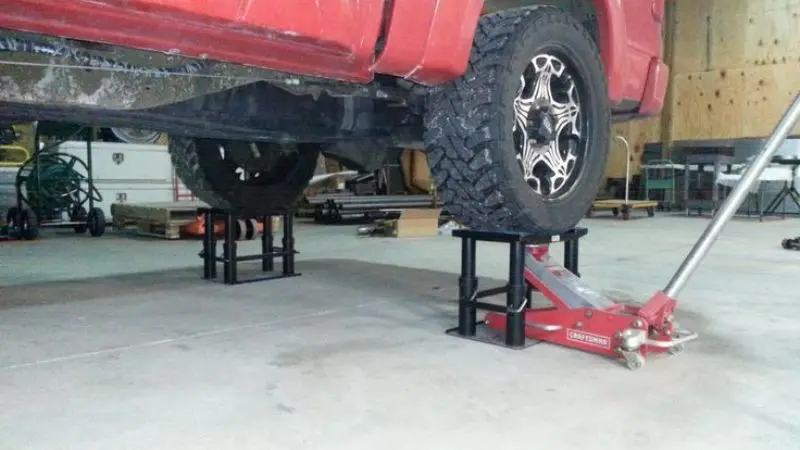
Getting ready is the most important part before learning how to jack up a car for a tire change. If you follow these steps, you will keep yourself safe and make the job much easier.
Safe Parking
Always park your car on a hard, flat, and level surface. This helps you secure the car and keeps it from rolling or shifting. Never try to change a tire on a hill or a soft surface like grass. If you stop on a road, move as far away from traffic as possible. Never jack up a car on a busy road or highway. Turn off the engine and engage the parking brake. If you drive a manual, put the car in gear. These safety precautions help you avoid accidents.
Wheel Chocks
You need to block the wheels before you lift the car. Place wheel chocks or sturdy blocks behind and in front of the tires that will stay on the ground. This step helps secure the car and keeps it from moving. If you skip this, the car could roll while you change a tire. Always block the wheels on the opposite side of the car from where you will be working. Here’s a quick checklist:
- Place chocks on both sides of the tire.
- Use rubber or metal chocks for best grip.
- Double-check that the chocks touch the tire.
Loosening Lug Nuts
Before you lift the car, loosen the lug nuts on the wheel you want to remove. Use a lug wrench and turn each nut just enough to break it free. Do not remove them all the way yet. This makes it easier to change a tire once the car is up. If you try to loosen them after lifting, the wheel might spin. That can make changing a tire much harder.
How to Safely Jack Up a Car
Find Jack Points
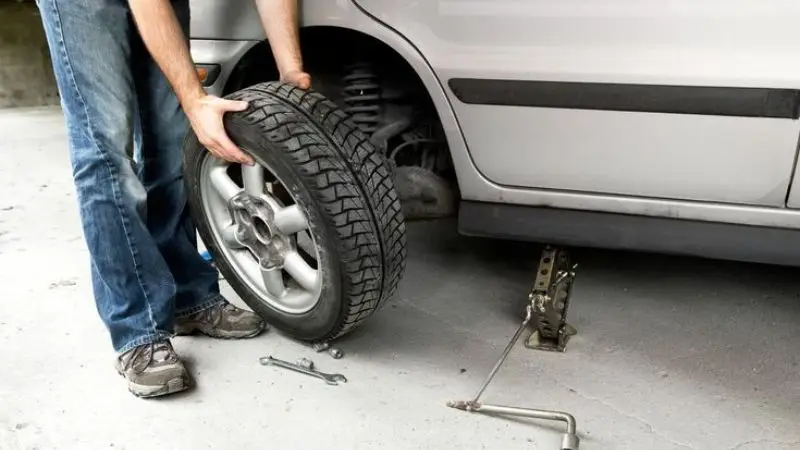
Before you start using a car jack, you need to find the right jack points on your car. These are special spots under your car where you can safely lift the vehicle. If you use the wrong spot, you might damage your car or hurt yourself. You must know how to jack up a car without damaging it. Your owner’s manual will show you exactly where the jack points are. Most cars have jack points behind the front wheels and in front of the rear wheels.
Some cars have small notches or marks to help you find them. Always check both sides of your car. Never guess where to place the jack. Also, you should have car lifting tools. If you are lifting the front of the car, look for the jack points near the front wheels. For lifting the rear of the car, find the jack points near the back wheels. Take your time and double-check before you move on.
Properly Use a Jack
Now you are ready to place the jack. Slide the car jack under the jack point you found. Make sure the jack sits flat on the ground. If the jack is crooked, stop and fix it. You want the jack to touch the jack point directly. Slowly start to lift the vehicle by pumping or turning the handle. Watch the car as you go. If the car moves or the jack slips, lower it and try again.
When you properly use a jack, you keep yourself safe and avoid damage. Never rush this step. If you are lifting the front of the car, make sure both front wheels come off the ground evenly. For the rear, check that the back wheels lift together. Always keep your hands and feet away from the jack while it moves.
Place Jack Stands
Once the car is high enough, you need to place jack stands under the frame. Never trust the car jack alone to hold your car. Take a jack stand and slide it under the frame near the jack point. Repeat this for the other side for emergency car lifting. Make sure the jack stands touch the frame, not a plastic part or the exhaust. The base of the jack stands should sit flat on the ground.
If you are working on just one wheel, you only need one jack stand under the vehicle. For bigger jobs, use two jack stands under the frame. Lower the car slowly onto the jack stands. Remove the car jack once the car rests on the stands. Always double-check that the jack stands are locked and secure.
Stability Check
Before you crawl under the car, do a stability check. Gently push the car from the side. The car should not move or wobble. If it does, stop and fix the jack stands. Make sure both jack stands under the frame are solid and straight. Check that the car sits level and the jack stands under the vehicle are not leaning.
If you see any problem, lower the car and start again. This step keeps you safe while you work. Never skip the stability check. If you use a jack and jack stands the right way, you can safely lift your vehicle and work with confidence.
Lowering the Car
Remove Jack Stands
You finished your work, and now it’s time to get your car back on the ground. Start by making sure nothing is under the car. Look for tools, rags, or anything you might have left behind. Next, grab your car jack and place it back under the same jack point you used before.
Pump or turn the handle just enough to lift the car off the jack stands. You do not need to go high—just enough to slide the jack stands out. Take out each jack stand one at a time. Keep your hands clear of the frame while you do this. Set the jack stands aside, away from the car.
How to Use a Car Jack to Lower
Now you need to lower the vehicle. Turn the handle or release valve on your car jack slowly. The car will come down gently. If you lower the vehicle too fast, the car might bounce or shift. Keep your eyes on the jack and the car as you work. If you feel any wobble, stop and check the jack. This step shows you how to use a car jack the right way. Take your time and keep your hands and feet away from the car as it comes down. Here’s a quick checklist:
- Lower the car slowly.
- Watch for any movement.
- Stop if you hear strange sounds.
Final Safety Check
Once the car sits on the ground, do a final safety check. Make sure the car is stable and all four tires touch the ground. Tighten the lug nuts in a star pattern to keep the wheel secure. Remove the wheel chocks last. Walk around the car and look for anything out of place. If everything looks good, you are done!
To Conclude
You now know how to safely jack up a car. Here are the top safety tips to remember:
- Always use jack stands—never trust the jack alone.
- Park on flat, solid ground.
- Block the wheels before lifting.
- Double-check everything before you start working.
Take your time and never rush. If you feel unsure, ask someone for help or watch a tutorial. You can learn this skill with practice and patience. Stay safe and confident every time you work on your car!
FAQ
Can I use a car jack on gravel or grass?
No, you should not use a car jack on gravel or grass. Always pick a hard, flat surface like concrete or asphalt. Soft ground can make the jack slip or sink. That puts you at risk.
Do I need to use jack stands every time?
Yes, you always need jack stands. Never trust the jack alone to hold your car. Jack stands keep you safe if the jack fails. Even for quick jobs, use them every time.
What if I can’t find my car’s jack points?
Check your owner’s manual. You will find a diagram showing the jack points. Look for small notches or reinforced spots under your car. If you still can’t find them, ask a mechanic for help.
Can I use bricks or wood blocks instead of jack stands?
No, never use bricks or wood blocks. They can crack or slip. Only use proper jack stands made for cars. Your safety depends on it.