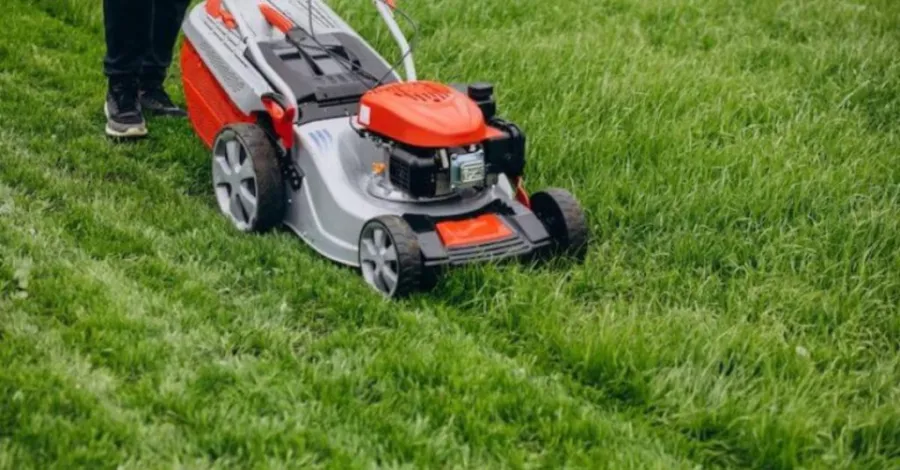
If you’re tired of thin and patchy grass in your lawn, you need to learn how to thicken your lawn grass. You can aerate the soil, and regular watering and feeding will also enhance the overall growth of grass. You can also use a lawn thickener, such as starter fertilizer high in phosphorus, to promote new growth.
Water deeply after seeding, and use the reliable lawn mowers to help maintain the correct mowing height. These tips help make grass thicker, promote healthy development, and result in a lush, healthy lawn. Let’s dive into a detailed guide:
Benefits of a Thicker Lawn
There are many perks to having a thicker lawn besides just making it look better. Weeds are naturally pushed out by thick grass because it limits their access to room, sunlight, and food. In thicker grass, the roots develop deeper and stronger in the soil, which holds the soil firmly.
A thick network of roots also keeps the soil from washing away and helps the grass stay healthy, generally. Lastly, a dense, green lawn makes your yard look neat and even.
It makes the ground soft and inviting for outdoor activities. It also makes the house look better from the street. A fuller lawn enhances the entire outdoor experience, whether you’re relaxing or entertaining guests.
In summary, the advantages of a thick, dense lawn are as follows:
- Blocks weeds from taking over.
- Grows stronger roots for better drought resistance.
- Makes your yard look fuller and more even.
Why Your Grass May Be Thin
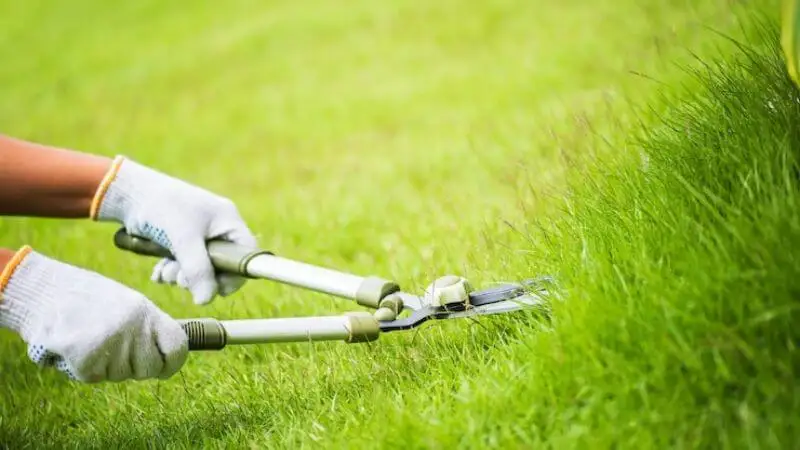
You might look at your lawn and wonder why the grass looks thin or patchy. Many things can cause this problem. Let’s break down the most common reasons so you can spot what’s happening in your yard.
Mowing Habits
If you mow too short or too often, you can stress your grass. Short grass has a hard time growing thick. It requires a sufficient leaf surface to produce food and remain healthy.
Soil Problems
Poor soil makes it challenging for roots to grow deep. If your soil is compacted or lacks essential nutrients, grass struggles to establish itself. Sometimes, the soil pH is off, which also hurts grass density.
Grass Type
Not all grass types are suitable for every yard. Some lawns have a mix of native and non-native grasses. Native grasses may not be well-suited to handle city soil or climate changes. This can lead to thin spots.
Water Issues
Too little water dries out your lawn. Too much water can drown roots. Both problems lower grass density and make it easier for weeds to move in.
Maintenance Level
Lawns that get less care often have more bare patches. If you skip regular care of your lawn, it results in damage that can’t be recovered. So, pay attention to regular watering, mowing, and feeding.
Environmental Conditions
Pressure from climatic stress or heavy foot traffic results in a thin lawn. It not only affects the grass but also negatively impacts its future growth.
Seed Spread
Some grasses spread by seed, while others spread by runners. If your lawn has more annual grasses or pioneer species, you may learn how to thicken a patchy lawn with grass growth instead of a dense, even surface.
Steps on How to Thicken Lawn Grass Quickly
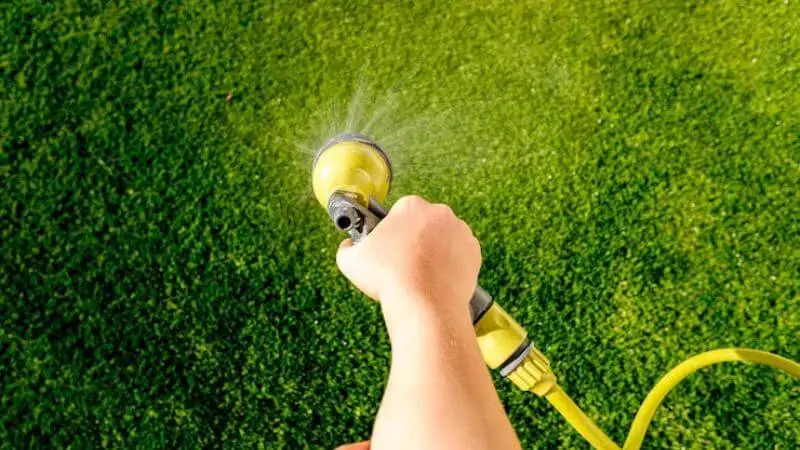
Test to Improve Your Soil
The first step to improve any plant growth is to examine the soil in that area. As the soil plays a crucial role in grass growth, it should have an ideal pH and sufficient nutrients. Acidic soil rarely supports grass growth.
The easy way to examine your soil composition is to send a sample to the lab. The optimum pH for proper growth is 6.0 to 7.0. If the test shows any change in pH, you can adjust it by simple steps. Lime will fix acidic soil, and sulfur compounds are great for alkaline soil.
Choose the Right Grass Type
Pick a grass type that matches your climate and yard conditions. For cooler areas, Kentucky bluegrass or perennial ryegrass are suitable options. In warmer regions, Bermuda or Zoysia grass creates a thick lawn. Use the table below to match grass types to your area:
| Grass Type | Best For | Traffic Tolerance | Density |
| Kentucky Bluegrass | Cool climates | High | Very thick |
| Bermuda Grass | Warm climates | High | Thick |
| Tall Fescue | Transition zones | Moderate-High | Dense |
Feed Your Lawn Properly (Fertilizing)
Fertilizing your lawn provides it with the necessary nutrients to grow thick. Use a complete fertilizer with nitrogen, phosphorus, and potassium. Apply a balanced fertilizer to the thick lawn grass in early spring, then switch to high-nitrogen products as the grass enters its active growing season. Always follow your soil test results to avoid overfeeding. Fertilize your lawn again in late summer or early fall to help roots recover and prepare for winter.
Water Deeply and Less Often
Water the grass properly by soaking the soil about once a week. Deep watering encourages roots to grow down, making your lawn thicker and more drought-resistant. Shallow, frequent watering leads to weak, thin grass. Aim for 1 to 1.5 inches of water each week. Water your lawn thoroughly after sowing the seed and during dry spells.
Mow at the Correct Height
Set your lawn mower to a height of 3 inches or higher. Taller grass shades the soil, blocks weeds, and helps roots grow deep. Never cut more than one-third of the blade at once. This simple tip keeps your lawn thick and healthy.

Overseed Bare or Thin Spots
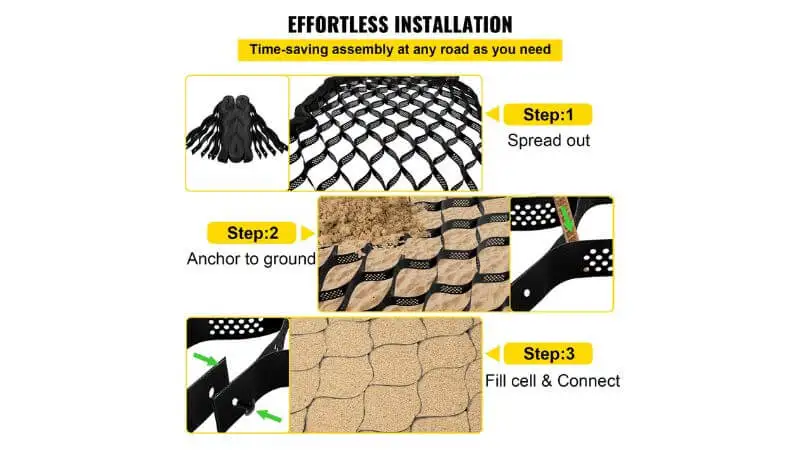
Overseeding fills in bare spots and boosts density. After aeration and overseeding, you can see up to 40% more turf in one season. Use fast-acting seeds and spread lawn seed evenly. Keep the soil moist until new grass sprouts. You can also install lawn grids to achieve an organized lawn.
Aerate Your Lawn
Aerate properly to loosen compacted soil and let air, water, and nutrients reach the roots. You can use a core aerator or try liquid aeration for deeper results. Aerate your lawn before overseeding for best results. It is the best way to thicken lawn grass after winter.
Control Weeds and Pests
Remove weeds early. Weeds steal water and nutrients from your lawn seed and grass. A thick lawn naturally crowds out weeds and pests. Use a lawn thickener routine that includes weed control for a lush, healthy yard.
How to Thicken Lawn Grass — Bonus Tips
Want to take your lawn care to the next level? Here are some additional tips to help you grow a lush lawn that stands out in your neighborhood.
Efficient Lawn Watering
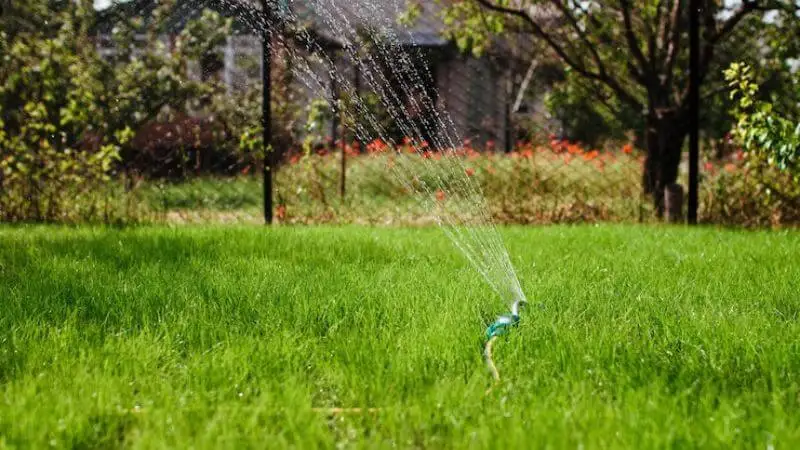
Water deeply but less often. This helps grass roots grow down into the soil, making your yard more drought-resistant. Try to water your lawn once or twice a week, providing it with about 1 to 1.5 inches of water each time. If you use water-conserving grass varieties, you can cut water use by up to 30%.
Smarter Mowing for Thicker Grass
Mow the lawn based on how fast your grass grows, not just by the calendar. Never cut off more than one-third of the blade at once. Raise your mower height slowly to achieve thicker grass. Taller grass shades the soil, keeping it cool.
Adjust Watering Based on Weather
Adjust your watering schedule with the weather. Hot, dry days mean you may need to water more. Rainy weeks let you skip a session. Watch your grass for signs of stress, like wilting or dull color.
Overseeding Tips: What to Use and What to Avoid
Avoid using pre-emergent weed controls when planning to overseed or plant new lawn seed. These products can stop new grass from growing.
Use premium lawn boosters that combine grass seed, fertilizer, and soil enhancers. These products help you get a thicker lawn faster and make your grass greener.
Fill in Lawn Gaps for a Thicker Look
Fill bare spots with grass plugs. Plugs are small sections of mature grass that you plant in empty areas. They spread and help your lawn look even and thick.
Keep up with regular soil testing. Amend your soil as needed to give your grass the best chance to thrive. Healthy soil supports strong roots and better pest control.
Conclusion:
To sum up, now you have learn the natural and straightforward tips to grow thicker grass in your lawn. You just need to maintain your lawn regularly. Following the optimal times of watering, fertilizing, and proper seeding will help you a lot. Stay on top of lawn care all year. Your grass will look fuller and healthier with regular attention.
Maintain these habits, and you’ll enjoy a lush, green yard that stands out in your neighborhood!
FAQ
1. How often should I overseed my lawn?
The best time to overseed your lawn is early fall and late spring. If you overseed at that time, the grass will grow thick and fill in bare spots. You can also overseed more frequently if your lawn is thinner than usual.
2. What is the ideal mower height for thick grass?
Set your mower to cut at 3 inches or higher. The roots grow deeper in the shade of taller grass. This simple change makes your lawn look fuller.
3. How to thicken the lawn without using chemicals?
You can modify the seeding methods, watering, and feeding schedule to get a thicker lawn. Aerate your soil and water deeply. These steps help your grass grow thick without using chemicals.
4. Why does my lawn have bare patches even after watering?
Bare patches can result from compacted soil, pests, or insufficient seed. Try aerating, overseeding, and checking for grubs. Watering helps, but you also need healthy soil and good seeds.
5. How to check the lime requirement for the soil?
You can check the pH of the soil with a simple testing kit. If it is below 6, then it indicates the acidity of the soil. In that case, you should add lime to the soil for the proper growth of plants.