
You’re standing in the store—or scrolling online—wondering which grill to buy. Gas or charcoal? You just want something that makes weeknight dinners easier and delivers that rich, smoky flavor your friends rave about. But when it comes to the gas vs charcoal grill debate, it’s easy to feel stuck.
Do you go with the convenience of gas, or the bold taste of charcoal? If you’ve ever wrestled with this decision, you’re not alone. Let’s break down the real pros, cons, and differences so you can choose the right grill without second-guessing every sizzle.
Gas vs Charcoal Grill: A Direct Comparison
Cooking Performance and Flavor
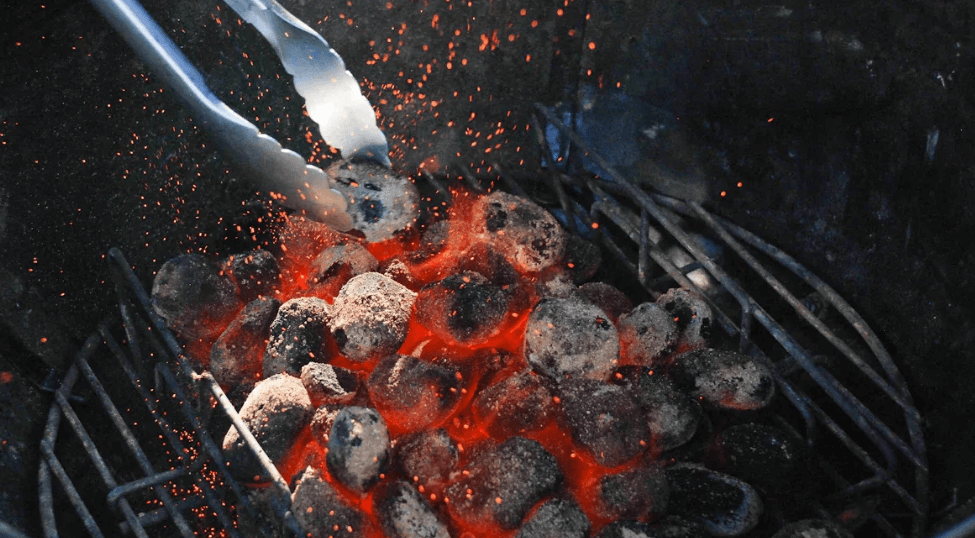
Cooking performance and flavor depend on what matters to you. Gas grills are great for convenience and steady heat. They warm up fast and keep temperatures stable, perfect for daily use. Charcoal grills are best for smoky BBQ flavors many people love.
Here’s a simple comparison of their cooking features:
| Feature | Charcoal Grills | Gas Grills |
| Temperature Consistency | Gets hotter, up to 200 degrees more | Lower maximum heat levels |
| Heat Distribution | Can flare up, harder for two-zone cooking | Easier to control heat evenly |
| Cooking Performance | Great for searing and smoking | Simple and reliable for everyday grilling |
Charcoal grills are ideal for searing steaks or burgers with crispy crusts. They also let you try smoking food for deeper flavors. But controlling heat on charcoal takes practice and patience. Gas grills have easy temperature controls, perfect for delicate foods like fish or veggies.
If you love experimenting with BBQ flavors, choose charcoal grills, especially if gas vs charcoal grill taste is your deciding factor. If you want quick and easy grilling, gas grills are better.
Convenience and Ease of Use
One of the main factors of debate in the natural gas vs charcoal grills is convenience. After all, grilling should be fun, not hard work! Gas grills are super easy to use. Push a button to start and adjust heat with a knob. They’re perfect for beginners or busy cooks.
Charcoal grills take longer to set up but aren’t too tricky. A charcoal chimney helps light coals faster. You’ll need to watch the heat and move coals to keep the right temperature.
Here’s a quick look at ease of use:
| Grill Type | Ease of Use |
| Gas Grill | Very easy, simple to start and control. |
| Charcoal Grill | Good. Use a chimney for faster coal lighting. |
If you grill often or want less hassle, gas grills are best. If you enjoy building and managing a fire, charcoal grills feel more traditional and hands-on.
Cost and Maintenance
Cost is important when picking a grill. Gas grills cost more upfront but save money over time. Propane tanks last for many uses, and natural gas models connect to your home gas line.
Even when comparing natural gas vs charcoal grill setups, long-term fuel costs and maintenance make a big difference. Charcoal grills are cheaper to buy but need more charcoal, which adds up. Maintenance matters too. Gas grills need burner and grease trap cleaning. Charcoal grills require ash removal after each use.
If you’re on a budget, charcoal grills are cheaper at first. For long-term savings, gas grills are a smarter choice.
Environmental Impact
Gas vs charcoal grill health and environmental impacts are often overlooked, but important when choosing the right cooking method.Gas vs charcoal grills affect the environment in different ways.
Gas grills are better for the environment. They use cleaner fuels like propane or natural gas. These fuels release fewer greenhouse gases than charcoal. Gas grills also produce less air pollution. This makes them a greener choice for outdoor cooking.
Charcoal grills harm the environment more. Burning charcoal creates more carbon dioxide and tiny particles. These add to air pollution. Lump charcoal, made from wood, is slightly better than briquettes. It has no added chemicals. But both still pollute more than gas.
Tip: Don’t use lighter fluid with charcoal grills. It releases harmful chemicals. Use a chimney starter instead for safer and cleaner lighting.
Safety Considerations
Safety is important when picking a gas or charcoal grill. Both have risks, but you can stay safe by being careful.
Gas grills are easy to use but cause more home fires. From 2017 to 2021, they caused over 9,000 fires each year. Fires often happen from propane leaks or leaving grills unattended. Always check for leaks and keep the grill away from flammable items.
Charcoal grills also have dangers. They stay hot for hours, which can cause burns. Never use them indoors or in closed spaces like garages. Burning charcoal makes carbon monoxide, a deadly gas you can’t see or smell.
Here are safety tips for both grill types:
- Gas Grills:
- Check propane tanks and hoses for leaks before grilling.
- Keep the grill at least 10 feet from your house or flammable things.
- Don’t leave the grill alone while cooking.
- Charcoal Grills:
- Only use outdoors in open, airy spaces.
- Let coals cool completely before throwing them away.
- Keep kids and pets away from the grill, even after cooking.
Tip: Carbon monoxide from charcoal grills sends people to the hospital every year. Always grill in open spaces with good airflow.
Pros and Cons of Gas Grills
Advantages of Gas Grills
Did you know that 33% of grill users choose outdoor cooking because it’s so convenient? Gas grills are a favorite for many home cooks! They’re designed to make grilling simple and stress-free. If you’re looking for convenience, gas grills deliver in spades.
- Quick Start-Up: You don’t have to wait long to get cooking. Gas grills heat up faster than charcoal grills, saving you time when you’re hungry or in a rush.
- Precise Temperature Control: Adjusting the heat is as simple as turning a knob. Whether you’re searing steaks or slow-cooking chicken, gas grills let you control the temperature with ease.
- Two-Zone Grilling: With gas grills, you can set up different heat zones. This makes it easier to cook multiple foods at once, like veggies on one side and burgers on the other.
- Safety and Reliability: Gas grills are less likely to flare up, so you can focus on your food without worrying about sudden flames.
Disadvantages of Gas Grills
While gas grills shine in convenience, they’re not perfect. You’ll want to consider a few downsides before making your choice.
- Higher Upfront Costs: Gas grills tend to cost more than charcoal grills. If you’re on a tight budget, this might be a dealbreaker.
- Limited Smoky Flavor: Unlike charcoal grills, gas grills don’t give you that classic smoky BBQ taste. If flavor is your top priority, this could be a drawback.
- Fuel Dependency: Gas grills rely on propane or natural gas. Running out of fuel mid-grill can be frustrating, especially if you don’t have a backup tank.
- Maintenance Needs: Cleaning burners and grease traps takes time. While it’s not difficult, it’s something you’ll need to do regularly to keep your grill in good shape.
Gas grills are perfect for convenience, but they might not satisfy flavor enthusiasts or those looking for a budget-friendly option. If you’re comparing charcoal vs gas grills, think about what matters most to you—ease of use or that smoky BBQ taste.
Pros and Cons of Charcoal Grills

Advantages of Charcoal Grills
Charcoal grills make outdoor cooking feel special and fun. If you enjoy bold flavors and hands-on grilling, they’re a great choice.
- Unmatched Flavor: Charcoal grilling gives food smoky, deep flavors. Gas grills can’t match this BBQ taste. The burning charcoal adds a rich flavor to every bite.
- Cooking Tradition: Using charcoal connects you to ancient cooking methods. People have grilled over fire for centuries, and you’re keeping that tradition alive.
- Versatility: Charcoal grills work for both high heat and slow cooking. You can sear burgers or smoke ribs with ease. They let you try many grilling styles.
- Affordable Options: Charcoal grills usually cost less than gas grills. They’re a good choice if you want to save money.
Tip: Use lump charcoal instead of briquettes for better grilling. Lump charcoal burns cleaner and adds a natural wood flavor to your food.
Disadvantages of Charcoal Grills
Charcoal grills are flavorful but need more effort. If you’re thinking about getting one, it’s good to know the challenges.
- Time-Consuming Setup: Lighting charcoal takes longer than starting a gas grill. You’ll need patience and a chimney starter to get the coals ready.
- Heat Control Challenges: Keeping the right temperature on charcoal grills takes practice. You’ll move coals and adjust vents, which can be tricky for beginners.
- Messy Cleanup: Charcoal grilling leaves ash that must be cleaned after each use. It’s not hard, but it’s more work than cleaning a gas grill.
- Environmental Impact: Burning charcoal makes more pollution than propane or natural gas. If you care about the environment, this could be a downside.
Note: Don’t use lighter fluid to start your charcoal grill. It can make food taste bad and harm the environment. Use a chimney starter instead for safer grilling.
Charcoal grills take time and effort, but the results are worth it. If you’re willing to put in the work, you’ll enjoy amazing flavors and experiences gas grills can’t offer.
Key Factors to Consider
Flavor Preferences
When it comes to grilling, flavor is often the deciding factor. If you’re someone who loves bold, smoky tastes, charcoal grills are the way to go. The burning charcoal infuses your food with a unique depth of flavor that gas grills can’t replicate. This is especially true for meats like ribs or brisket, where the smoky aroma enhances every bite.
Gas grills, on the other hand, offer a cleaner taste. They don’t add any extra smokiness, which makes them ideal for delicate foods like fish or vegetables. If you prefer the natural flavor of your ingredients to shine through, gas grills might suit you better.
Here’s a quick comparison to help you decide:
| Flavor Factor | Charcoal Grills | Gas Grills |
| Smoky BBQ Taste | Strong, bold flavor | Minimal smokiness |
| Best for Meats | Perfect for ribs, brisket, steaks | Good for chicken, fish, veggies |
| Flavor Control | Adds a distinct smoky profile | Preserves natural food taste |
Tip: If you want the best of both worlds, try adding wood chips to your gas grill. It’s a simple way to introduce a smoky flavor without switching to charcoal.
Cooking Frequency and Time
How often you grill and how much time you have can influence your choice. If you’re grilling several times a week, gas grills are your best friend. They heat up quickly, usually within 10 minutes, and let you start cooking right away. You can adjust the temperature easily, making them perfect for busy weeknights or quick meals.
Charcoal grills take more time and effort. Lighting the coals can take 20 minutes or longer, and you’ll need to monitor the heat throughout the cooking process. If you enjoy the ritual of grilling and don’t mind spending extra time, charcoal grills can be a rewarding choice.
Here’s a breakdown:
- Gas Grills:
- Heat up fast, saving you time.
- Great for frequent grilling or when you’re in a rush.
- Charcoal Grills:
- Requires patience and attention.
- Better for occasional grilling or weekend BBQs.
Note: If you’re short on time but love the smoky flavor of charcoal, consider using a charcoal chimney starter. It speeds up the lighting process and gets you grilling faster.
Budget and Long-Term Costs
Your budget plays a big role in choosing the right grill. Charcoal grills are usually cheaper upfront. You can find good options for under $100, making them a great choice if you’re looking to save money. However, the cost of charcoal adds up over time, especially if you grill often.
Gas grills cost more initially, with prices starting around $200 for basic models. But they’re more economical in the long run. Propane tanks last for multiple uses, and natural gas grills connect directly to your home gas line, eliminating fuel costs altogether.
Tip: If you’re on a tight budget but want to grill often, consider investing in a mid-range gas grill. It might cost more upfront, but it’ll save you money over time.
Which Should You Choose?
It depends on your style. If you value speed and convenience, go with a gas grill. If you want to impress your guests with bold flavors, a charcoal grill is the way to go. Either way, both options can make your outdoor entertaining unforgettable.
Whatever you choose between gas vs charcoal grills, the key is to enjoy the process. After all, the best part of grilling is sharing delicious food with the people you care about.
FAQ
What’s the main difference between gas and charcoal grills?
Gas grills are quick and easy to use. They heat up fast and offer precise temperature control. Charcoal grills take longer to set up but give food a smoky flavor that gas grills can’t match.
Can I use wood chips with a gas grill for smoky flavor?
Yes! Add wood chips to a smoker box or wrap them in foil with holes. Place them on the burner to infuse your food with a smoky taste. It’s a simple way to mimic charcoal grilling.
Are gas grills safer than charcoal grills?
Gas grills are safer if you check for propane leaks and keep them away from flammable items. Charcoal grills produce carbon monoxide, so always use them outdoors in open spaces. Follow safety tips for both types to avoid accidents.
Which grill is better for the environment?
Gas grills are more eco-friendly. They use cleaner fuels like propane or natural gas, producing fewer greenhouse gases. Charcoal grills create more pollution, but lump charcoal from sustainable sources can reduce environmental harm.
How do I clean my grill after cooking?
For gas grills, clean the burners and grease traps regularly. For charcoal grills, remove ash after each use. Use a grill brush to scrub the grates on both types. Keeping your grill clean ensures better performance and tastier food.
Conclusion
Choosing between gas vs charcoal grills comes down to what works best for you. Gas grills are perfect if you want quick, easy grilling with reliable heat control. They’re great for busy cooks or anyone who values convenience.
On the other hand, charcoal grills bring bold flavor and a traditional cooking experience that’s hard to beat. They’re ideal for flavor enthusiasts who enjoy the process of grilling as much as the food itself. No matter what grill it is you decide on, VEVOR has you covered! Browse now through our collection of charcoal grills and campfire grills!