When you imagine waking up in the middle of a chilly January night to the sound of a busted pipe or the terrifying realization that your heating system has failed, winter safety tips for home are your first line of defense. 2026’s winter will bring unforeseen changes, and the only thing protecting your family from the severe weather is your house.
Preparation is your best defense, whether you’re getting ready for a storm or clearing the driveway in a high-visibility waterproof winter safety jacket. Before the next significant freeze, let’s examine how this strategy can help you turn your house into an unbreakable winter stronghold.
Are winters really dangerous inside your home?
While most people concentrate on driving safety, there are silent hazards in your home that increase when the temperature drops. From the invisible threat of carbon monoxide to the fire hazards brought on by overworked furnaces, the winter months call for a special plan to keep your home livable.
Not only do households face these concerns, but business owners should also take into account winter safety tips for employees who may be working in drafty warehouses or commuting.
The first step to a safe season is making sure everyone is aware of the routine for extreme weather. Now is the time to arrange your layout for adequate ventilation if you’re searching for the best diesel heater for garage use to keep your workspace safe.
21 winter safety tips to remember
A proactive approach is necessary to keep your home safe in 2026. These winter safety tips for home offer straightforward fixes for the most prevalent headaches associated with cold weather. Make sure every area of your property is protected from the frost by using this checklist.
1. Service your heating system before winter
Don’t wait till the first frost to discover your heating is on strike! Furnaces frequently fail during the first cold snap due to dust or mechanical damage. It’s a good idea to hire a professional for a tune-up to clean the burners and inspect the heat exchanger for any potential cracks.
While you’re at it, replace those dirty filters to improve airflow and regulate your thermostat to avoid overtaxing the system.
2. Keep space heaters away from flammable items.
Portable heaters are comfortable, yet they cause one-third of winter home fires. Always follow the 3-foot rule: leave at least three feet of space around the heater, free of curtains or furniture. Instead of using extension cables, plug them straight into the wall.
If you use a diesel heater indoors, make sure the exhaust is piped completely outdoors to keep the air pure.
3. Install carbon monoxide detectors.
Carbon monoxide is invisible and odorless, yet defective heaters can allow it to enter your house. Place a detector on each floor, particularly near sleeping spaces.
Choose a model with a battery backup so it can operate during a power outage, and press the “test” button once a month to ensure it is ready to protect your family.
4. Test smoke alarms regularly.
With more candles and fireplaces lit, winter is a high-risk season for house fires. Make a routine of testing your alarms on the first of each month. If your unit is more than ten years old, it’s time to upgrade. Ideally, you want interconnected alarms so that if a fire breaks out in the kitchen, every alarm in the home sounds to alert everyone.
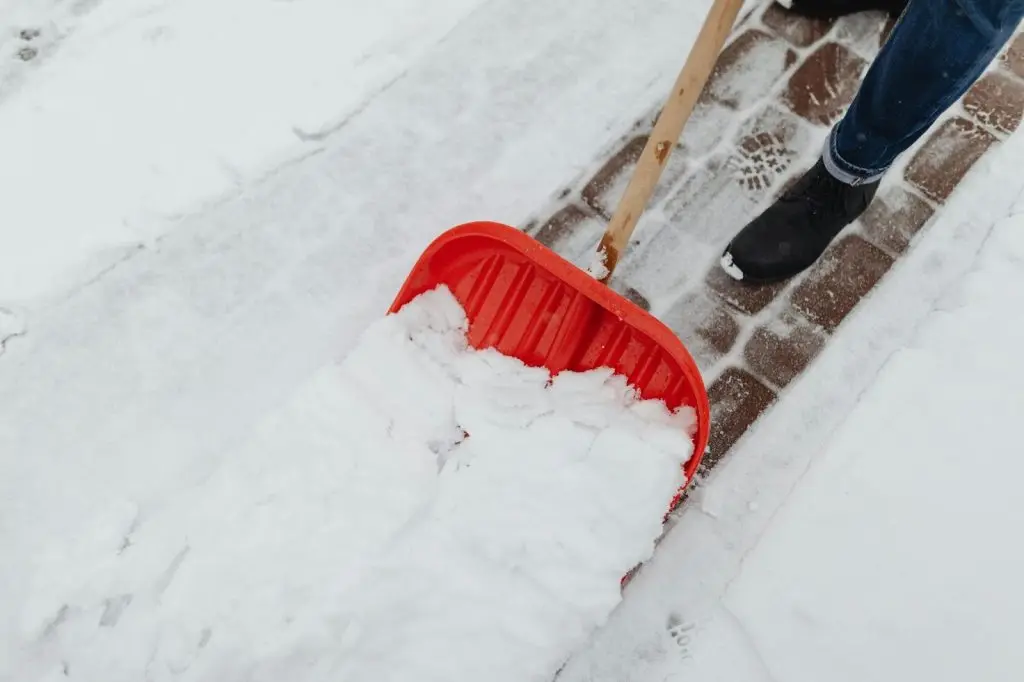
5. Clear walkways promptly
When snow is compacted down by footfall, it develops into a film of ice that is difficult to remove. Try to shovel as soon as the snow stops falling to prevent it from freezing. A 17-inch motorized corded snow shovel does the job quickly and saves your back. Just remember to clear the snow off your foundation and the roadway!
6. Use salt or sand on an icy surface.
Black ice is the most invisible winter hazard. To keep upright, add salt before the storm strikes to prevent ice from adhering to the concrete. If the salt hasn’t yet melted the ice, sprinkle some sand to provide rapid traction on steps. To prevent chemical burns on your pet’s paws, use pet-friendly ice melt.
7. Install proper outdoor lighting.
Winter days are short, and it’s simple to trip on a hidden hazard in the darkness. Replace aging bulbs with high-lumen LEDs that can see through thick fog or blowing snow. Motion sensors near driveways and stairs are literally lifesavers, and solar-powered stake lights provide a clever backup to keep your routes lined even when the power goes out.
8. Wear slip-resistant footwear
Your normal footwear won’t cut it on frozen slop. Look for boots with deep rubber lugs that are built to withstand subzero conditions.
If you’re walking on pure ice, consider slip-on spikes or cleats. If you’re working near the road, remember to bring a waterproof, high-visibility winter hoodie so that cars can see you easily.
9. Insulate exposed pipes
When water freezes inside a pipe, it expands, potentially causing a catastrophic burst. Foam sleeves can help protect pipes in unheated places such as the garage or attic.
Electric heat tape is an excellent investment for particularly drafty areas. Don’t forget to cover any holes where pipes enter your home with spray foam to keep cold air out.
10. Let faucets drip during extreme cold.
During those cold nights, a gentle drip can preserve your plumbing. By allowing both hot and cold faucets to run at a tiny, steady drip, you avoid the pressure buildup that causes pipes to rupture.
Winter safety tip to concentrate on faucets on outside walls, and feel free to collect the water in a bucket for your plants!
11. Keep cabinet doors open under the sink.
It sounds simple, but opening the cabinets under your kitchen and bathroom sinks allows warm air to travel around the pipes.
If you have curious children or dogs, just keep any cleaning chemicals out of their reach. The best defense against a freeze is to keep your home at a constant temperature of 70°F and allow that heat to reach the plumbing.
12. Know your main water shut-off valve.
If a pipe bursts, each second counts. You must know where your main water valve is before an emergency occurs. Find it now, put a colorful tag on it, and make sure the handle isn’t rusted shut. If your valve fails at a street-side meter box, put a shut-off wrench in your emergency pack just in case.
13. Remove excess snow buildup.
Wet, heavy snow can collapse flat roofs or patio buildings. Use a long-handled roof rake to safely take snow down while remaining on the ground.
Check on your outdoor structures, and if you have an indoor pool (such as a 14 x 26-foot model), make sure the safety cover isn’t sagging due to weight. Don’t let more than a foot of wet snow accumulate on temporary gazebos.
14. Check for ice dams
Ice dams form when melting snow freezes at the edge of your roof, forcing water back under your shingles and into your walls.
You can avoid this using winter safety tips for home by enhancing attic ventilation and keeping the roof at a consistent temperature. In a pinch, filling a nylon stocking with calcium chloride and putting it across the dam can form a path for the water to drain.
15. Inspect gutters regularly
Trapped debris in your gutters collects water, which then freezes and gets heavy enough to rip the gutters off your home. Give them a thorough cleaning before the first freeze.
Pour some water down the downspouts to confirm they are clean and draining away from your foundation, and tighten any loose brackets while you’re up there.
16. Trim overhanging branches
Ice is extremely heavy and can cause limbs to snap and smash into your roof. Trim back any dead or unhealthy limbs before the winter begins.
If you detect branches near electrical lines, do not attempt to remove them yourself; instead, contact the utility provider! To ensure safety, keep any big tree limbs at least ten feet away from your roofline.
17. Use humidifiers carefully
Winter air is dry, but excess interior moisture can cause mold and window condensation. Use a hygrometer to regulate the humidity level between 30% and 50%.
Clean the tank on a daily basis to minimize bacteria accumulation, and use distilled water to keep that ugly white mineral dust from settling on your furniture.
18. Avoid blocking vents
If your furniture or curtains obstruct the vents, your furnace will have to work extra hard. Follow the “six-inch rule”: keep carpets and sofas at least six inches away from any registers.
Make sure that large return air vents are not hidden behind bookcases, and use plastic deflectors to send warm air toward the center of the room rather than behind curtains.
19. Keep fireplaces clean
A pleasant fire is a winter mainstay, but creosote buildup in the chimney poses a significant fire risk. Annually, have a professional sweep the flue, and burn seasoned hardwood to reduce soot.
If you prefer having an outdoor wood burning fire pit, keep it away from dry grass and flammable debris to avoid a winter brush fire.
20. Ensure proper airflow
When using a heating source, airflow is your best friend. Follow the instructions for your unique system, such as a Vevor diesel air heater handbook, to ensure that exhaust pipes are airtight. If you’re using unvented heat for a short period of time, keep a window cracked for fresh air and make sure that snow drifts don’t block your dryer or furnace’s exhaust vents.
21. Protect the area around your pool.
Even in the winter, an uncovered pool poses a drowning risk—especially if snow obscures the edge. To provide a safe, snug barrier, use a strong winter cover (20 x 42 feet or 22 x 42 feet for pools with steps). Before you settle down for the season, ensure that all brass anchors are flat with the deck and securely fastened.
Emergency readiness checklist for winter
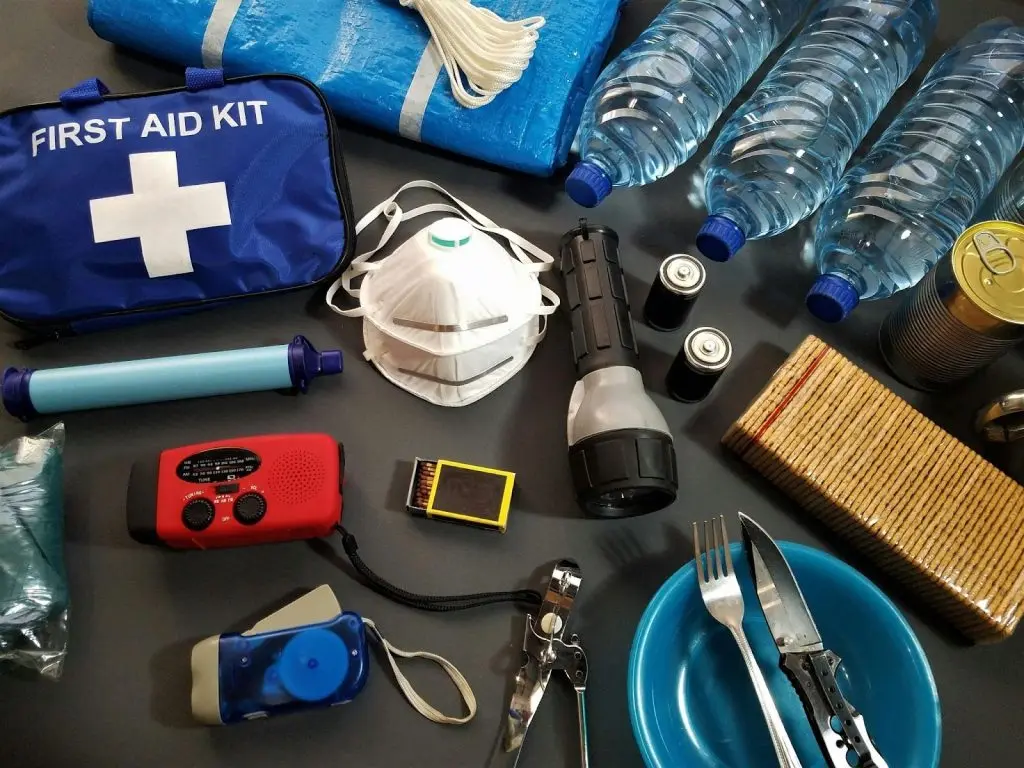
Even if the grid fails, your home must be prepared for a storm in 2026. In the event of an unexpected blackout, following these winter safety tips for home will keep you safe and comfortable.
Keep flashlights accessible
Put a high-lumen flashlight next to the electricity panel, in the kitchen, and in each bedroom. Keep a new pack of lithium batteries close at hand and test your lights once a month. To fix pipes or heaters with both hands free, keep headlamps in your kit.
Maintain backup heat plans
Stock up on seasoned wood or a portable diesel heater for off-grid use. To avoid carbon monoxide accumulation, make sure that any backup heat source is adequately vented. Keep sleeping bags and premium thermal blankets in a convenient “go-bag.”
Store essential supplies
Each person should have one gallon of water per day and a three-day supply of non-perishable food. Keep a 250-piece emergency trauma bag and a week’s worth of prescription medications on hand. Keep heavy-duty trash bags and wet wipes on hand in case your water lines break or freeze.
Keep emergency contact numbers handy
On a laminated card, write down the phone numbers of utility agencies and a nearby plumber. Ensure that everyone is aware of the location of the emergency hub and who to contact in the event that the internet goes down.
Maintain contact information so that neighbors can assist one another in the event that roads are blocked.
FAQs
How can I prevent carbon monoxide poisoning?
Always make sure fuel-burning appliances are vented correctly in accordance with the manufacturer’s recommendations. Even with the door open, never run a generator in an attached garage because the gas can leak through the drywall.
How often should I clear snow from my roof?
Every six inches of heavy, wet snow or a foot of light, powdery snow, clear your roof. The structural stability of your house may be jeopardized by excessive weight. To reduce the risk of falling when climbing a ladder in slippery weather, use a roof rake from the ground.
What temperature puts pipes at risk?
When the outdoor temperature falls below 20°F, pipes usually start to freeze. However, if pipes are close to uninsulated walls or drafty locations, wind chill may hasten this process. When a sudden drop in temperature is predicted, it is imperative to adhere to winter safety tips for home, such as insulating pipes.
Are space heaters safe to use overnight?
Leaving space heaters on while you sleep is not advised. The sensors required to identify a fire while you are unconscious are absent from the majority of portable variants. For workshops or cabins, a properly built and ventilated diesel heater is a safer long-term option if you require steady warmth.
Conclusion
The only way to guarantee that the dread of a malfunctioning heater or burst pipe never comes to pass is to prepare for the cold. You are protecting your home and your loved ones by adhering to these winter safety tips for home.
These little things, like locking your pool area and testing for carbon monoxide, come in handy as the snow begins to accumulate outside your door.
Don’t put off getting ready until the first blizzard arrives. Make 2026 your safest winter yet by inspecting your house today and gathering your necessary equipment. Keep yourself warm and safe!