Ask about this product by AI

Deals
VEVOR 130W CO2 Laser Engraver, 55 x 35 in, CO2 Laser Engraver Cutter Machine with Water Chiller, 2 Way Pass Air Assist, 1200 mm/s Speed, Autofocus Engraving Cutting Machine, for Wood Acrylic Glass


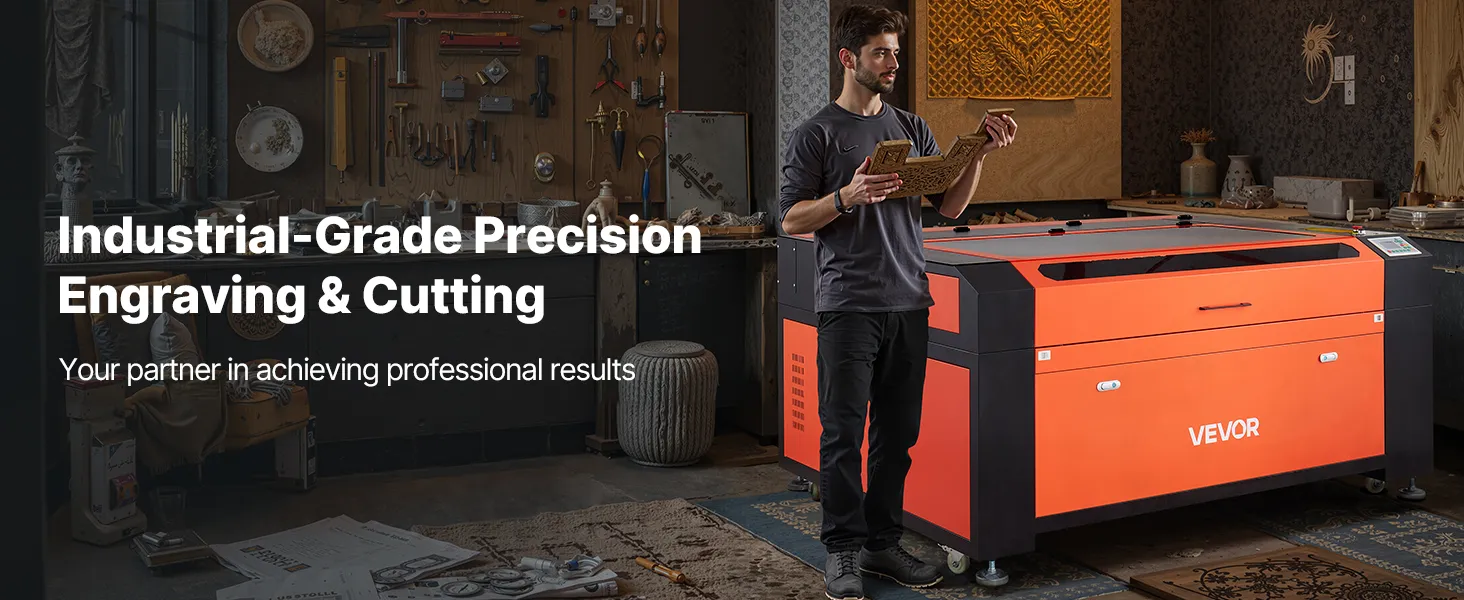
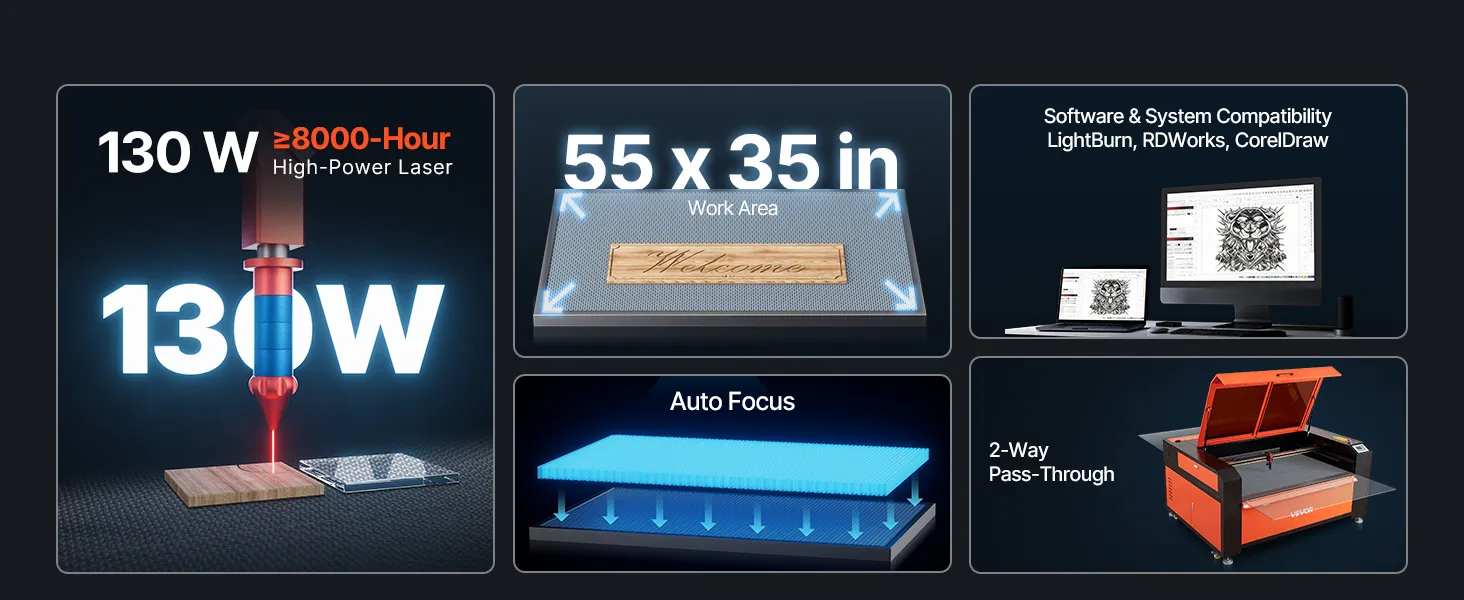
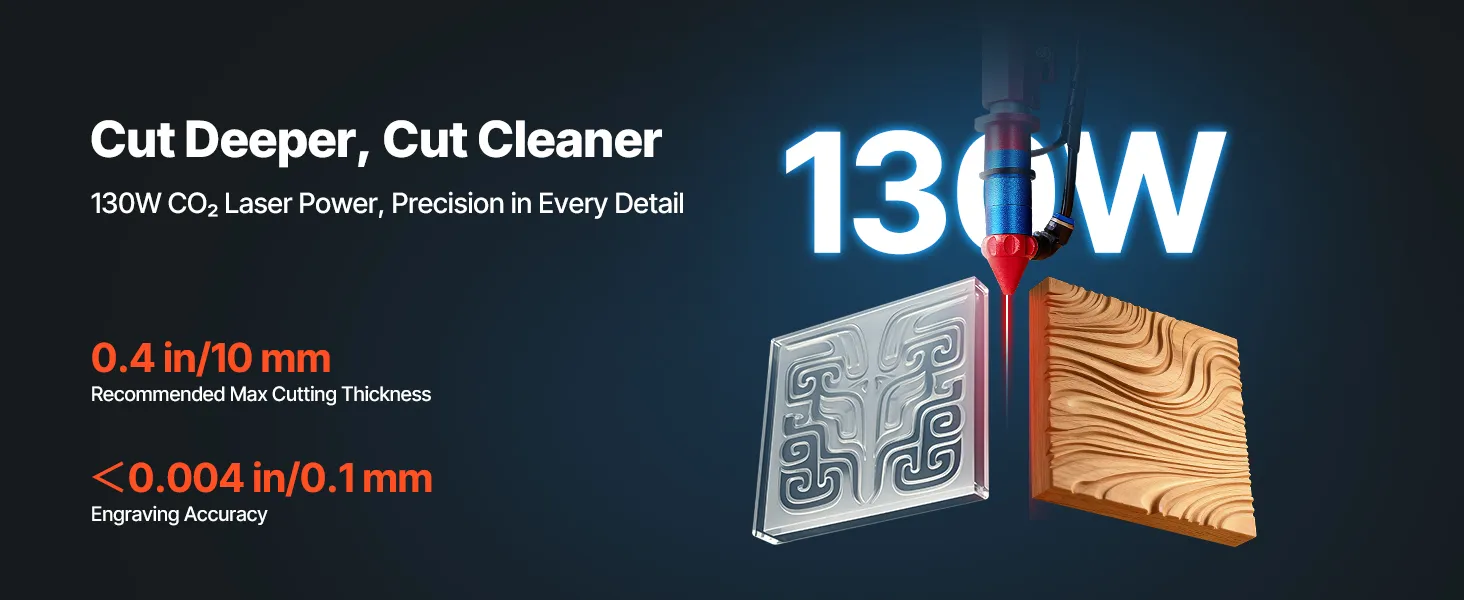
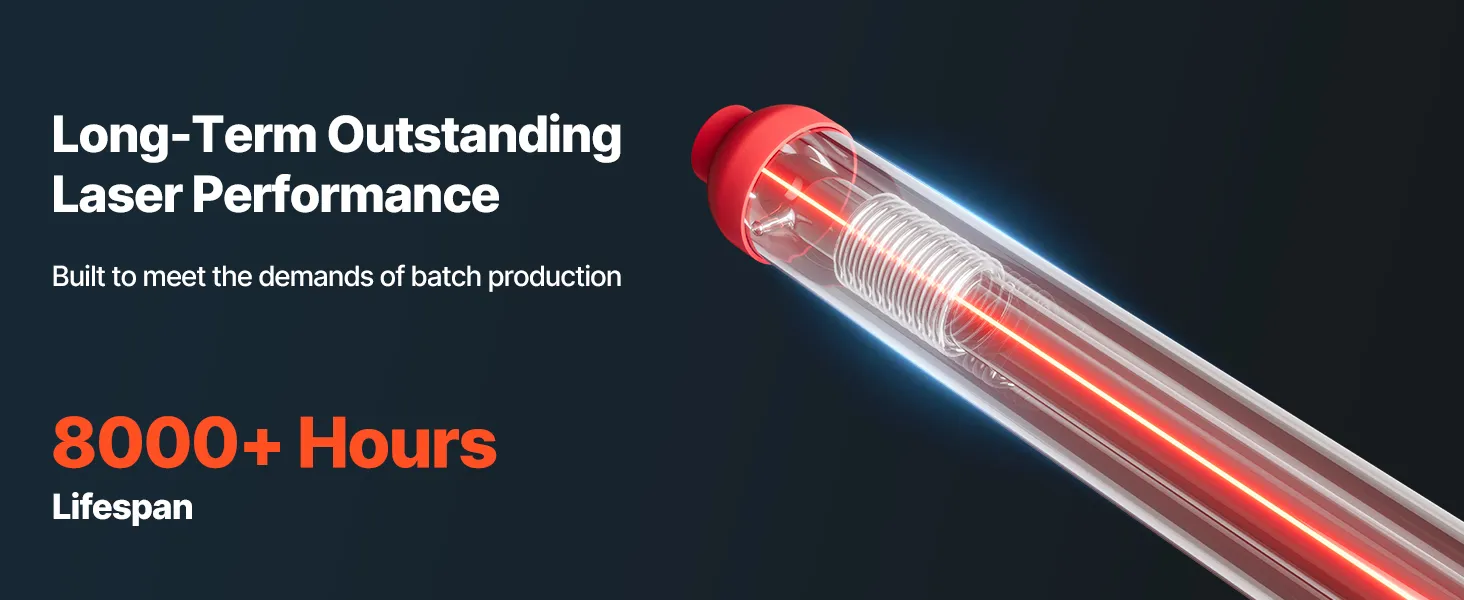
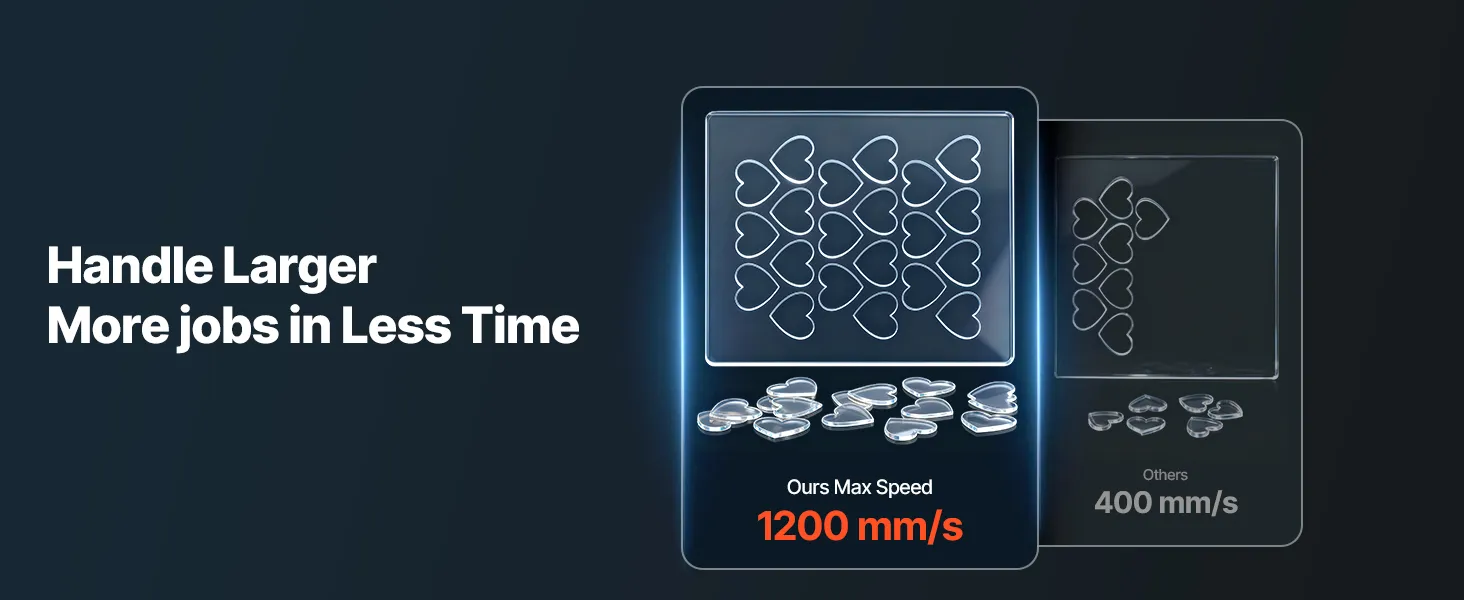
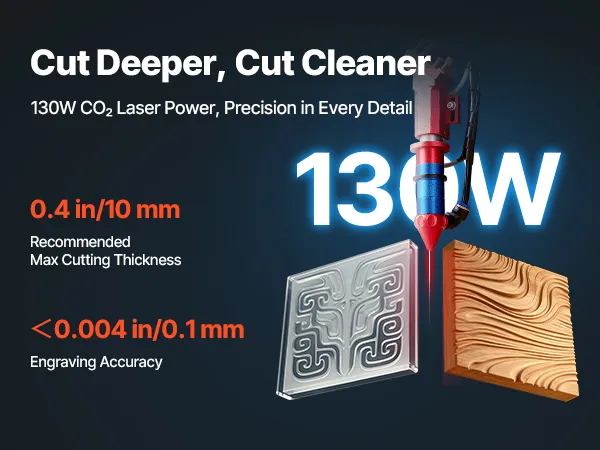
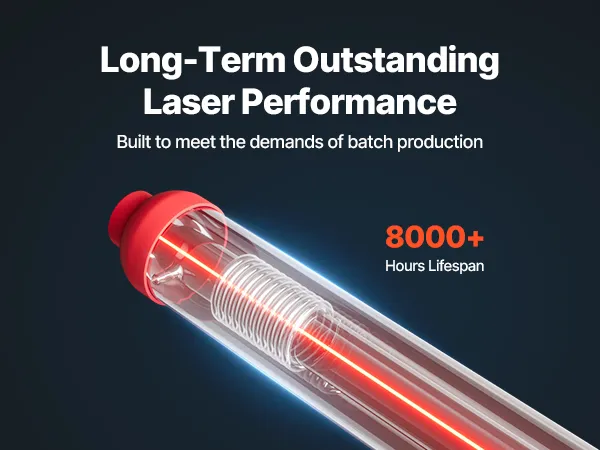
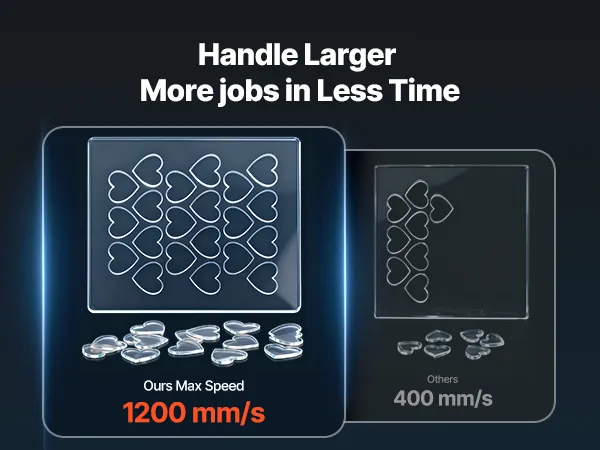
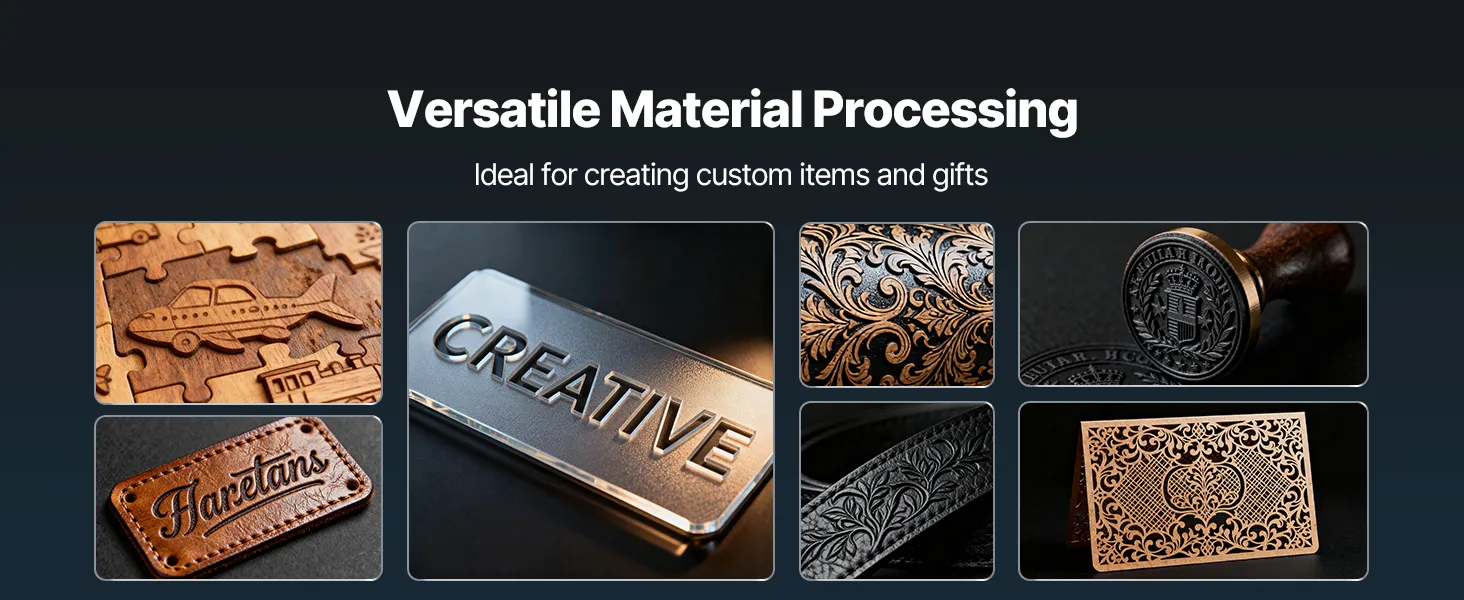
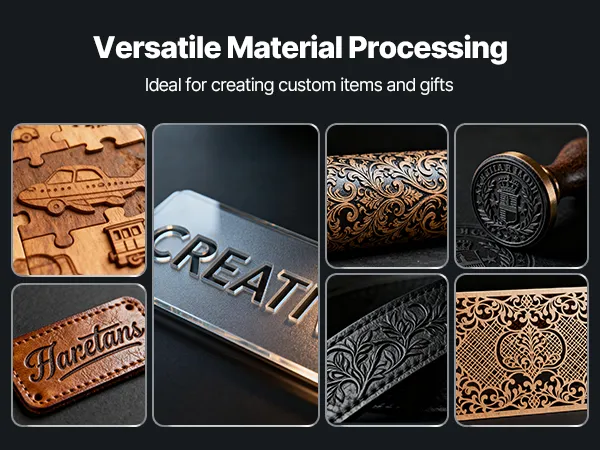
- High-Efficiency Engraving & Cutting: This 130W CO2 laser engraver engraves or cuts wood, acrylic, and other non-metal materials with burr-free edges. Recommended for materials under 10 mm, it reaches speeds up to 1200 mm/s. Laser tube life: 8,000+ hours. Note: not for metal engraving, only suitable for coated metals
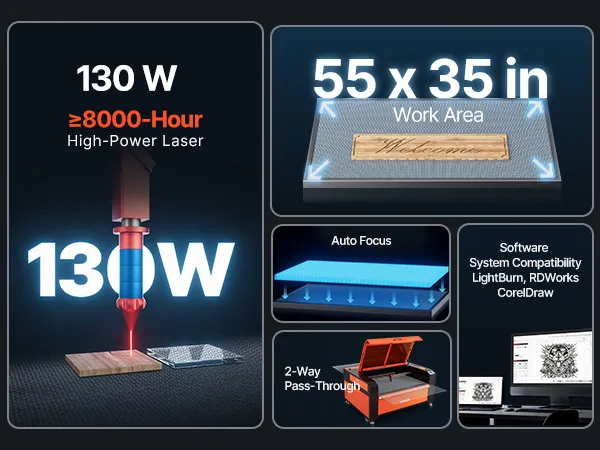
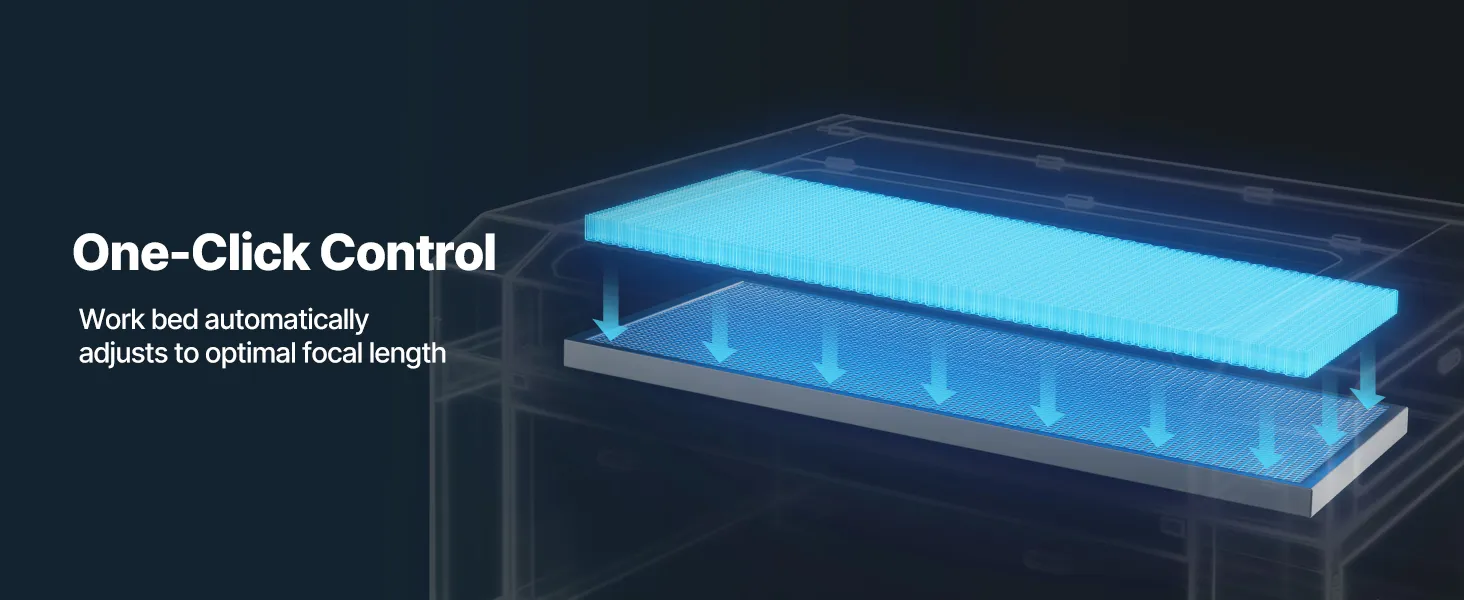
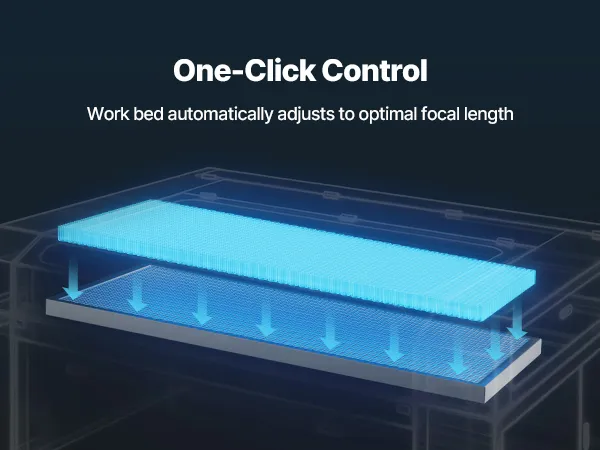
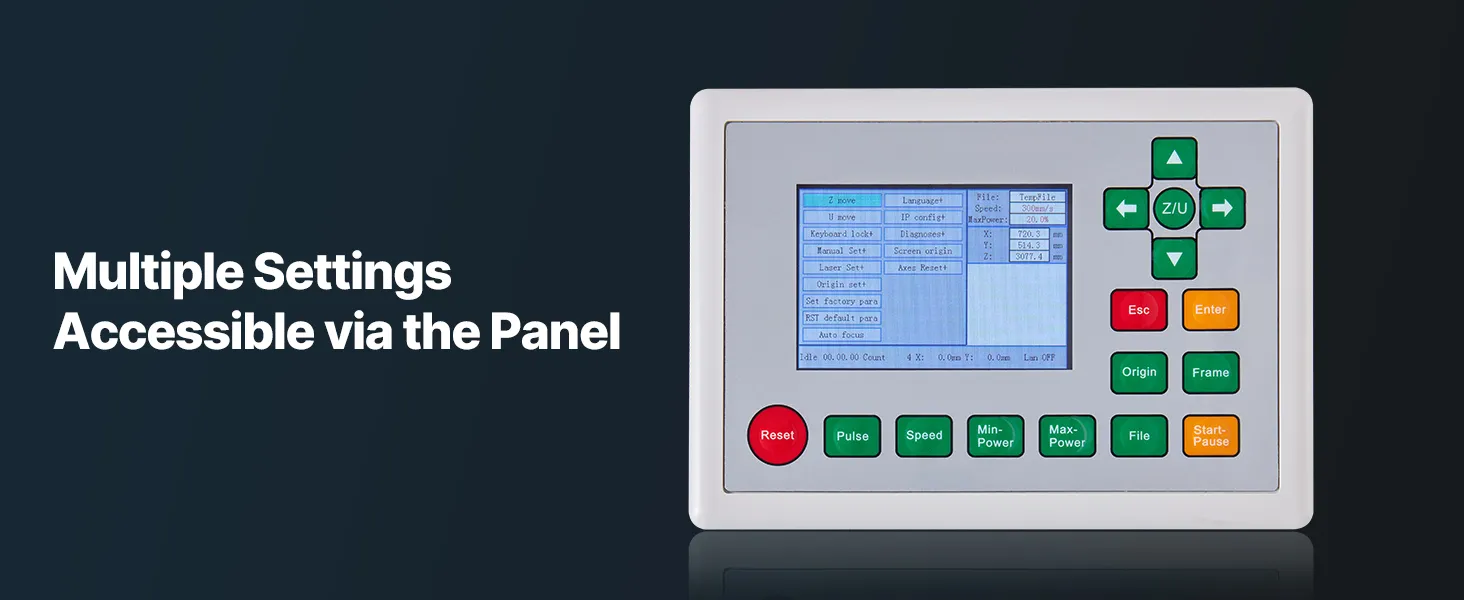
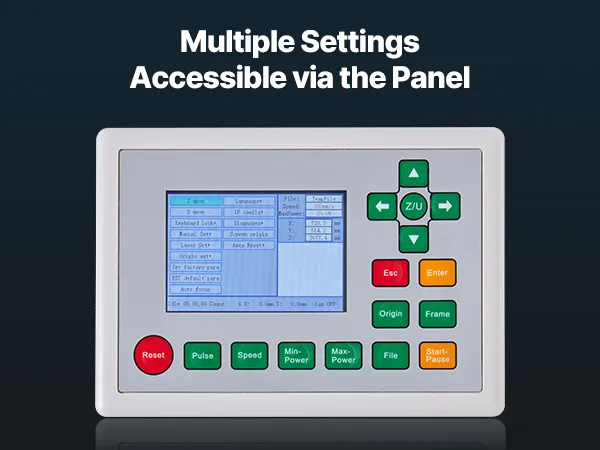
- Precise Auto Focus: Our CO2 laser cutter is equipped with an autofocus function. The motor-controlled system auto adjusts the laser head height to match your material. Just input the material thickness or use the control panel for precise focus every time
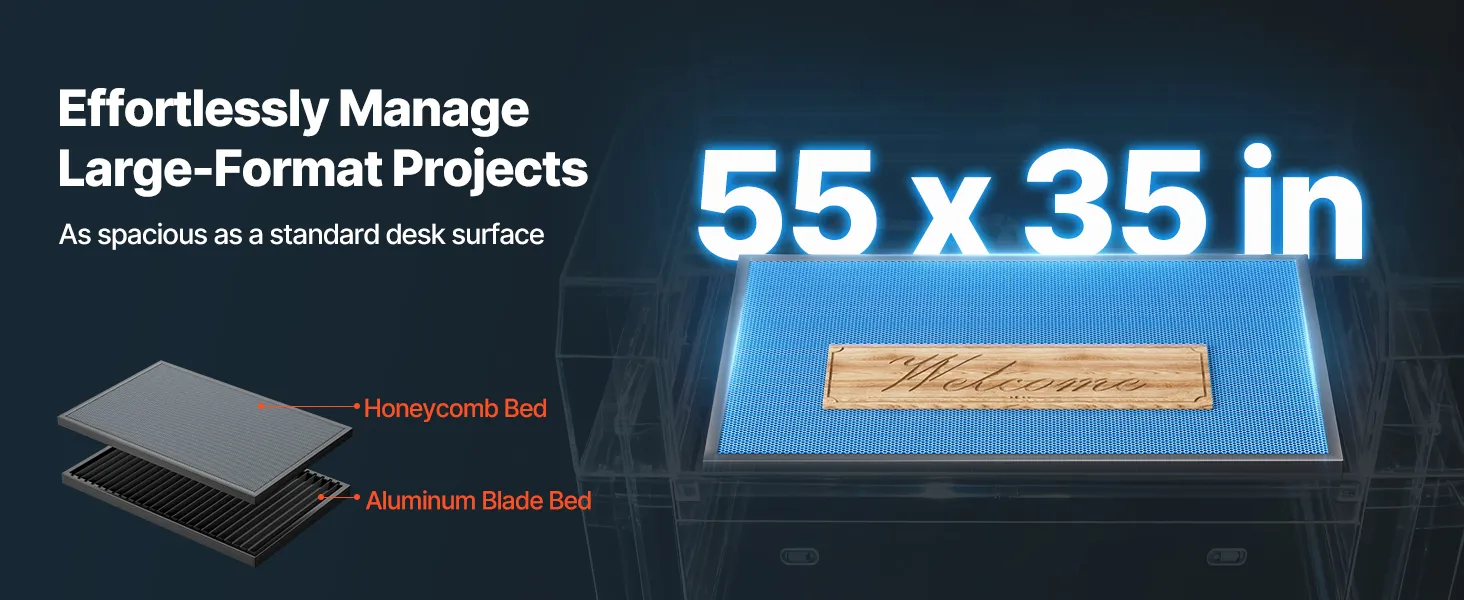
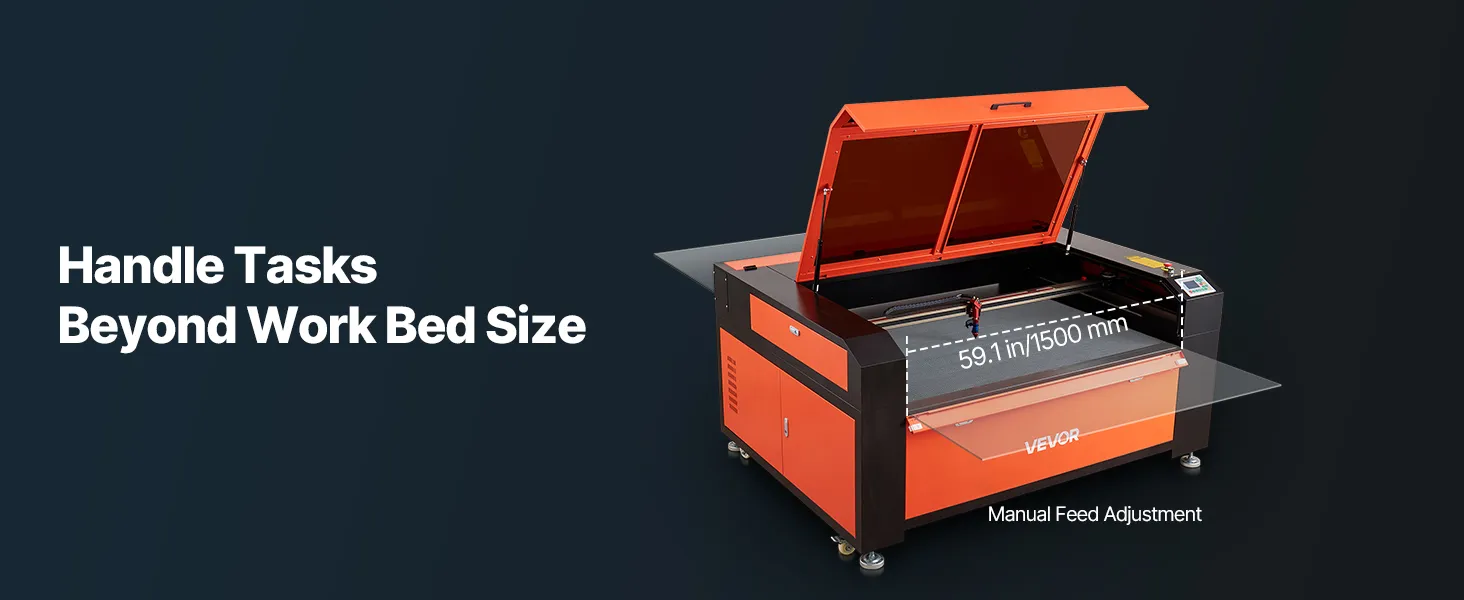
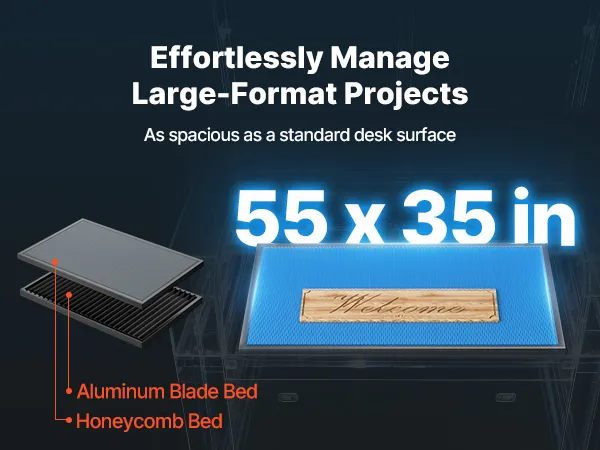
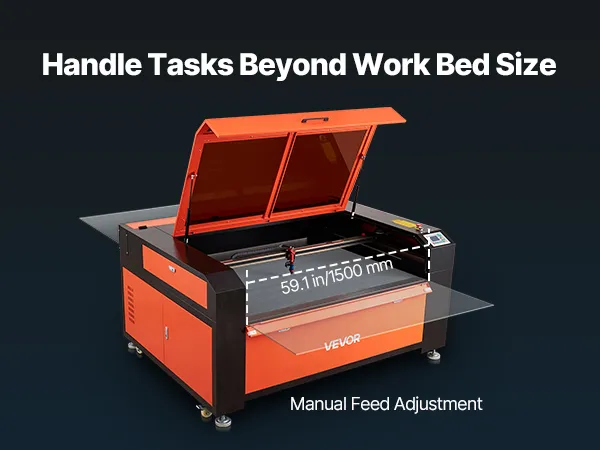
- Spacious Dual Work Beds: The 55 x 35 in work area accommodates signs and furniture panels. A two-way pass-through design allows for longer materials and easy manual feeding. This CO2 laser engraver cutter includes a honeycomb bed and an aluminum blade bed
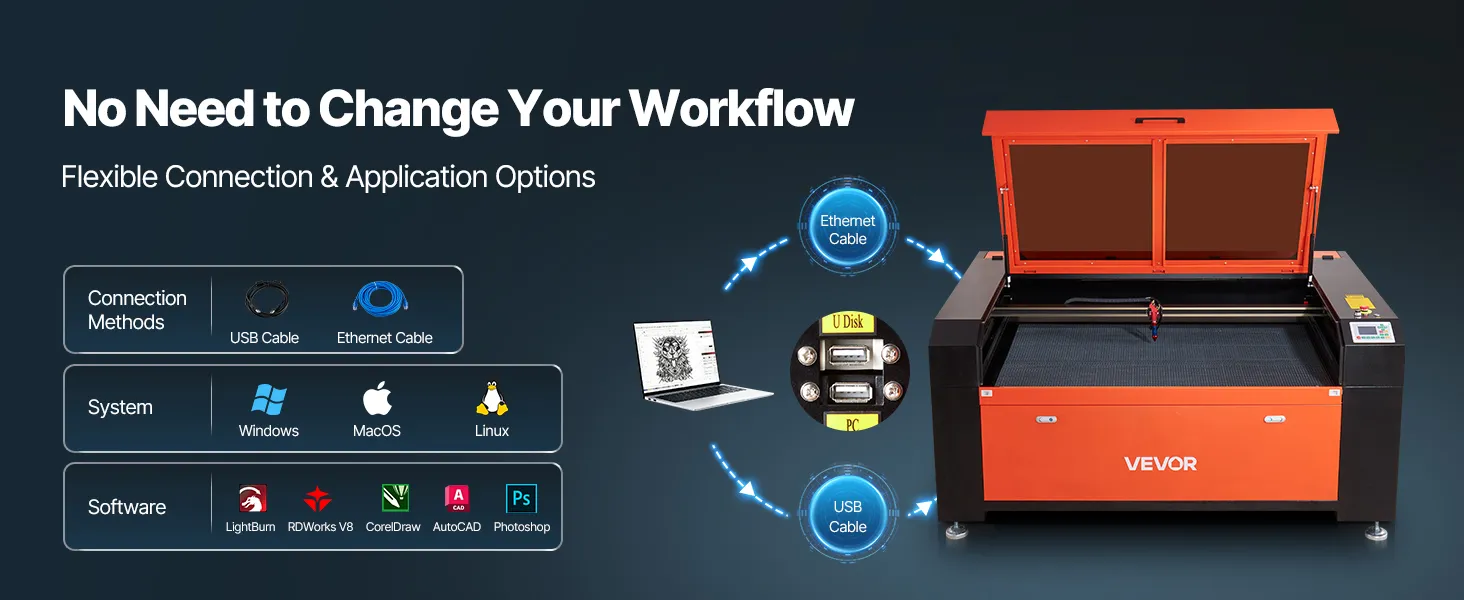
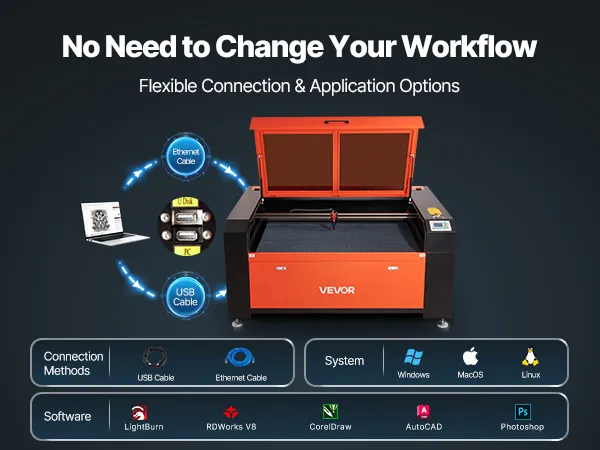
- Broad Compatibility: Connect via USB or power cable and work seamlessly across Windows, macOS, and Linux systems. This CO2 laser engraver cutter is fully compatible with LightBurn, RDWorks, and other popular design software
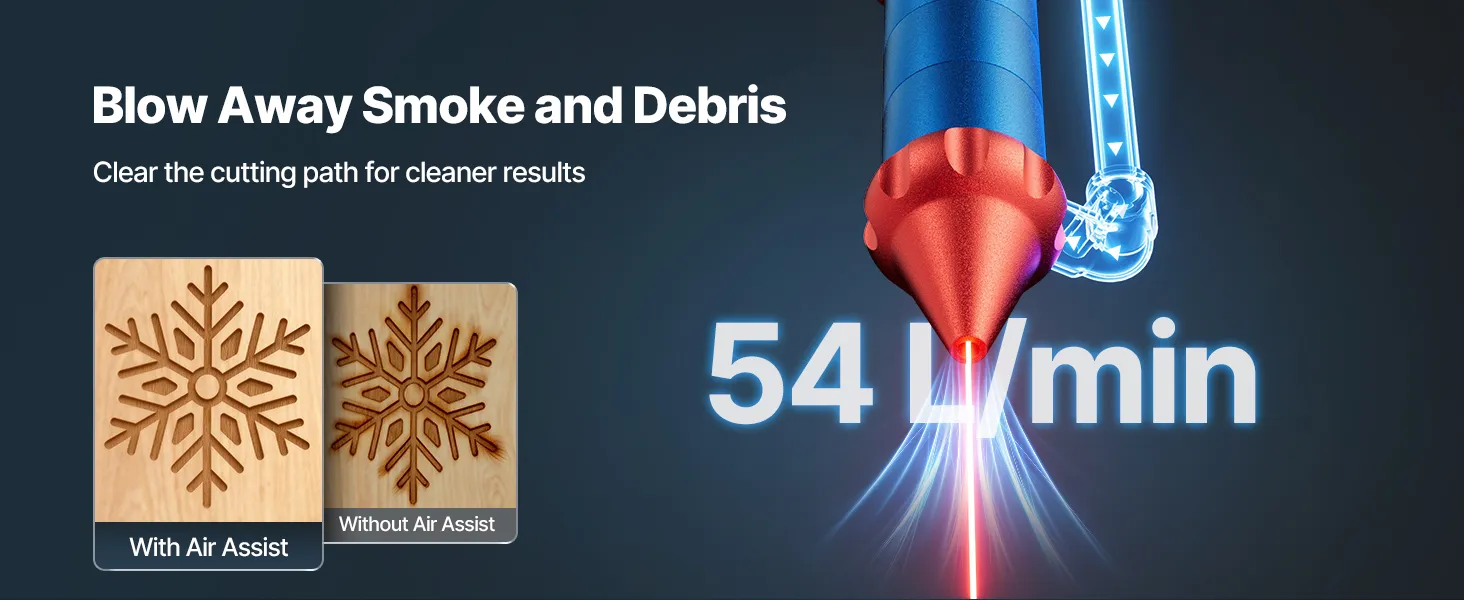
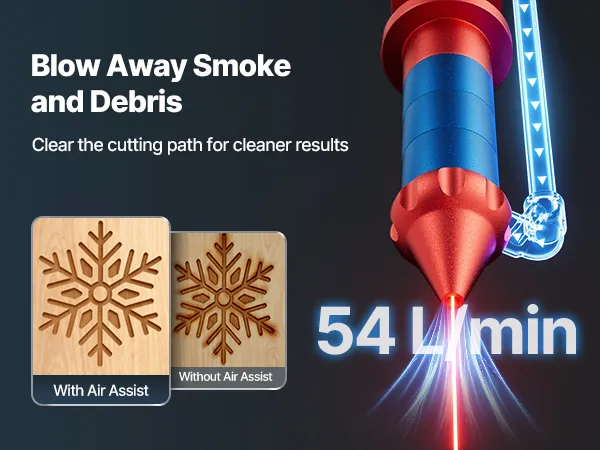
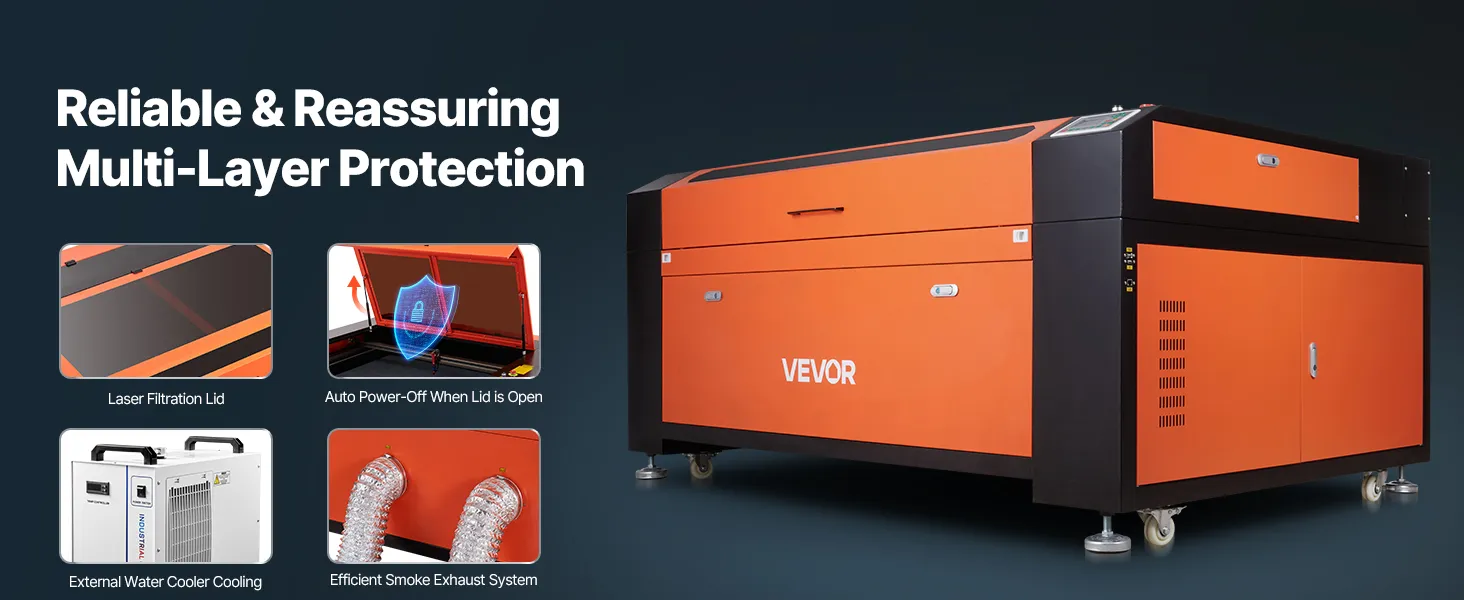
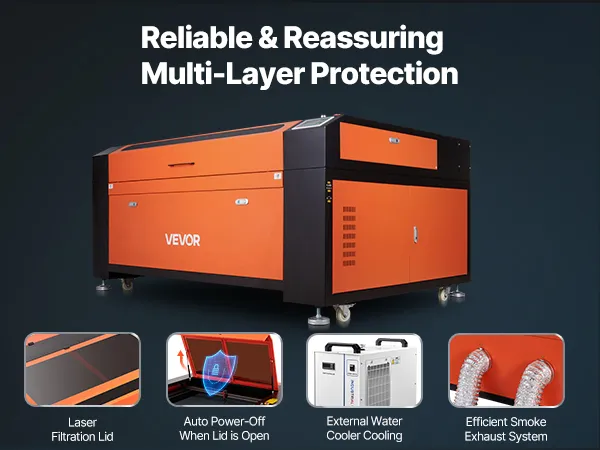
- Clean & Reliable Operation: The built-in air-assist system clears dust and smoke, keeping the workspace fresh. The water chiller system, plus multiple security features, ensures consistent performance during long runs while reducing operational risks
Reviews summary
Al-generated from customer reviews
Frequently Bought Together
Reviews
About this item


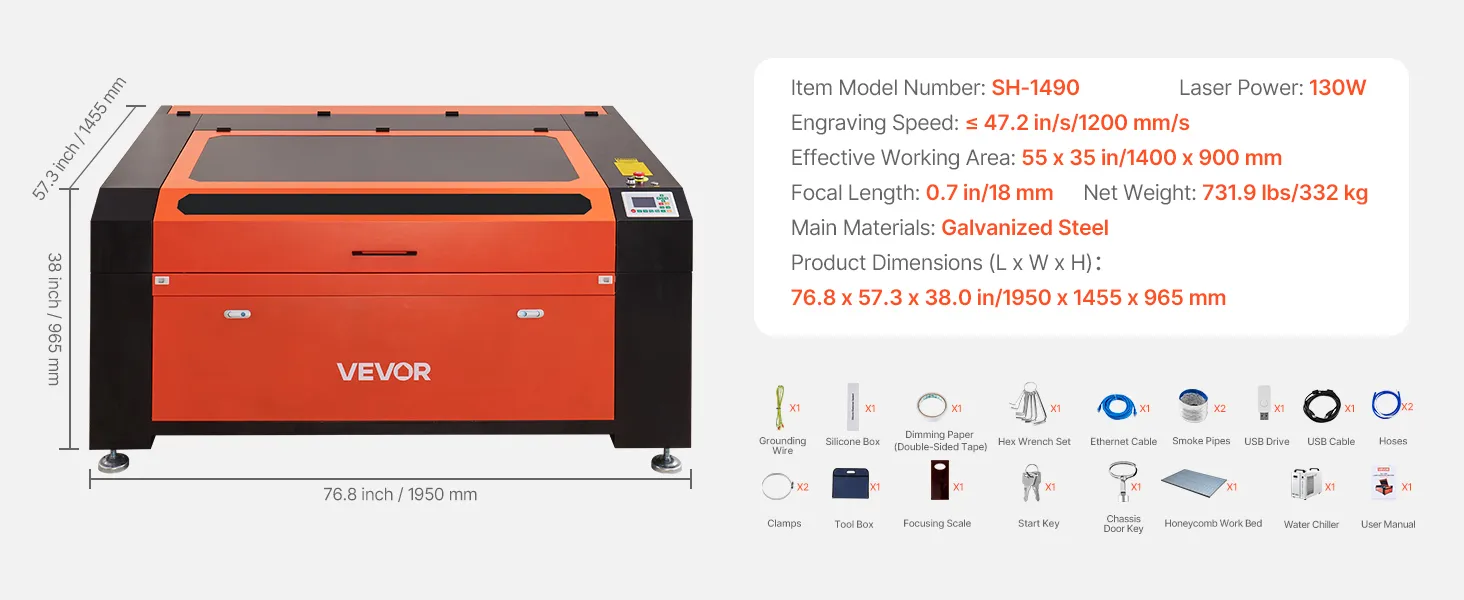
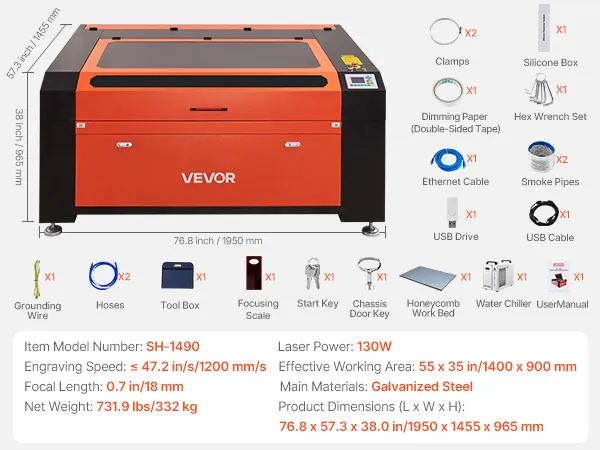
130W CO2 Laser Engraving Machine Cuts Wood and Acrylic at 1200 mm/s with Burr-Free Edges
The VEVOR 130W CO2 laser engraving machine can cut and engrave wood, acrylic, and many other non-metal materials at speeds of up to 1,200 mm/s. This machine is one of the fastest in its power class because of its high processing speed. It reduces cycle times on production runs without sacrificing edge quality. The 130W laser tube supports clean cuts on many materials up to about 10 mm thick.
The laser tube has a service life rating of up to 8,000 hours, providing shops that use the machine for long periods every day with a reliable baseline for how well it will perform. That rating means that the tube can be used for years of continuous production at eight hours a day before it needs to be replaced.
130W CO2 Laser Engraving Machine: Motor-Controlled Autofocus System Adjusts Laser Head Height
One of the most time-consuming and error-prone parts of laser processing workflows is manually adjusting the focus. This machine eliminates that step with a motor-controlled autofocus system. The operator enters the material thickness on the control panel, and the system automatically adjusts the laser head to the focal height needed for effective beam concentration on that material.
The quality of the cut, the contrast of the engraving, and the edge definition on each processed piece all depend on how accurately the focal point is set. Even small changes in the optimal focal distance reduce the energy density at the material surface, leading to incomplete cuts, uneven engraving, and less sharp edges.
55 x 35 in Dual Work Bed with Two-Way Pass-Through Handles, Signs, and Furniture Panels
This 130W CO2 laser engraving machine has a large work area in its class, measuring 55 by 35 inches. It can handle full-sized signage panels, furniture parts, and large-format engraving projects that smaller-bed machines can't handle in a single pass. This bed size means you don't have to move or tile large workpieces, keeping them aligned correctly and saving a lot of time on big jobs.
The two-way pass-through design extends the machine's working length beyond the bed's physical dimensions by allowing longer stock to feed through the enclosure while it is being processed inside the machine. The machine can handle boards, extrusions, and panels longer than 55 inches by allowing operators to manually feed them through the pass-through opening. It means that a bigger machine isn't needed.
USB and Cable Connectivity with Full LightBurn, RDWorks, and Multi-OS Software Compatibility
Any production laser setup should be compatible with other programs, and this machine can connect to Windows, macOS, and Linux operating systems via USB or a direct power cable, without requiring special drivers or workarounds for each platform. Cross-platform compatibility means the machine can work with any studio or workshop computer, regardless of the operating system.
Operators can start using the software they already know and love right away because it works with both LightBurn and RDWorks, two of the most widely used CO2 laser design and control platforms. You can use LightBurn's node editing, variable power settings, and camera alignment tools with fewer compatibility issues to troubleshoot. Users of RDWorks can still use their existing design libraries and toolpath settings.
Built-In Air Assist and Water Chiller System Maintains Clean, Stable Long-Run Performance
The built-in air-assist system sends a stream of pressurized air to the cutting point while the machine is running. It keeps the beam path and material surface clear of smoke, combustion debris, and other small particles. During long production runs, when debris builds up faster without air assist, it is especially important to keep the beam path clean.
The water chiller system helps keep the laser tube's operating temperature more stable over long periods. This stops the thermal buildup that occurs in air-cooled machines, lowering output power and shortening tube lifespan. Stable tube temperature keeps the beam output steady all day long, so the last cut of an eight-hour session works just like the first.
Honeycomb and Aluminum Blade Beds Support Versatile Material Handling Across Job Types
This 130W CO2 laser engraving machine comes with two interchangeable work surfaces, each designed for a different type of laser processing job. The honeycomb bed raises the workpieces above the bed surface, allowing cut-through laser energy to pass through without bouncing back into the material beneath. It lowers scorching and improves the quality of cuts on thin sheet materials, paper, and fabric.
The aluminum blade bed provides stable contact with thicker, heavier stock across the full width of the material during processing. Blade-style support reduces the contact area between the bed and the material underside, helping reduce back-reflection and thermal transfer on denser cuts.
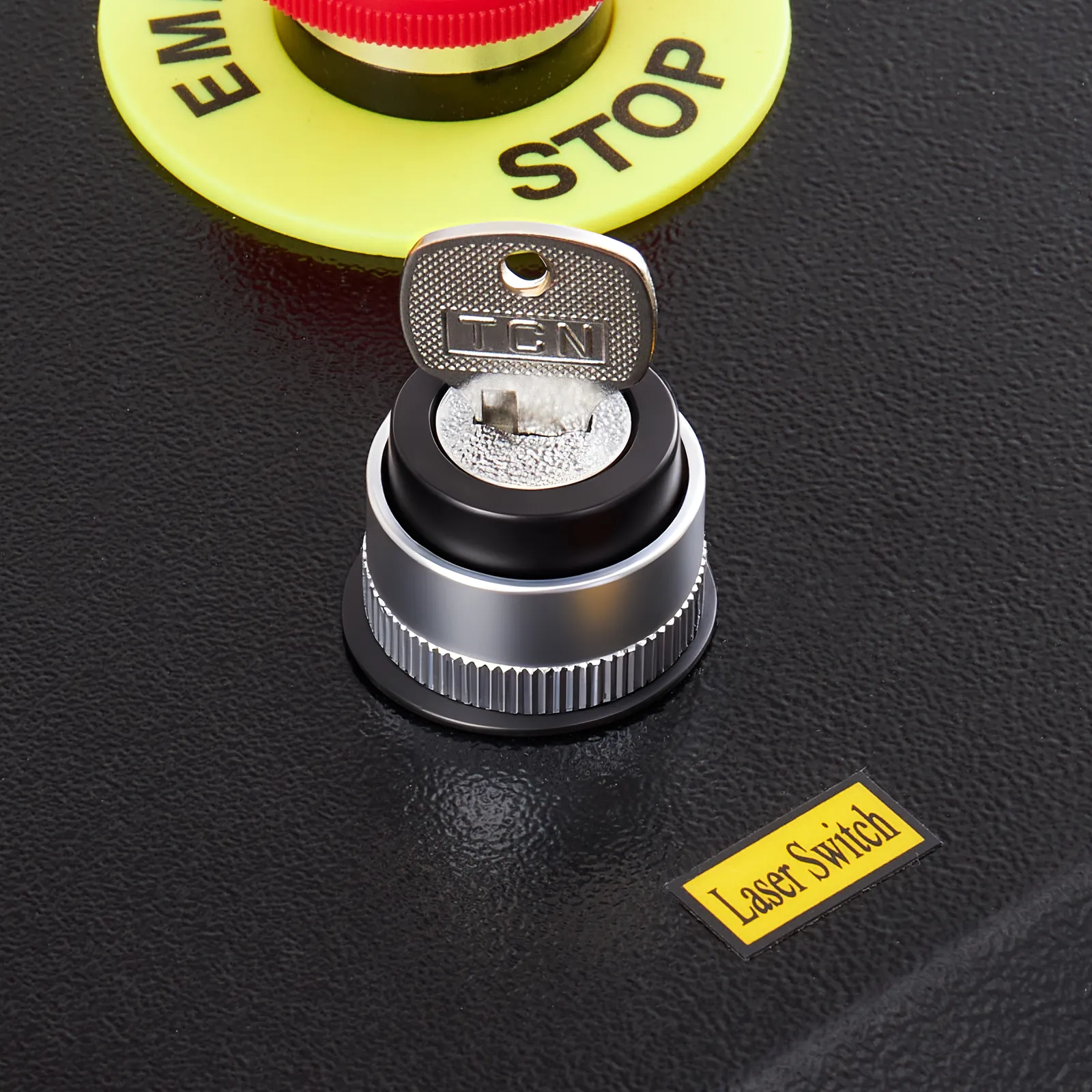
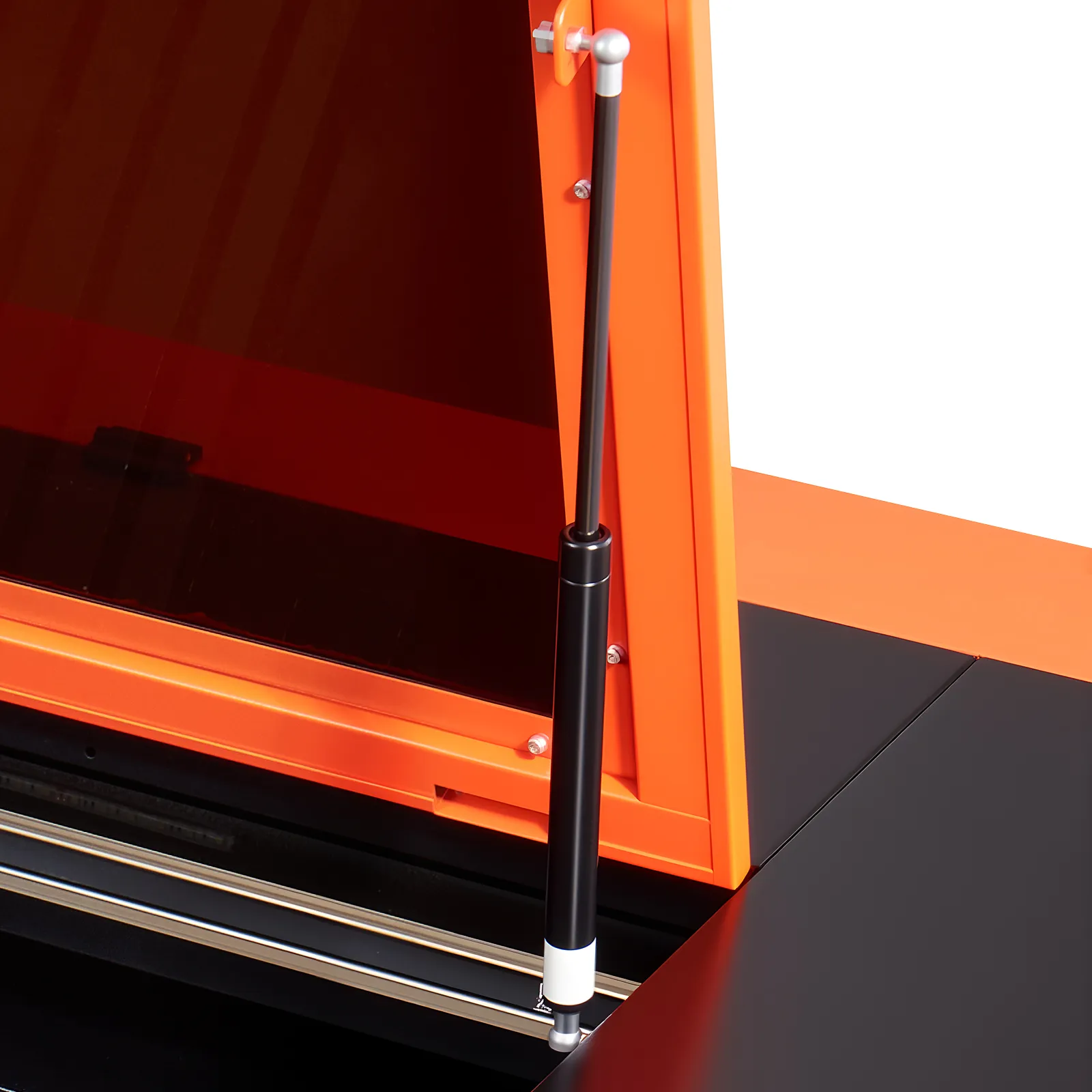
Multi-Security Features Reduce Operational Risk During Extended Laser Cutting Sessions
When a laser is used for extended periods, it can cause significant thermal, electrical, and mechanical issues that safety systems must monitor and address to keep the machine and the operator safe. This unit has many built-in safety features that work with the water chiller and air-assist systems to help keep operations safer during long production runs.
The combination of active cooling, debris removal, and automated safety monitoring enables the machine to operate for long periods without increasing risk factors that can lead to equipment failures or unsafe working conditions. It helps maintain the quality of the output while helping reduce the operational risk associated with using high-power laser equipment at commercial levels.