Ask about this product by AI

VEVOR Underground Water Detector, Up to 1640ft (500m) Pro Underground Water Detection Locator, 7" Touchscreen Auto Mapping Well Detector Explorer with Multi-Frequency Measurement, 8GB Card, Carry Case
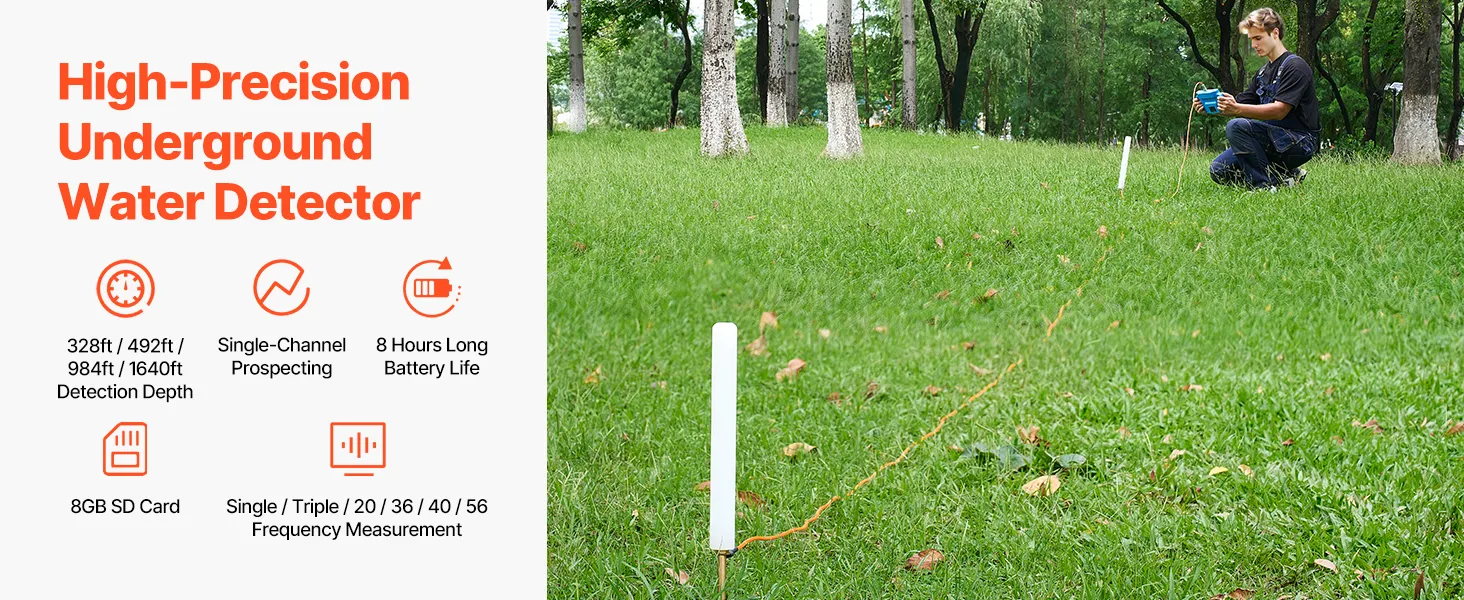
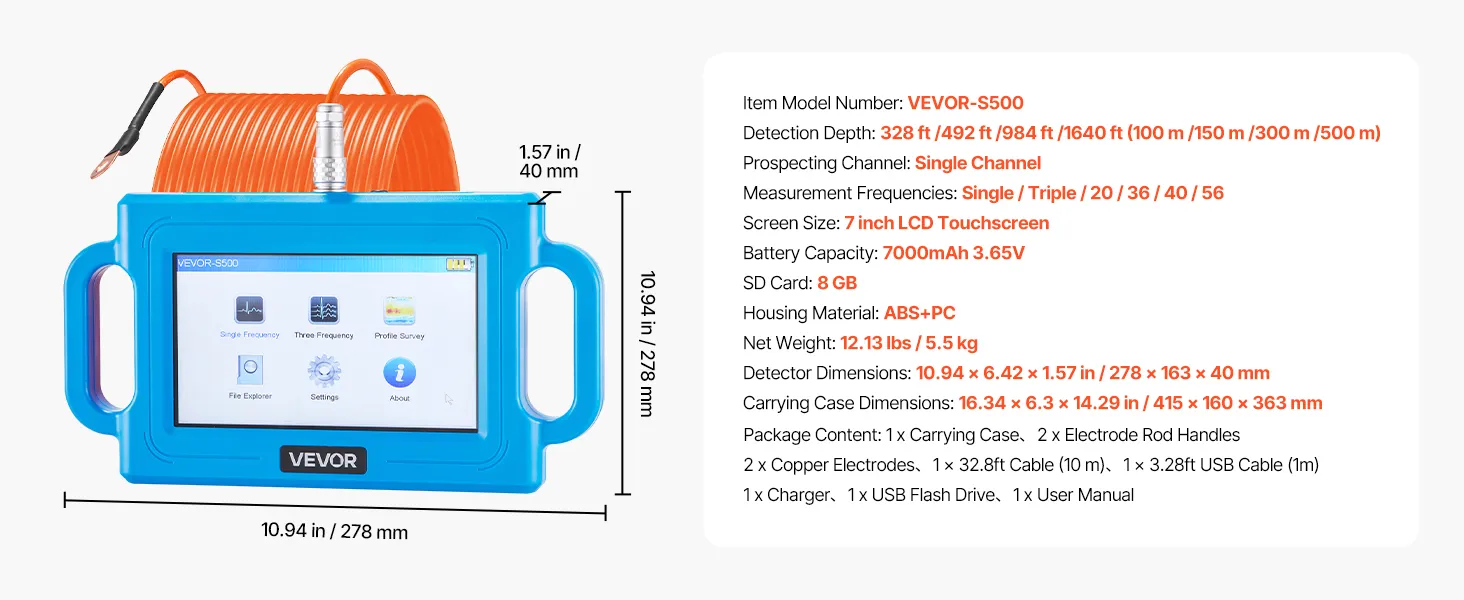
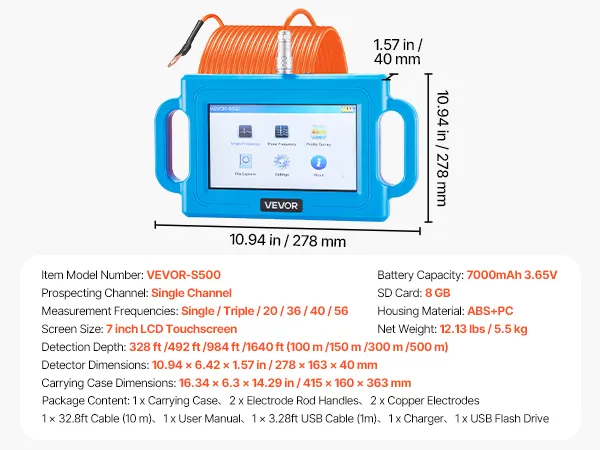
- High-Precision Detection: This professional underground water detector supports detection depths of 328 ft (100m), 492 ft (150m), 984 ft (300m), or 1640 ft (500m). Combined with its single-channel prospecting system, it ensures more focused, quicker, and more accurate detection of underground water
- Multi-Frequency Measurement: Our underground water locator supports single, triple, 20-, 36-, 40-, and 56-frequency measurement for comprehensive geological detection. Multiple frequencies adapt to various ground conditions, enhancing detection accuracy and efficiency
- Automatic Mapping: This underground water detection device features real-time automatic mapping and strong anti-interference capability for stable, reliable data output. It helps you quickly determine the location and depth of underground water, with an 8GB storage card for easy data saving
- Easy Operation: Equipped with a 7-inch LCD touchscreen that clearly displays detection data and graphics. With 9 language options and responsive touch controls, this underground water detector provides a more convenient and intuitive detection experience
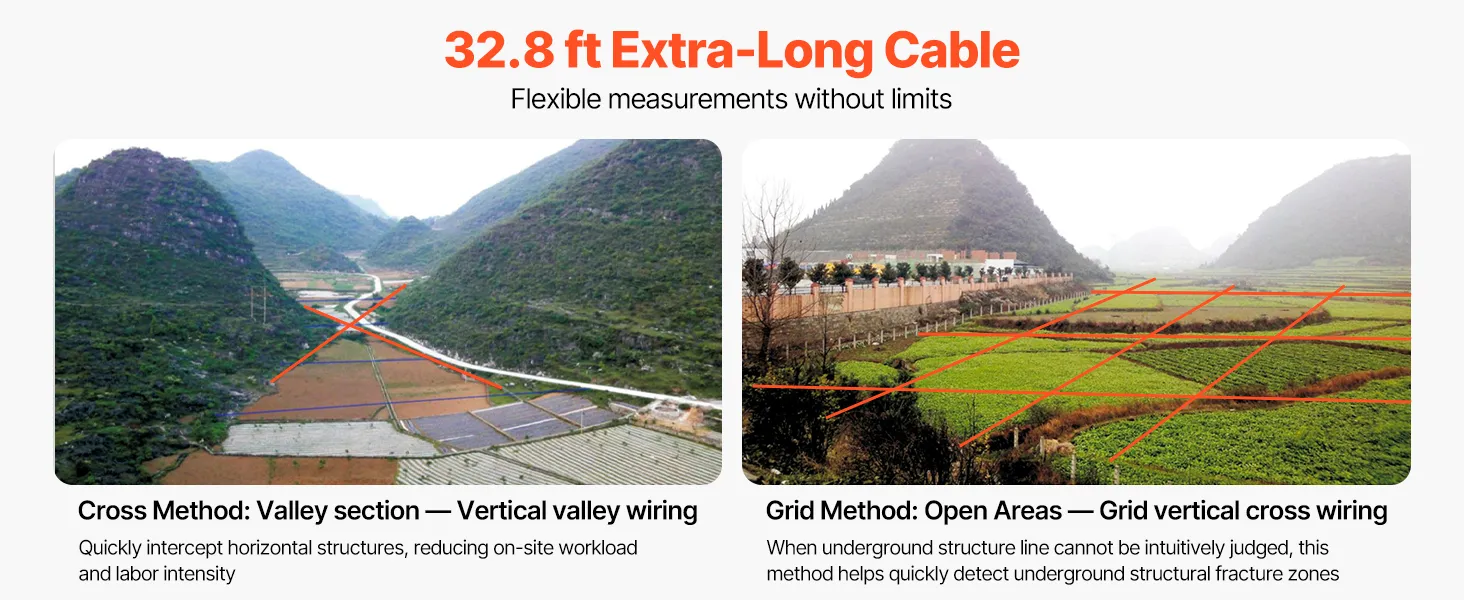
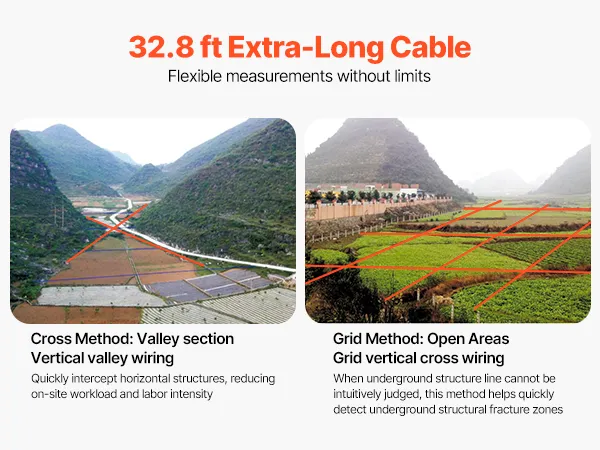
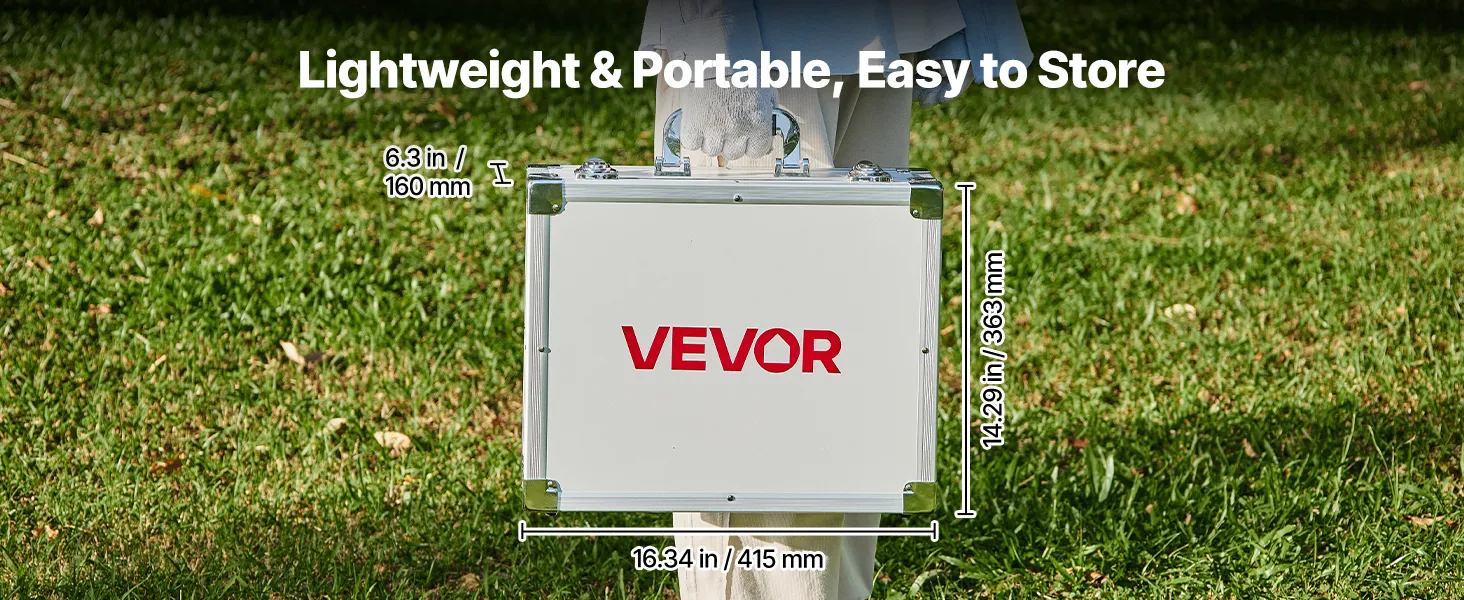
- Longer Runtime: Powered by a 7000mAh 3.65V high-capacity battery, this underground water resource locator supports up to 8 hours of continuous use. 32.8 ft extra-long power cable allows for flexible use and portable carrying case for convenient storage and transport
Frequently Bought Together
Reviews
About this item


Explore Underground Accurately with VEVOR Water Detector Machine
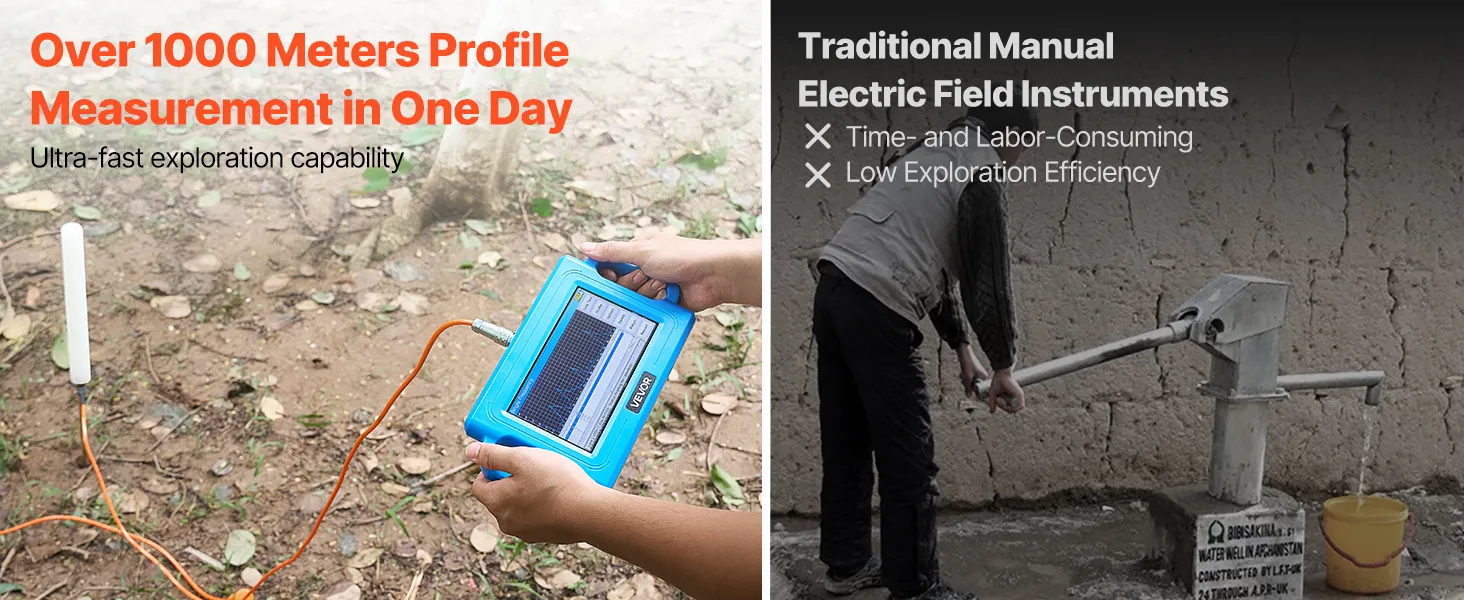
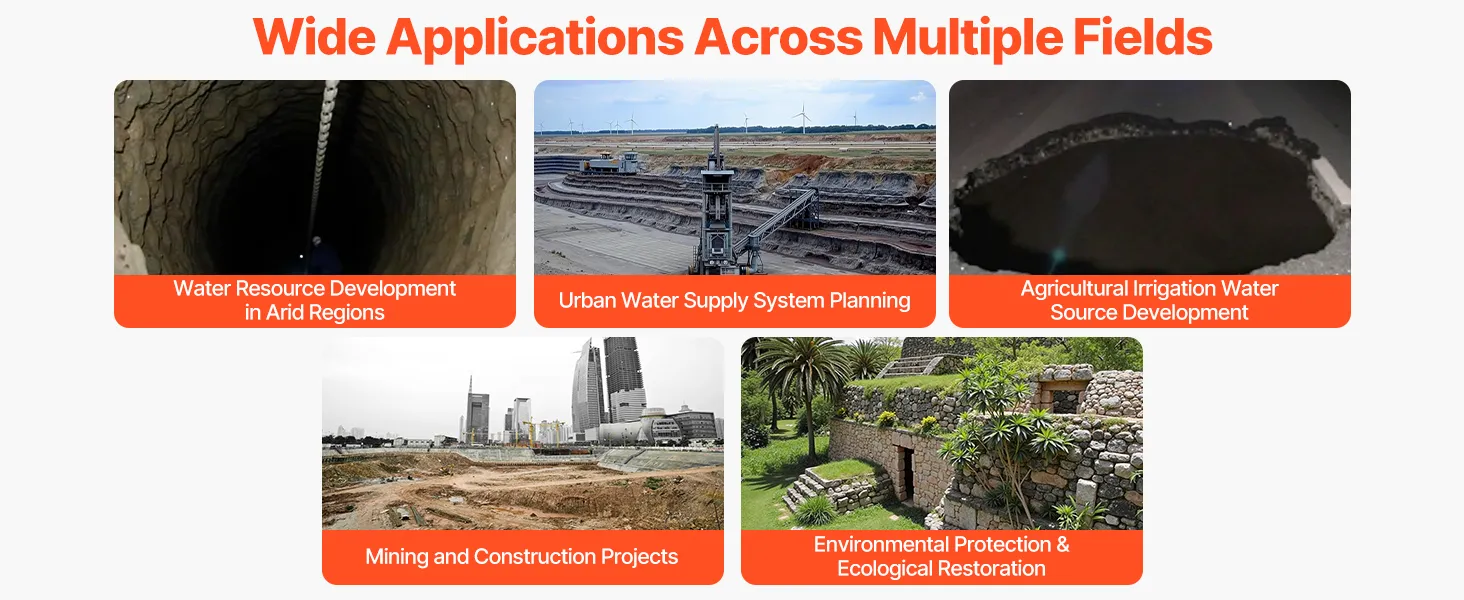
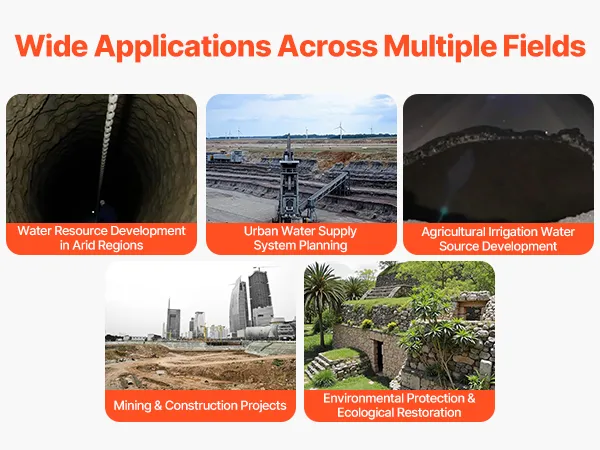
Transform your water detection with this professional water detector machine. It locates underground water quickly and precisely for 1640 ft (500m) depth. With the high-precision single-channel system and multi-frequency measurement, you can detect water in different types of soil. The touchscreen display indicates understandable real-time data, and the automatic mapping function makes it easy to track the location of underground water. Portable and durable, this underground water detector is ideal for wells, construction, agriculture, and geological exploration.
High Precision Water Detector Machine for Reliable Results
Detect underground water very accurately through this water detector machine. It supports depths of 328 ft to 1640 ft, depending on small and large-scale projects. With its single-channel system, you receive faster, more concentrated readings. This water leak detector makes sure you don't waste time blindly searching for water leaks and saves time in planning projects. Whether you're in farming, construction, geology, etc., it ensures accurate detection so you can confidently find groundwater at your location every time.
Multi-Frequency Measurement for Flexible Application
This water detector machine is multi-frequency detection, such as single, triple, 20, 36, 40, and 56 frequencies. These choices accommodate various ground conditions, which enhances detection accuracy and efficiency. By changing frequencies, the moisture sensor can detect water in complex terrain or in rocky soils. Ideal for professional users, to ensure you do not miss underground water sources. Multi-frequency capability makes this water leakage monitor useful for a wide range of underground detection tasks.
Automatic Mapping for Easy Planning
The underground water detector machine automatically draws the location of the detected water in real-time. The anti-interference technology ensures the stable and reliable data output. With an included 8GB storage card, you can save and review the data later on. This flood alarm system helps to keep track of the water depth, and it helps to coordinate faster, which makes planning and project management easier. Whether for geological surveys or agricultural wells, the automatic mapping feature means that you won't ever lose track of your water detection progress.
Intuitive Touchscreen for Simple Operation
Easily operate this water detector machine with a 7-inch LCD touchscreen. Clear graphics display detection results and water depth instantly. With nine language options and responsive touch controls, it's easy for both beginners and professionals to use. The moisture sensor and water leakage monitor functions are available directly from the screen. This intuitive interface minimizes errors and saves time while also making the detection of water underground a simple and efficient process.
Long Runtime For Prolonged Work Sessions
Work longer without interruption with this underground water detector. Powered by an enormous 7000mAh high-capacity battery, it can work for up to 8 hours on a continuous basis. The 32.8 ft additional long power cable provides flexibility in remote places. Carry it easily in the provided portable case, making it comfortable and convenient to take to the field. This water detector machine guarantees that you can conduct large-scale projects without having to worry about battery life, so that finding underground water is efficient all day long.
Portable and Durable Water Detector Machine for Field Use
This water detector machine is designed to be durable and mobile. The robust build is resistant to field conditions, and the compact build fits into the carry case for easy transport. Perfect for use as a water detector at home, in agriculture, and professional geology, it offers a combination of convenience and long-term reliability. With multi-frequency measurement and automatic mapping, this device provides professional functionality in a portable package, making it a must-have for anyone who needs accurate underground water detection.