Universal Surface Grinding Dust Shroud






Results for Universal Surface Grinding Dust Shroud
To turn unused laundry areas into well-organized, functional work surfaces, VEVOR offers a wide selection of washer and dryer countertops. Our selection accommodates every laundry room configuration and finish option, from full-width washer-dryer countertops with shelf storage to compact washer and dryer countertop slabs for small apartments. Constructed with robust materials and useful measurements, VEVOR offers laundry room enhancements that blend durability and design.
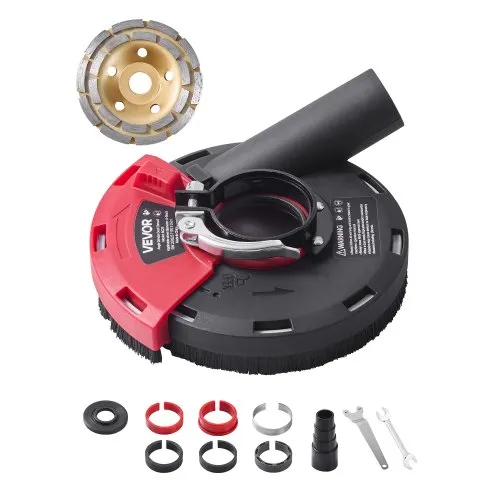
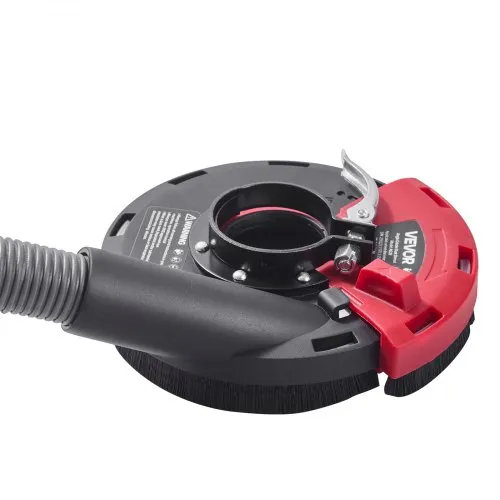
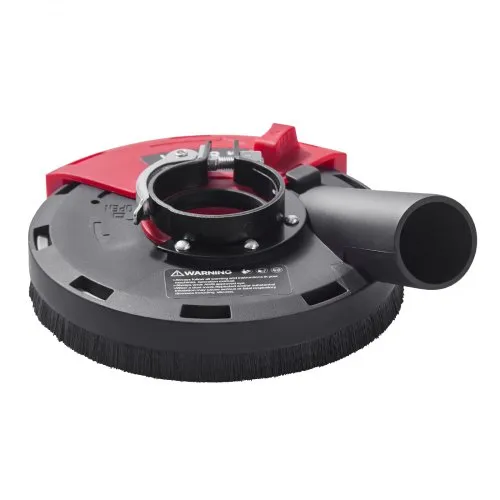
VEVOR Dust Shroud for Angle Grinder Surface Grinding, Cutting, and Concrete Preparation Work
Are you looking for an angle grinder dust shroud that protects your lungs, keeps your workspace tidy, and works with your vacuum system? Uncontrolled grinding dust causes major health and cleanup issues, whether you are cutting tile, grinding concrete floors, or priming surfaces for painting. Across popular grinder sizes and applications, VEVOR's line of grinder dust shrouds and surface grinding dust shroud systems provides contractors and do-it-yourselfers with efficient, vacuum-compatible dust control.
Grinder Size Compatibility & Dust Collection in VEVOR Angle Grinder Dust Shrouds
Whether an angle grinder dust shroud actually reduces airborne dust on your job site depends on two factors: compatibility with the grinder's size and dust-collection effectiveness. Designed to accommodate the most popular grinder sizes and work with standard vacuum systems, VEVOR dust shrouds can significantly reduce dust, safeguard worker health, and maintain a clean work environment during grinding or cutting.
Disc Size Compatibility and Universal Fit Design
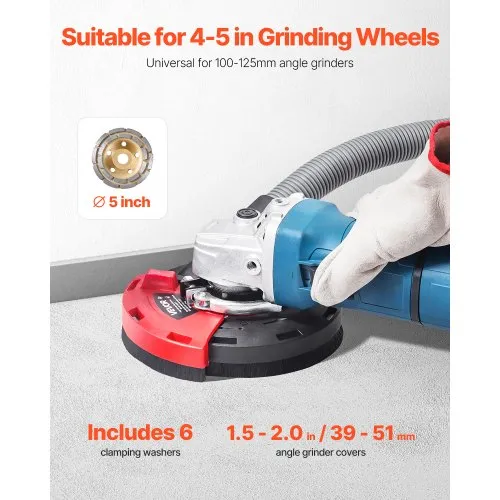
The first compatibility criterion is to choose a dust shroud that matches the disc diameter of your angle grinder, which comes in a variety of standard diameters. In both professional and do-it-yourself settings, the most popular disc sizes are 4, 4.5, 5, and 7 inches. On a 7-inch grinder, a shroud made for a 4.5-inch disc will not seal properly because there is too much space between the shroud skirt and the work surface to sustain the negative pressure required for efficient dust collecting.
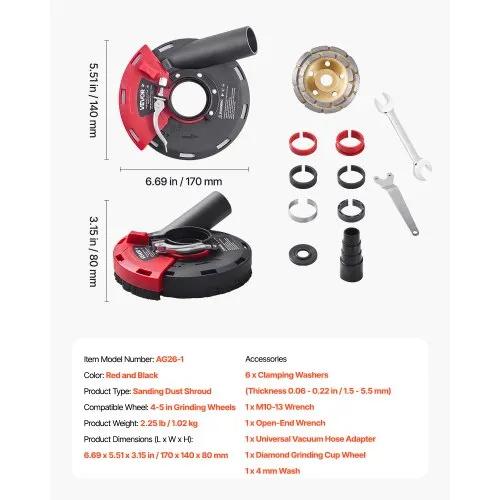
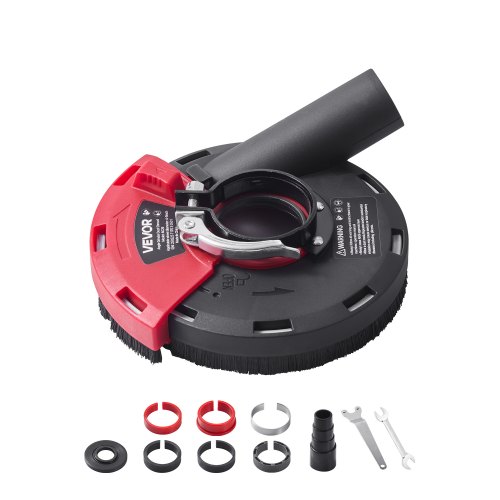
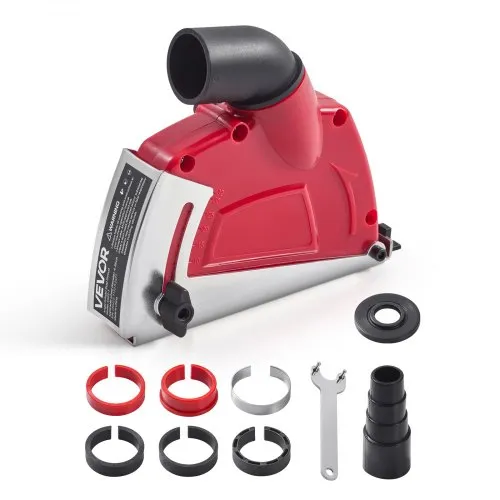
Angle grinder dust shrouds from VEVOR are offered in both universal and size-specific designs. Universal surface grinding dust shroud models are an affordable option for consumers who use multiple grinder sizes for various applications, as they feature adjustable skirt designs or interchangeable adapter rings that accommodate a range of disc sizes. For customers who mostly use a single grinder configuration, size-specific models offer the best dust capture performance and the most accurate fit. When it comes to matching a dust shroud to your current grinder setup, VEVOR removes any uncertainty by clearly defining compatible disc sizes across all dust shroud listings.
Vacuum Port Size and Airflow Requirements for Effective Dust Capture
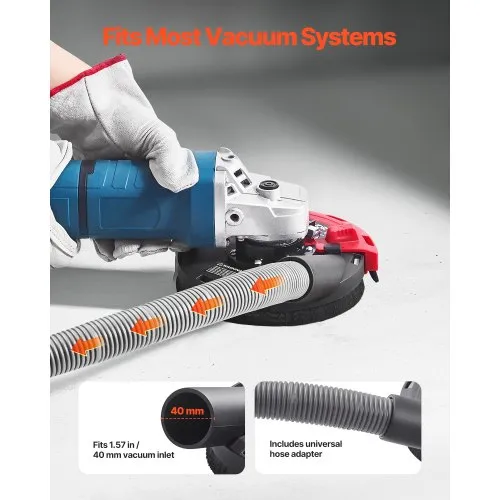
In a grinder dust shroud, the vacuum connection port serves as the interface between the shroud enclosure and your dust extraction system. The width of this port directly affects the effectiveness of dust removal from the grinding zone. The majority of angle grinder cutting dust shroud types have conventional vacuum port widths of 1.25 inches, 1.5 inches, or 35 mm, which match the hose diameters of industrial dust extractors and typical workshop vacuums. Air leaks caused by mismatched port and hose diameters lower suction effectiveness and let dust escape around the connection point.
The majority of VEVOR dust shroud types come with vacuum port adapters that fit the most popular hose sizes, eliminating the need for extra fittings or tape sealing. For dependable dust containment during active grinding, your vacuum system's airflow volume is typically recommended to be at least 150 CFM. Effective dust capture also depends on this volume. Instead of finding an incompatibility on the job site, VEVOR helps purchasers ensure their current vacuum system can support efficient dust capture before purchase by offering advice on airflow requirements across its surface-grinding dust-shroud range.
Dust Capture Efficiency and Health Protection Standards
An angle grinder dust shroud's main function is to shield employees from inhaling respirable crystalline silica and other fine particles generated during tile cutting, masonry work, and concrete grinding. Many workplace safety authorities limit silica dust exposure, a major occupational health risk, with stringent allowable exposure levels that cannot be met with respiratory protection alone in high-dust grinding processes. The best technical solution for minimizing dust exposure at the source is a dust shroud that works well when combined with the right vacuum extractor.
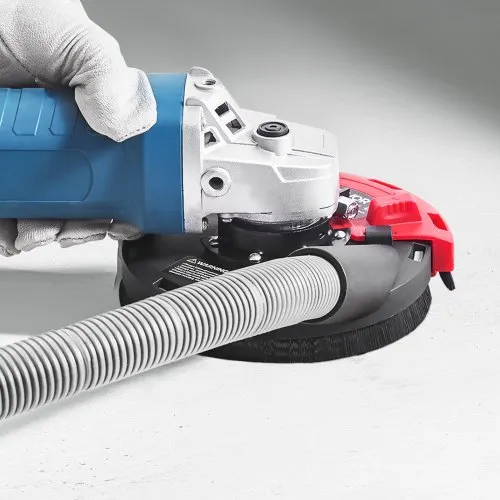
When used with a vacuum system that meets the minimum airflow requirements, VEVOR angle grinder dust shrouds are designed to capture a substantial portion of dust produced during surface grinding. Any space between the grinding surface and the shroud border lets dust-laden air escape rather than being pulled through the vacuum port, which is why sealed skirt contact with the work surface is essential for capturing efficiency. The shroud skirt designs from VEVOR help increase the amount of generated dust that is captured and contained rather than released into the surrounding work environment by maintaining constant surface contact on flat, lightly textured, and moderately uneven surfaces.
Compatibility with Wet and Dry Grinding Applications
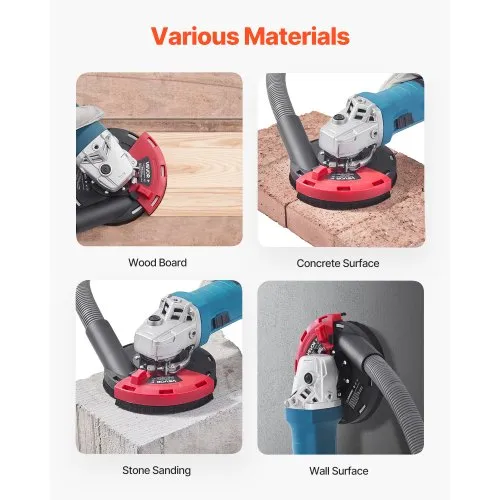
Depending on the material being handled and the required dust control method, dust shrouds for angle grinders are used in both dry and, less frequently, wet grinding. For concrete floor preparation, tile removal, and masonry surface grinding in interior restoration settings where water introduction would harm flooring, subfloors, or adjacent finishes, dry grinding with vacuum extraction is the most popular solution. The primary purpose of VEVOR's dust shroud for angle grinder models is dry vacuum-assisted grinding; the shroud's body geometry and port placement are designed to maintain airflow efficiency during continuous dry grinding passes.
In addition, some VEVOR surface grinding dust shroud models are compatible with certain wet grinding setups that use water applied to the disc to prevent dust from forming in the first place, rather than catching it after it has already formed. To manage the slurry generated during wet grinding without trapping material inside the shroud body, wet-compatible shrouds include drainage paths or openings and water-resistant internal surfaces. VEVOR offers configurations to match your preferred dust management strategy, whether your application requires wet suppression or dry extraction.
Material & Features in VEVOR Angle Grinder Dust Shrouds
How long an angle grinder dust shroud lasts on the job site and how easy it is to use for various grinding jobs depends on its material composition and useful characteristics. Using materials and features chosen for their dependability, longevity, and convenience of use under rigorous daily professional use, VEVOR manufactures its grinder dust shrouds.
Body Material, Skirt Construction, and Impact Resistance
Impact resistance and abrasion tolerance are crucial material qualities, as angle grinder dust shrouds work in close contact with revolving abrasive discs and rough work surfaces. The reinforced nylon, polycarbonate, or ABS body of VEVOR angle grinder dust shrouds withstands accidental contact with work surfaces and tool drops without breaking or deforming. Additionally, during surface preparation operations, these materials frequently come into contact with concrete dust, adhesive residues, and grinding slurry; they are chemically resistant to these substances.
On VEVOR models, the flexible perimeter seal that contacts the work surface, known as the shroud skirt, is made of polyurethane or wear-resistant rubber. These materials resist abrasive wear that occurs when the skirt slides across rough concrete, tile, or stone during grinding passes, while still offering the compliance required to maintain contact across somewhat uneven surfaces. Certain VEVOR models feature replaceable skirt designs that extend the assembly's usable service life and lower the long-term cost of maintaining efficient dust containment by enabling the worn contact seal to be replaced without replacing the entire shroud body.
Tool-Free Adjustment, Depth Control, and Mounting Features
VEVOR angle grinder dust shrouds' useful usability features help shorten setup times and enhance control during grinding. It is possible to quickly adapt to varying disc thicknesses, grinding depths, and work surface profiles thanks to tool-free height-adjustment mechanisms that elevate or lower the shroud body relative to the grinding disc, without the need for additional tools. On construction sites where operators alternate between activities and disc kinds during the workday, this function is especially helpful.
By attaching the shroud to the guard attachment points or spindle flange of the angle grinder, secure mounting solutions help maintain the shroud's alignment with the disc during grinding operations, preventing rotating or lateral movement. The mounting hardware for VEVOR angle grinder cutting dust shroud models is compatible with common grinder guard attachment configurations found in most major tool brands. Certain VEVOR models have translucent or semi-transparent shroud body panels that enhance work quality and safety awareness during enclosed grinding operations by enabling operators to observe disc condition and grinding progress without removing the shroud.
Why Choose VEVOR Angle Grinder Dust Shrouds?
Contractors and restoration experts use VEVOR angle grinder dust shrouds for efficient dust control on every project because of their compatibility with grinder sizes, efficient vacuum connections, sturdy construction, and useful adjustment features. VEVOR offers a comprehensive range of dust shrouds at low prices, with dependable after-sales support. These ranges include universal surface grinding dust shroud systems for multi-grinder operations and size-specific dust shrouds for angle grinder setups for purposeful everyday use. Get VEVOR grinder dust shrouds now to operate on all surfaces more effectively, safely, and cleanly.
FAQs
What vacuum CFM rating do I need for effective dust shroud performance?
Generally speaking, an angle grinder dust shroud should have an airflow of at least 150 CFM to provide dependable dust capture. When grinding aggressively, higher CFM values increase capture efficiency. Before using a vacuum with your VEVOR shroud model, make sure you are following the recommended airflow.
Can I use a VEVOR dust shroud for an angle grinder on walls and vertical surfaces?
Horizontal surface grinding is the primary use for most VEVOR angle grinder dust shrouds. Some types that support vertical surface use have balanced vacuum port placement and altered skirt shape. Verify each product's suitability for vertical cutting or wall grinding by reviewing its specs.
Are VEVOR grinder dust shrouds compatible with all angle grinder brands?
Designed to match conventional grinder guard attachment points, VEVOR dust shrouds are compatible with most angle grinder models. To achieve wider compatibility, universal models come with adapters. Before making a purchase, make sure the mounting interface specs and disc size compatibility match those of your particular grinder model.
How do I maintain a surface grinding dust shroud to keep it performing effectively?
After each use, clean the interior to prevent slurry and dust buildup that obstructs airflow. Regularly check the skirt seal for wear and replace it when the contact quality deteriorates. Before every grinding session, make sure the vacuum hose seal is tight and check the vacuum port connection for air leakage.