Tire Repair Equipment














Results for Tire Repair Equipment
VEVOR's tire repair equipment covers every stage of tire care, from bead breaking to mounting, balancing, and final inspection. This array includes tire balancers for a smooth, vibration-free ride after the job is done, bead breakers in manual, hydraulic, and slide-hammer versions, and manual and electronic tire changers for mounting and demounting. This collection includes equipment designed for real shop use, not just a spec sheet, whether you're running a full-service tire shop or setting up a garage bay for occasional repairs. You can service tires with confidence because every piece of tire repair equipment here is selected for real-world daily use.
VEVOR Tire Repair Equipment for Shops and Garages
Unsure whether tire repair tools suit your shop? Choosing the right equipment, such as balancers, tire changers, and bead breakers, requires careful consideration. With semi-automatic tire changers for regular shop volume, manual tire bead breakers for backup or lower-volume use, and computerized wheel balancers for accurate, consistent results, VEVOR keeps things simple. VEVOR offers tire repair equipment suited to your task and budget, regardless of your shop's daily tire count.
Choosing the Right Tire Repair Equipment for Your Shop
No one-size-fits-all tire repair equipment exists, so what you need depends on your daily tire volume, the types of wheels you service, and whether automation saves time or adds needless expense. Here are the primary equipment types VEVOR offers, along with their ideal applications.
Tire Changers: Manual, Semi-Automatic, and Fully Automatic
Any tire service operation revolves around tire changers, and the level of automation you choose affects both speed and the learning curve for novice technicians. Electric tire changers make basic tire changes much faster than fully manual ones because they power the mounting and demounting process mechanically rather than relying solely on human leverage. VEVOR's electric tire changer machines handle standard passenger and light truck wheels without requiring specific mounting techniques.
While some manual skill is still needed for final seating and adjustment, semi-automatic tire changers provide powered help for the hardest tasks, such as breaking the bead and initial mounting. For shops looking to increase speed without paying for full automation of every function, these offer a workable compromise.
For high-volume operations where technician time drives most costs, fully automatic tire changers handle almost the entire mounting and demounting process with minimal manual input. By adding a powered arm to hold the tire in place during installation, pneumatic assist arm tire changers lessen the physical strain on professionals performing dozens of changes per day. Pneumatic assist arm tire changers usually pay off fastest in high-turnover bays for establishments considering this upgrade. This category of tire repair equipment scales directly with your shop's daily volume, including manual, semi-automatic, fully automatic, and pneumatic-assist options.
Bead Breakers for Separating Tire from Rim
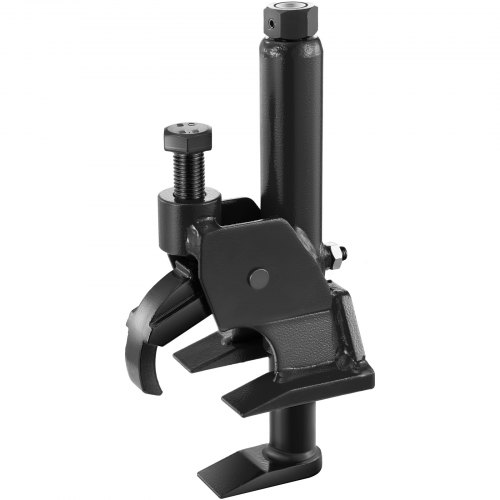
The bead seal must break before any tire can be removed from a rim, and bead breakers do just that. When a primary changer is occupied or unavailable for repair, manual tire bead breakers can serve as a backup tool or for lower-volume shops. They use hand-operated leverage to remove the tire bead from the wheel. These don't require electricity or compressed air, but they do require more physical exertion than powered options.
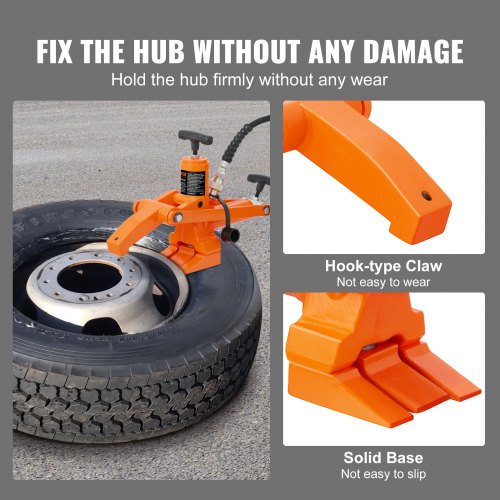
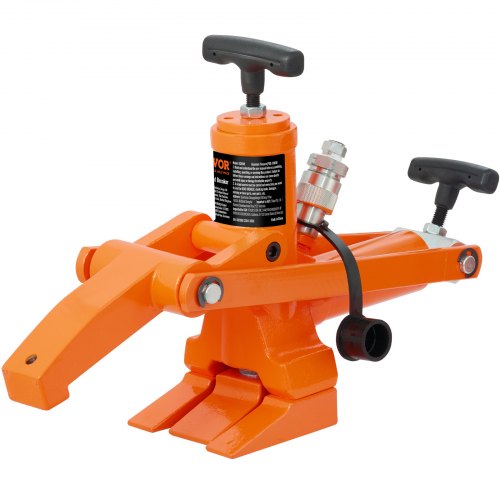
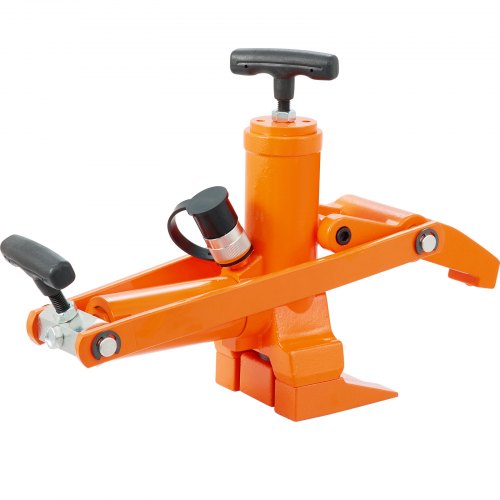
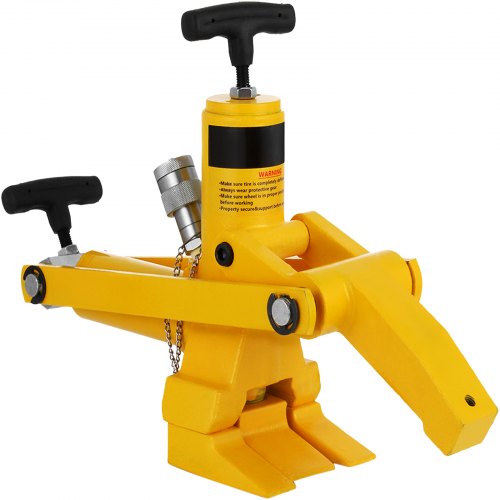
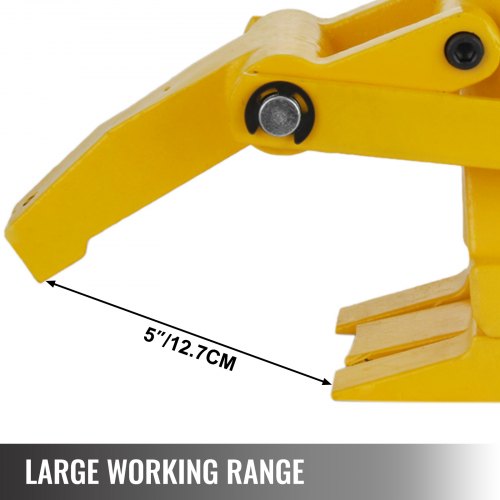
For stubborn beads on older tires or wheels with corrosion that holds the seal tighter than usual, hydraulic bead breakers use fluid pressure to deliver far more breaking force than physical leverage alone. VEVOR's hydraulic bead breakers reduce the physical effort of wrestling a stubborn bead with manual tools.
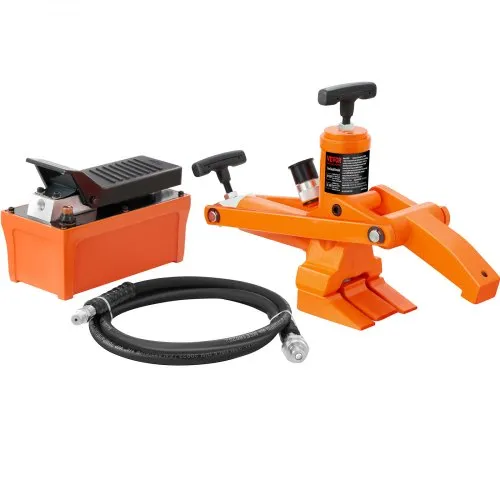
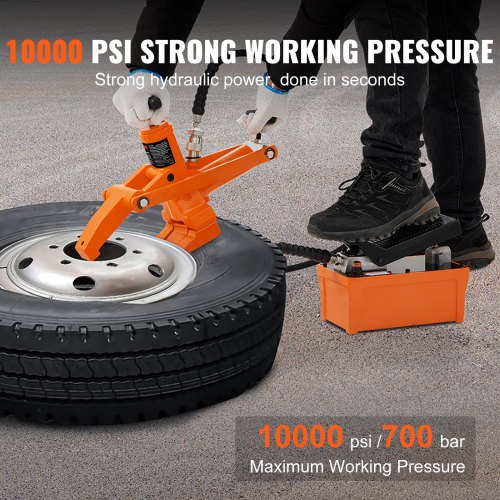
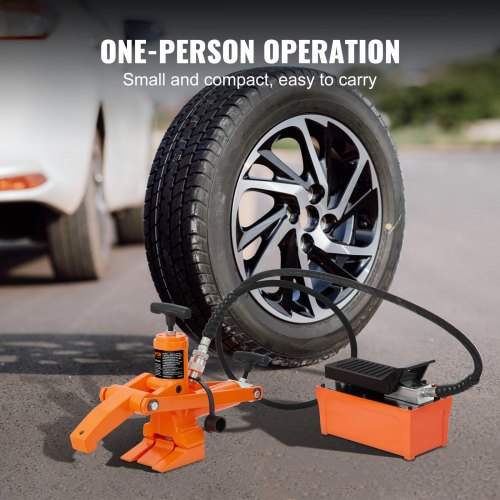
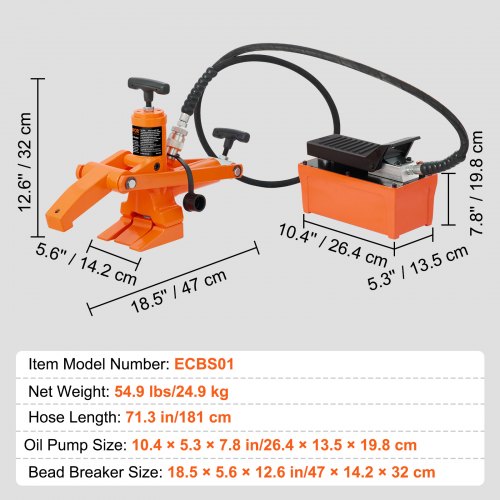
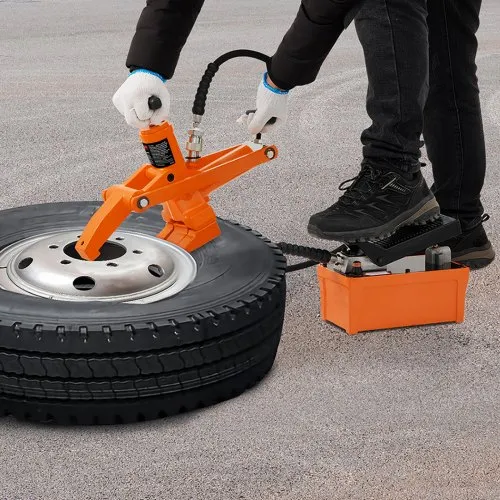
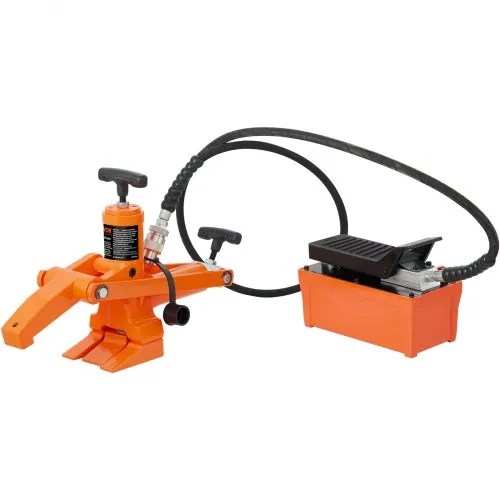
Instead of applying constant pressure, tire bead breaker slide hammers employ a sliding weight to produce breaking force. When a shop's main bead-breaking equipment is unavailable, these tire bead breaker slide hammers are especially useful as a portable backup. Air hydraulic foot pump bead breakers combine hydraulic force and pneumatic aid. Operators control them hands-free with a foot pump, letting them position the tire with both hands while still delivering significant breaking force. Shops that require hydraulic-level force without a fully powered standalone device can benefit from air hydraulic foot pump bead breakers. This piece of tire repair equipment can handle bead separation in a variety of shop settings and tire situations using manual, hydraulic, slide hammer, and foot pump techniques.
Tire Balancers and Computerized Wheel Balancers for Smooth Rides
Correct tire mounting is only half the work; balancing the tire reduces vibration and uneven wear caused by unequal weight distribution around the wheel. Before putting the wheel back on a vehicle, tire balancers evaluate imbalance by spinning the wheel and showing where to place weights. For everyday shop use, VEVOR's tire balancers can reliably handle standard passenger and light-truck wheel sizes.
Compared with earlier mechanical balancing techniques, computerized wheel balancers improve accuracy and speed by adding digital measurement and calculation to the balancing process. These usually show the exact location and amount of weight required, reducing uncertainty from less accurate equipment and lowering the number of customers who return after a service because of vibration.
Because a poorly balanced wheel creates an obvious, uncomfortable ride that customers notice right away, proper balancing equipment directly affects customer satisfaction and repeat business for shops with daily tire traffic. This tire repair equipment, available in both standard and computerized versions, protects a shop's reputation as much as it protects the vehicle.
Tire Spreaders and Grooving Tools for Repair and Maintenance
Some tire repair equipment handles maintenance and inspection in addition to installation and balancing. Without completely removing the tire from the rim, tire spreaders let technicians view and access the tire's inner surface during internal inspection or repair. This is important for interior inspections or puncture repairs, since complete removal would take needless time away from a simple task.
Heavy-duty tire spreaders handle larger truck and commercial tires because regular spreaders don't provide enough opening force or durability for frequent daily use. In certain commercial or off-road applications where this procedure is still common, a tire grooving tool performs a distinct kind of maintenance by carving tread patterns into worn tires to prolong their useful life.
To minimize expensive comebacks from a tool-caused damage, technicians can avoid damaging the tire or inner tube during mounting and demounting by using a no pinch tire tool and comparable bead-safe mounting equipment. This type of tire repair equipment focuses on getting tires on and off rims cleanly, without needless damage, and uses a tire beater to seat resistant beads during mounting. Shops that routinely regroove commercial or off-road tires should keep tire grooving equipment and a tire beater on hand for finishing work after a challenging mount.
Matching Tire Repair Equipment to Automation and Duty Rating
Selecting the appropriate equipment is just half the work. How well equipment keeps up with your shop's workload depends on its automation level and duty rating.
Choosing Automation Level: Manual vs Electric vs Pneumatic Assist
Automation level affects daily throughput and upfront costs, so match it to your shop volume rather than choosing the most sophisticated option. Manual tire repair equipment is a good option for very low-volume shops or as backup equipment used seldom because it is less expensive up front and requires neither power nor compressed air.
When daily throughput exceeds a particular threshold, the initial expense of electric and pneumatic assist equipment is offset by faster service times. Instead of assuming additional automation is always worth the cost, you can see whether the upgrade makes financial sense for your shop by comparing your actual daily tire count with the throughput difference between automation levels.
Duty Rating and Specialty Tools for Different Shop Volumes
The duty rating reflects the everyday wear a piece of tire repair equipment is designed to withstand, and it matters as much as raw capability for equipment that runs dozens of cycles every day. No matter how capable it looks on a spec sheet, equipment rated for occasional home garage use usually won't keep up under commercial shop conditions.
By matching purchases to actual demand rather than making speculative purchases, specialty tools like heavy-duty spreaders and tire grooving equipment can prevent tying up shop budgets with equipment that is rarely used. Comparing duty rating to actual daily volume can help avoid premature equipment failure and unscheduled downtime, rather than assuming all equipment can handle commercial use equally well.
Why Choose VEVOR Tire Repair Equipment?
VEVOR offers an extensive selection of tire repair equipment, including balancers, bead breakers, changers, and specialty tools, so you won't have to sacrifice automation or duty rating because of what's available elsewhere. Duty ratings range from sporadic garage use to high-volume commercial shops, and prices stay fair for both powered and manual equipment. Finding the ideal equipment for your shop is simple, thanks to VEVOR's standard guarantee and customer service. Choose the setup that best suits your volume and budget by browsing the full assortment of tire repair equipment.
FAQs
What distinguishes completely automatic tire changers from semi-automatic ones
Although semi-automatic tire changers provide powered help for mounting and breaking beads, they still require some manual technique. Fully automated tire changers handle almost the entire process with minimal operator involvement.
Does a low-volume shop require a hydraulic bead breaker?
Not always. Regardless of how many tires you service each day, hydraulic tire bead breakers save significant effort on obstinate or rusted beads. Manual tire bead breakers function well for lower daily volume.
Why is wheel balancing important following a tire change?
Unbalanced wheels cause uneven tire wear and noticeable vibration. By precisely measuring imbalance and weight placement, computerized wheel balancers help prevent clients with riding problems after servicing from returning.
What is a no pinch tire tool used for?
To avoid expensive comebacks caused by tool damage during routine tire servicing, this tool help mount and demount tires without pinching or puncturing the tire or inner tube.
How can I determine whether heavy-duty tire spreaders are necessary?
Standard spreaders may not provide enough opening force or durability if you often service larger truck or commercial tires. Heavy-duty tire spreaders reliably handle these larger, more demanding applications.