Shade Structures




Results for Shade Structures
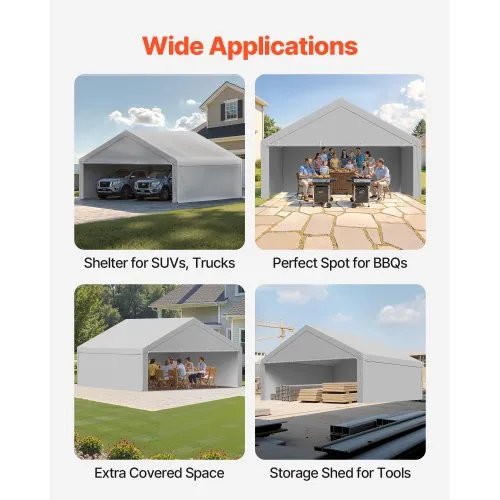
A shade structure is a frame and cover that blocks sun and rain over an outdoor area. It usually contains a steel, aluminum or timber frame, a polyethylene or polyester cover, and the bungees, eyelets or bolts that keep it tight. The owner sets up the frame, or reuses one already standing, then stretches the cover over it and anchors both. Shade structures are designed for parked cars, outdoor dining areas, plant beds and privacy along a patio. Unlike a pop-up canopy, most pieces here fit a fixed frame and stay up for the season.
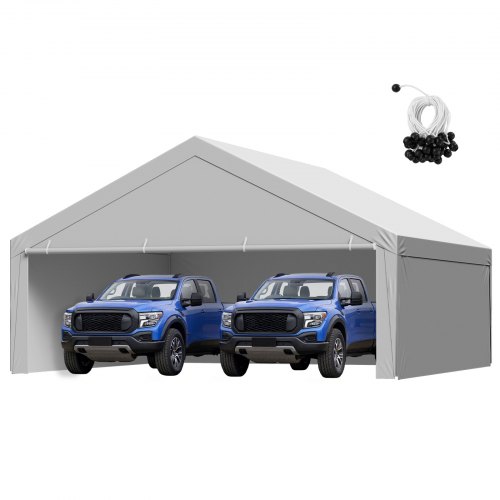
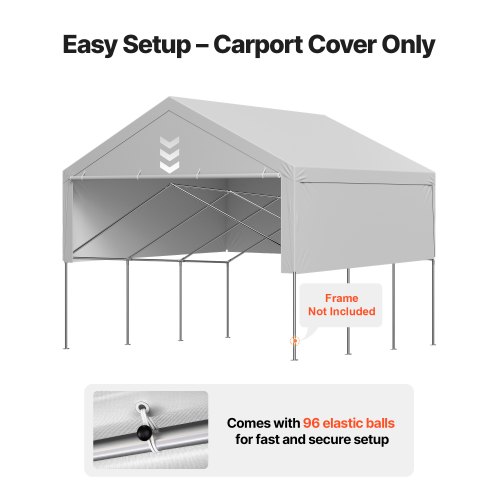
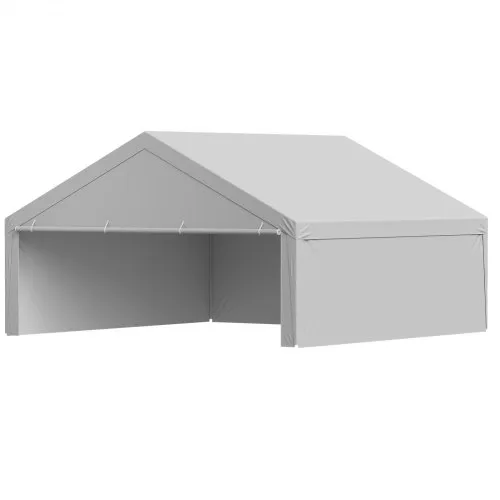
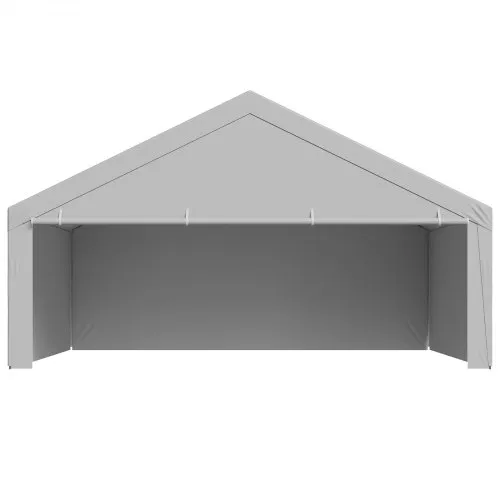
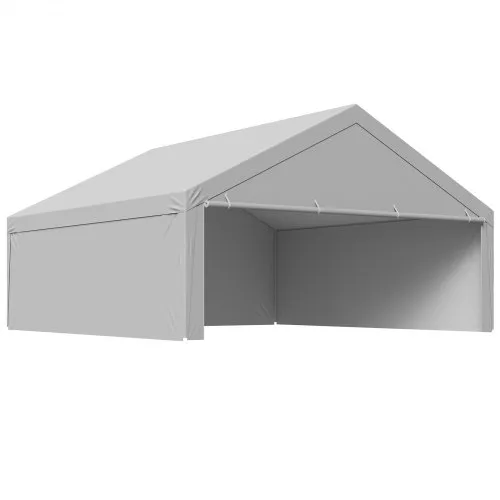
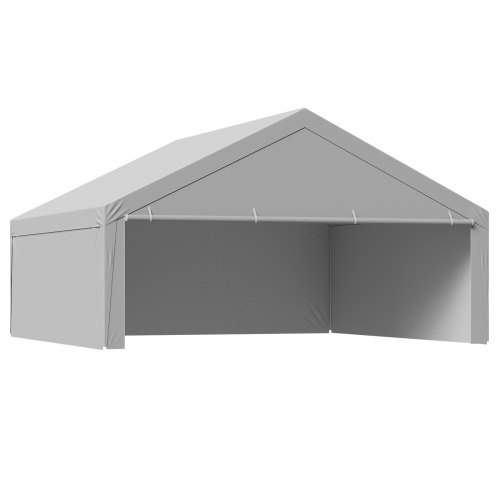
Full carport enclosure covers replace the roof, both gable ends and both long sides of an existing carport, so a 12 x 20 ft frame becomes a closed 240 sq ft garage. Top-only carport covers swap only a worn roof on a straight-leg 10 x 20 ft frame and leave the sides open for airflow. Pergola bracket kits join 4x4 posts and beams with steel brackets and post bases, so builders cut their own lumber and span beams up to 16.4 ft. Retractable side awnings roll a 71 in tall polyester screen out of an aluminum frame to a post set in concrete. Buyers choose by the area to cover, how many sides need closing and whether a frame is already standing.
Five things decide which one fits:
- Coverage area: the ground area each product shelters.
- Build material: fabric weight and coating, plus any frame metal.
- Enclosure level: how many sides close, from open roof to four walls.
- Fastening hardware: the bungees, eyelets, brackets and post bases supplied.
- Handling weight: how heavy the package is to lift.
Browse every shade structure here and check the five points above before ordering.
Shade Structure Types at a Glance
Each shade structure type goes up in its own way, so the table below compares what it covers, the frame it needs and how it fastens.
| Type | Covers | Frame Needed | Fastening |
|---|---|---|---|
| Full carport enclosure cover | Roof and four walls | Your existing carport frame, matched in length, width and peak height | Ball bungee cords |
| Top-only carport cover | Roof only, sides open | Your existing straight-leg frame | Bungee cords through 40 eyelets |
| Pergola bracket kit | Open frame, no cover included | Your own 3.5 x 3.5 in lumber | 3-way and 4-way steel brackets with post bases |
| Retractable side awning | One side, up to 19.68 ft long | Posts fixed to a concrete floor | Aluminum frame and metal expansion screws |
VEVOR Shade Structures: From Garden Retreats to Functional Shelter
Do you want to make a shady place to eat outside, protect your car from bad weather, or add a clear architectural feature to your backyard? UV-resistant materials, weather-resistant frames, and a range of sizes, from small backyard covers to full multi-car canopies, make VEVOR's shade structures well suited for real-life outdoor use. With pergola bracket kits, you can build from scratch, and with a replacement for your carport canopy cover, you can fix up an old structure.
Exploring Shade Structure Types (Canopy, Pergola, Gazebo)
Before you can choose the right shade structure, you need to know which shape works best for your outdoor space, your style preferences, and the amount of weather protection you need. A pergola adds architectural detail and filtered shade without completely enclosing an area. A gazebo, on the other hand, offers a fully protected escape. And a canopy, for a wide range of uses, can be set up quickly and moved around as needed. Every good outdoor shade project starts with matching the structure type to the job.
Pergolas and Pergola Bracket Kits: Architectural Shade With Open-Air Character
Pergolas are among the most popular types of shade structures for outdoor living in homes because they offer the perfect blend of structure and an open-air feel. Pergolas, in contrast to solid-roof canopies or enclosed gazebos, have an open lattice or slatted roof framework that blocks direct sunlight, creates dappled shade, and holds fabric drapes, climbing plants, or retractable shade panels for variable coverage.
Instead of buying a fully pre-engineered pergola kit, VEVOR's pergola bracket kits make it easier for people to start building pergolas. With precision-engineered steel connectors at every joint, builders can find local wood that is the right size and assemble a structure that fits their needs. The links between posts, beams, and rafters are critical to the structure, and pergola brackets ensure that load transfer at each point meets the mechanical requirements of the whole structure.
Gazebos, Complete Garden Retreats With Full Overhead Enclosure
Among outdoor shade structures, gazebos are the most complete. They have a solid or partially solid roof, clear perimeter posts, and often sidewall curtains or screens that can be added as options. This makes them perfect for creating a fully protected outdoor room from the sun, light rain, and mild wind. A well-placed gazebo can become the focal point of a garden landscape, giving you a space to eat, rest, or host guests outside that looks like it was designed by an architect rather than thrown together.
For short-term use, VEVOR offers pop-up event gazebos, and for year-round outdoor use, they offer semi-permanent hardtop or steel-frame models. Powder-coated steel or aluminum frames for semi-permanent gazebos provide the structural rigidity needed to resist wind loads, snow accumulation, and UV degradation over many seasons, with less upkeep than wood-based options.
Canopies and Side Awnings, Flexible, Deployable Shade for Dynamic Outdoor Needs
Some of the most adaptable shade structures are canopies, which can be used as quick pop-up event shelters or as semi-permanent carport canopies to cover vehicles and equipment year-round. A big benefit of canopy-based shade structures is that they are easy to move, change, or make bigger or smaller without changing the ground or building structure underneath. Canopies provide dependable overhead coverage for homeowners, event organizers, market vendors, and business outdoor service providers without the permanence or planning demands of fixed pergolas or gazebos.
Side awnings add to the shade provided by canopies and other shade structures by blocking the sun, wind, and prying eyes from the sides, something that covering the whole structure from above can't do. When you put side awnings on the windward and sunward sides of a canopy, you get a partially enclosed, three-sided cover that stays comfortable in weather that would make an open canopy uncomfortable. VEVOR's side awning range is made to fit with standard canopy frame profiles. This gives you a coordinated shade option that can be set up to work with how the sun and wind are shining and blowing in your outdoor space.
Sun Shade Cloth and Carport Canopy Cover Replacements, Targeted Solutions for Specific Needs
Sun shade cloth is not the same as structural shade solutions. Shade cloth filters a certain amount of solar radiation while allowing air to flow, some light through, and rain to get under the structure. For veggie gardens, nurseries, livestock areas, greenhouse side walls, and pool surrounds where full shade would prevent plant growth or make the area too dark to be comfortable, sun shade cloth, which is available in 30%, 50%, 70%, and 90% shade factor ratings, is the best option.
Replacement of a carport canopy cover is one of the most common maintenance tasks for shade structures. It fixes the weather protection on a carport frame that is still structurally sound but has a cloth cover that has worn down from UV exposure, tears, or long-term contact with the weather. A perfectly fitted replacement cover can restore full functionality at a fraction of the cost of replacing the entire carport structure. With UV-resistant polyethylene or Oxford fabric construction and color-coded attachment systems that make installation easier without tools, VEVOR's carport canopy cover replacement range fits the most popular single- and double-carport frame sizes.
Which Shade Structure Fits Your Space
With the structure types covered, match your project, the area to cover and the sides to close below to land on one product.
| Confirm Before Purchase | Matching Specification | Recommended Product | Main Limitation |
|---|---|---|---|
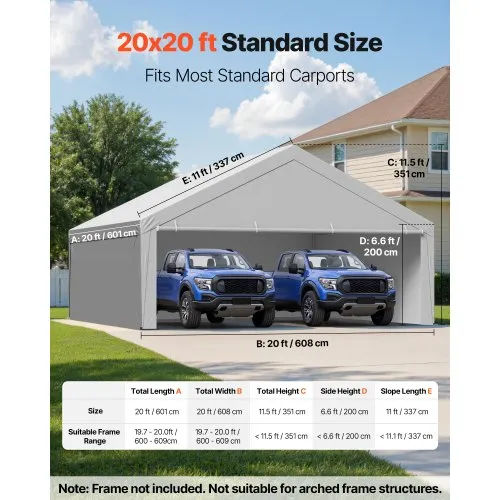
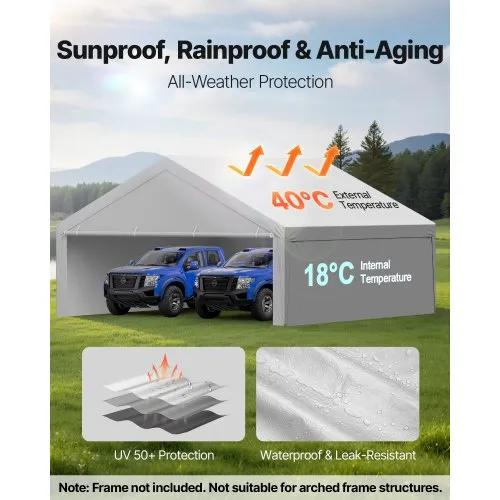
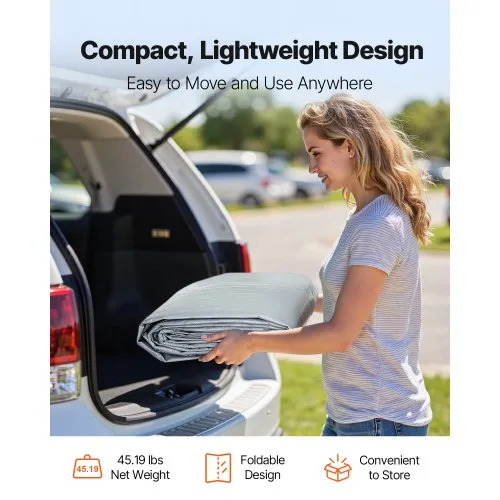
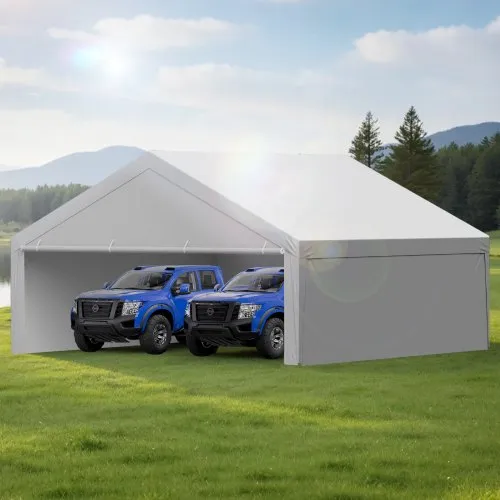
| Two cars park side by side on a standing 20 x 20 ft frame | Roof and four walls, 17.88 x 6.4 ft zip door, 96 ball bungees | 20 x 20 ft walled carport cover | Frame sold separately, 45.19 lb to lift |
| One car plus a mower and bikes fit on your 12 x 20 ft frame | Roof and four walls, 10.17 x 6.4 ft door, 84 ball bungees | 12 x 20 ft walled carport cover | Walls attach as separate panels |
| Your 10 x 20 ft frame is to become a closed weekend workshop | Beige roof and four walls, 84 ball bungees | 10 x 20 ft beige walled cover | Door opening only 8.07 ft wide |
| Your straight-leg 10 x 20 ft frame only needs a new roof | One 210 g PE roof panel, 40 eyelets, sides open | 10 x 20 ft roof-only cover | Rated for light rain and wind only |
| You cut your own 3.5 x 3.5 in lumber for a pergola | 4 three-way and 2 four-way brackets, 6 post bases, 2 mm steel | 4x4 pergola bracket kit | Lumber bought separately, 46.3 lb of steel |
| One side of your patio needs a 71 in tall screen on a concrete floor | 71 x 236 in, 280 g polyester screen on an aluminum frame | 71 x 236 in side awning | Needs a concrete base for both posts |
Choosing Shade Structures by Material & Features
After choosing the type of shade structure that best suits your outdoor space, the material's features and specifications determine how well it performs year-round, how much upkeep it requires, and how long it looks good and stays strong. Buying the right materials for your climate and how you plan to use your shade structure is the most important thing you can do to be happy with it for a long time.
Frame and Fabric Materials, Matching Construction to Climate and Use
The choice of frame material for shade structures is mostly based on how well it balances structural strength, corrosion resistance, and the level of upkeep required for your outdoor environment. If you live in a humid or coastal area, check the coating on powder-coated steel frames regularly to ensure they remain strong enough to support large gazebos, large canopies, and permanent pergola structures.
Timber frames, which are commonly used with pergola brackets and pergola bracket kits, offer natural warmth and a look that blends in with garden landscapes that metal frames rarely achieve. However, they require the most active maintenance of any frame material: they need to be sealed, stained, or painted regularly to prevent UV damage, water absorption, and biological decay.
Key Features That Distinguish High-Performance Shade Structures
Many things go into making a shade structure easy to use every day, strong enough to survive bad weather, and able to keep looking good and working well for a long time. When it comes to canopies and gazebos, the frame locking mechanism is very important. Push-button or auto-lock leg systems that lock securely under load are much safer and last longer than friction-fit or pin-lock options that can come loose in the wind.
When putting together pergolas with pergola bracket kits, problems with the joints happen less often when the brackets are flexible and can handle small differences in the size of the wood. In sunshade cloth, UV stability is typically built into the fibers, not just applied to the surface, so shade factor performance can remain more consistent over many seasons, even as surface appearance changes.
Best-Seller Comparison
Before ordering, line up the five best sellers on this page on coverage area, build material, enclosure level, fastening hardware and handling weight.
| Product | Coverage Area | Build Material | Enclosure Level | Fastening Hardware | Handling Weight |
|---|---|---|---|---|---|
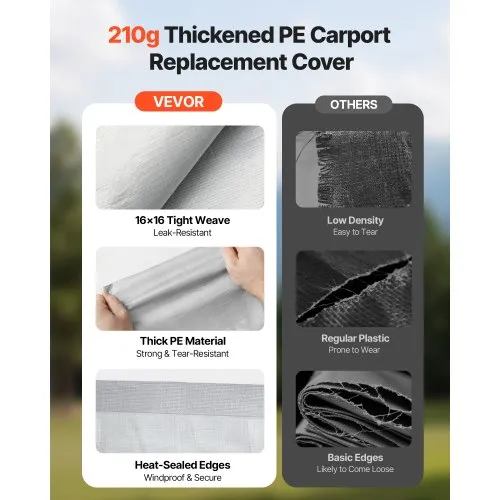
| VEVOR 20 x 20 ft Walled Carport Cover (Grey) | 400 sq ft over a 20 x 20 ft frame (calculated), the largest here | 210 g PE roof with lighter 180 g side walls | Fully enclosed, 17.88 x 6.4 ft zip door, the widest here | 96 ball bungee cords, the most here | 45.19 lb |
| VEVOR 4x4 Pergola Bracket Kit, 12 Pieces | Not specified on the product page, set by your lumber | 2 mm carbon steel with a black powder coat | Open frame, plates drilled for a shade sail | 4 three-way and 2 four-way joints, 6 post bases | 46.3 lb, the heaviest here |
| VEVOR 10 x 20 ft Walled Carport Cover (Beige) | 200 sq ft over a 10 x 20 ft frame (calculated) | 210 g PE roof with lighter 180 g side walls | Fully enclosed, 8.07 x 6.4 ft door | 84 ball bungee cords | 29.1 lb |
| VEVOR 12 x 20 ft Walled Carport Cover (Grey) | 240 sq ft over a 12 x 20 ft frame (calculated) | 210 g PE roof with lighter 180 g side walls | Fully enclosed, 10.17 x 6.4 ft door | 84 ball bungee cords | 32.3 lb |
| VEVOR 10 x 20 ft Roof-Only Carport Cover (Grey) | 200 sq ft over a 10 x 20 ft frame (calculated) | One 210 g PE roof panel | Roof only, all four sides open | Bungee cords through 40 eyelets | 13.6 lb, the lightest here |
Shop VEVOR Shade Structures for Outdoor Comfort, Style, and Lasting Performance
From architectural pergolas and pergola bracket kits to beautiful gazebos, canopies, side awnings, sun shade cloth, and carport canopy cover replacements, VEVOR's shade structures store has everything you need for outdoor coverage. Every product is designed for multi-season use, comes in commonly used sizes, and is priced to offer good value for homeowners, landscapers, and event planners alike. VEVOR is the best place to get shade structures that transform outdoor areas, thanks to reliable customer service after the sale and clear product specs.
Frequently Asked Questions
What is the difference between a pergola and a gazebo?
A pergola features an open lattice or slatted roof framework that provides filtered shade and supports climbing plants or fabric additions, ideal for outdoor dining and garden pathways. A gazebo has a solid or semi-solid enclosed roof with defined perimeter posts, creating a fully sheltered outdoor retreat. Pergolas suit an open-air ambiance; gazebos suit more complete weather protection.
Do pergola bracket kits work with standard timber sizes?
Yes. VEVOR pergola bracket kits are designed for standard timber dimensions commonly available at building suppliers. Adjustable bracket designs accommodate minor size variations in commercial timber stock. Always confirm the bracket's listed timber size compatibility matches your chosen lumber dimensions before purchasing to ensure proper joint fit and load transfer.
What shade factor should I choose for sun shade cloth?
Choose 30–50% for vegetable gardens and areas needing filtered light, 50–70% for ornamental plants and patios, and 70–90% for livestock shelters and maximum heat reduction. Higher shade factors significantly reduce light transmission; overspecifying for plant-growing applications can inhibit growth, so match the shade factor to your specific use requirement.
How do I choose between a canopy and a side awning for patio coverage?
Use a canopy for primary overhead coverage and add side awnings to address lateral sun penetration, wind, and privacy on specific elevations. The combination creates a three-sided sheltered space that remains comfortable in conditions where overhead coverage alone would be insufficient. VEVOR side awnings are designed to integrate with standard canopy frame profiles.
How do I measure for a carport canopy cover replacement?
Measure the length of the ridge pole, the leg span width, and the peak height of your existing frame. Match all three dimensions precisely to the replacement cover's listed specifications; even minor mismatches prevent proper tensioning and secure attachment. Always measure the actual frame rather than relying on the carport's original stated dimensions, which may not reflect the installed reality.
How do I choose the right shade solutions for outdoor spaces?
Start with what needs shelter and how many sides should close. Cars on a standing frame suit a walled cover, dining areas suit a pergola and a side view calls for a screen. The 12 x 20 ft walled carport cover closes in about 240 sq ft.
What are the advantages of retractable shades over fixed ones?
Retractable shades give cover only when you want it, then roll away before storms and in winter. Fixed covers stay up all year, so they face every gust and need stronger anchoring. The 71 x 236 in retractable awning pulls out 19.7 ft and rolls back into its aluminum case.
How do I choose the right pergola or gazebo size for my garden?
Size the structure around the furniture it will cover, then add about 2 ft of walking room on every side and check local setback rules. Beam length limits the span. The 12-piece 4x4 bracket kit supports beams up to 16.4 ft between posts.
What are the best materials for durable outdoor shades?
Powder-coated steel and aluminum frames resist rust, and PU-coated polyethylene and polyester covers hold up to UV and rain. A heavier roof fabric than wall fabric adds wear resistance where the sun hits hardest. The two-car walled cover pairs a 210 g roof with 180 g walls.
Are there specific materials or designs that maximize shade cooling?
Pale fabric reflects more heat than dark fabric, a dense weave blocks more sun, and open sides let warm air out. Shade cloth rated at 90% suits patios that need deep shade. The beige walled carport cover combines a light beige tone with UV50+ fabric.
How do I install a retractable canopy on my pergola?
Check the pergola is square by matching both diagonals, then mount rails or tension wires along the top beams and slide the canopy on. Pull it tight so it runs freely. A frame built with the 4x4 pergola bracket kit has pre-drilled plates for shade sail hardware.
What should I consider when maintaining my awning or sunshade?
Rinse the fabric with a hose, let it dry completely before rolling it and check bolts and bungees at the start of each season. Retract awnings before high winds. The 10 x 20 ft roof-only carport cover suits light rain and wind, so remove it ahead of storms.
What are the best types of shade cloth for fencing?
UV-stabilized HDPE and polyester screens with hemmed edges and eyelets work best on fences, so zip ties hold without tearing. Match the density to the privacy needed. Retractable side screens come 63, 71 and 79 in tall, and the 71 in retractable screen is cut from 280 g polyester.