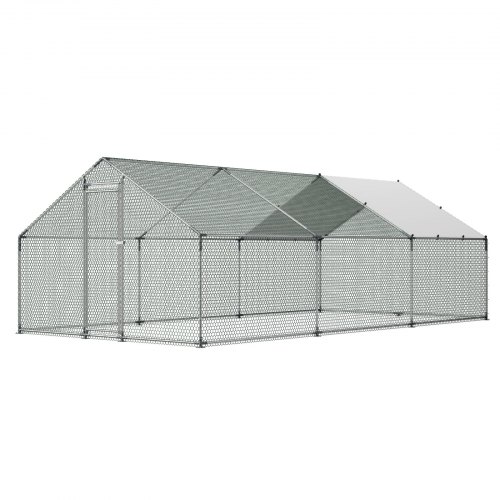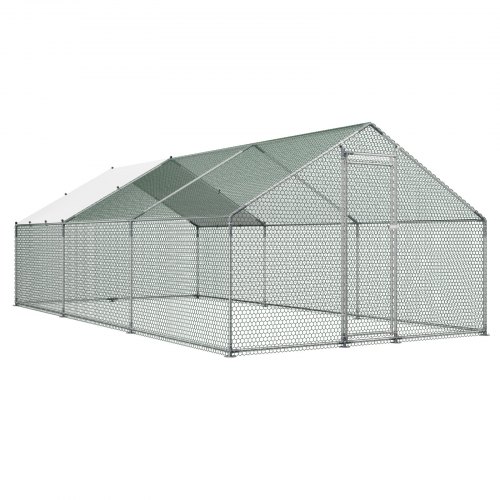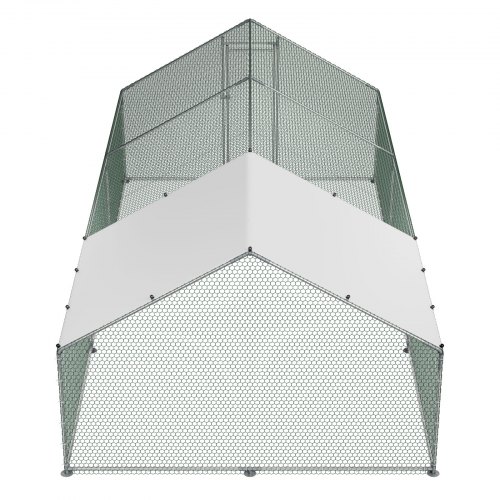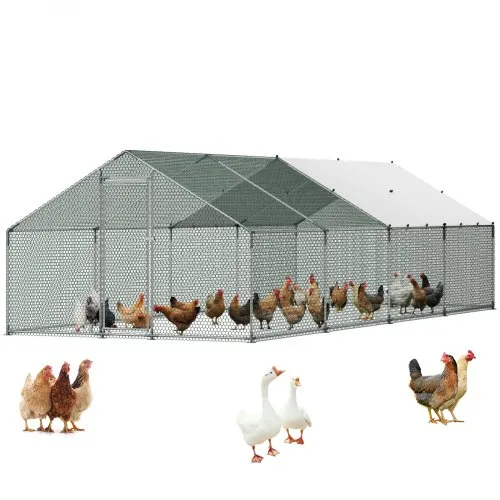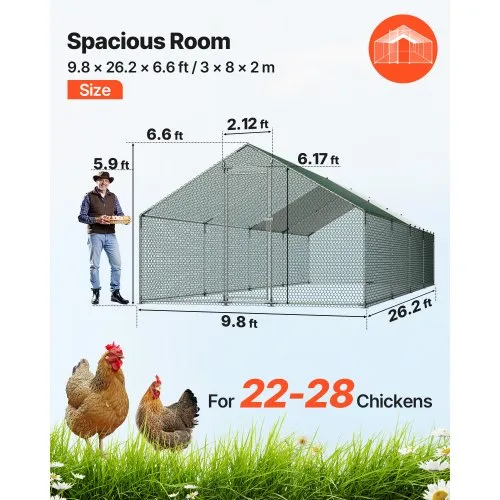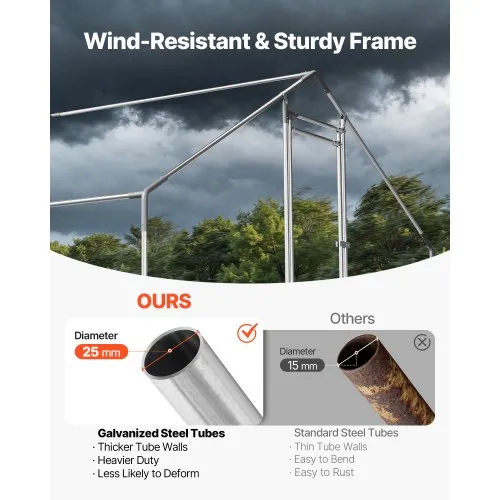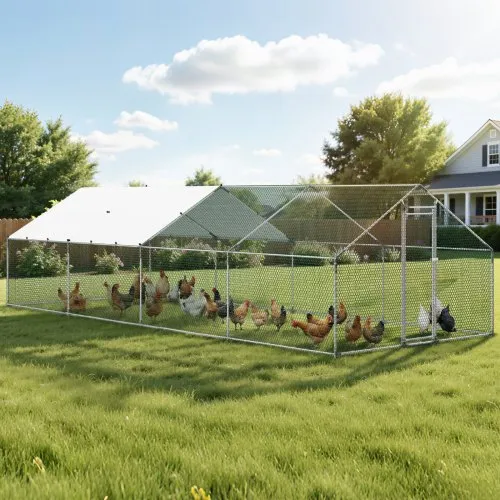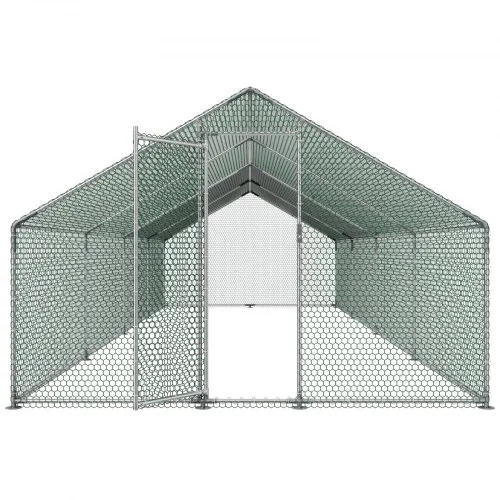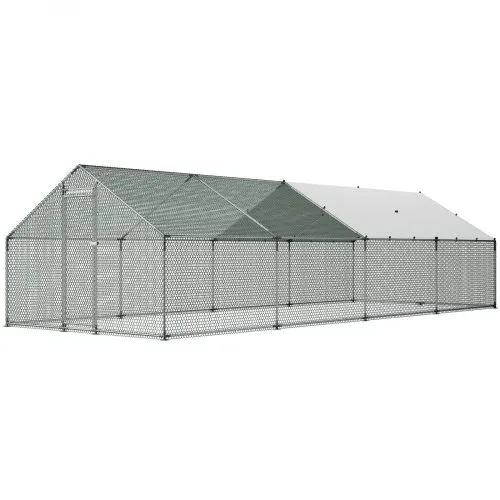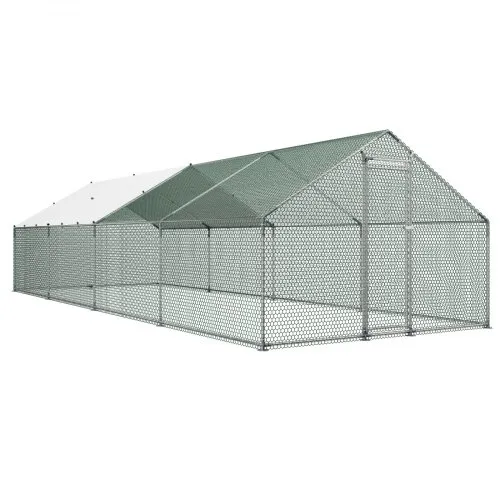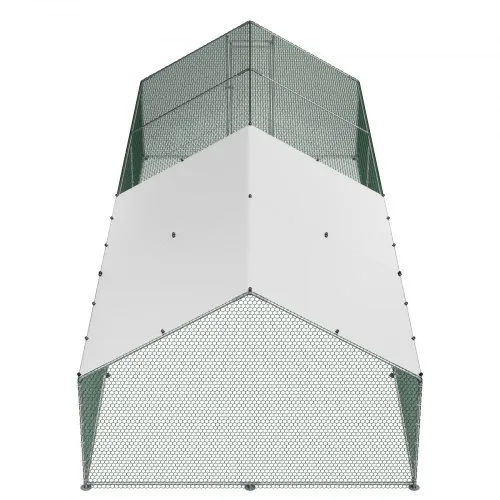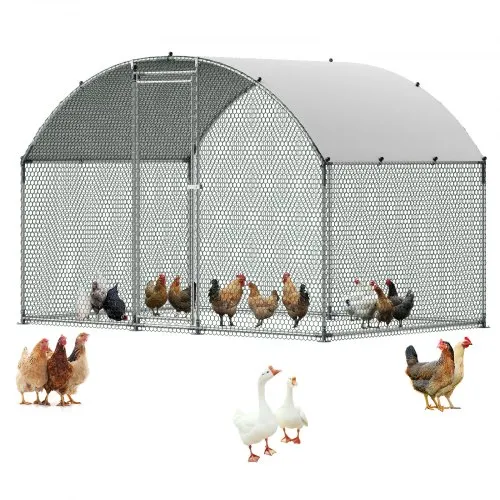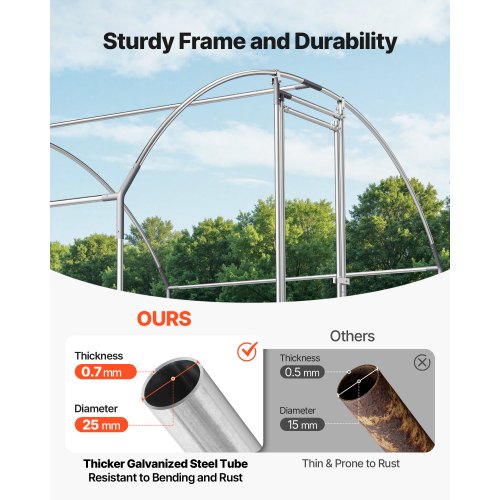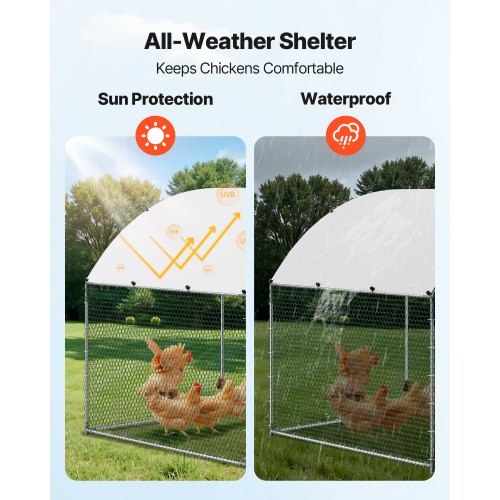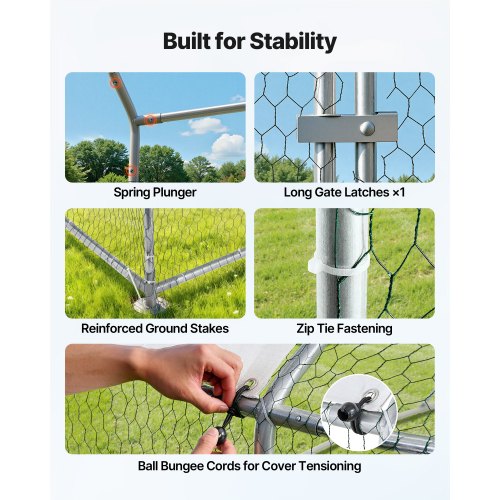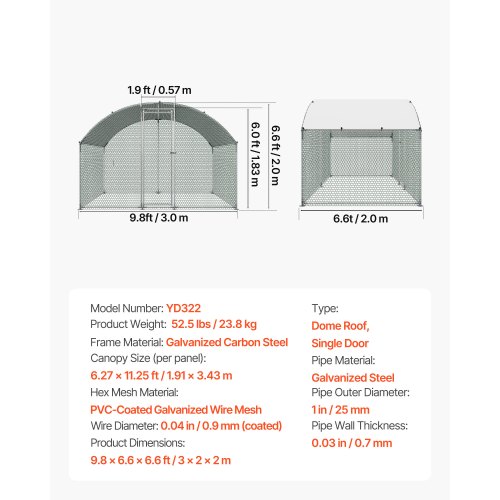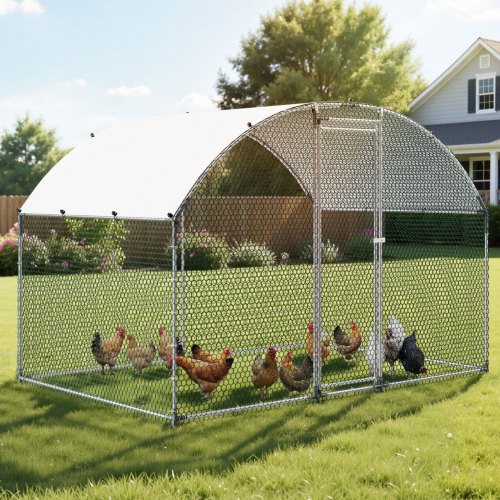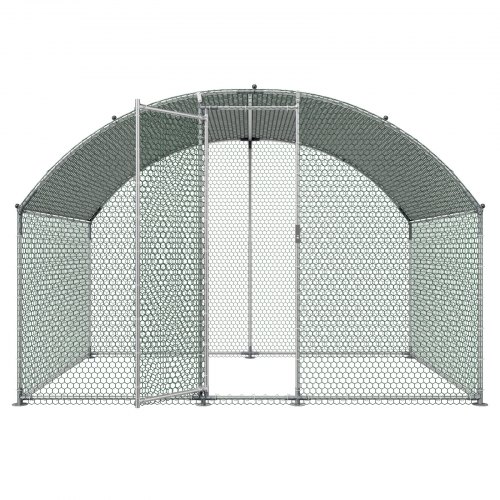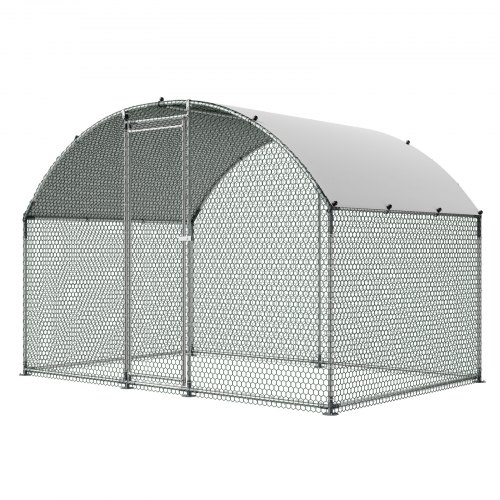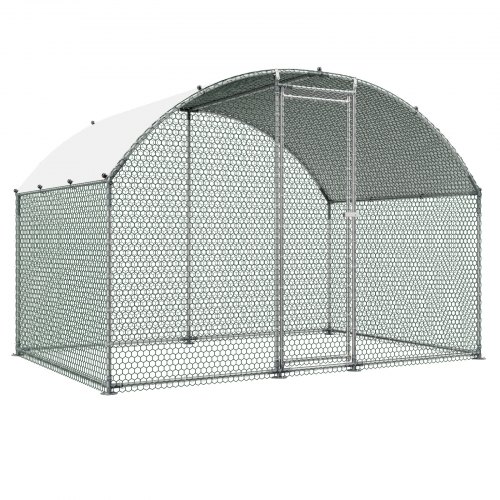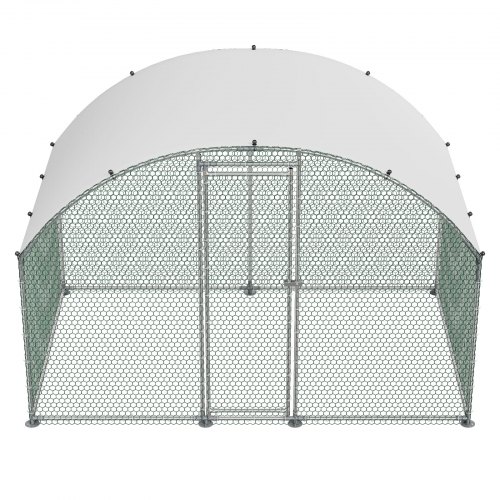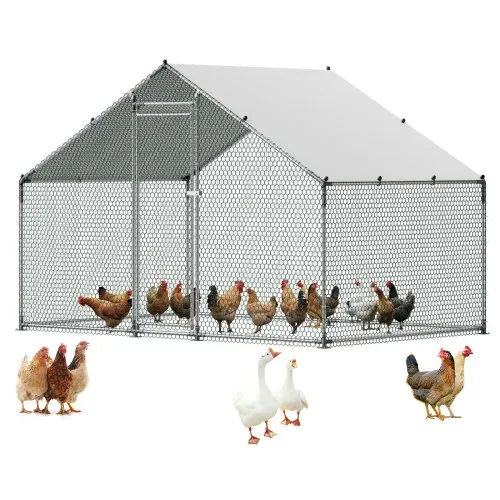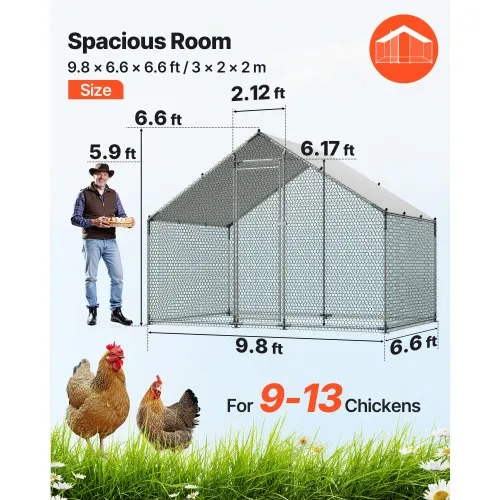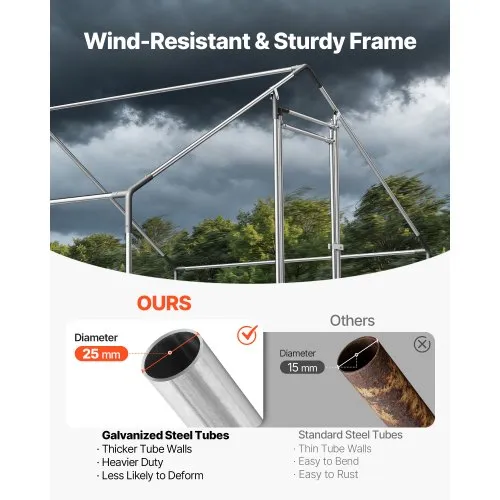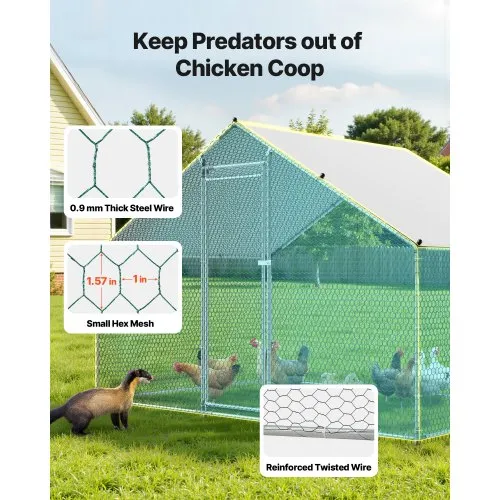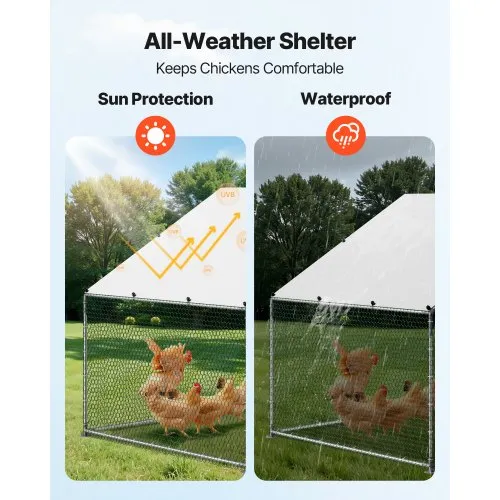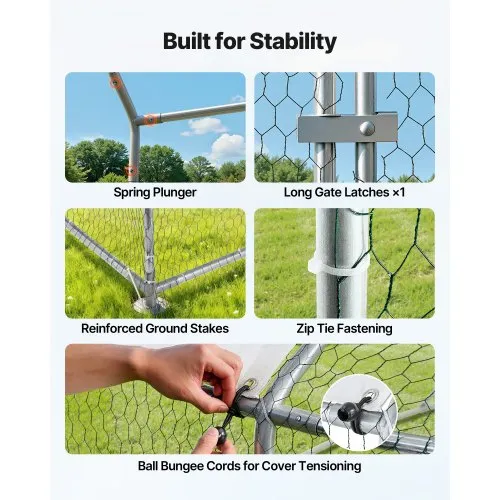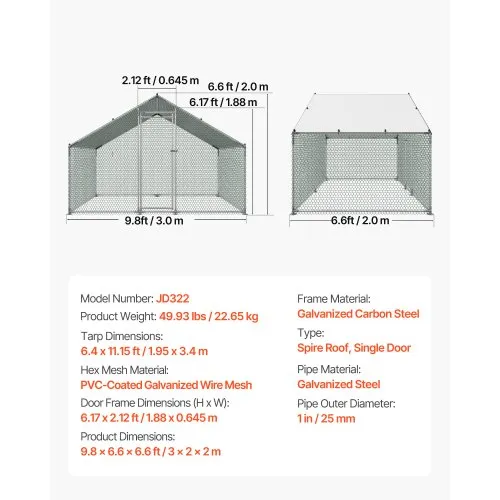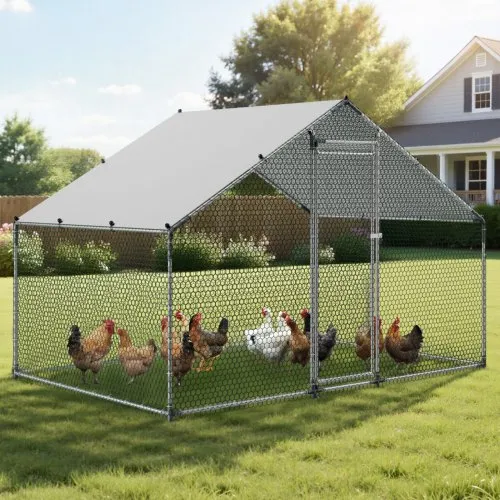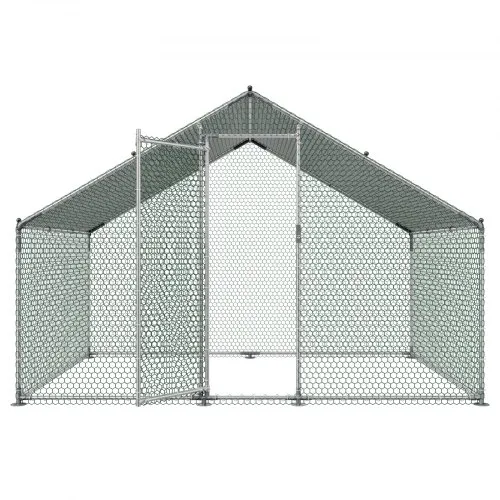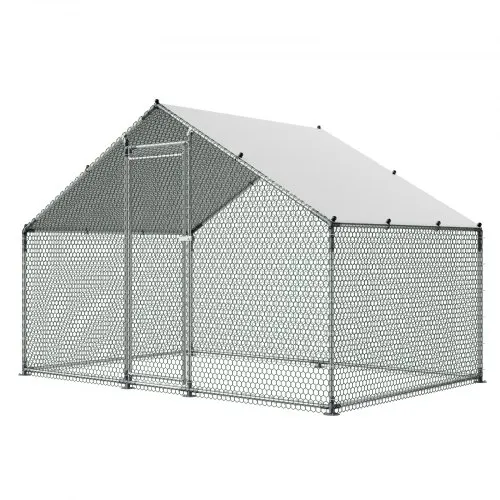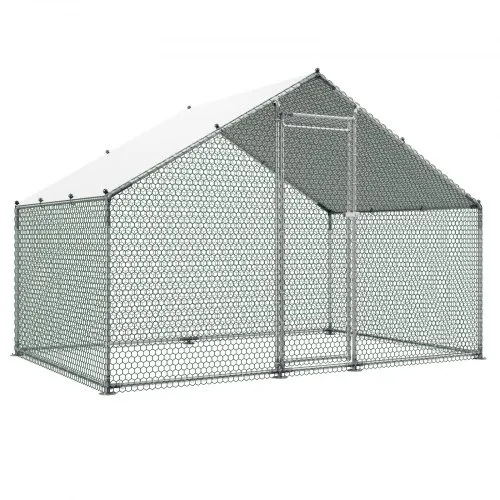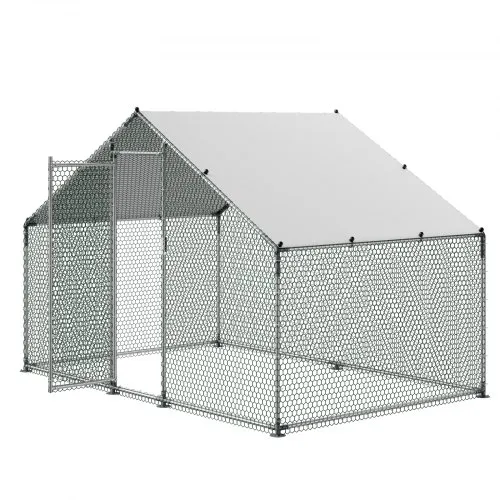


Discover the perfect blend of affordability and quality with VEVOR's premium chicken pens, designed to provide your feathered friends with a safe, spacious, and comfortable environment. Our chicken pens stand out in the market for their durability, ease of assembly, and versatility, catering to all your poultry needs while ensuring maximum security against predators. Crafted from high-grade materials, these pens feature ample space, allowing your chickens to roam, rest, and play in an enclosure that mimics their natural habitat. The innovative design promotes healthy living conditions through excellent ventilation and sunlight exposure, ensuring your poultry thrive. Whether you're a seasoned farmer or a backyard poultry enthusiast, VEVOR's chicken pens are an economical investment in your poultry's well-being and productivity. Don't miss out on the opportunity to elevate your poultry experience with VEVOR's chicken pens. Take action now and provide your chickens with the quality life they deserve while enhancing your poultry management with ease and efficiency.
Welcome to the ultimate guide on chicken pens! Whether you're a seasoned poultry keeper or just starting your backyard flock, having a reliable chicken pen is essential for the health and safety of your feathered friends. In this comprehensive article, we'll delve into everything you need to know about chicken pens, from their purpose and types to tips on building and maintaining them.
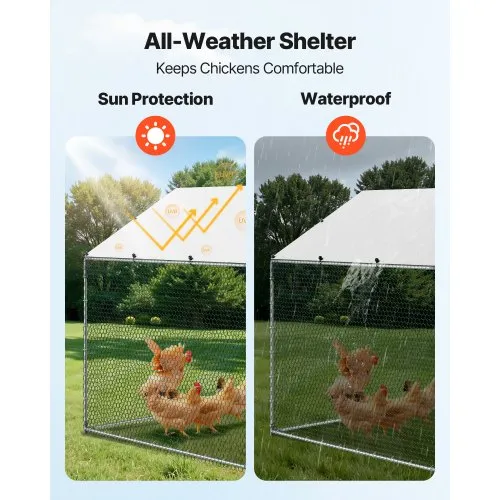
Chicken pens, also known as chicken coops or runs, serve multiple purposes in the care of poultry. Firstly, they provide a secure environment for chickens to roam, scratch, and peck without the risk of predators. Additionally, chicken pens offer shelter from harsh weather conditions, ensuring that your birds stay warm and dry. Moreover, they help in maintaining cleanliness by confining waste to a designated area, making it easier to manage.
When it comes to chicken pens, there are various designs and configurations to choose from, depending on your space, budget, and the number of chickens you have. Some common types include:
Traditional chicken coops are enclosed structures with walls and a roof, providing both shelter and security for your birds. They often feature nesting boxes for egg-laying and perches for roosting.
Portable chicken pens, also known as chicken tractors, are movable enclosures that allow you to rotate your flock to fresh grazing areas regularly. These pens are ideal for small-scale poultry keepers or those with limited space.
Free-range pens provide chickens with access to both an enclosed shelter and an open area for foraging. This setup mimics the birds' natural behavior while still offering protection from predators.
Building a chicken pen requires careful planning and attention to detail to ensure the comfort and safety of your birds. Here are some tips to consider:
Choose a well-drained area with good ventilation for your chicken pen. Avoid low-lying areas prone to flooding and areas with dense vegetation where predators could hide.
Provide ample space for your chickens to move around comfortably. The general rule of thumb is to allow at least 4 square feet of space per bird inside the coop and 10 square feet per bird in the outdoor run.
Use durable and predator-proof materials for construction, such as wood, wire mesh, and hardware cloth. Ensure that all openings are securely covered to prevent access by predators.
Design the pen for easy access for cleaning, egg collection, and maintenance. Consider incorporating removable panels or doors for convenient entry.
Once your chicken pen is built, proper maintenance is key to ensuring the health and well-being of your flock. Here are some essential tasks to include in your maintenance routine:
Regularly remove soiled bedding and droppings from the coop to prevent the buildup of harmful bacteria and parasites. Replace bedding as needed to keep the pen clean and dry.
Inspect the pen regularly for signs of wear and damage, such as loose wires or rotting wood. Repair any issues promptly to prevent them from compromising the security of the enclosure.
Implement measures to control pests such as rodents, flies, and mites, which can pose health risks to your chickens. This may include using traps, repellents, or natural predators.
In conclusion, a well-designed and properly maintained chicken pen is essential for the health, safety, and happiness of your flock. By understanding the purpose of chicken pens, choosing the right type, following construction tips, and implementing a regular maintenance routine, you can create a safe and comfortable environment for your feathered friends to thrive. Remember, happy chickens mean healthy eggs! So, whether you're a novice or experienced poultry keeper, investing in a quality chicken pen is a decision you won't regret. Start building your dream coop today with VEVOR, your trusted partner in poultry equipment.
Chicken pens can be constructed using various materials, but some of the most commonly used ones include wood, wire mesh, and metal fencing. Wood is a popular choice for its durability and versatility, while wire mesh provides excellent ventilation and protection from predators. Metal fencing, such as chain link or welded wire, offers sturdy construction and security for keeping chickens safe.
The size of a chicken pen depends on the number of chickens you plan to house. As a general guideline, each chicken should have a minimum of 3-4 square feet of space within the pen. However, if chickens are allowed regular access to free-range areas, you can reduce the amount of space per bird slightly. For example, a pen for 6 chickens should ideally have at least 18-24 square feet of space.
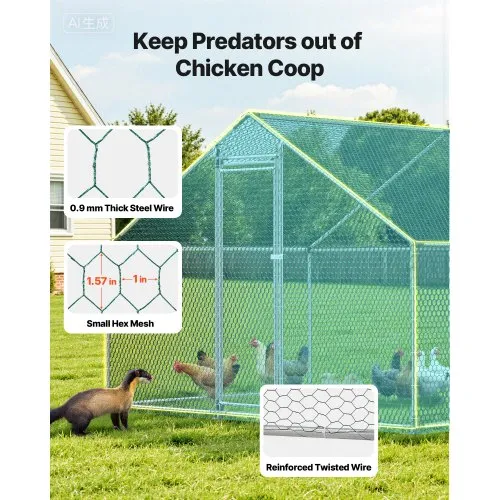
Predators pose a significant threat to chickens, so it's essential to take measures to predator-proof your pen. Start by burying hardware cloth or wire mesh around the perimeter of the pen to prevent digging from predators like foxes or raccoons. Ensure that the pen has a secure roof or covering to prevent attacks from aerial predators such as hawks or owls. Additionally, regularly inspect the pen for any potential weak points or breaches and repair them promptly to maintain security.
When selecting or designing a chicken pen, several features should be considered to ensure the comfort and safety of your chickens. Adequate ventilation is crucial to prevent the buildup of moisture and ammonia, so the pen should have windows or vents for airflow. Additionally, consider the ease of access for cleaning and maintenance, as well as the provision of roosting bars, nesting boxes, and areas for food and water. It's also important to choose durable materials that can withstand weather conditions and potential predator attacks.
Yes, a chicken pen can be repurposed to house other small animals or pets, depending on its size and design. With appropriate modifications, such as adding smaller mesh to prevent escape or installing separate enclosures within the pen, you can accommodate rabbits, guinea pigs, or even small dogs. However, ensure that the needs of the specific animal are met and that they can coexist peacefully with chickens if housed together. Regular monitoring and adjustments may be necessary to maintain harmony among different species.