Exterior Doors








Results for Exterior Doors
VEVOR offers a wide selection of exterior doors designed to meet typical home needs for safety, weather resistance, and easy entry. Our selection includes heavy-duty front doors, exterior pet doors, exterior screen doors, and unique items like cat doors for windows and garage door screens for winter. There is an outdoor door product from VEVOR for every need and price range, whether you're upgrading your main entrance, making it easier for pets to get in and out, or increasing seasonal air flow.
VEVOR Exterior Doors: Built for Security, Weather Resistance, and Everyday Convenience
Are you looking for exterior doors that are well-made and feature useful features for everyone in the house, even your pets? Every climate, use case, and installation type is taken into account when VEVOR designs its exterior door line. As a recognized collection, our products include a strong front door, a window pet door for cats, and a garage door screen for winter air flow.
Exploring Door Type & Pet Door Features
To choose the right door for your home, you should first learn about the different types of doors available and how pet access features work with each one. VEVOR's product line includes standard front doors, screen solutions, and pet-access products. Each one is designed to do a specific job.
Entry Doors, Screen Doors, and Seasonal Solutions: Choosing the Right Door Type
There are a lot more types of exterior doors than just basic front doors. Exterior screen doors do one specific thing: they let fresh air flow through a house while keeping bugs out and adding an extra layer of security when the main door is open. These are very popular in warmer places or during changing seasons, when people want to let air flow without giving up safety. Having a sturdy outdoor screen door makes any entryway more valuable because it lets you keep the door open for more months of the year.
A garage door screen for attached or detached garages is a category-specific solution that keeps air circulating and provides usable space in winter. These screens cover the whole opening of a garage and keep out wind, dirt, and bugs while letting light and air through. Homeowners who use their garages year round as workshops, gyms, or utility rooms strongly value them. VEVOR's selection of exterior screen doors and garage door screens for winter is designed to last through all four seasons while still being easy to put up, take down, and store when the weather changes.
Pet Door Integration, Giving Your Animals Safe and Independent Access
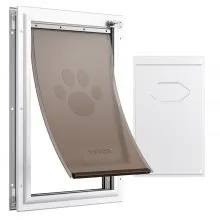
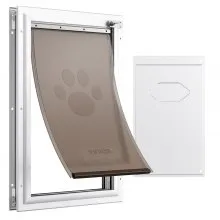
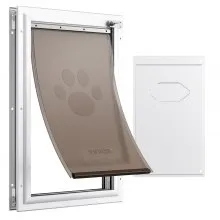
Adding a pet door is one of the most useful things you can do for your outdoor doors. When you install an exterior pet door into an existing exterior door panel, your dog or cat can go from inside to outside without needing a person to open the door every time. As long as the outdoor pet door is the right size and well-insulated, it will maintain the main door's energy efficiency and save you from having to keep track of pets' access all day.
A window pet door for cats is a flexible option for homes where installing a full door isn't possible. These units fit right into a window opening, usually a sliding or double-hung window, and give cats a separate path to follow without changing the structure of the door forever. A window pet door for cats is especially helpful in apartments, rental homes, or rooms without easy access to an exterior wall.
Cat Doors for Windows, Flexible Pet Access Without Permanent Modifications
Cat doors for windows are one of the most flexible ways to let your pet out of the house. They let your indoor cats go outside or roam between rooms without cutting into door panels or outer walls. The shape of these units makes them fit into the track of a sliding or sash window. This makes them easy to remove and makes them good for renters in most cases. The assembly process doesn't need any special tools, and one person can usually finish it in less than an hour.
In addition to being convenient, cat doors for windows are also good for cats' health and happiness. Letting cats control when they spend time inside and outside reduces stress and supports their normal behavioral needs. Good units have a flap device that closes tightly when not in use. This helps reduce drafts and maintain the window assembly's thermal performance. Some types have locking panels that can keep the pet door closed when it's not needed. When VEVOR engineers their cat doors for windows, they think about both pet happiness and home performance.
Sizing Pet Doors Correctly, Matching the Opening to Your Animal's Dimensions
It's important to choose the right size for exterior pet doors or window cat doors so they work well and save energy. If the hole is too small, the animal must squeeze through, which can be painful. If the hole is too big, it lets too much air in and out, reducing the insulation's effectiveness and potentially allowing animals you don't want in.
If you have many pets of different sizes, make sure the door is the right size for the largest pet and use a selective-entry locking device, like a microchip reader or magnetic collar key, to deter unwanted animals from entering. To install a window pet door for cats, you need to take an additional measurement. You need to check the window opening measurements to ensure the unit fits within the track space without forcing or gapping. All of
How Material & Installation Ensure Lasting Performance
The two most important things that directly affect how well your outdoor door works over its lifetime are the material it is made of and how carefully it was installed. Getting both right guarantees safety, weather resistance, and daily dependability, no matter the weather or the amount of use.
Door and Frame Materials: Steel, Aluminum, Fiberglass, and Screen Mesh Options
There are a few main types of materials used to make exterior doors, and each has its own strengths, weaknesses, insulating properties, and upkeep needs. Steel doors are most often used for major entrances because they don't break easily, are hard to force open, and require less maintenance than wood doors. Strong thermal performance from insulated steel doors with foam cores keeps heat inside and lowers energy costs all year.
Fiberglass exterior doors are a high performing option for many homes. They look like wood grain and are much more resistant to moisture-related damage, warping, and cracking. They do especially well in hot places or areas with many freeze-thaw cycles. When it comes to exterior pet doors and window cat doors, the frame and flap materials require extra care. The frame should be stiff enough to keep a tight seal around the flap opening, and the flap should be made of a flexible yet long-lasting material, such as reinforced vinyl or thermoplastic, that won't crack or stiffen in cold weather.
Installation Best Practices That Maximize Security, Weatherproofing, and Longevity
Correct installation is what makes the difference between an outdoor door that works well for decades and one that has problems with drafts, alignment, or security within the first year. The most important step when installing main entry and exterior screen doors is to ensure the frame is straight and square before securing it. Even a small amount of frame out of square will make the door stick, not latch properly, or develop gaps around the sides that let air and moisture in.
Installation accuracy is equally important for exterior pet doors, window cat doors, and garage door screens for winter. It is important to mount the pet door flap housings level so the flap hangs properly and seals evenly along all four edges when closed. Holes in the flap frame's top or sides let in cold air, bugs, and moisture, completely defeating the product's purpose. A simple step that can make a big difference in both thermal performance and pest control is sealing the edges of the work with the right weatherstripping or exterior-grade caulk.
Why VEVOR Exterior Doors Are the Right Choice
VEVOR's outdoor door range combines strong construction, useful pet-friendly features, and seasonal adaptability into a collection that meets all of your needs, from upgrading your front door to finding a special solution. VEVOR provides the quality, fit, and value your project requires, whether you're installing exterior pet doors for a dog or cat, installing a garage door screen for winter workshop use, adding exterior screen doors for warm-weather ventilation, or setting up an exterior pet door in a rental-friendly configuration.
FAQs
What size exterior pet door do I need for my dog or cat?
Measure your pet's shoulder width and height at the shoulder, then choose a flap opening that exceeds both measurements by at least one inch on each side. For multi-pet households, size the enclosure to the largest animal and use a locking mechanism to control access for smaller pets.
Can cat doors for windows be installed in rental properties?
Yes. Most cat doors for windows are designed to fit within the existing window track without permanent modification, making them removable and suitable for rental properties. Always check your lease terms before installation and ensure the unit can be fully removed without leaving damage.
How does a garage door screen for winter differ from a standard screen door?
A garage door screen for winter is sized to span the full width of a garage opening and is constructed from heavier mesh or insulated panel materials suited to cold-weather use. Standard screen doors are designed for pedestrian entryways. Garage screens allow airflow and light while blocking wind, debris, and pests in a workshop or utility garage setting.
Are exterior screen doors suitable for year-round use?
Many exterior screen doors are designed for three-season use—spring, summer, and fall—when ventilation is the priority. In frigid climates, a storm door is a better winter option. Some heavy-duty exterior screen doors with magnetic closures and reinforced frames can handle mild winter conditions in moderate climates.
How do I weatherproof an exterior pet door installation?
Apply exterior-grade caulk along the perimeter of the pet door frame where it meets the door or wall. Ensure the flap overlaps the frame opening uniformly on all sides. Check that the flap material is rated for cold temperatures if you live in a freezing climate, as standard vinyl flaps can stiffen and fail to seal properly in very cold conditions.