Greenhouses


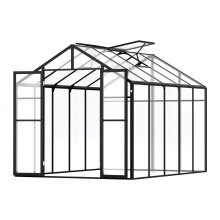


Results for Greenhouses
A longer growing season requires more than a few sheets of plastic thrown over stakes, and VEVOR's greenhouses are designed to truly protect plants from wind, rain, and temperature fluctuations. The collection includes walk-in tunnel greenhouses, polycarbonate greenhouses, hoop houses, and portable greenhouses, plus covering materials, ventilation fans, shade cloths, and hardware to keep it all in place. Whether you are growing vegetables for a season or running a small commercial operation, VEVOR has the greenhouse type, frame material, and size to fit your growing space.
VEVOR Greenhouses for Gardens, Farms, and Extended Growing Seasons
Need a compact portable greenhouse or a full walk-in tunnel greenhouse with shelves for serious growing? What actually works depends on space, climate, and how long you want to extend your growing season. VEVOR’s greenhouses are built around these real growing needs, so you can match the right type, frame material, and size to your yard or property instead of guessing at what fits. This lineup suits backyard gardeners and small farm operations, from peaked-roof tunnel greenhouse designs to heavy-duty aluminum frame greenhouse builds meant to last for years.
Greenhouse Type and Frame Material: Choosing the Right Structure for Your Growing Space
The greenhouse type and frame material determine how much protection a structure provides and how long it will withstand the weather. Here's a breakdown of VEVOR greenhouses by type and frame construction.
Walk-In Tunnel Greenhouses and Hoop Houses for Serious Growing
A walk-in tunnel greenhouse gives gardeners the interior height and width to move around comfortably while tending plants, unlike smaller cold-frame-style structures that require you to kneel or reach from outside. VEVOR’s walk-in tunnel greenhouse styles typically feature a curved or peaked roof design. The peaked-roof tunnel greenhouse style sheds rain and snow better than a flat-topped structure, which matters in areas with heavier seasonal precipitation. A walk-in greenhouse with shelves also adds practical growing capacity, allowing gardeners to stack seedling trays or potted plants vertically rather than relying solely on ground-level bed area.
Hoop houses have a similar tunnel-style frame but are typically less complex and more budget-friendly. Instead of a more rigid framed structure, hoop houses are built around a series of bent pipe or tubing hoops covered in plastic sheeting. Gardeners moving from raised beds to season-extension growing often find tunnel greenhouses and hoop houses useful because they trap heat and block wind, extending the growing season. Often, your budget and need for interior space will determine whether you choose a full walk-in tunnel greenhouse or a more basic hoop house.
Polycarbonate Greenhouses for Durability and Insulation
Polycarbonate greenhouses use rigid polycarbonate panels instead of the plastic film or glass panels used in traditional greenhouses, giving them much better impact resistance and insulation. VEVOR’s polycarbonate greenhouses last longer over multiple growing seasons, resisting hail, falling branches, and general wear and tear, which is good for anyone who is fed up with replacing torn plastic sheeting every year or two. Polycarbonate also has insulating qualities that help to maintain a more even temperature inside than thin plastic film, reducing the temperature swings that can shock plants during sudden weather changes.
The tradeoff with polycarbonate greenhouses is typically the higher upfront cost, as the rigid panels are more expensive at the start than the plastic film that covers a similar structure. For the gardener who wants to run their greenhouse as a long-term investment rather than a seasonal setup, polycarbonate can often pay for itself within a few years by eliminating the cost of replacing damaged film. VEVOR's polycarbonate greenhouses usually provide more consistent light transmission than aging plastic film, which is great news for plants that need a steady dose of light during the shorter days of winter.
Portable Greenhouses and Portable Plant Hot Houses for Flexible Use
Portable greenhouses are a different solution, giving gardeners a smaller, portable option that doesn't require permanent installation or a dedicated yard area. VEVOR portable greenhouses are ideal for renters, gardeners trying season extension for the first time, or anyone who needs to move a structure seasonally because of sun exposure or changes in yard use. A portable plant hot house generally has a lighter frame. It is easier to assemble than a full tunnel greenhouse, sacrificing some durability and interior space for the flexibility of easy assembly and disassembly.
The smaller structures are ideal for starting seeds in early spring or protecting tender plants during unexpected cold snaps without the expense of a permanent greenhouse. Generally, portable greenhouses cover less square footage than walk-in tunnel models, so gardeners with larger growing ambitions usually outgrow portable options within a season or two. But for those just starting in greenhouse gardening or working with limited and changeable space, a portable greenhouse remains one of the most accessible entry points into extended-season growing.
Frame Material: Heavy-Duty Aluminum vs Standard Steel Construction
The frame material affects how much the greenhouse can hold and how well it resists rust and corrosion over years of outdoor exposure. A heavy-duty aluminum frame greenhouse offers much better corrosion resistance than uncoated steel, which is a huge advantage in humid climates or coastal areas where rust can compromise a frame's structural integrity in just a few seasons. Also, VEVOR's aluminum frame greenhouses tend to be lighter overall, making the initial construction and any subsequent moves easier than with heavier steel-framed options.
Properly galvanized or coated steel frames still offer good structural support and, in some configurations, can support heavier snow loads. Steel frames tend to be heavier and require more attention to coating condition over time to prevent rust from developing at joints and stress points. So what’s the difference between aluminum and steel framing for greenhouses? It’s often a matter of climate and budget. Aluminum framing costs more than steel-framed structures usually do. In wet or coastal climates, the higher cost of an aluminum-frame greenhouse is usually offset by lower maintenance and a longer structural life for long-term installations.
Size and Features: What to Check Before Buying Greenhouses
Beyond greenhouse type and frame material, size and specific features also determine how well a structure performs for your growing goals.
Sizing a Greenhouse to Your Growing Space and Goals
Base your greenhouse size on your available yard space and your real growing ambitions. An oversized structure wastes materials and space, while an undersized structure leaves gardeners outgrowing their setup quickly. And check the planned spot for clearance before buying. Greenhouses need space around them for ventilation, door swing, and the structure's footprint. VEVOR’s greenhouses come in a variety of sizes, from compact portable units to larger walk-in tunnel greenhouse structures, giving buyers room to choose the right size instead of settling for a single standard option.
Consider, too, how your needs might change. Gardeners tend to have bigger ideas when a greenhouse opens up possibilities that were previously impossible in their climate. If you plan to start seedlings, grow through winter, or grow beyond a few container plants into a larger growing operation, a mid-size walk-in tunnel greenhouse instead of the smallest size available can save you from having to buy a second structure in a year or two.
Ventilation, Covers and Accessories for Hardware
Ventilation fans are critical for managing the temperature and humidity inside greenhouses. Without adequate airflow, a closed greenhouse can quickly overheat on a sunny day, stressing or killing plants. VEVOR's greenhouse ventilation fans help to move out hot air and bring in fresh air. This is particularly important for polycarbonate and tunnel greenhouses, which trap heat more efficiently than open structures. Greenhouse shade cloths help reduce the intensity of direct sun during the hottest summer months. This protects more fragile plants from burning up while still letting in enough light for them to grow.
Clear greenhouse films and greenhouse plastic sheeting are still the standard covering for tunnel and hoop house structures, and when used with proper greenhouse lock channels, greenhouse wiggle wires, and greenhouse spring wires, the covering stays tight and secure against wind, not flapping loose or tearing early. Greenhouse repair tape is also handy to have on hand, since plastic sheeting often gets small tears, and a quick repair can dramatically prolong the covering's useful life rather than letting a small tear become a larger, more expensive replacement job.
Why Choose VEVOR Greenhouses?
From walk-in tunnel greenhouses and polycarbonate models to portable structures and full hardware accessories, VEVOR greenhouses range from backyard gardens to small farm operations without the inflated prices that other suppliers tack on to reliable growing structures. All greenhouses come with reliable after-sales support, ensuring you are covered well beyond the initial purchase. Stop losing plants to crazy weather. Check out VEVOR’s greenhouse collection today and get the right type, frame, and size for your growing space.
FAQs
What's the difference between a tunnel greenhouse and a hoop house?
Tunnel greenhouses tend to have more structured framing and peaked rooflines. Hoop houses are a simpler, more affordable way to extend the season, with bent pipe frames and plastic sheeting.
Is a polycarbonate greenhouse worth the extra money over plastic film?
Yes, for long-term use. Polycarbonate is impact-resistant and a better insulator than film. So, although it costs more initially, it will save money on replacements over a few seasons.
Which is better: a steel or Aluminum Frame Greenhouse?
Aluminum resists corrosion better, especially in humid or coastal climates. Steel can support heavier loads but requires more maintenance to prevent rusting over time.
How do you hold down greenhouse plastic sheeting in windy conditions?
Secure the covering to the frame edges using lock channels, wiggle wires, or spring wires so the plastic doesn't flap loose or tear in high winds.
Are Portable Greenhouses Enough for Growing in Winter?
Portable greenhouses are great for mild cold snaps and season extension but generally offer less insulation than polycarbonate or heavy duty tunnel models for consistent winter growing.