Pasta Makers






Results for Pasta Makers
Explore VEVOR Pasta Makers for home cooks and busy kitchens, from electric machines that knead, extrude, and cut in a single pass to hand-crank rollers that flatten smooth sheets. The selection includes electric and manual rollers, pasta extruders for macaroni and spaghetti, and multipurpose dough sheeters that can do much more than make noodles. Whether you are preparing fresh sheets for lasagna, making fettuccine for Sunday dinner, or making dough for a small restaurant, VEVOR's attentive after-sales support will help you find the right tool at a price that fits your budget.
VEVOR Pasta Makers for Fresh Noodles, Sheets, and Everyday Doughs
Which do you prefer: steady batches without arm strain or silken, hand-rolled sheets? You can find the right Pasta Makers with just one response. VEVOR offers electric pasta makers for hands-free batch production, traditional clamp-on rollers, and pasta extruders that shape dough directly. With dough sheeters and tortilla presses for kitchens that produce more than just noodles, the array extends beyond Italian cuisine. Every machine is designed for modest production runs, cafes, and home cooks who need to consistently produce fresh dough.
Choosing Pasta Makers by Machine Type and Power Source
Start with machine type, since a roller, an extruder, and a press all handle dough in very different ways. Everything else, including the power source and accessories, will fall into place if you match the mechanism to what you cook the most. Even well-made pasta makers end up in the cupboard if you choose the wrong one.
Rolling Pasta Machine and Pasta Dough Roller Basics
For good reason, the traditional starting point is a rolling pasta machine. A ball of dough is fed past two rollers, the gap is tightened notch by notch, and a rough lump becomes a smooth, even sheet ready for cutting. It is easy to use, long-lasting, and allows you complete control over thickness.
Most manual models have no cord or plug; instead, they attach to the counter edge and rotate with a hand crank. Because of this, a pasta dough roller is perfect for cooks who want a machine that lasts for years with little maintenance and who enjoy the process. Stainless steel rollers resist rust and are easy to clean.
Examine the number of thickness settings and the roller width. More settings let you adjust the dough from thick pappardelle to paper-thin ravioli, while a wider roller can handle larger sheets for lasagna. For the gap to remain constant while you crank, adjustable dials should click firmly. A decent roller is the most forgiving place to start if you are new to fresh pasta. With a little effort, your results quickly improve, and these pasta makers teach you how dough should feel.
Electric Pasta Maker and Electric Pasta Rolling Machine Options
An electric pasta maker can save you time and effort when making large quantities of pasta. A motor powers the rollers, keeping both hands free to guide the sheet. This steady speed yields more consistent results than hand-cranking ever could. Once fresh pasta becomes a weekly ritual, it is a practical upgrade.
Two main types of electric pasta rolling machines exist. Some attach to a stand mixer and use its power; others are standalone countertop units with their own motor and controls. Busier kitchens are better suited to countertop versions, while cooks who already have a mixer and want to save space are better suited to attachments.
To move from flour to fresh strands with far less handling, several Electric Pasta Makers combine functions, mixing and kneading the dough before rolling or extruding it. Look for a machine with detachable parts for cleaning, a stable base that will not slide over the counter, and clear speed settings. If you plan to work for extended periods, check the motor rating, because a stronger motor can handle tough dough without straining. These pasta makers are the sensible option if you want consistent results with little work.
Pasta Extruders and Automatic Noodle Makers
Pasta extruders shape, while rollers flatten. An extruder creates spaghetti, macaroni, rigatoni, and other tube and rope shapes that a roller can't make by forcing dough through a shaped metal or plastic die rather than flattening it into a sheet. You can change the shape by switching the die. By combining mixing, kneading, and extrusion into a single sealed cycle, Automatic Noodle Makers go one step further. After adding the flour and water and pressing the start button, fresh noodles appear in minutes with hardly any manual labor. That speed is difficult to match for large families and weeknight cooking.
The main consideration is die selection. More dies mean more shapes, and brass or bronze dies provide a slightly rougher surface that grips sauce better than smooth ones. The main maintenance chore is clearing dried dough from the die; keep a cleaning pick handy. Extruders are the best Pasta Makers if you want shaped pasta rather than flat pieces. They provide access to an entire category of shapes that rollers and cutters can't make.
Dough Press Machines, Sheeters, and Pasta Cutter Machine Add-Ons
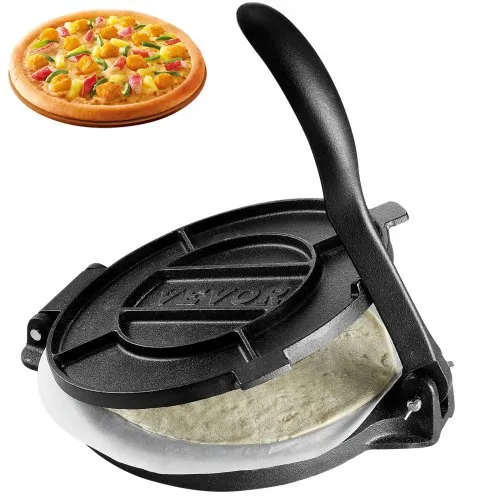
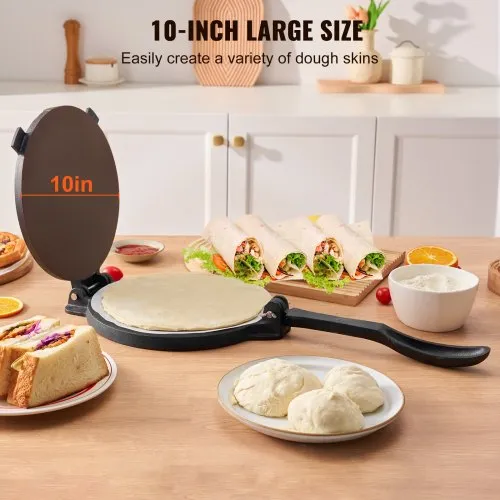
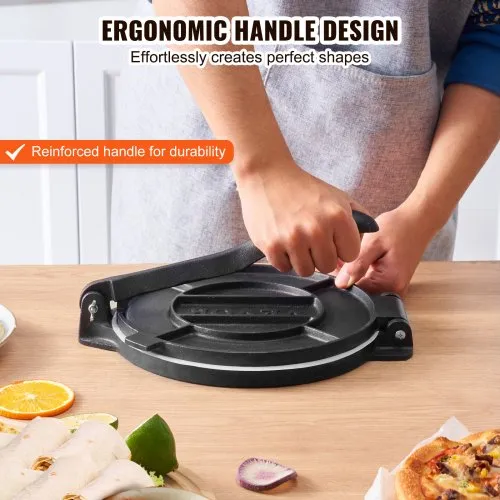
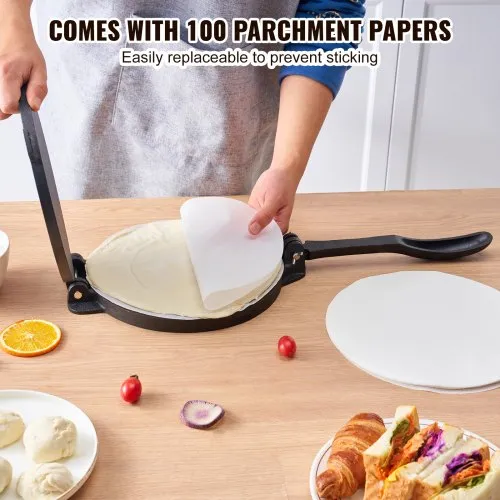
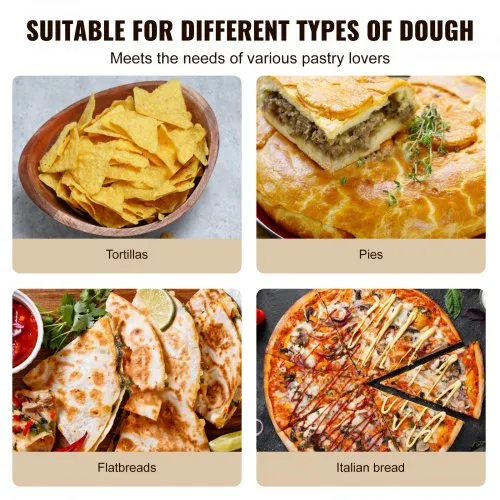
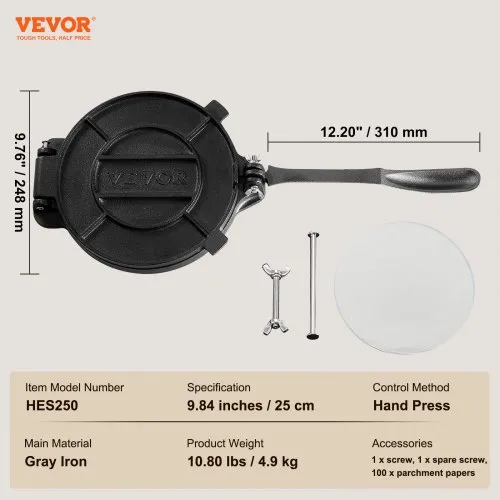
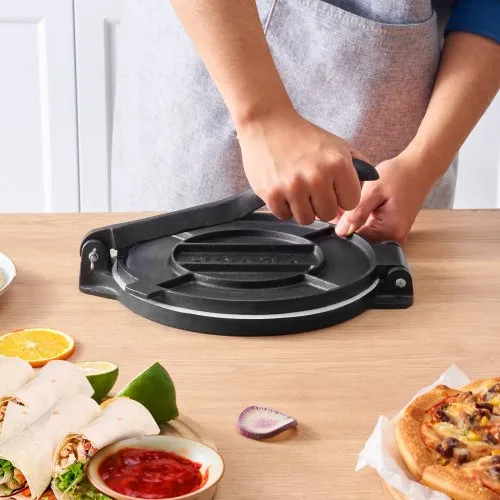
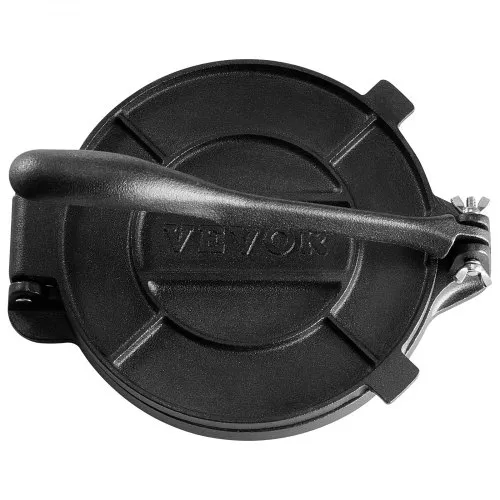
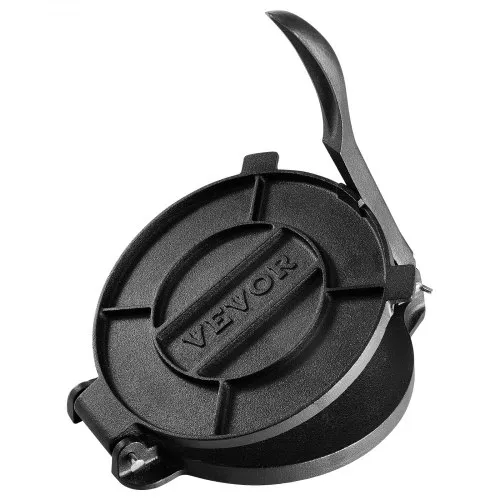
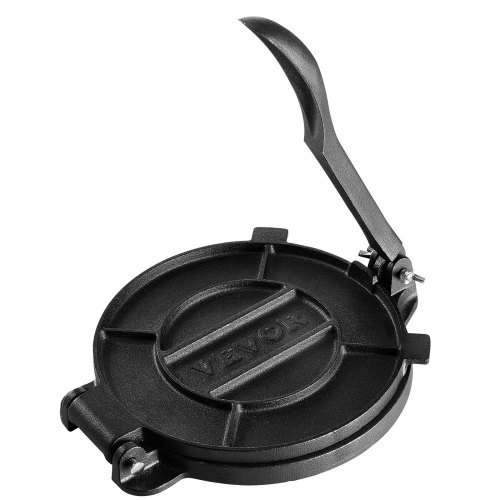
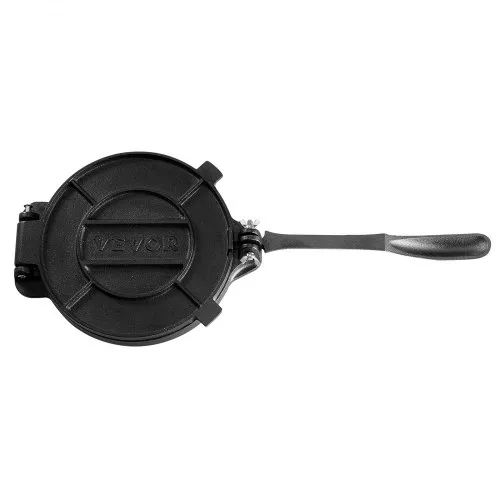
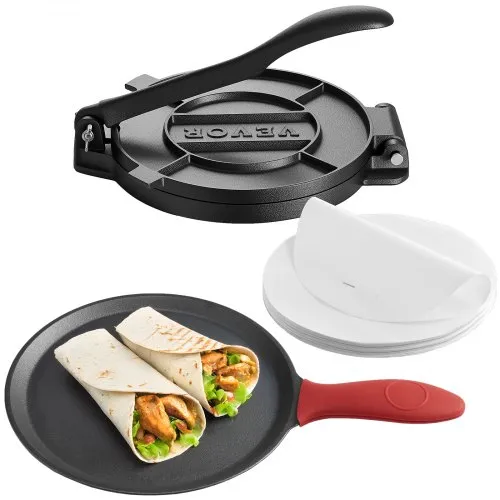
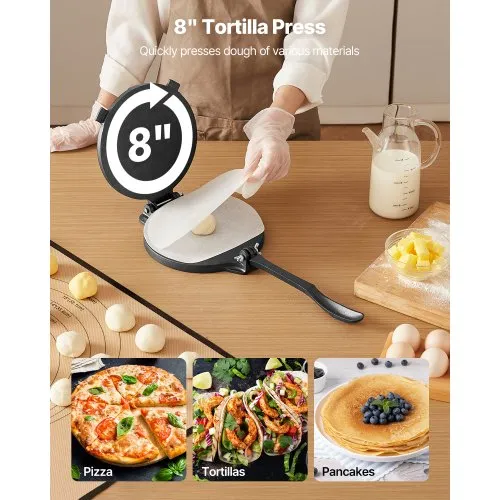
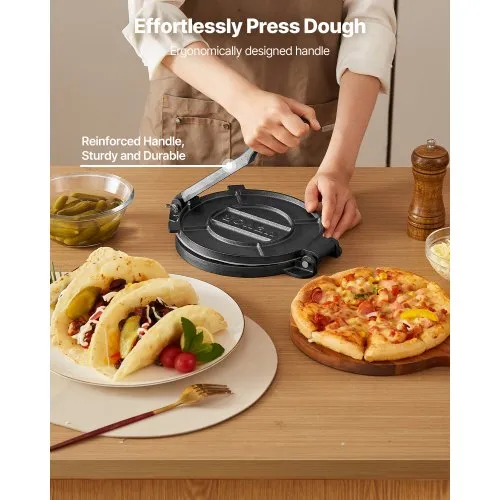
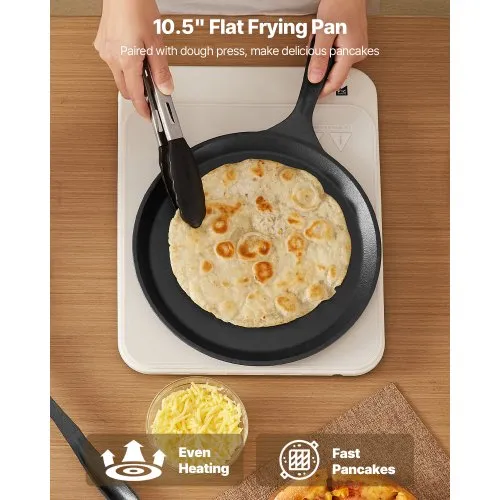
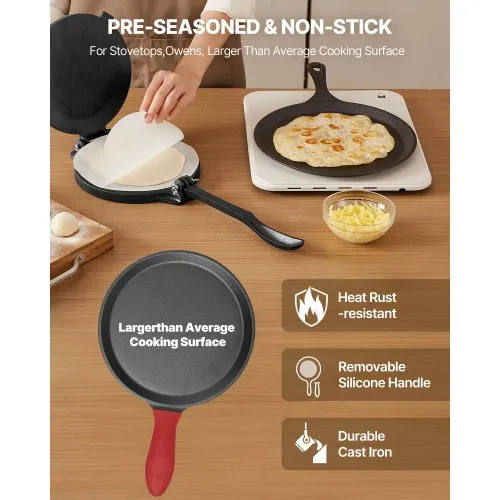
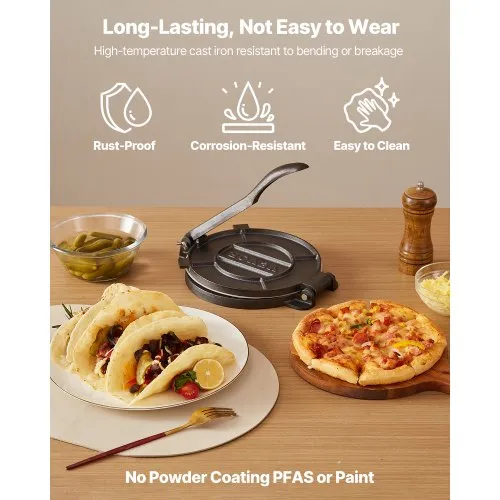
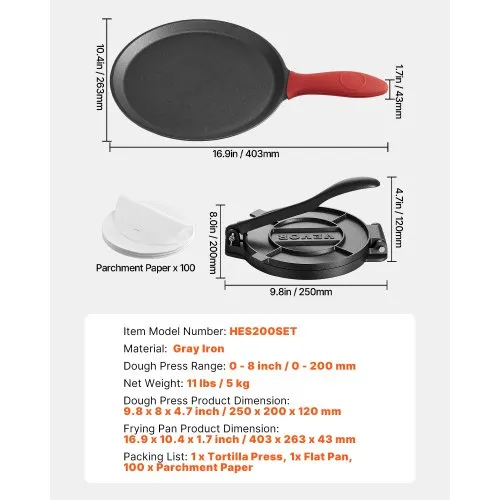
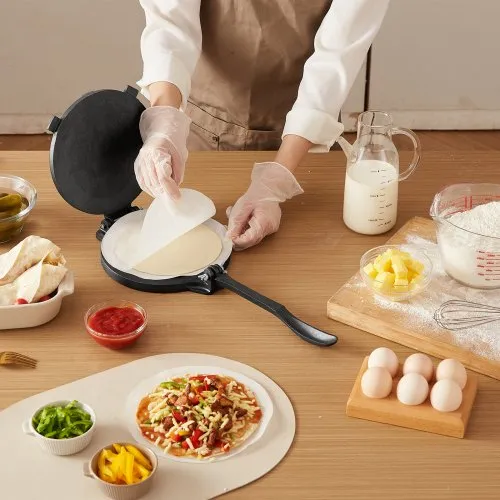
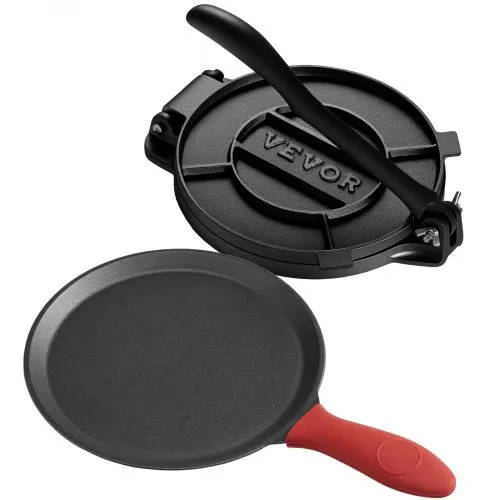
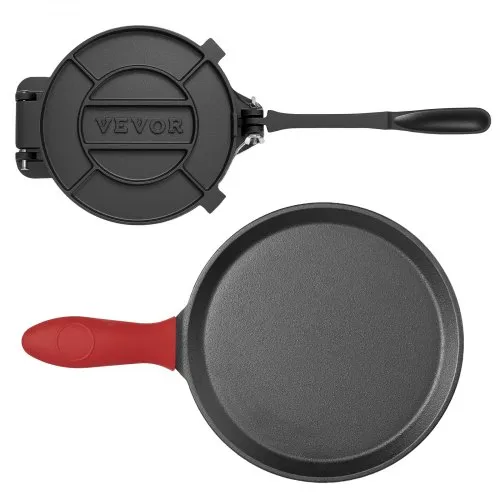
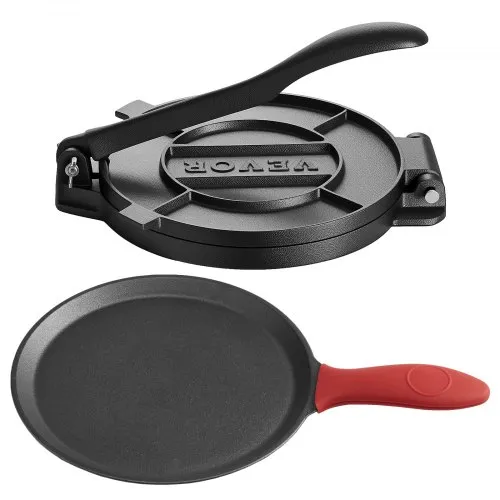
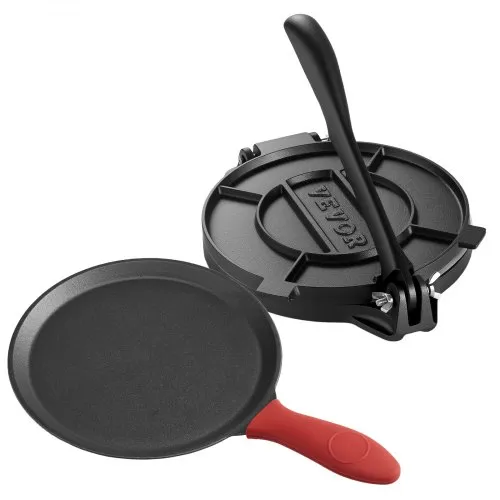
In addition to pasta, VEVOR offers Dough Press Machines and Dough Sheeter Machines that stretch and flatten dough for flatbread, pizza, and pastries. Reversible Dough Sheeters shuttle dough back and forth to process larger batches quickly, while dough sheeters run dough between rollers at a predetermined thickness for consistent bases. The world of flatbread includes many pressing machines. While Tortilla Machines and pataconera makers handle larger volumes for busy kitchens and food trucks, Cast Iron Tortilla Presses, Taco Presses, Roti Makers, and Chapati Makers flatten dough balls with a single lever pull.
Smooth icing for cakes with fondant rollers, and quickly make rounds of pizza dough with stainless steel pizza presses and pizza dough rollers. Then use a special pasta cutter machine or a pasta maker attachment to cut the rolled sheets into even strands. Think of these as the main machines that surround you. You can make pasta, bread, and pastries from the same part of the counter with these Pasta Makers and dough tools. Roller add-ons and freestanding presses make this work possible.
Matching Pasta Makers to Your Application and Features
The specifics, such as what you prepare and which features ease the task, determine if a machine is a good fit for your kitchen. If you choose well, your pasta maker will have a permanent place on the counter rather than the back of a shelf.
From Home Kitchens to Small Restaurants
First, choose the right machine for your needs. A home cook who only makes pasta a few times a month can get by with either a hand roller or a small electric pasta maker. Both are easy to store and clean up after dinner. A smaller footprint matters when counter and cabinet space is limited.
In cafes, pizzerias, and other small restaurants, capacity and reliability matter most. Larger Dough Sheeter Machines, reversible sheeters, and pasta maker presses for firm doughs keep output steady during a service rush. Stainless steel construction and protected motors withstand everyday business use much better than lightweight home units. These pasta makers include a roller, an extruder, and a press that work together to make pasta, dough, and pastry. If you cook many different types of food, you can use them all week, not just for one dish.
Materials, Cleaning, and Attachments That Matter
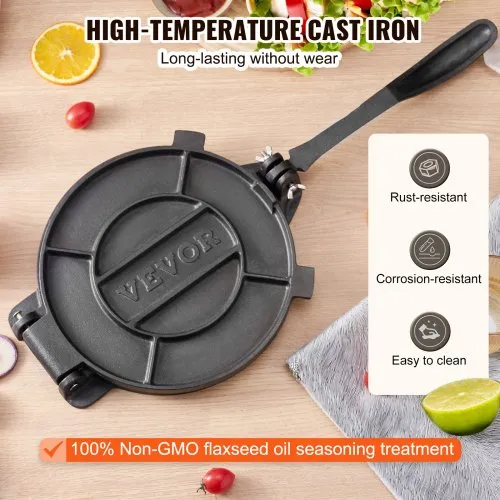
Materials influence both maintenance and outcomes. Food-grade dies and cutters keep dough safe and release it cleanly, while cast iron press plates and stainless steel rollers last longer, resist rust, and clean up easily. Washing is much easier with a detachable pasta maker cutter than with a fixed one.
Many machines succeed or fail in the cleaning process. Look for detachable pieces and included cleaning supplies, because most rollers should be brushed dry rather than soaked, since water can dull the surface and stiffen moving parts. Add-ons like a rolling pasta machine cutter head, a Dough Press Machine plate, or additional dies expand a single device's capabilities. A well selected set of Pasta Makers is superior to a drawer of devices you never use, so give priority to the functions you will actually use.
Why Choose VEVOR Pasta Makers?
VEVOR offers tools for fresh pasta and everyday dough in a single lineup, from electric machines, dough sheeters, and tortilla presses to hand-crank rollers and Pasta Extruders. Every item comes with a warranty and prompt after sales support for parts and setup issues, and direct pricing keeps high quality kitchen tools well below showroom prices. Get the ideal Pasta Makers on your counter in time for the next fresh batch by browsing the collection today and filtering by machine type, power source, and material.
FAQs
Should I get an electric or manual pasta maker?
If you cook occasionally and want the hands-on experience, go with manual since it is less expensive and requires no electricity. For larger families or frequent batches, where a motor saves time and produces more consistent sheets, choose electric.
What distinguishes an extruder from a roller?
A roller flattens dough into sheets, which are then cut into flat shapes like fettuccine. To create tubes and ropes like macaroni and spaghetti that rollers can't make, an extruder forces dough through a formed die.
How do I keep a pasta maker clean?
After letting the dough dry, use the provided tools to brush rollers and dies. Avoid wetting metal components, as this can cause corrosion and stiffen the mechanism. Use a dry cloth to clean the machine's body, then store it with a cover.
Are these machines capable of producing more than just pasta?
Yes. Dough sheeters, tortilla presses, roti and chapati makers, and pizza dough rollers handle flatbread, pastry, and pizza bases. To change shapes, many extruders also switch dies, allowing a single machine to handle many dishes.
Do you need to knead dough before using a roller?
After mixing and resting the dough, repeatedly pass it through the widest setting, folding in between. This completes the kneading process, builds gluten, and creates sheets that are elastic and smooth and hold together when sliced.