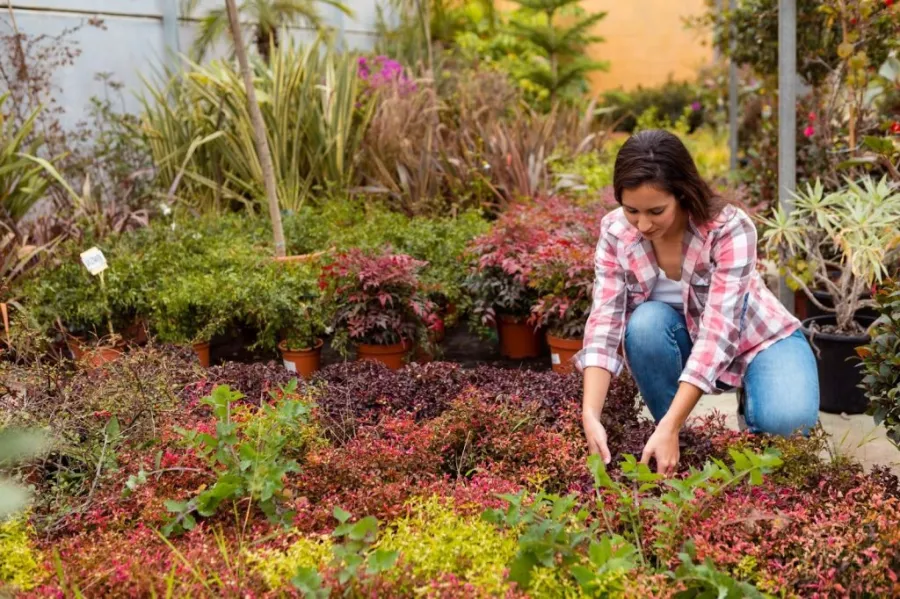
Winter doesn’t mean your gardening season has to end. Although it’s not the most favourable season of the year for crops yet you can grow your favourite veggies and fruits without spending a lot. All this is possible with the right preparation, plant choices, and growing methods. You can enjoy fresh vegetables, herbs, and even flowers during the coldest months.
This winter gardening guide is written specifically for beginners who want to keep growing when temperatures drop to the freezing point. You’ll learn how to prepare your garden, the best winter-friendly plants, different methods and useful products of winter gardening, and essential tips to help your plants survive chilly weather.
Preparing your garden for winter gardening
You cannot plant anything for the winter season without preparing your garden properly. Cold weather is not bad for your skin, it’s poor for soil, too. Therefore, you need to prepare your garden for winter before planting and wasting your precious seeds. If you are someone who spends a lot of time in the garden, you need to have a durable Rolling Garden Cart with a Swivel Seat to enjoy your time there.
Improve soil before cold weather hits
Just like a healthy body needs good food, healthy winter crops need nutrient-rich soil. Microbial activity decreases to the lowest level, which means fewer natural nutrients become available to your plants.
But, no worries. Here’s how to improve your soil before winter:
In winter soil becomes compact. If you loosen the soil once or twice a week, it becomes more fertile and productive
- For more fantastic results, you should add organic matter such as cured compost or leaf mold.
- Check soil pH daily. Winter vegetables grow best in slightly acidic to neutral soil. It should be around 6.0–7.0.
- Some farmers also recommend using a mix of slow-release organic fertilizers like bone meal or kelp meal.
Indeed, preparing the soil early gives your plants a head start before the freeze and enough nutrients to grow.
Add compost and mulch to retain heat
Compost and mulch are a lifeline for plants in winter. Compost adds nutrients, while mulch insulates the soil and protects roots. Both work together to support plant life and give you the fresh vegetables you want.
Experts recommend using mulch more in winter. Why mulch matters in winter:
- Helps soil retain warmth longer because of its insulating properties
- Prevents freeze–thaw cycles that damage roots
- Reduces water evaporation
- Keeps weeds from competing with winter crops
You should consider straw, shredded leaves, or wood chips, and avoid fresh grass clippings or heavy bark mulch since these can compact the soil.
Clear diseased plants and prevent winter pests
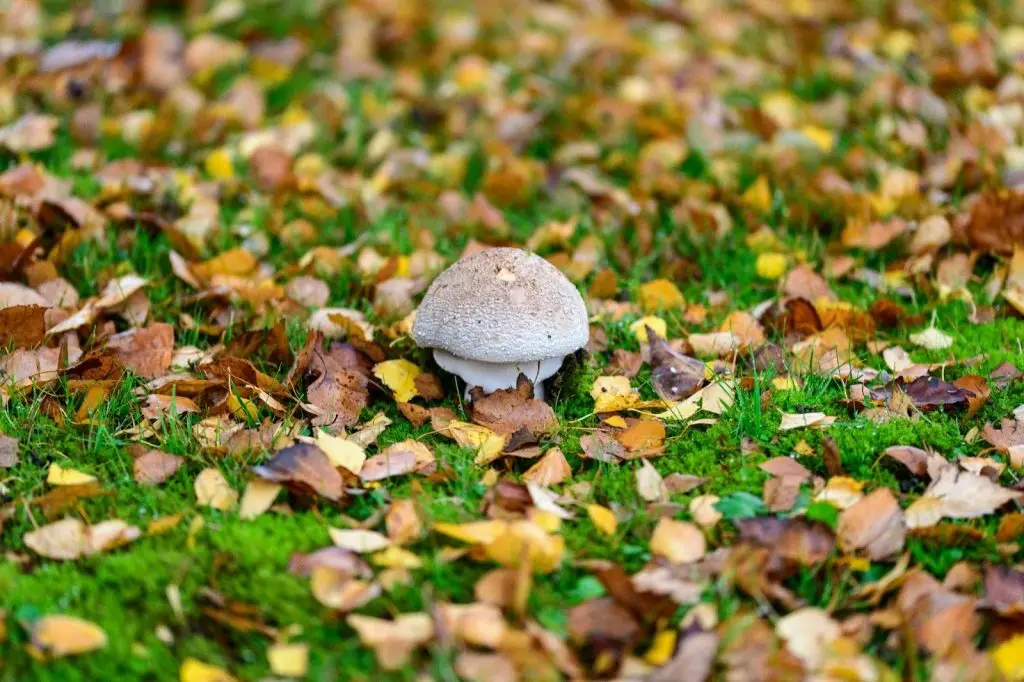
Winter is deceptive. You may feel it’s cold outside and nothing can survive, but many pests and diseases overwinter in garden debris. If you leave diseased or pest-infested plants in your garden, they’ll return stronger in spring and ruin it.
- You should clear out all yellowed or mold-ridden leaves
- You should clear out the Stems showing fungal growth
- You should pick and clear out old fruit or vegetable scraps
- You should clear out all dead annual plants for sure.
This step helps break pest life cycles and keeps your winter crops healthier.
Assess drainage to prevent root rot
Winter gardening isn’t just about the low temperatures. It’s about moisture control as well. Over-saturated soil is the fastest way to kill winter plants.
Check for these symptoms:
- Puddles forming on the soil after rain
- Raised beds leaning or sagging
- Poorly draining clay soil
- Low areas where water collects
You have to improve drainage by doing these simple things:
- Add compost for better soil structure
- Build raised beds
- Use sand or perlite to lighten heavy soil
- Redirect water flow away from garden beds
Always remember a good drainage ensures roots stay healthy even in freezing temperatures.
20 plants to grow for winter gardening
Most of us love gardening and that is the reason that we cannot abandon our gardens in winter just because it’s cold outside. Nature also notices, which is why it has some plants that need a cold environment to grow. These plants are specifically designed to be planted in the winter season, and here is the list.
Fruit plants to grow for winter gardening
- Strawberry
- Blueberry
- Raspberry
- Blackberry
- Lemon
- Kiwi
- Apple
- Pear
- Grape
- Pomegranate
Vegetables to grow for winter gardening
- Kale
- Spinach
- Swiss chard
- Broccoli
- Cabbage
- Cauliflower
- Brussels sprouts
- Carrots
- Beets
- Turnips
Many of these crops can survive light frosts; some even get sweeter after frost exposure, such as carrots and kale.
Winter gardening methods for different spaces
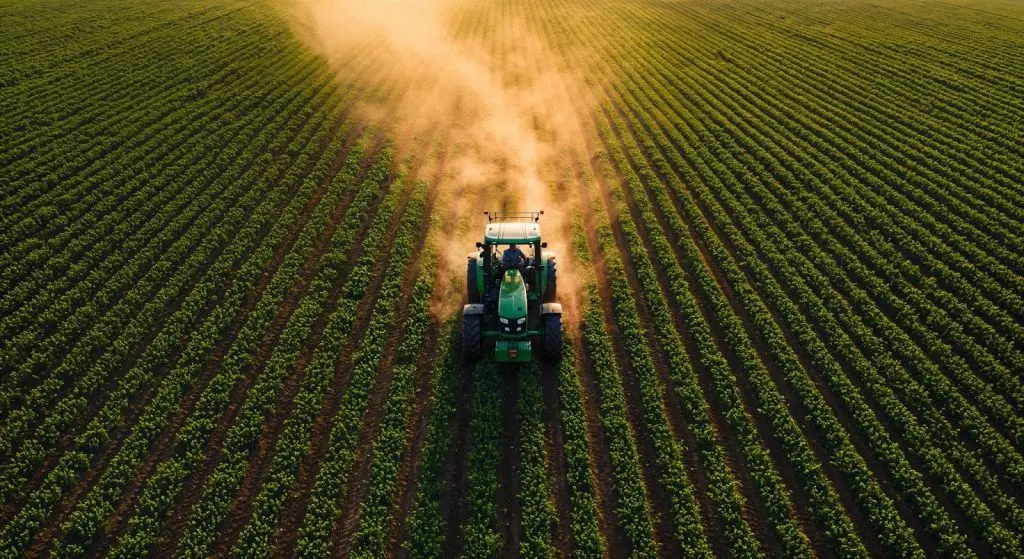
Winter gardening methods vary by space, by indoor and outdoor types. There is not a single specific method to grow plants that works best. Here are the best methods for different spaces to help you choose the right one for you.
In-ground beds
Traditional in-ground beds work well for winter crops if prepared properly. The soil keeps heat longer than containers, and overwintering vegetables such as kale and garlic thrive in the ground.
These are some tips for better results:
- Mulch is great to keep the soil warm. You should add mulch for insulation and keep your soil temperature normal.
- Also, consider using row covers or low tunnels
- Improve drainage if your soil stays wet
Raised beds
Raised beds warm faster and drain better. These two qualities make them ideal for winter gardening. They are the best option for the areas where you see heavy rainfall. Raised by prevent waterlogging, help control soil, and are easy to cover with hoops. If you are growing root crops like carrots, beetroot, then raised beds are absolutely perfect for you.
Container gardening
Almost everyone has small pots and containers on their roofs in which they grow their favourite plants. It’s called container gardening, and it’s great for balconies, roofs, and small spaces.
One of the most common reasons people prefer container guarding is that they are easy to move from one place to another.
But there are certain rules of container gardening to grow plants in different sizes of containers.
If you’re growing vegetables, you should use 5 to 10-gallon pots. If you’re growing flowers, you should use 12-inch-long parts, especially for roses.
Gardening containers are available in ceramic, plastic, and fabric grow bags. All of these materials can be used to grow any vegetable or fruit, or plant, but gardening experts always recommend parts made up of clay.
Indoor grow-lights
Most of us do not have land or big gardens outside to grow the plants or vegetables we want. But this doesn’t mean you cannot grow plants anywhere. If you are someone who doesn’t have an outdoor gardening option, you can use indoor grow lights in winter to grow your favourite plants.
These indoor grow lights work best for herbs, leafy greens micro greens. You should use full-spectrum LED grow lights and give plants 10 to 12 hours of light daily for proper growth.
Greenhouse with heaters
For gardeners who want consistent production all winter, a greenhouse is the ultimate setup.
A greenhouse heater protects plants from frost and wind and helps grow tender crops. These heaters keep temperatures stable, no matter what happens outside.
A small portable greenhouse paired with a safe electric greenhouse heater works well for beginners.
FAQs
What vegetables grow best in winter?
Green vegetables like kale, spinach, carrots, beets, broccoli, cabbage, and winter lettuce perform best in cold weather. Many root vegetables and leafy greens can tolerate frost and are cultivated throughout the season.
How do I keep my plants warm in freezing temperatures?
You can use mulch, row covers, cloches, or cold frames to trap heat around your plants. In extremely cold areas, adding a layer of straw or using a small greenhouse heater may be necessary.
Can you garden in winter without a greenhouse?
Yes, you can garden in winter without a greenhouse by using raised beds and insulated containers. If you have an indoor garden, you can use indoor grow lights to grow the plants you want.
When should I start winter gardening preparation?
You should start your winter gardening preparation in late summer or early fall. This is the time when you will prepare your soil for plantation. Most winter crops should be planted 6 to 10 weeks before your first hard frost to give the plants time to sprout.
Is watering necessary during winter gardening?
Yes, winter doesn’t mean your plants do not need water. Plants still need moisture, but overwatering can cause root rot. What are your plans? Only when the top inch of the soil feels dry, and avoid watering in the evening when the temperature has already dropped. Instead, make a habit of watering your plants early in the morning before the sunshine.
Conclusion
Winter gardening seems like rocket science, but with the right methods, plant selection, and growing techniques, it becomes enjoyable and productive. You can grow vegetables, fruits, and flowers in winter without spending money on winter planting guides. All you need is to know what type of plant you can grow in winter and how you grow them.
However, if you have a big outdoor garden, you can use a greenhouse heater to keep up with cold weather and grow your favourite plants.