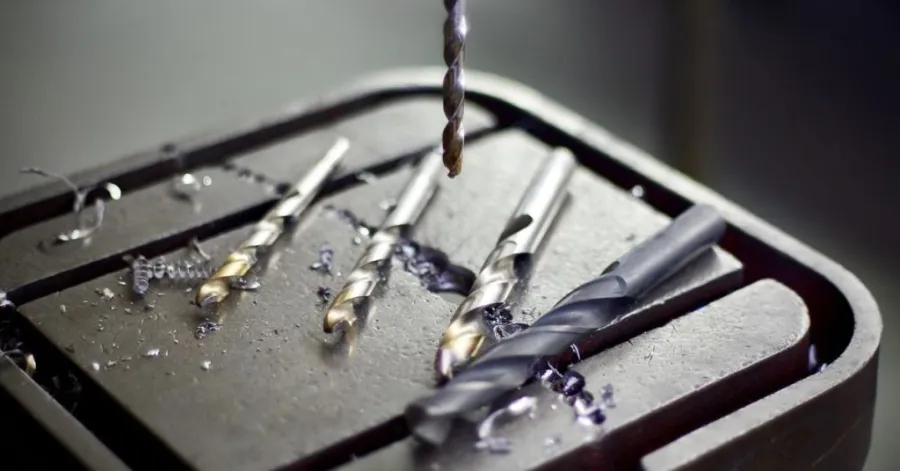
What drill bit works best with stainless steel? If you’re asking this question, a twist drill for tough work is a safe bet. According to many professionals, the best drill bit for stainless steel is a cobalt twist drill bit. The best are cobalt twist drill bits, for their long life and accurate work. Carbide or diamond-coated bits work well, too, in drilling difficult stainless steel surfaces. Type H twist drills are preferred by many specialists for their ability to produce smooth, accurate holes. Always drill slowly and evenly to prevent overheating or material shattering. The appropriate strategy could yield more accurate results and extend the drill bit’s lifespan.
In this article, we will discuss what type of drill bit for stainless steel works best for stainless steel and how to use it effectively.
What Type of Drill Bit Is Best for Stainless Steel?
@avichihuas Magnetic drill de la marca VEVOR
♬ original sound – avichihuas
Cobalt Drill Bits (M35 & M42) – The Top Choice
What is the best drill bit for stainless steel? For the greatest results when drilling stainless steel, use cobalt twist drill bits. The twist drill bits are constructed of cobalt. This makes them very tough and heat-resistant. For most stainless steel jobs, an M35 or M42 twist drill would suffice. These twist drill bits are made with cobalt to stay sharper longer. You will discover that cobalt twist drill bits cut through stainless steel more easily. These stainless steel twist drill bits are favoured by many specialists because they last longer and produce cleaner holes.
High-Speed Steel (HSS) Drill Bits – When They Work
High-speed steel twist drills are ideal for drilling a few holes in thin stainless steel sheets. These twist drill bits are less expensive than cobalt or carbide twist drill bits. Can you drill through stainless steel? You will find HSS twist drill bits work well for light-duty applications. If you use an HSS twist drill bit at the proper speed and keep it lubricated, you can make clean holes in stainless steel. HSS twist drill bits are not suitable for drilling thick or hard stainless steel, as they may wear out quickly.
Carbide Drill Bits – For Heavy-Duty Industrial Use
How to drill stainless steel without overheating? If you have a stainless steel job that just won’t quit, grab a carbide twist drill bit. Twist drill bits are quite hard and can absorb significant heat. You’ll encounter carbide twist drill bits in factories or workshops, where people spend all day drilling stainless steel. Carbide twist drill bits go through stainless steel swiftly, but can break if you are not careful. Use only carbide twist drill bits. If you have to drill many holes in thick stainless steel.
- Summary Table: Best Twist Drill Types for Stainless Steel
| Twist Drill Type | Best For | Durability | Cost |
| Cobalt | Most stainless steel | High | Moderate |
| HSS | Light-duty, thin steel | Medium | Low |
| Carbide | Industrial, thick steel | Very High | High |
Key Features of the Best Drill Bits for Stainless Steel
Heat Resistance and Durability
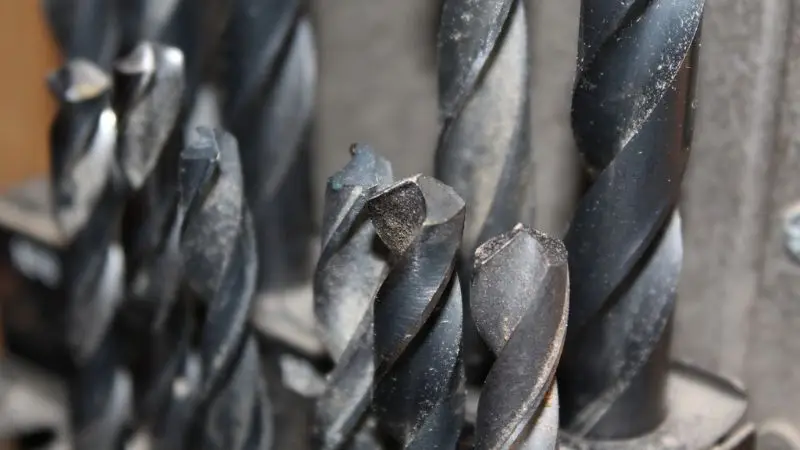
When drilling with stainless steel, you need the best cobalt drill bits for stainless steel that can withstand high temperatures. Drilling generates heat really rapidly. If the drill bit cannot withstand heat, it will dull and break. Cobalt and carbide drill bits remain robust even when drilling for extended periods. These materials let you finish your stainless steel project without having to stop to replace parts. You gain more worth because the drill bit lasts longer.
Sharp Cutting Edge and Tip Angle
Drilling stainless steel is easier with a sharp cutting edge. You need a drill bit that has a precise tip angle. What speed to drill stainless steel? Most experts recommend setting the split point at 135 degrees. This tip angle helps you to start drilling without slipping. You get a clean hole and reduce the risk of damaging your stainless steel. A sharp edge cuts quickly, with less force. You will save time and work if you use the correct tip angle.
- Checklist for Sharpness:
- Look for a split point tip.
- Look at the edge for chipping or dull patches.
- Test drill bit on scrap stainless steel.
Coatings (Titanium, Black Oxide, and Cobalt Alloy)
Coatings help protect your drill bit and make it easier to get through stainless steel. Titanium coating provides added strength and helps keep the bit cool. Black oxide coating resists rust and extends the bit’s life. Coating with cobalt alloy increases heat resistance. Can you drill through stainless steel? For optimal performance, choose a drill bit with one of these finishes. The coating allows you to drill more holes in stainless steel without wearing out the bit.
| Coating Type | Benefits of Stainless Steel |
| Titanium | Extra strength, cools bit |
| Black Oxide | Rust protection, durability |
| Cobalt Alloy | High heat resistance |
By checking these properties, you can choose the right drill bit. When you drill stainless steel, you will receive clean holes and avoid issues.
Recommended Drill Bit Types for Different Applications
DIY Home Projects
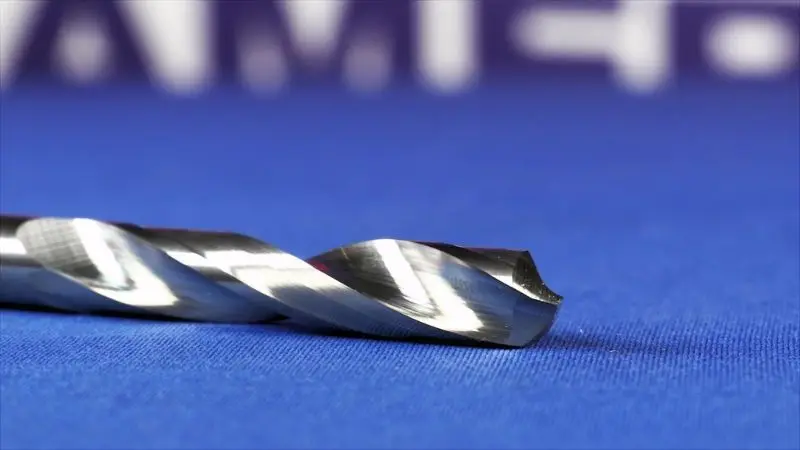
Maybe you wish to drill through stainless steel for simple repairs or creative projects at home. What is the best drill bit for stainless steel? You can use high-speed steel drill bits for them. These bits do a good job on thin sheets or soft grades. A clamp is always a good idea to keep your material steady. This procedure will ensure your safety and a clean hole. Slow drilling and a little amount of lubrication are needed when drilling through stainless steel. This prevents the bit from overheating. If you plan on drilling stainless steel more often, you can upgrade to cobalt drill bits. These pieces endure longer and deliver greater results.
Professional Metal Fabrication
If you operate in a shop or work with metal every day, you need tougher tools to drill through stainless steel. How to drill stainless steel without overheating? Cobalt drill bits are ideal for most jobs. These pieces cut through strong material and hold their edges longer. They are good for frequent drilling through stainless steel without having to change bits regularly. Many experts also use drill bits with a black oxide or titanium coating. These coatings enhance strength and assist with heat control. Always drill with cutting fluid while working with stainless steel. This process cools your bit and extends its life.
- Quick Reference Table:
| Application | Recommended Bit | Why Use It? |
| Metal Fabrication | Cobalt, Coated HSS | Durability, Heat Resistance |
Industrial-Grade Drilling Tasks
You’ve got factories and heavy industry that need to drill through stainless steel all day. For these jobs, you require the hardest drill bits. Carbide drill bits are suitable for industrial stainless steel drilling. These pieces are for high-speed, heavy-duty applications. Better control is achieved with a drill press. Always use plenty of lubricant and maintain consistent pressure when drilling into stainless steel. The carbide bits cost more, but they do save time and tool changes.
Never haste while drilling through stainless steel in industrial environments. Fast speeds can disrupt your cut and damage your work.
Choosing the best cobalt drill bits for stainless steel for your needs comes down to matching your job type to the optimal tool. This method will safeguard your equipment and ensure clean results.
How to Drill Stainless Steel Properly
Choosing the Right Speed and Pressure
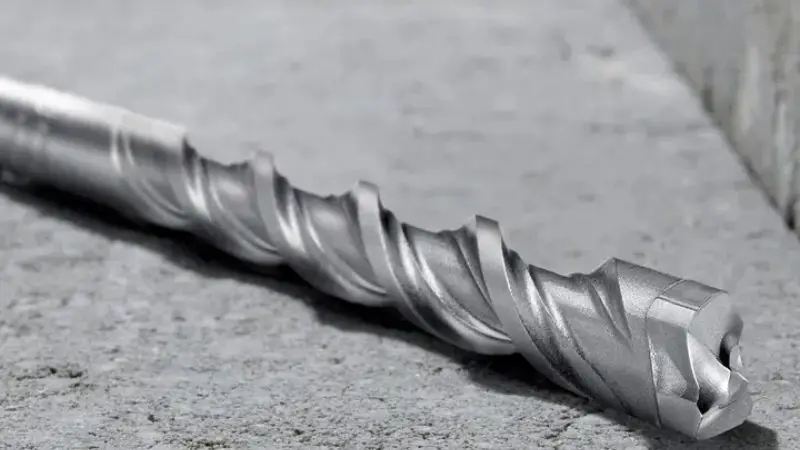
Can you drill through stainless steel? When drilling stainless steel, you must control the drill bit speed. Slow speeds are good things. At high speeds, you generate too much heat, which can destroy your drill bit. You want to run your drill at low speed. Constant pressure will cut a clean hole. Don’t go overboard. Let the drill do the drilling. If you overwork the drill, you may break the bit or make a rough hole.
Speed & Pressure Quick Tips:
- Choose a low rpm.
- Apply a light, even pressure.
- “Stop when you see smoke or hear squealing.
Using Lubrication to Reduce Heat
How to keep drill bits from burning on stainless steel? When drilling stainless steel, lubrication is crucial. The drill bit is cooled using oil or cutting fluid. You should be putting a drop of lubricant on the place before you start. Lubrication reduces friction and helps you avoid overheating. It also makes drilling stainless steel easier and prolongs the life of your drill bit.
| Lubricant Type | Benefit |
| Cutting Fluid | Best cooling |
| Machine Oil | Good for home projects |
| WD-40 | Works in a pinch |
Preventing Work Hardening
How to drill stainless steel without overheating? Drill too fast or use the wrong technique, and you will work-harden the metal. The surface of stainless steel hardens, making it much harder to drill. A sharp drill bit and slow speeds will not work harden. Lubrication helps, too. If the drill bit bounces or skates, stop and check your settings.
Work hardening avoidance list:
- Drill using a sharp drill bit.
- Slow speed drill.
- Keep things well-oiled.
- Don’t go on and off too much.
Warning: blue chips or sparks can cause work hardening. Change your pace. Add more lube.
By doing these actions, you can get clean consequences. Drilling stainless steel takes a little time and the right technique. Use these tips to protect your tools and make good holes every time.
Common Mistakes to Avoid When Drilling Stainless Steel
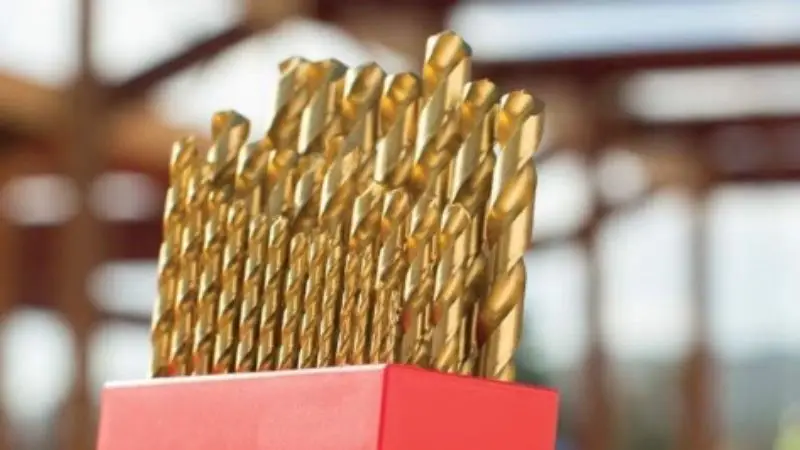
Drilling stainless steel can be difficult. To achieve clean results and protect your instrument, avoid several common blunders.
Using the Wrong Drill Bit Type
You could get any tool and start drilling, but not all drill bits work for stainless steel. If you use a wood or brick bit, you will ruin your tool and the metal. What is the best drill bit for stainless steel? If you want to work with stainless steel, you need a hard tool, such as a cobalt or carbide tool. These bits are heat-resistant and keep sharp. Check the label before you choose your tool. The correct tool will save you time and keep your project safe.
Drilling at High Speeds
You may imagine that fast drilling gets the task done faster. Too much heat at high speeds. This heat will dull your tool and can make the metal tougher. Can you drill through stainless steel? You want your tool to run at a slow pace. Slow drilling keeps your tool cool and makes a nice hole. If you see smoke or hear screeching, stop immediately and let your tool cool down.
Quick list:
- Set your tool to low rpm’s
- Look for signs of overheating.
- If your tool gets heated, stop.
Skipping Lubrication
Lubrication is vital when using a tool on stainless steel. How to keep drill bits from burning on stainless steel? Without oil or cutting fluid, your tool will heat up and wear out quickly. Lubrication reduces friction and extends your tool’s life. Before you start, add a drop of oil. Have a rag nearby to mop up any excess liquids. Lubrication keeps your holes clean, and your tool works better.
| Mistake | What Happens | How to Fix |
| Wrong tool | Bit breaks, rough holes | Use a cobalt or carbide tool |
| High speed | Overheating, dull tool | Drill slowly with your tool |
| No lubrication | The tool wears out, a rough hole | Add oil to your tool |
WARNING: Don’t skip lubrication. Your tool needs to be sharp and tough.
Conclusion:
If you are looking for clean, accurate results, it is important to know what type of drill bit for stainless steel. Cobalt and carbide drill bits are two of the best choices since they are strong, don’t break easily when heated, and last a long time. No matter which drill bit you use for stainless steel, go slowly and evenly to prevent burning. Safety is crucial, too, so make sure to protect your eyes and hold the object in place before you start drilling. Knowing the right drill bit for stainless steel and practicing proper use will allow you to drill smooth, accurate holes every time.
FAQ
What drill speed should you use for stainless steel?
You want to drill slowly; a good range is 500-1000 rpm. “Lower speeds keep your drill bit sharp and prevent it from overheating. Always refer to the drill’s instructions to set it up properly.
Can you use regular drill bits on stainless steel?
No, you don’t want to use conventional drill bits. For stainless steel, you need strong parts like iron or cobalt. If they are not bent, the bits may shatter or wear out quickly.
How do you keep your drill bit cool when drilling stainless steel?
You can use cutting oil or machine oil. Put a few drips at the location before you start drilling. Reapply as necessary to keep the bit cool and reduce friction.
Why does your drill bit stop cutting or squeal during drilling?
- Your drill bit is worn out.
- Perhaps you are drilling too fast.
- You may require additional lube.
Stop, inspect your bit, slow down, and apply oil to solve the problem.
What safety gear should you wear when drilling stainless steel?
| Safety Gear | Purpose |
| Safety glasses | Protect your eyes |
| Gloves | Shield your hands |
| Ear protection | Reduce noise exposure |