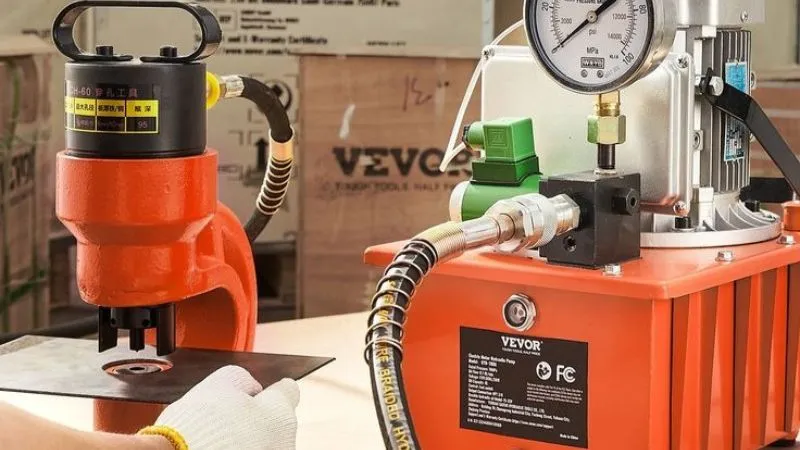
Wondering whether a VEVOR hydraulic pump is worth the purchase? It delivers great performance in terms of power, quality, and price. You receive reliable hydraulic pressure to help you handle tough operations such as car maintenance, production line management, and construction activities. The robust structure ensures high performance even after extended operation. Many people think they offer great value for money compared to other brands. A VEVOR hydraulic pump handles both simple lifting operations and complex hydraulic systems.
Table of Contents
What Is a VEVOR Hydraulic Pump?
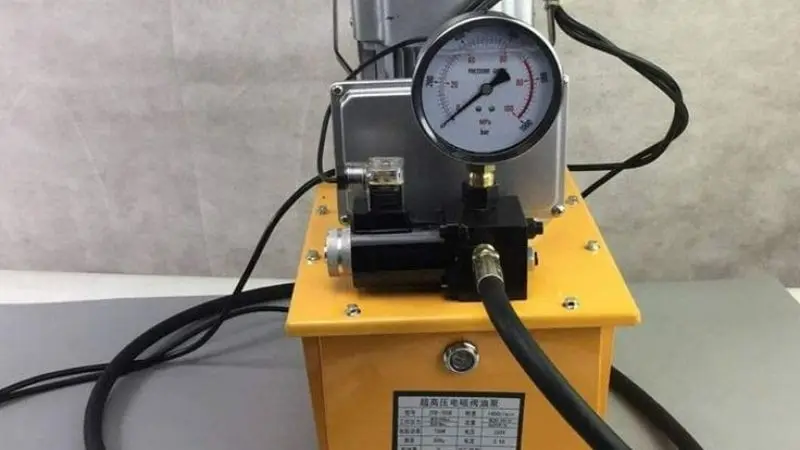
The VEVOR hydraulic pump converts mechanical energy into hydraulic energy. This conversion produces fluid pressure that drives equipment. Such pumps are used in workshops, garages, and manufacturing plants. They operate based on a very simple principle – pressurized fluid transfers force through the system. The hydraulic fluid is pumped from a tank into a cylinder or engine.
Recommended For Your Project
How Does a VEVOR Hydraulic Pump Work?
The hydraulic pump makes pressure by moving hydraulic fluid. An electric motor or manual lever drives this movement. The fluid goes through hoses into a cylinder. Inside the cylinder, the fluid pushes against a piston. This piston movement creates mechanical force at the output end.
How does a VEVOR hydraulic pump work? You control the electric-hydraulic pump using valves and switches. Directional valves decide where the fluid goes. Pressure relief valves protect the system from too much pressure. When you turn on the pump, fluid moves in one direction. Reversing the valve sends fluid back to the tank. This cycle repeats over and over during use.
Where Are VEVOR Hydraulic Pumps Used?
Auto repair shops use these pumps for lifting vehicles and equipment. Body shops use them to straighten frames and press panels. Construction crews use them to power hydraulic jacks and presses. Factories add them to production lines for clamping and forming jobs.
You also find these hydraulic pumps on farms. Farmers use them for equipment repair and heavy lifting. Metalworking shops use them for bending, punching, and cutting. Even home workshops can use them. A small model handles small jobs, such as pressing bearings or bending metal brackets.
Types of VEVOR Hydraulic Pumps
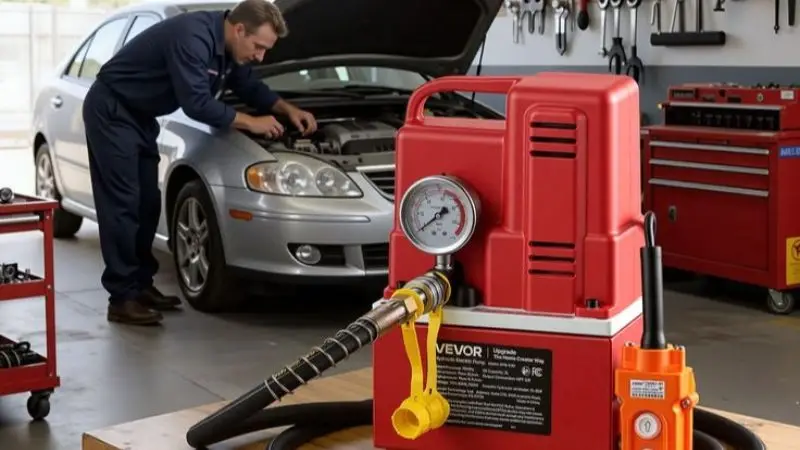
VEVOR makes two main kinds of pumps. Each kind fits different work settings. Knowing the difference helps you pick the right pump for your task.
VEVOR Hydraulic Electric Pump
How to use a VEVOR hydraulic pump? An electric hydraulic pump runs on regular power. You plug it in and push a button. The motor moves the hydraulic fluid on its own. This removes the need for physical effort. Electric models work best for high-volume jobs. Auto shops use them for repeated lifting.
Production lines depend on them for steady clamping cycles. The steady pressure makes these pumps reliable for precise work. The main downside is mobility. Electric pumps need a nearby power outlet. A fixed workstation rarely has this issue. The speed and steady output of an electric VEVOR hydraulic pump make it a workshop workhorse.
VEVOR Hydraulic Hand Pump
In a hydraulic pump, muscle force is applied rather than electricity. With the aid of a lever, pressure is built in the system. In each stroke, a bit of liquid flows into the system. Pressure will rise with more strokes until it reaches the required pressure. The portability of the hydraulic pump is the key feature here. It can be moved anywhere without being attached to any wires or sockets.
Hand pumps are usually kept in construction teams’ trucks for use when repairing on the spot. With a hand pump, precision can be easily achieved. One gets feedback in the form of resistance as pressure builds. This makes it easy to adjust the process.
Key Features of a VEVOR Hydraulic Pump
Motor Power and Performance
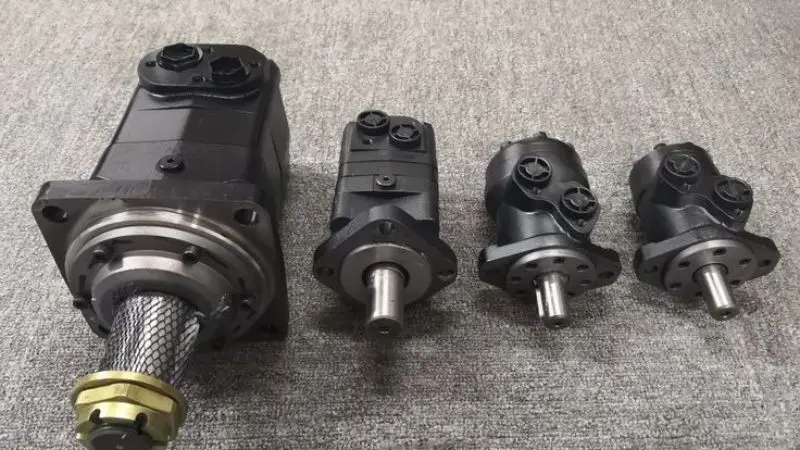
Motor power tells you how much work your hydraulic pump can do. Electric models come with ratings in horsepower or kilowatts. Higher ratings move fluid faster and create more pressure. A 2 HP motor works well for most shop jobs. A larger motor handles continuous industrial work without overheating.
How to wire a VEVOR hydraulic pump? The motor runs a gear or piston part inside the pump. This part pushes hydraulic fluid through the system. Pick motor power that matches your usual workload. A small motor strains during tough jobs. A big motor wastes energy and costs more money. Think about your hardest job when you choose power levels.
Hydraulic Flow Rate and Pressure
Flow rate shows how much fluid the hydraulic pump moves each minute. You will see this in gallons per minute or liters per minute. Higher flow rates fill cylinders faster. This speed means quicker cycles in production work. How to fill a VEVOR hydraulic pump with oil? Lower flow rates give you better control during careful tasks.
Pressure Rating indicates the maximum pressure the pump can generate. VEVOR models generally measure pressure in psi or bars. The required pressure depends on your cylinder size and the task to be performed. For example, the larger the cylinder, the lower the pressure required to generate equal force. Always take note of the flow rate and the pressure.
Oil Tank Capacity
This contains the hydraulic fluid in the system. Larger tanks hold more fluid and cool effectively. Prolonged operation will cause the fluid to heat up. This tank ensures stable temperature during prolonged operation. Small tanks are suitable for brief work and portable use
It is important to ensure that the size of your tank matches the cylinder size. With each extension of the cylinder, oil will be taken from the tank. When using multiple cylinders, more room is needed in the tank.
Voltage and Power Requirements
How to bleed a VEVOR hydraulic pump? Electric hydraulic pumps need the right power source. Most VEVOR models use standard home voltage. Some bigger units need three-phase industrial power. Check your workshop’s electrical setup before you buy. A pump that needs 220V will not run on a standard 110V outlet.
Think about the amperage draw too. The motor uses more current when it starts than when it runs. Your circuit breaker must handle this start-up surge. A separate circuit stops tripping during start-up.
Size and Port Connections
The hydraulic pump‘s size affects where you can put it. Measure your open space before you order. Small models fit under workbenches or inside tool cabinets. Bigger units need their own floor space or wall mounting.
Port connections join the pump to your hoses and cylinders. Most models use standard threads like NPT or BSP. Your hoses need matching fittings. Adapters can fix mismatched connections. Check that the port size matches your current hydraulic parts. This step stops leaks and connection problems. A VEVOR hydraulic pump with the right ports fits easily into your existing system.
How to Install a VEVOR Hydraulic Pump
Check the Pump and Hydraulic System
How to install a VEVOR hydraulic pump? Start the installation process with a complete inspection. Remove the hydraulic pump from its packaging and examine the housing for damage. Look for dents, cracks, or loose parts that may have occurred during shipping. Check the oil tank for any signs of leakage. Confirm that all bolts and fittings remain tight.
Verify that your power source matches the pump requirements. Check the voltage rating on the nameplate against the voltage of your workshop outlet. Confirm that your circuit breaker can handle the motor’s starting current. A dedicated circuit prevents tripping during startup. For hand pumps, skip this step entirely.
Inspect your hydraulic cylinders and hoses before connecting anything. Look for worn seals, cracked hoses, or damaged fittings. Replace any questionable components now. A small defect in one part can damage the entire system later. Clean all connection points with a lint-free cloth. Remove dirt and debris that could enter the fluid path.
Connect the Hydraulic Lines
Position the hydraulic pump close to your work area. Keep the distance between the pump and cylinder as short as practical. Longer hoses reduce pressure and slow response time. Place the pump on a stable, level surface. Secure it with mounting bolts if your model includes mounting holes.
Attach the pressure hose to the pump outlet port. Match the thread type on your hose fitting to the port. Most VEVOR hydraulic pump models use standard NPT threads. Apply thread sealant tape to the male threads. Wrap the tape clockwise for a proper seal. Tighten the fitting with a wrench, but avoid over-tightening.
Install the return hose to the port of the hydraulic pump‘s tank. This is used to transfer the liquid back to the reservoir at the end of each cycle. If you have double-acting pistons, install the second pressure hose to the port of advance. Make sure you have installed the correct hoses on each port. Otherwise, you will reverse the cylinder’s movement.
Conclusion
VEVOR hydraulic pumps are an excellent blend of reliability, durability, and affordability. With a VEVOR hydraulic pump, you get the best performance at a lower price than from leading manufacturers. They are functional, durable, and highly affordable. The VEVOR hydraulic pump makes tough tasks easy. Get tools like the professionals for a fraction of their cost.
Use the guidelines provided by the buying guide checklist. Choose the appropriate pump type based on your workspace conditions. Consider power, flow rate, pressure, tank capacity, and other factors when choosing a pump. Remember to check the voltage and port connections before buying. These tips will help you find the perfect VEVOR hydraulic pump for you.
FAQ
What kind of voltage is required by VEVOR electric pumps?
All VEVOR electric pumps require either home voltage or, in some cases, three-phase industrial voltage. Before buying one, make sure you check the outlet voltage in your workshop. Pumps requiring 220V won’t work with a standard 110V outlet.
Will a VEVOR pump work with cylinders of other brands?
Yes, it will work. Most VEVOR pumps have standard NPT or BSP threads, which match those of other brands’ cylinder connections. Just make sure that the port sizes match.
What kind of hydraulic oil should be used in a VEVOR pump?
See your owner’s manual to determine the exact type of oil required. Make sure you pour the oil into the tank slowly to eliminate air bubbles, as air reduces performance.
Should I use an electric or hand pump?
If you need a constant-pressure flow, an electric pump will be a good choice, while a hand pump will suit you better if you want portability.