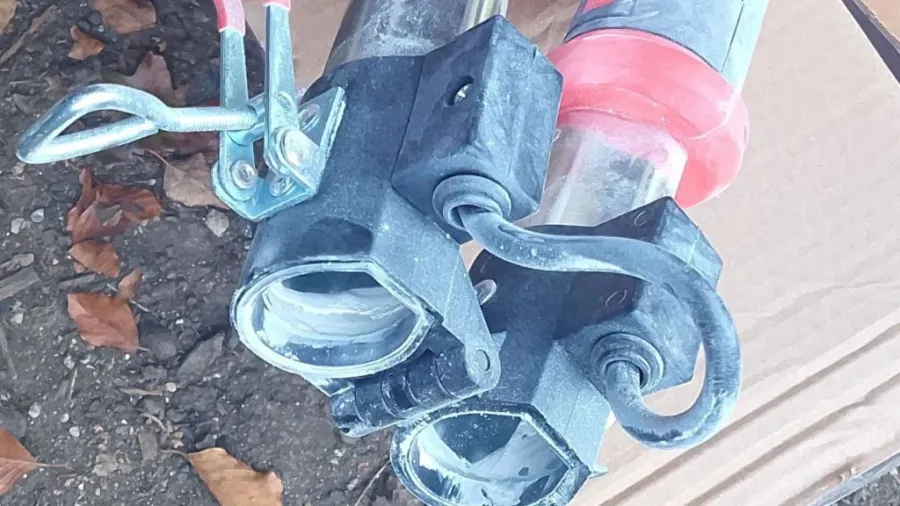
You taped the seams, spread the mud, and let it cure overnight. In flat light, the wall looks done. Then the first roll of paint goes on, and every ridge and swirl jumps out like a road map. Press too hard and you score the paper; feather too lightly and the joints still ghost through. A variable speed drywall sander closes that gap, letting you match the pad’s bite to the surface instead of fighting one fixed speed. Paired with a hands-on walkthrough on sanding walls smooth, this guide shows you how to choose one and set it up.
What A Variable Speed Drywall Sander Does
Speed is the setting that changes how a variable speed sander behaves against the wall. A variable speed drywall sander lets you turn the motor down for a light finishing pass or up for heavy stock removal, all from one adjustable sanding tool. Knowing what that dial controls makes every later choice easier.
How does a variable speed drywall sander improve the sanding process?
It improves the process by matching disc speed to the job, so you cut material fast where you need it and glide over finish coats without digging in. A single-speed machine forces one aggression level on every surface, while an adjustable speed sander lets soft joint compound and hard setting-type mud each get the right touch.
The same adjustable drywall sander that strips a seam can feather a skim coat a minute later. Slower variable speed sanding throws less dust and leaves fewer scratches, so there’s less to fix before primer. Put simply, an adjustable drywall sander turns a pass-or-fail guess into a two-second adjustment you make right on the wall.
3 Speed Zones On The Dial
Most adjustable speed sanders split their range into three working zones, and picking the right zone is the trick.
- Low, roughly 600 to 1,000 RPM, suits finish passes and soft compound.
- Mid, around 1,000 to 1,700 RPM, handles everyday seam smoothing.
- High, 1,700 RPM and up, knocks down heavy buildup or old texture.
Reading the drywall sander settings this way keeps you from running wide open on a delicate skim coat and tearing it. Good drywall speed control means the dial actually changes the cut, not just the motor’s pitch, so you set the zone first and fine-tune by feel as the compound hardens.
Most drywall sander settings are mid for seams and low for the final skim. Match those drywall sander settings to your grit, and an adjustable speed sander tracks the wall instead of chewing it. A quiet, responsive speed control sander holds a low RPM without bogging, which is exactly what the finish coat needs. A quick disc-by-disc technique refresher helps if you’re new to it, and the gear itself sits in the wider building materials range.
Fast Material Removal Vs Fine Finishing
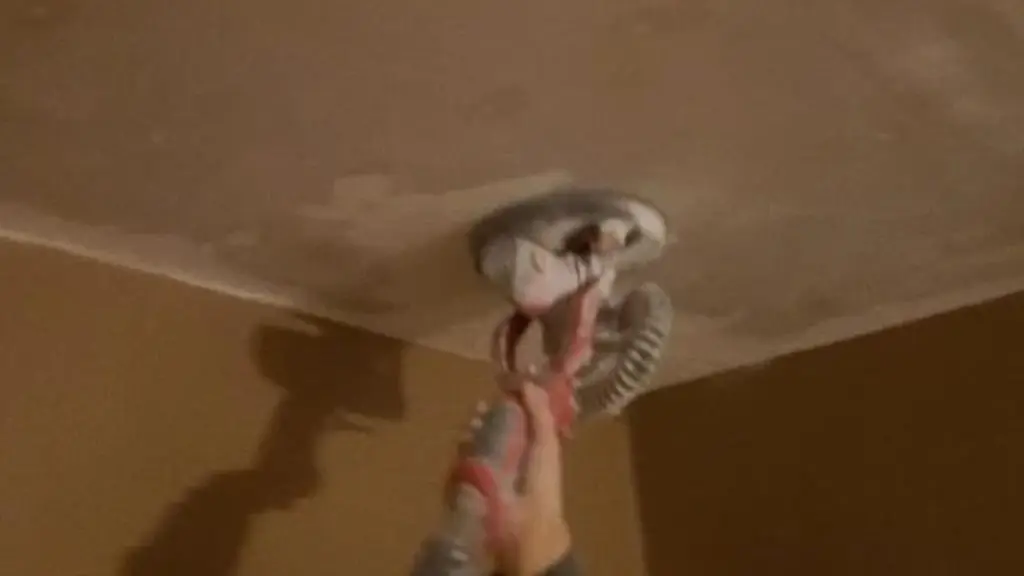
Not every pass has the same goal. Early on, you want to knock down ridges quickly; at the end, you want a glass-smooth face with no scratches. The speed you set, plus the grit on the pad, determines which one you get, and a variable speed drywall sander gives you both ends of that range.
Which drywall sanders are best for fast material removal vs fine finishing in the US?
For fast removal, run a higher-wattage variable speed wall sander at high RPM with a coarse 80 to 120 grit disc; for fine finishing, drop to low RPM with 180 to 240 grit. Most US buyers cover both jobs with one adjustable drywall sander by swapping speed and paper instead of owning two machines.
| Job | Speed zone (RPM) | Grit | What it’s for |
| Fast stock removal | High, ~1,700–2,300 | 80–120 | Heavy ridges, dried drips, old texture |
| Daily seam smoothing | Mid, ~1,000–1,700 | 120–150 | Leveling taped joints and screw heads |
| Fine finishing | Low, ~600–1,000 | 180–240 | Last pass before primer, no swirl |
| Example to consider | VEVOR 800W brushless drywall sander, 1,000–2,300 | 120–240 discs | One sander spanning removal to finish |
A wide RPM band lets a single speed control sander cover the whole table. Buy a narrow-range variable speed sander, and you’ll add a second machine for the finish work anyway. A broad-range adjustable drywall sander spares you that, and a well-built variable speed wall sander holds its torque even wide open.
A flexible mid-power pick like this 850W foldable sander with an LED strip and vacuum bag covers the mid-to-high range for most home jobs. Heavy demolition calls for a stronger variable speed wall sander near the top of its range, while the full drywall category shows how power and range scale up.
Get a Smooth, Paint-Ready Finish with Variable Speed Drywall Sander
Smooth finishing is less about power and more about restraint. The goal is a flat, scratch-free face that takes primer evenly across the whole wall. That comes from low speed, fine grit, and a light, steady hand, so a variable speed drywall sander you can hold at a crawl does most of the work.
What are the best drywall sanders for smooth finishing?
The best drywall sanders for smooth finishing is a variable speed sander you can genuinely run slow, paired with 180 to 220 grit and a soft interface pad, because low RPM keeps the disc from leaving swirl. An adjustable speed sander held in its lowest band gives the cleanest finish. A round-pad adjustable sanding tool with dust extraction leaves fewer scratches too, since loose grit doesn’t pack under the head.
| Finish stage | Grit | Speed zone | Setup note |
| First smoothing | 120–150 | Mid | Firm pad, light overlap |
| Pre-primer finish | 180–220 | Low | Soft interface pad cuts swirl |
| Touch-up and corners | 220–240 | Low | Small head or hand block |
| VEVOR example | Works to 240 grit | Low–mid | 850W, 800–1,750 RPM, LED shows scratches |
That LED detail matters more than it sounds: raking light across a low pass is how you catch a missed ridge before the paint does. A finish-focused 850W sander with a double-deck LED and 15 discs is built around that slow, clean pass. Used this way, an adjustable sanding tool beats brute speed, and a fine drywall speed control sander can turn a scoured wall into a scoured one.
A light touch plus a true speed control sander keeps the grit cutting, not skating. That same adjustable sanding tool, set to its lowest drywall speed control, is what pros reach for on the final coat. Keep variable speed sanding slow, lean on the step-by-step smoothing method, and the primer goes on even.
Best Drywall Sanders for Sanding Textured Walls Smooth
Textured walls change the job. Popcorn, knockdown, and orange-peel all sit proud of the surface, so you’re removing a layer, not just leveling seams. Speed control sander matters even more here because texture hides soft spots underneath.
Which drywall sanders are best for sanding textured walls smooth in the US?
For textured walls, the best pick is a higher-powered variable speed drywall sander with strong dust extraction, run at high RPM with coarse grit to cut the texture, then stepped down for the smoothing pass. Heavy popcorn is usually scraped or wetted off first, then a speed controlled sander flattens whatever’s left.
| Texture type | Start with | Speed/grit | Watch-out |
| Popcorn ceiling | Scrape or wet first | High, 60–80 | Test pre-1980 homes for asbestos |
| Knockdown | Sand high spots | Mid–high, 100–120 | Don’t flatten the pattern unless removing it |
| Orange peel | Light full-surface sand | Mid, 120–150 | Keep the head moving to avoid dishing |
| Skim-coat reset | Full sand to flat | High then low, 80→220 | Step through grits for a clean face |
Dust is the real hazard of texture work, so a drywall sanding machine with a vacuum port or sealed bag is worth more here than raw wattage. On a ceiling, variable speed sanding on a telescoping pole keeps you off the ladder, which is why pole-style electric drywall sanders suit overhead jobs.
For edges and corners the big head can’t reach, a dust-free drywall hand sander finishes cleanly, and for the final skim, a slow double-deck LED finish sander leaves the texture flat. A lighter drywall sanding machine also tires your arms less across a full ceiling, and a mid-weight drywall sanding machine with good balance is the sweet spot for overhead variable speed sanding. A smooth-running variable speed wall sander up top beats a heavy one that fights you.
Recommended For Your Project
Choosing A Drywall Sander For Home Renovation
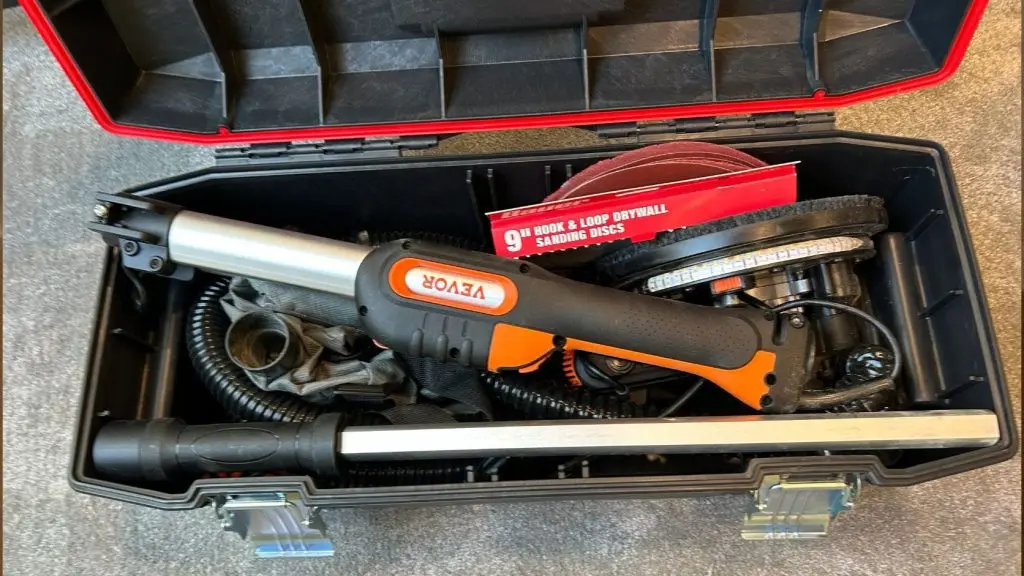
A full remodel asks more of a sander than a single patch does. You’ll run it for hours, reach ceilings, and switch between rough and fine work in the same afternoon. A few specs decide whether that’s comfortable or miserable.
What should I consider when choosing a drywall sander for home renovation?
Consider five things: motor power, variable speed range, dust collection, reach, and included discs. For a whole-house job, choose an adjustable sander with a wide RPM range and reliable speed control so you don’t end up repainting a dust-covered room. Steady drywall speed control matters as much as raw watts over a long remodel. VEVOR makes foldable models with a telescoping handle and a built-in vacuum bag that suit all-day work.
| Your situation | Prioritize | Suited setup |
| One-room patch and paint | Lightweight, simple dial | Compact variable speed sander, dust bag |
| Whole-house remodel | Wide RPM, dust port | Higher-watt drywall sanding machine, vacuum hose |
| Ceilings and high walls | Reach, balance | Foldable telescoping handle, mid-weight |
| Old textured home | Power and extraction | High-RPM adjustable drywall sander, strong suction |
Reach is the spec people forget. A foldable sander with a telescoping handle and six pads that sands a ceiling from the floor saves your shoulders on a long remodel. For all-day runs, the mid-power foldable sander with a vacuum bag balances weight against power well, and a lighter drywall sanding machine keeps you productive past lunch. The wider drywall tool category stocks the taping knives and mud pans that pair with it.
Before you buy, a full power-sander workflow guide is worth reading. Whatever the job size, one capable variable speed drywall sander handles the whole remodel: a slow-running variable speed wall sander sets the finish, and the right drywall sander settings determine how fast you get there. A responsive speed-control sander, dialed low, carries the last pass.
Conclusion
Flat, paint-ready walls come down to control, not muscle. A variable speed drywall sander lets you cut texture fast, level seams, and feather a finish coat with one machine. Match the speed to the surface, keep the dust collection running, and step to finer paper as you near the primer. An adjustable speed sander makes each move a quick turn of the dial, and the right drywall sander settings keep the variable speed sander cutting true. Size the power and RPM range to the job in front of you, and the wall comes out smooth the first time, not the third.
FAQs
What grit should I use to sand drywall?
Start around 120 grit to level seams, then finish with 180 to 220 for a paint-ready surface. Use coarse 80 grit only for heavy texture or dried drips. Going finer than 220 rarely helps and can burnish the compound.
Can a variable speed drywall sander remove popcorn ceilings?
Yes. Run it at high RPM with coarse grit after scraping or wetting off the bulk. Keep dust extraction connected, and in homes built before 1980, test the texture for asbestos before you sand anything.
Do I need dust collection when sanding drywall?
Yes, in almost every case. Gypsum dust is fine, spreads fast, and irritates the lungs. A vacuum hose or sealed dust bag keeps most of it out of the air and off the floor, which cuts cleanup sharply.
How do I avoid swirl marks on a finished wall?
Drop to low speed, use 180 to 220 grit, and keep the head moving with light, overlapping passes. Let the disc do the work; pressing hard or pausing in one spot is what leaves visible swirl behind.
Is a corded or cordless drywall sander better for big jobs?
Corded is usually better for large or all-day work because it delivers steady power without battery swaps. A cordless drywall sander wins for quick patches and spots with no outlet nearby or awkward access up high.