Few jobs wear you out like smoothing a ceiling by hand. Your arms burn, your neck aches from craning upward, and fine joint-compound dust drifts into your eyes. A good drywall ceiling sander fixes all three. It reaches the whole surface from the floor, pulls dust into a vacuum, and holds an even finish. This guide covers the main types of ceiling sanders, the features that matter overhead, and the picks that suit comfort, reach, and large jobs. The drywall sanders range shows the common designs, while a separate set of drywall sanding tips covers technique.
Understanding 5 Types Of Drywall Ceiling Sanders
Ceiling sanders are split into five designs, each built for a different mix of reach, weight, and dust control. Pick the type first, then the exact features. Here is how each one earns its place overhead.
1) Long-Reach Electric Drywall Sanders
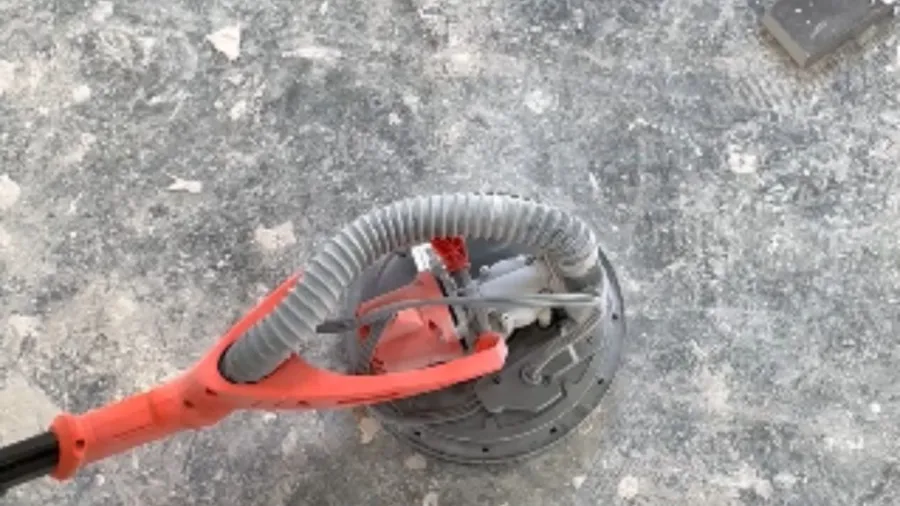
A long-reach electric model is the workhorse for ceilings. A spinning sanding head sits on a telescoping handle, so you cover a full room from the floor without a ladder. Motors run from about 700W to 1150W, with variable speed from 800 to 2300 RPM and a round pad around 8.5 to 9 inches. Most pull dust through a hose into a shop vac or a built-in bag, which keeps the air clear. The extendable pole makes a powered drywall ceiling sander the default choice for whole-room work, and most electric drywall sanders follow this pattern for popcorn removal. A full-size ceiling sanding machine like this clears a room faster than any handheld overhead drywall sander you could lift for long.
2) Manual Pole Sanders For Light Touch-Ups
A manual pole sander is a flat sanding head clamped to a long pole and worked by hand. No motor, no cord, no dust collection, just a screen or sheet you push across the drywall. It is slow over a big area, and the dust lands on you. For a small patch or a final knock-down pass, this ceiling sanding tool stays cheap, quiet, and easy to store in a crowded van. As a backup drywall ceiling tool, it beats no plan at all, yet it will not replace a powered ceiling drywall sander on a big room.
3) Handheld Orbital Sanders For Small Areas
A handheld random orbital sander suits small ceiling areas you can reach from a step stool. It is a palm tool with a round pad that spins and wobbles at once, cutting fast without leaving swirl marks. You carry the weight in your hand and stay up on a ladder, so it tires you out on a full ceiling. For repairs, closets, and short runs, it works well as a compact ceiling surface sander. Next to a true ceiling sanding machine, it is slower, but it slips into a toolbox.
4) Cordless Drywall Sanders
A cordless model drops the cord for a battery, so you roam a site without hunting for an outlet. Runtime is the trade-off, since a battery fades before a corded tool would. Many share the same pole and swivel head as corded versions, and a battery cordless drywall sander often carries a 7-speed motor. As a drywall overhead sander, it earns its keep where dragging a cord up a ladder is the real headache. For light drywall ceiling sanding between rooms, a cordless overhead drywall sander saves real time.
5) Dual-Head Sanders For Corners And Edges
A dual-head or articulating sander tilts and pivots to reach the wall-to-ceiling joint and the tight corners a single round pad skips. One head handles the broad field while the other angles into edges. It is the specialist of the group, and it pairs well with a main ceiling finishing sander rather than replacing it. Kept beside your main ceiling surface sander, a dual-head finishing head rounds out a full set of ceiling sanding equipment.
Side by side, the five designs line up like this:
| Sander Type | Best Overhead Use | Reach To Ceiling | Handling | Dust Control |
| Long-reach ceiling sanding machine | Whole rooms, popcorn | Floor with pole | Two hands | Hose or bag |
| Manual ceiling sanding tool | Small patches, final pass | Floor with pole | Light, slow | None |
| Handheld ceiling surface sander | Repairs, closets | Needs a ladder | One hand | Small bag |
| Cordless drywall overhead sander | Site touch-ups | Floor with pole | Light, battery limit | Onboard bag |
| Dual-head ceiling finishing sander | Corners, edges | Floor with pole | Moderate | Hose |
| Example:VEVOR 850W telescoping sander | Whole rooms | Floor with pole | Two hands | LED strip, vacuum bag |
How To Choose A Ceiling Drywall Sander
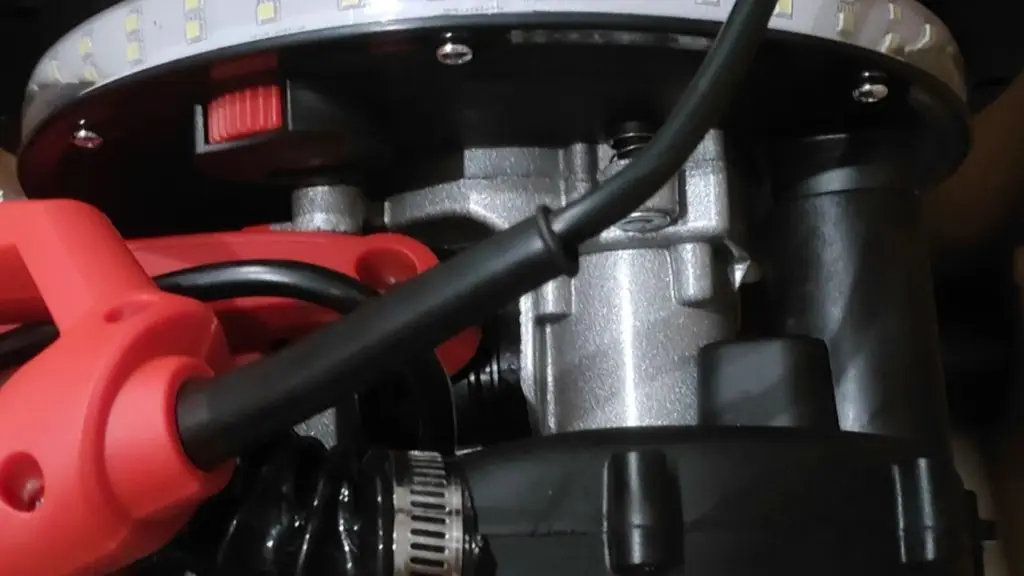
Once you have picked a type, three things decide comfort overhead: weight, dust control, and reach. Overhead work punishes a heavy tool fast. Get these right, and the job stops fighting you. Most drywall ceiling sanding comes down to these three, no matter the design, and the wider drywall category shows how the gear fits together.
What are the best lightweight drywall sanders for working overhead in the US?
The lightest real options are manual pole sanders and cordless palm sanders, with brushless electric models as the lightest powered pole option. Weight matters more here than on a wall, because the tool hangs over your head the whole time. If you are sanding a full ceiling and still want a light feel, a brushless electric drywall overhead sander balances low weight against real cutting speed. Browse the drywall hand sanders group for the lightest manual options.
| Category | Weight Feel Overhead | Reach Method | Best Lightweight Use |
| Manual ceiling sanding tool | Lightest | Pole | Small patches |
| Cordless drywall overhead sander | Light | Handheld or pole | Quick repairs |
| Brushless electric drywall ceiling sander | Light for powered | Telescoping pole | Full ceilings |
| Brushed electric ceiling drywall sander | Heaviest powered | Telescoping pole | Budget whole-room |
| Example: VEVOR 800W brushless sander | Light for powered | Extendable handle | Full ceilings |
Dust Collection For Overhead Sanding
Dust control matters more on a ceiling than anywhere else, because everything you sand falls straight toward your face. A hose that ties into a shop vac captures the most, often around 80 percent, through a 2-meter line and a brush ring around the pad. A built-in bag is simpler but fills fast. A bare manual drywall ceiling tool catches nothing.
Good ceiling sanding equipment treats dust as part of the design, not an add-on, which is why most drywall ceiling sanding today runs with an attached vacuum. Read the full drywall tools range to match a vac to your pad. A dust-ready drywall ceiling tool keeps the room livable, and the best vacuum drywall sander guide explains why suction wins overhead.
Which drywall sanders have notable drawbacks for overhead sanding jobs in the US?
Every type has a weak spot overhead. Heavy brushed sanders tire your arms; manual pole sanders are slow and throw dust; handheld orbital sanders force you onto a ladder; cordless models run down mid-ceiling. Match the drawback you can live with to your job, and the right ceiling drywall sander gets easier to spot.
| Sander Type | Main Overhead Drawback | Who Should Skip It |
| Heavy brushed ceiling sanding machine | Arm fatigue, bulk | Long solo ceilings |
| Manual ceiling sanding tool | Slow, no dust capture | Big or dusty jobs |
| Handheld ceiling surface sander | Needs a ladder | Tall ceilings |
| Cordless ceiling sanding equipment | Limited runtime | All-day pro work |
| No-vacuum drywall ceiling tool | Dust in the air | Occupied rooms |
Best Ceiling Sanders For Reach And Big Jobs
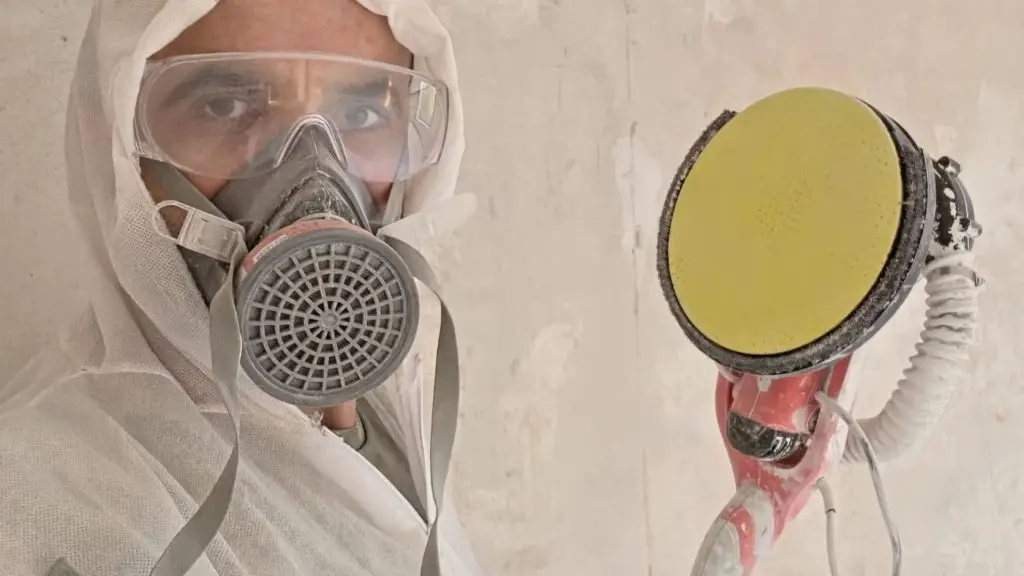
For high ceilings and large wall-and-ceiling jobs, reach and stamina win. A pole that extends past five feet keeps you off scaffolding, and a tool built for long runs will not quit at lunch. Two questions come up again and again, and the building materials catalog groups the gear for both. Whether you want an overhead drywall sander for one bedroom or a production ceiling drywall sander for a jobsite, the answer starts with reach.
What are the top-rated pole drywall sanders for reaching high ceilings without scaffolding in the US?
A telescoping electric pole sander wins for high ceilings without scaffolding. Its extendable handle adds roughly five to six feet of reach, enough to work a standard 9- to 12-foot ceiling from the floor. For stairwells or vaulted rooms, pair it with an add-on extension and keep both feet on the floor. This is the one job where a pole-mounted drywall ceiling sander beats every handheld rival, and a step-by-step look at sanding drywall with a power sander shows the reach in action. A pole-fed ceiling sanding machine with a vacuum, like the models in the best electric drywall sander with vacuum roundup, keeps you grounded and the floor clean.
| Pole Option | Reach Style | Power | Ladder Needed? |
| Telescoping electric drywall ceiling sander | Extends ~5-6 ft | Motor | No, most ceilings |
| Fixed-length manual ceiling sanding tool | Set length | Hand | Sometimes |
| Add-on extension ceiling finishing sander | Clamps on | Hand | No |
| Handheld ceiling surface sander | None | Motor | Yes |
| Example: VEVOR 1150W extendable sander | Extends with pole | Motor | No |
What are the best drywall sanders for sanding ceilings comfortably in the US?
For comfort, a brushless electric pole sander with a vacuum hose and a swiveling head is the easiest to live with: light, low-vibration, and nearly dust-free overhead. A swivel head lets the pad follow the ceiling so your wrists stay neutral. Contractors clearing whole houses come at it from the other side. Which drywall sanders do professionals recommend for finishing large wall and ceiling jobs in the US? Pros lean toward a higher-watt electric model with a long dust hose and variable speed, since it holds pace through a full day of drywall ceiling sanding without overheating. A 950W variable-speed ceiling sander is a common pick for that kind of production finishing.
| Use Case | Suited Sander | Key Comfort Feature | Reach |
| Overhead comfort | Brushless overhead drywall sander | Swivel head, low weight | Pole |
| Large wall + ceiling (pro) | High-watt drywall ceiling sander | Long hose, variable speed | Pole |
| Quick DIY touch-up | Manual ceiling finishing sander | Grab and go | Pole or hand |
| Occupied home | Vacuum ceiling sanding equipment | Strong dust capture | Pole |
| Example: VEVOR 900W wall smoother | Dual LED, collapsible | 3 vacuum tubes | Pole |
Recommended For Your Project
Conclusion
Picking a drywall ceiling sander comes down to how high you reach and how long you work. A manual pole or cordless drywall overhead sander handles quick patches; a telescoping electric drywall ceiling sander with a vacuum handles whole rooms and popcorn jobs; a dual-head ceiling finishing sander cleans the corners. Weigh reach, weight, and dust capture against your own ceilings, lean on the comparison tables above, and the choice gets simple. For deeper reading, the guide to sanding drywall for smooth walls walks through grit and finish.
FAQs
What grit should I use to sand a drywall ceiling?
Start at 120 to 150 grit to flatten high spots and ridges, then finish with 180 to 220 grit for a smooth, paint-ready surface. Anything coarser than 100 grit can tear the paper face.
Can I use a regular orbital sander on a ceiling?
Yes, for small areas you can reach from a stool. A palm orbital works for repairs and closets, but it has no pole, so it forces you up a ladder on a full ceiling and tires your arms quickly.
How do I keep dust down when sanding overhead?
Connect a vacuum hose to the sander and seal the room with plastic and tape. A pad shroud plus a shop vac catches most airborne dust, and a mask with goggles protects your lungs and eyes.
Do I need a vacuum with a drywall ceiling sander?
Not strictly, but it is worth it overhead. A vacuum system cuts the dust that would otherwise rain onto your face and floor, speeds cleanup, and lets you see your progress while you work.
How long does it take to sand a ceiling?
A single average room takes most people 30 to 60 minutes with a powered pole sander, plus setup and cleanup. Hand-sanding the same ceiling can take two to three times longer.