If you often clean small, precision engine parts like carburetors, fuel injectors, and valves, an ultrasonic washer is well worth the cost. It saves time, and cavitation removes hard deposits effectively. If you don’t clean huge greasy patches often, it may not be worth the investment. DIY mechanics should consider cleaning frequency, available space, and safety concerns before buying.
In this article, we’ll look at whether an ultrasonic parts washer is worth it for DIY mechanics and auto maintenance. We’ll also cover the pros, cleaning performance, pricing, and whether it’s the right choice for your engine-cleaning needs.
- Is an Ultrasonic Parts Washer Worth It for DIY Engine Repair?
- What Are the Key Benefits of an Ultrasonic Parts Washer?
- What Are the Limitations of Ultrasonic Parts Washers?
- How Much Does an Ultrasonic Parts Washer Cost?
- Mistakes to Avoid When Using an Ultrasonic Parts Washer
- Is an Ultrasonic Parts Washer Best for DIY Beginners?
Is an Ultrasonic Parts Washer Worth It for DIY Engine Repair?
An ultrasonic washer can save you time and effort cleaning engine parts, making maintenance less of a chore. But that depends on how often you clean small engine parts and the type of job you do.
Recommended For Your Project
When Is an Ultrasonic Parts Washer a Good Investment?
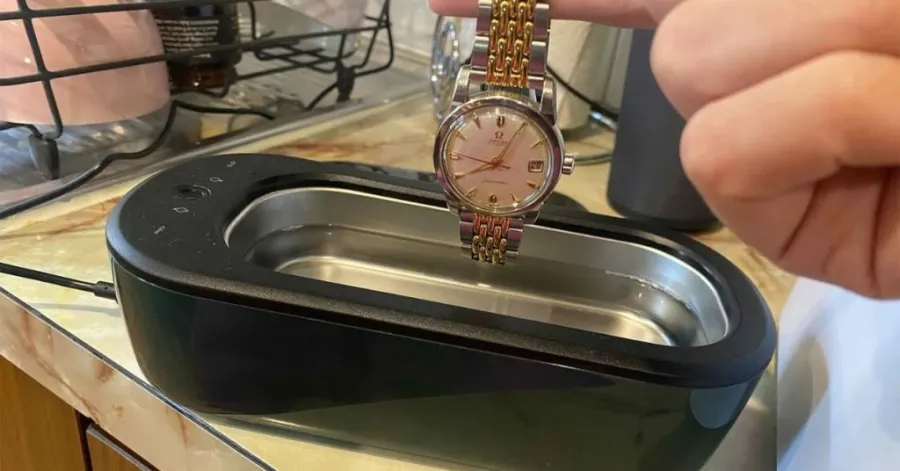
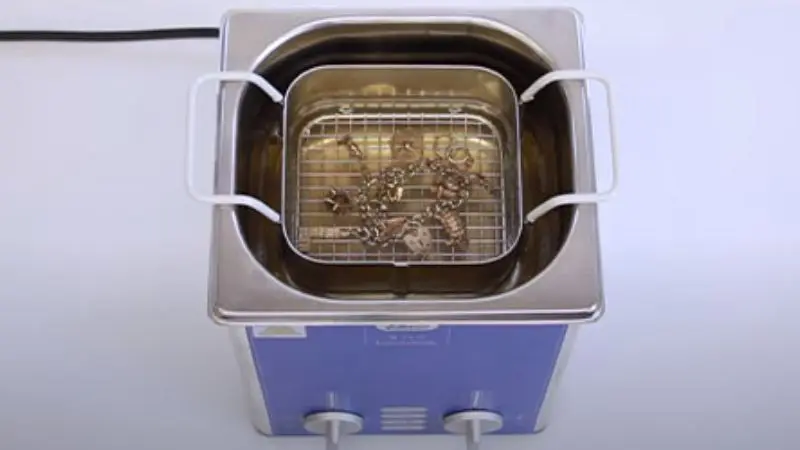
How does an ultrasonic parts washer work? An ultrasonic cleaner can be ideal for DIY mechanics who often clean carburetors, fuel injectors, and valves with tight passageways. Cavitation technology reaches tough spots brushes often miss and removes sticky deposits. Simply drop the parts into the tank, set the timer, and walk away while the cleaning happens. It saves time and labor on motorbike restoration and small engine repair. Ultrasonic washers can be a cost-effective way to tackle routine small-batch cleaning jobs (vs. commercial cleaning services).
When Is an Ultrasonic Parts Washer Not Worth the Cost?
How to use an ultrasonic parts washer? For large, greasy parts like engine blocks, gearbox casings, and intake manifolds, an ultrasonic cleaner may not be worth it. A pump-and-brush parts washer is more practical because these parts generally require heavy pre-cleaning. If you clean parts occasionally, it may not be worth the effort. They can be unpredictable and pose a fire risk. Budget units handle light oil and grime better than tenacious, baked-on carbon. Hand cleaning may be more practical and economical for large greasy pieces and occasional jobs.
Can an Ultrasonic Parts Washer Save Time and Money?
If you clean small engine parts regularly, an ultrasonic parts washer will save you time and effort. It uses cavitation to clean hard-to-reach passageways and detailed surfaces that are difficult to clean by hand. You can also clean several compatible parts at once, saving scrubbing and repetitive work. The economic benefits depend on how often you use it. The cost is justified by reduced labor for periodic carburetor rebuilds and small-engine maintenance. But for infrequent users, the reduced cleaning cost may not justify the purchase price.
What Are the Key Benefits of an Ultrasonic Parts Washer?
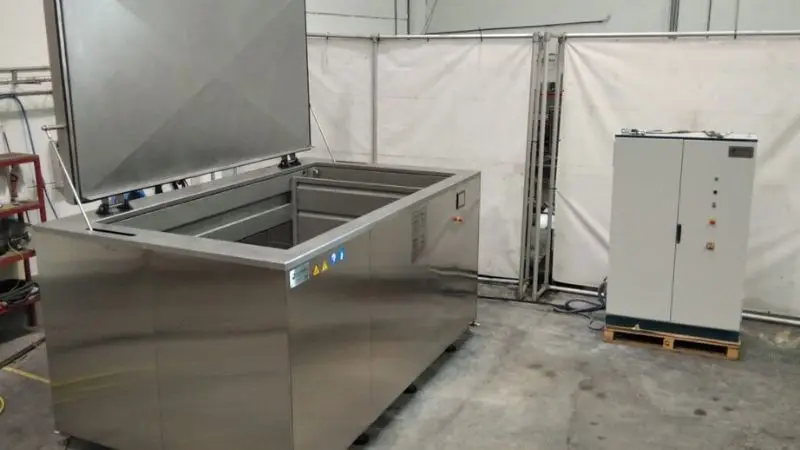
An ultrasonic washer effectively cleans complex engine components with less manual scrubbing. Its cleaning action removes tough deposits from tiny passages and complex surfaces, making it ideal for DIY technicians who regularly service carburetors, fuel injectors, and other minor engine components.
Deep Cleaning of Hard-to-Reach Areas
How to clean parts with an ultrasonic cleaner? The main advantage of an ultrasonic washer is its ability to reach areas brushes can’t easily access. Dirty deposits can build up in the tiny channels, blind holes, and intricate surfaces of carburetors, fuel injectors, and other engine components. Ultrasonic cleaning uses high-frequency sound waves to create tiny bubbles that gently lift contaminants from suitable surfaces. However, cleaning efficacy depends on the solution, temperature, cycle time, and contaminant type. As a result, ultrasonic cleaning is a strong option for removing tenacious soils from small, complex engine components.
Less Manual Scrubbing and Cleaning Time
How to use an ultrasonic parts washer? Hand-cleaning engine parts can be time-consuming, especially with caked-on grease and tight passages. An ultrasonic washer will do this job in a single cycle on many eligible parts. Engine rebuilds are an ideal time to work on other engine areas while it is open, saving precious time. Components may need pre-cleaning if they have heavy grease buildup, but they still need proper washing and drying afterward. This enables efficient, controlled routine engine maintenance.
More Consistent Cleaning Results
How does an ultrasonic parts washer work? Hand cleaning requires thorough scrubbing, and residues may remain in small channels or hard-to-reach areas. The right solution, loading procedure, and cycle settings mean ultrasonic washers clean more consistently. They clean hard-to-reach spots that are difficult to clean by hand. But don’t overfill the basket or pack the items too tightly, as this can reduce cleaning effectiveness. Follow the manufacturer’s instructions for reliable results, and change the settings depending on the components and pollution. A clean finish takes more than just turning the machine on.
Better Cleaning for Detailed Engine Components
Small engine parts often have grooves, recesses, and internal channels where dirt and stubborn deposits build up. With the right materials, the best ultrasonic parts washer can efficiently clean compatible carburetor parts, injector components, and metal valves. This removes residues that could mask wear or damage during inspection and reassembly. But not all the parts are safe to clean underwater. Always check with the manufacturer before cleaning electrical components, rubber seals, coated surfaces, or precision parts to avoid damage.
What Are the Limitations of Ultrasonic Parts Washers?
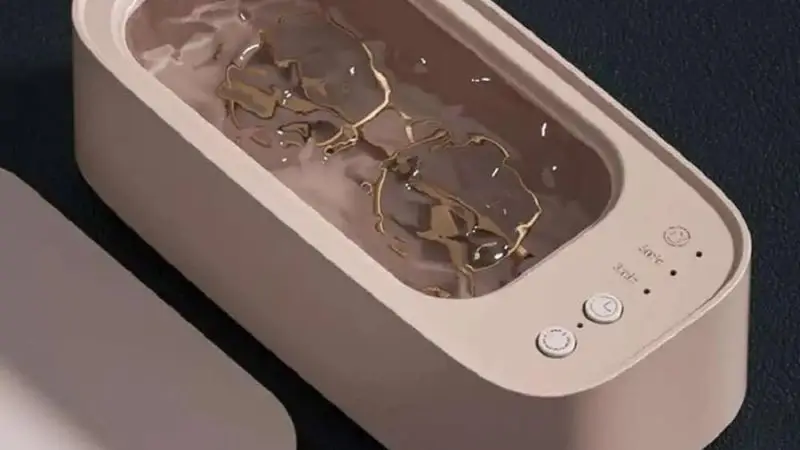
An ultrasonic parts washer for engine parts can be a good choice for cleaning many engine components, but it has drawbacks. Knowing what they can and cannot clean will help you choose the correct solution for each part.
They can’t remove every type of Dirt or Damage.
An ultrasonic parts washer for automotive parts is a terrific tool for removing dirt, oil, and deposits, but it can’t solve every cleaning difficulty. Alternative techniques or pre-cleaning are necessary for thick grease, baked-on residue, heavy scale, and solidified carbon. Results depend on cleaning solution, temperature, cycle time, and material. Ultrasonic cleaning can’t fix worn bearings, cracked housings, broken threads, or rusty metal. It removes impurities, not damage. After cleaning, check each part carefully and replace any that don’t meet the required criteria.
Not Every Engine Part Is Safe for Ultrasonic Cleaning
You can’t use ultrasonic cleaning on all engine parts. Cavitation, heat, or incompatible chemicals can destroy delicate coatings, plastics, rubber parts, bonded materials, and sensitive electronics. Use a suitable cleaning solution and adhere to the manufacturer’s cleaning instructions. Remove seals and electronics if required. If you are unsure about a part’s compatibility, use an approved manual cleaning method or consult a competent professional. Preserve fragile components. Improper cleaning can damage them and compromise costly engine components.
Tank Size Can Limit the Parts You Can Clean
How to clean parts with an ultrasonic cleaner? A tiny ultrasonic cleaner is ideal for carburetor parts, small valves, and other small engine parts. Larger components like intake manifolds and gearbox casings may not fit properly, resulting in inconsistent cleaning. Be aware that advertised tank capacities can be misleading. Look up the internal dimensions and usable basket area. Measure your average parts before you buy. Also consider loading, unloading, and storage requirements. Choose a size that handles your regular cleaning chores without paying for capacity you will never use. Larger tanks are more expensive.
How Much Does an Ultrasonic Parts Washer Cost?
Ultrasonic washers are available in different sizes and price ranges to suit various DIY needs. Understanding the features and capacity of smaller models can help you choose an affordable option for your home garage.
Small Ultrasonic Cleaners for Home Garages
How to use an ultrasonic parts washer? Small ultrasonic cleaners are a cheap way for DIY mechanics to clean carburetor parts, small fasteners, and various engine components. Most home repairs don’t require an industrial machine, so these are usually enough. Price depends on tank volume, cleaning power, heating features, controls, and build quality. Before you buy, check the usable basket dimensions to ensure the machine can handle your typical workload. Don’t choose a unit based on price alone. Find the right balance of cost, cleaning ability, and capacity for your regular engine maintenance routine.
Larger Ultrasonic Parts Washers for Engine Rebuilding
Larger ultrasonic parts washers for engine parts are for DIY technicians who rebuild engines often or want to clean multiple parts in one session. Their larger tanks hold more pieces, so you don’t need as many cleaning cycles. Some models also offer added warmth and configurable settings. But bigger machines cost more, take up more space, and may use more electricity. Always check the usable tank dimensions and the manufacturer’s cleaning recommendations before you buy. A smaller ultrasonic cleaner may make more sense if you only do occasional house repairs, but if you work on engines often, a larger machine may be worth the cost.
Mistakes to Avoid When Using an Ultrasonic Parts Washer
Using the wrong cleaning solution can reduce cleaning performance and damage parts or equipment. Safe, reliable ultrasonic cleaning depends on using the right cleaner and following the manufacturer’s safety recommendations.
Using the Wrong Cleaning Solution
How does an ultrasonic parts washer work? The key to ultrasonic cleaning and safeguarding your equipment is selecting the correct cleaning solution. Incompatible chemicals may corrode metals, coatings, plastics, seals, or the tank itself. Some solvents are flammable; vapours are flammable; equipment is flammable. Be sure to use an approved ultrasonic cleaner to clean the parts. Dilute and warm as per manufacturer. Don’t expect household detergents or heavy-duty degreasers to do the job. Read all safety guidelines before filling tank for safe, consistent cleaning performance.
Cleaning Delicate Parts Without Checking Compatibility
Not all parts of the engine can be cleaned using ultrasonic. Sensitive coatings, delicate metals, rubber seals, plastics and electronic assemblies can be damaged by cavitation, heat or chemicals. Refer to component manufacturer’s directions before cleaning. If necessary, remove any removable seals or electrical components. Do not attach components to the bottom of tank. Use the Right Basket. If unsure about compatibility, use an approved alternative cleaning procedure. This is a good way to protect sensitive parts and to avoid expensive damage during engine repair.
Is an Ultrasonic Parts Washer Best for DIY Beginners?
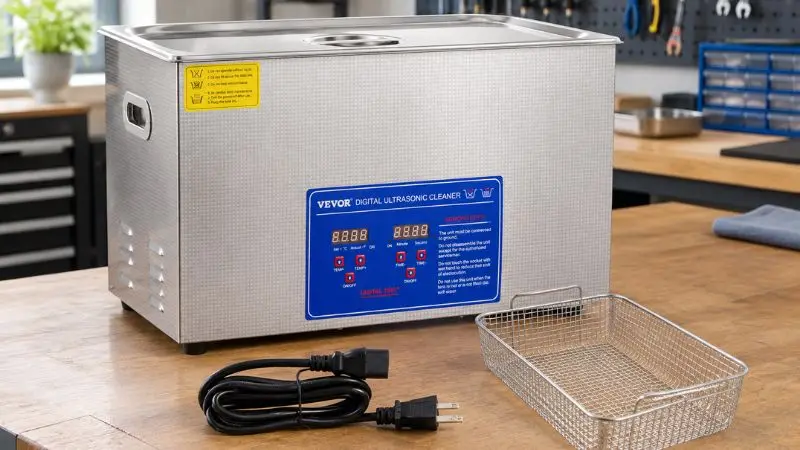
If you are new to this, the best ultrasonic parts washer can make cleaning small engine parts easier and reduce hand scrubbing. But before you use one, you need to know about compatible parts, the right cleaning solutions, and how to wash and dry thoroughly.
Benefits for First-Time DIY Mechanics
How to clean parts with an ultrasonic cleaner? Parts washers let beginners clean small engine parts with ultrasonic cleaning, so you don’t have to rub them by hand. They are good for carburetor service, minor rebuilds, and light engine restoration. Cleaning the parts allows you to inspect them before reassembly. Newbies need to know where to dip parts, what cleaning solutions to use, and how to rinse and dry them properly. An ultrasonic cleaner is not a substitute for repair manuals or investigation. Basic cleaning tools may be all you need to make a simple repair. If you think you will use it on future projects, consider buying a machine.
Benefits for Experienced Engine Rebuilders
More valuable to experienced engine rebuilders, since they’ll use an ultrasonic parts washer to clean a wide variety of automotive parts across several projects. If you work a lot with small engine parts, carburetors, and similar precision items, you’ll appreciate the time savings. A larger unit can also clean several batches in a single rebuild. But operators must know which cleaning solutions to choose, when to use them, and which sections need special care. Ultrasonic cleaning helps with preparation, but it’s no substitute for mechanical and dimensional inspection. Great for the professional shop or the daily DIY rebuilder.
Conclusion:
When choosing an ultrasonic parts washer, consider how often you clean carburetors, injectors, or valves, how much time you want to save, and whether a benchtop unit fits your space and budget. For minor engine parts you work on regularly, ultrasonic cleaning can be a handy tool, reducing manual scrubbing and the need to reach into tight passages. But cleaning a huge, very dirty area once may not be worth the cost. Consider the total cost, cleaning needs, and safety. If you do a lot of small-part work, especially carbs and injectors, an ultrasonic cleaner can be a worthwhile purchase.
FAQs
1. What are the best industrial ultrasonic cleaners for automotive parts cleaning (top 7)?
The top seven are CREWORKS 30L, VEVOR 30L, VEVOR 15L, DK SONIC 37L, VEVOR 50L, CREWORKS 22L, and ATO 20L. They suit a range of automotive cleaning applications, including carburetors, engine parts, tools, and metal surfaces.
2. What are the most cost-effective industrial ultrasonic cleaners for occasional use (top 10)?
Cost-effective ultrasonic cleaners are CREWORKS 3L, VEVOR 6L, CREWORKS 6L, VEVOR 10L, CREWORKS 10L, VEVOR 15L, ONEZILI 30L, VEVOR 22L, VEVOR 30L, and ATO 10L. These models differ in their ability to do ad hoc maintenance and small-batch cleaning.
3. What are the best industrial ultrasonic cleaners for removing grease and oil from parts (top 8)?
The top eight are CREWORKS 30L, VEVOR 30L, VEVOR 15L, DK SONIC 37L, VEVOR 50L, ONEZILI 30L, ATO 20L, and CREWORKS 22L ultrasonic cleaners. Heated cleaning and the right detergents help remove grease, oil, and stubborn workshop grime.
4. Which industrial ultrasonic cleaners offer the best value under $1,000 in the US (top 8)?
Compare these options: VEVOR 6L, CREWORKS 10L, VEVOR 10L, VEVOR 15L, VEVOR 22L, VEVOR 30L, ONEZILI 30L, and DK SONIC 37L ultrasonic cleaners. Check US prices, warranty details, shipping fees & specs before you buy.