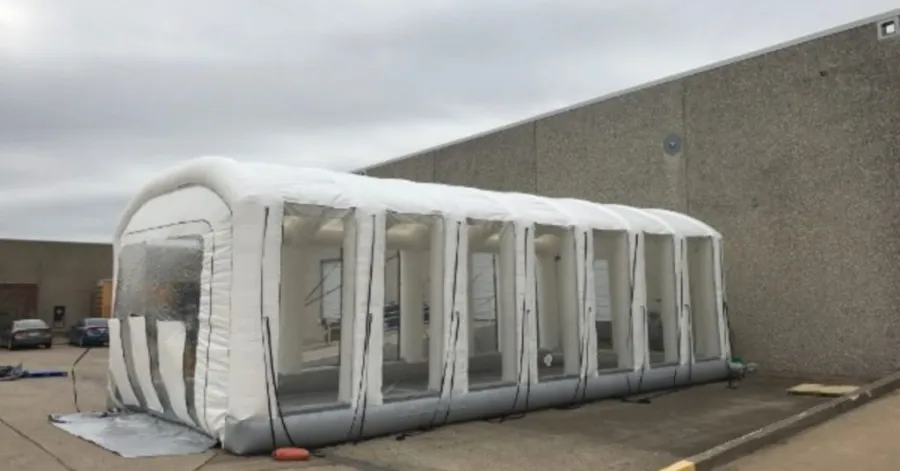
Buying your pop up paint booth is just the first step toward a flawless, professional finish. Patchy paint, dust, and uneven layers can ruin your results, but good prep helps prevent them. Start by choosing a good location and thoroughly preparing your work area. Good airflow, lighting, and dust management all affect paint quality. Before you pick up your spray gun, make sure your booth is clean, well positioned, and ready to deliver consistent, professional-looking results.
In this article, we’ll provide 10 practical suggestions to help you nail your next paint session. The most crucial step is choosing the right area and prepping it. You’ll achieve smoother finishes, less waste, and significantly fewer headaches.
10 Tips for Using a Pop Up Paint Booth Effectively
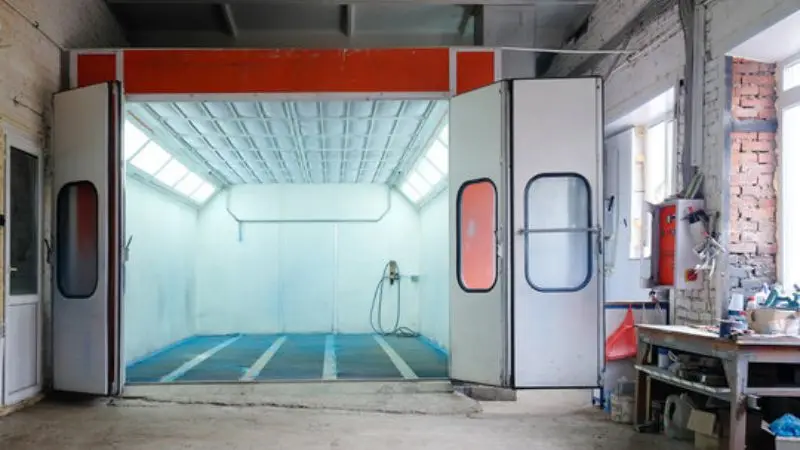
Choosing the correct booth size and style is the first step toward a smooth, professional paint finish. Consider your project size, available workspace, and how much room you need to move around the items you are painting.
Recommended For Your Project
1. Choose the Right Pop Up Paint Booth for Your Project
What is a pop up paint booth? Size is more important than most people realise. A narrow booth will not give you room to manoeuvre, and tight spaces can lead to uneven finishes and touching panels. You need at least 3 feet of walking space around your vehicle or parts. You also need enough headroom to spray the roof comfortably.
Check this table to match your project to the right dimensions.
| What You’re Painting | Minimum Booth (L x W x H) | Comfortable Booth |
| Parts, wheels, small furniture | 5 x 5 x 6 ft | 6 x 6 x 7 ft |
| Motorcycle / large furniture | 13 x 8 x 7 ft | 16 x 9 x 8 ft |
| Compact car | 23 x 13 x 8 ft | 26 x 15 x 9 ft |
| Full-size sedan/crossover | 26 x 15 x 9 ft | 30 x 16 x 9 ft |
| Truck / large SUV | 30 x 16 x 9 ft | 33 x 17 x 10 ft |
Several criteria go into selecting a booth, including project volume, project type, and your facility’s layout. What is the flow of air in your space? What kind of finish do you need? There are many variables to consider.
2. Set Up Your Paint Booth in a Suitable Location
How does a pop up paint booth work? For a smooth paint finish, find a place with stable temperature and humidity. Keep the temperature at 65–75 °F and relative humidity at 40–60%. This helps the coating cure properly and prevents problems such as dry spray, blushing, orange peel, and sagging. Keep your paint booth dust-free, wind-free, with doors closed and minimal traffic. Use an inflatable paint booth indoors or in a covered area. If working outside, secure it and check the weather. Keep aisles at least three feet clear around the booth, and follow all applicable safety requirements.
3. Ensure Proper Ventilation and Airflow
How to use a pop up paint booth? Good ventilation helps eliminate overspray and hazardous paint vapours and keeps your pop-up paint booth cleaner. Poor ventilation can let fumes build up, and dust or paint particles can settle on wet surfaces, damaging the final finish. Check filter positioning. Check intake/exhaust systems. Make sure the blower functions properly. Before each session, keep the air moving smoothly; strong drafts can interfere with spraying. Follow the manufacturer’s specifications for airflow and any applicable safety standards. Just because the blower is running doesn’t mean your booth is safe to spray.
4. Use High-Quality Paint Booth Filters
Filters are vital to attaining a clean, consistent paint finish. Intake filters catch airborne dust, and exhaust filters catch overspray before the air leaves your pop up paint booth. Choose filters that match your booth and painting needs, and check their airflow ratings, filtering efficiency, and compatibility with your equipment. Make sure each filter fits tightly, with no holes that would let unfiltered air through. Change filters as the manufacturer recommends and based on pressure readings, not just because they look dirty. Clean, well-fitted filters decrease pollution and improve the overall painting results.
5. Prepare the Surface Before Painting
How to set up a pop-up paint booth? The secret to a smooth, professional-looking paint job is preparing the surface. Even the best paint booth will not fix grease, rust, scratches, or loose paint. First, clean the surface with a suitable cleaner to remove dirt, oil and residue. Sand as specified by the coating manufacturer, then remove dust with an appropriate lint-free cloth or cleaning method. Apply primer as needed, and ensure each coat is properly dry/cured. Finally, in good light, examine the surface before spraying to avoid faults and rework.
6. Keep the Paint Booth Clean and Dust-Free
To get a smooth, professional finish, controlling dust is key. What is a pop up paint booth? A pop-up paint booth is a closed workspace, but you often need to clean it to prevent particles from sticking to wet paint. Before you begin painting, remove all excess tools, cartons and garbage. Use an environmentally safe hoover or cleaning method to clean the surrounding area. Be careful when cleaning booth surfaces, and don’t use compressed air to blow dust around. Spray after you have cleaned the floor and let airborne particulates settle. A clean work environment reduces contamination and helps you achieve more even painting results.
7. Wear Proper Safety Gear While Painting
When you spray, you can be exposed to airborne particles, solvents and poisonous compounds. Safe painting requires the right protective equipment. A pop up paint booth does not eliminate these risks. Use adequate protective gear, gloves and eye/face protection. Wear protective clothing and gloves. Use suitable respiratory protection as described in the paint safety data sheet and booth conditions. Some coatings, especially those containing isocyanates, may require a supplied-air respirator. Dust masks and ordinary cartridge-type respirators may not be sufficient. Don’t forget your health when you paint. Use the product according to label recommendations and as required by occupational safety requirements.
8. Control Temperature and Humidity for Better Results
How to store a pop up paint booth? Temperature and humidity are two crucial factors in getting a smooth, even paint job. Too much heat can cause solvents to evaporate too quickly, while cold conditions can slow curing and alter paint flow. High humidity can also cause moisture-related problems in some coatings. Check the manufacturer’s suggested temperature and humidity range before spraying. Use a thermometer and hygrometer to monitor conditions in your pop-up paint booth. Keep it away from direct sunlight, wet areas, and rapid temperature changes. Always use equipment certified for the spraying environment, and never place an average space heater near combustible paint vapours.
9. Follow the Right Painting Techniques
How to clean a pop up paint booth? Proper spray technique is key to an even, professional finish in your pop-up paint booth. Keep the spray gun at the manufacturer-recommended distance and move it over the surface. Make sure each pass overlaps evenly, so you don’t miss any spots. Pull the trigger and move. Don’t stop moving until you release the trigger. Otherwise, paint will accumulate. Use many light coats rather than one thick coat, allowing the specified flash-off and drying times between applications. Practice on a test panel when painting your project. A consistent technique improves coverage, reduces paint waste, and helps you avoid runs and streaks.
10. Clean, Dry, and Store Your Paint Booth Properly
How does a pop up paint booth work? Proper cleaning and storage can help prolong the life of your pop-up paint booth and prepare it for future projects. Follow the paint manufacturer’s ventilation recommendations after spraying, including any required time to clear before turning down equipment. When feasible, safely dispose of disposable items and rinse appropriate surfaces as indicated. Don’t wash reusable filters unless the manufacturer advises it. Allow the booth to dry thoroughly before folding. Check for damage to fabric, seams, zippers and frame. Keep all items in a cool, dry location away from sunshine, chemicals and sharp objects.
Common Mistakes to Avoid with a Pop Up Paint Booth
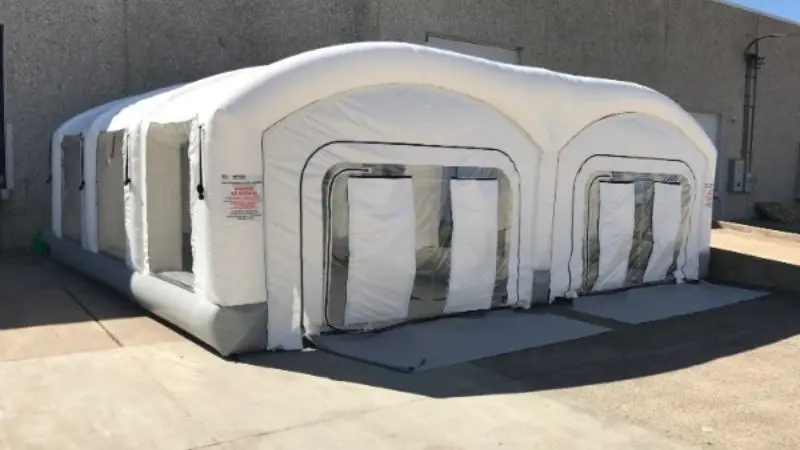
Proper ventilation and regular filter cleaning keep your pop-up paint booth clean and running smoothly. Ignoring these components can reduce airflow, increase contamination risk, and cause equipment to break down over time.
Don’t Skip Ventilation and Filter Care
How to use a pop up paint booth? Neglected ceiling filters disrupt airflow in your inflatable paint booth. Dirt and debris fall into the cabin and work their way into your wet paint, and clogged floor filters lead to motor failure and premature wear. The booth cannot extract air properly.
| Problem | Paint Defect |
| Clogged filters or poor airflow | Dust in the finish; uneven paint jobs |
| Bad intake filter | Extra dust in the cabin |
| Overspray buildup or filter neglect | Visible debris in the finish |
Putting the Booth in a Dusty or Windy Place
How to set up a pop up paint booth? Uneven airflow in your inflatable paint booth causes uneven paint drying and a spotty finish. Small airflow adjustments can cause problems, and you’ll have to refinish the entire booth. A vacuum is created by negative air pressure, which sucks dirt via drafts and destroys the coating. An air makeup device provides clean, filtered replacement air. It equalises pressure and decreases particles. It can also provide temperature-controlled air to accelerate curing. Keep your inflatable paint booth out of traffic, away from fans, and keep doors closed. A portable unit offers flexibility, but where you place it still matters.
Ignoring Ventilation and Filter Maintenance
How to clean a pop up paint booth? Inspect your pop-up paint booth filters before each use. If they become blocked, they hinder airflow, prevent overspray removal, and create harmful vapours. Look for damage, loose edges and significant build-up. Use appropriate monitoring procedures to verify airflow, and change filters at the manufacturer’s recommended intervals. Do not spray in poorly ventilated spaces. Stop and fix the problem before starting again to protect your finish and your safety.
How to Maintain a Pop Up Paint Booth for Long-Term Use
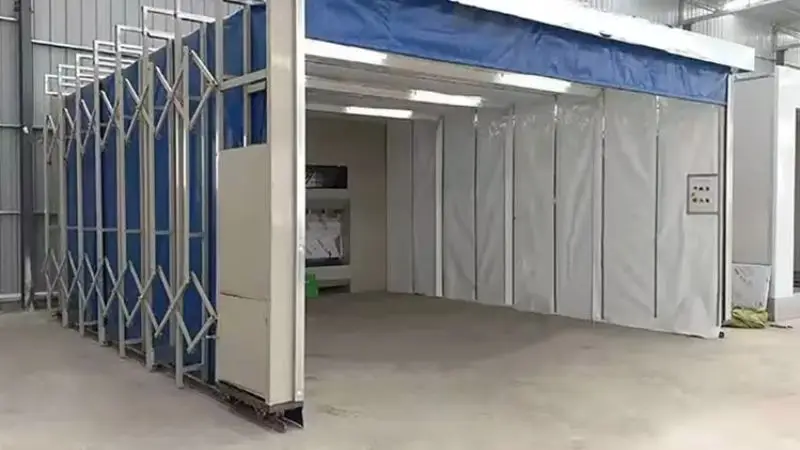
Regular maintenance keeps your pop-up paint booth in good shape and helps prevent problems that can affect paint quality. Regularly inspect the booth fabric and filtration systems to catch deterioration early and ensure reliable performance.
Inspect the Booth Fabric, Seams, and Zippers
How to store a pop up paint booth? Check the seams, zippers, and edges of your pop-up paint booth fabric for tears or weak points before each session. Patch small holes immediately with tape compatible with the booth material. Damaged filters can also cause poor filtration and taint painted surfaces. Fibreglass media can become brittle and shed particles. Ceiling filters can shed polyester fibres if they are not properly installed. Exhaust pads can tear, allowing air to bypass the filter. Regularly inspect fabric and filter condition to ensure optimal airflow, improve filtration, and prevent contamination of fan blades, ductwork, and painted parts.
Replace Dirty or Damaged Filters
How does a pop up paint booth work? Your air filter system needs regular attention. A filter can look clean but still be blocked by invisible overspray. Do not trust appearance alone. Rely on pressure-drop readings instead.
| Sign | Indicator / Replacement Criterion |
| Higher static pressure | Replace exhaust filters when the manometer reads 0.5 in. w.c. above the clean-filter baseline. |
| Invisible overspray blinding | A filter can look clean yet still be blocked by overspray; rely on pressure-drop readings, not appearance. |
| Exhaust filter lifespan reached | Fibreglass/polyester exhaust filters typically need replacement after about 50–100 spray hours. |
| Intake filter lifespan reached | Intake filters generally need replacement around 1,000–1,800 operating hours. |
| Reduced airflow/safety risk | Restricted filters reduce airflow, allowing flammable vapours to build up and undermining fire-suppression system design. |
Conclusion
These 10 principles can help you achieve smoother paint finishes, safer painting sessions, and a longer-lasting pop up paint booth. First, choose the right booth, location, and setup. Make the required preparations. When painting, ensure proper ventilation, maintain the filter, and keep airflow safe. Change filters as needed, and check the fabric for wear. Clean the booth after every session. You don’t have to alter everything at once. Next time, pick one thing to improve, like checking filters or avoiding drafts. A few small tweaks can make a big difference. Apply these methods consistently, and you will see greater results with every coat.
FAQs
1. Which inflatable paint booths are easiest to set up and take down for mobile use?
Inflatable paint booths with quick-inflation blowers, lightweight materials, and foldable designs are easiest to transport. Choose models with simple assembly, carrying bags, and quick deflation features.
2. Which inflatable paint booths have the best ventilation and filter systems?
Look for inflatable paint booths with powerful exhaust fans, replaceable intake and exhaust filters, and proper airflow. These features help remove paint fumes, overspray, and airborne particles.
3. Which inflatable paint booths provide the best dust control and clean finish for auto paint?
Choose booths with sealed walls, filtered air intake, and effective exhaust systems. These features reduce dust and airborne particles, helping create a smoother, cleaner automotive paint finish.
4. Which inflatable paint booths are best for outdoor use and how do they handle wind?
Outdoor inflatable paint booths with strong anchoring points, durable fabric, and secure tie-downs perform better in calm conditions. Avoid painting in strong winds, which can damage booths and affect finish quality.