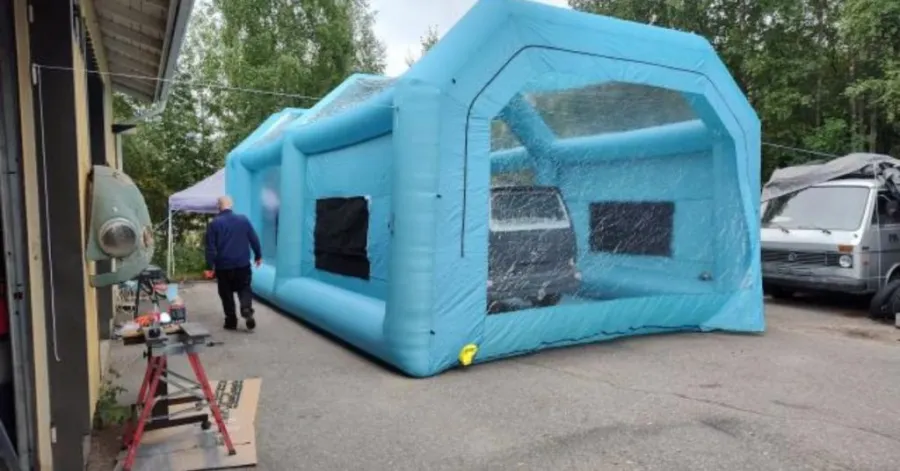
A portable paint booth is a temporary, enclosed area where you can spray paint without making permanent changes to your garage. It helps to limit overspray, reduce dust, and carry paint fumes away from the immediate work area. What is a portable paint booth? This is a portable enclosure for painting work that can be erected and stored away when the operation is over. For lesser work, a ready-made booth or a simple temporary set-up will suffice.
This post will cover supplies, garage prep, assembly processes, ventilation, and common challenges. It details the air-flowing method and how to use it properly.
What You Need to Set Up a Portable Paint Booth
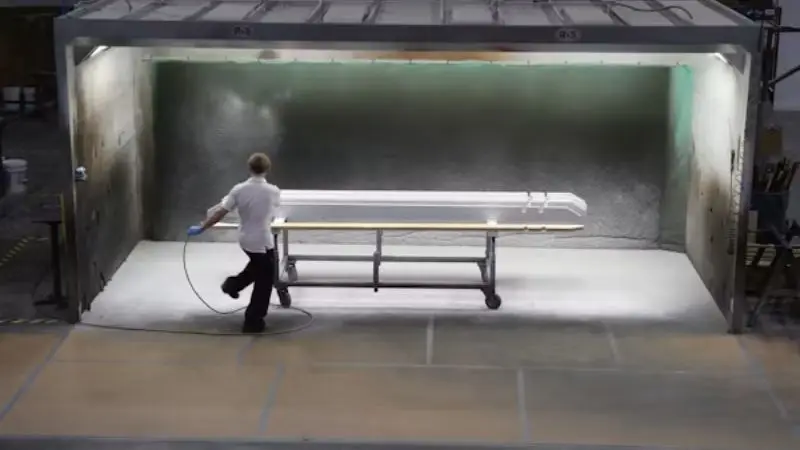
You should begin by requesting an enclosure that is suitable for the situation. A paint booth kit may include components such as a frame, cover, floor, door, and assembly hardware. These components may be included in the kit. It is important to select a size that gives you enough space to work around the subject of your shot.
Recommended For Your Project
Step 1: A Paint Booth That Is Portable
Having a place to live is the most important thing you need. A frame, cover, floor, door, and construction hardware are some of the components that may be included in a paint booth kit. This is contingent upon the manufacturer. Choose a size that allows you to walk around the item you wish to paint without creating any barriers to your movement.
Step 2: Ventilation and air filtration are performed
When there is adequate air circulation, scents and overspray will be carried away from the area where you are working. Use the appropriate filters for the intake and exhaust. Check to see that the fan is sufficiently large for the booth. Having a second air intake opening is beneficial for proper exhaust system operation. When learning how a paint booth operates, one of the most important concepts to master is airflow.
Step 3: Protective Gear
After you start spraying, make sure you have the mask and any other safety equipment you might need ready. Ensure that you adhere to the instructions that come with the paint or coating, as well as the tools that you are employing. You should make sure that your setup is safe before you start.
Step 4: Protecting the Floor
Use a plastic drop cloth to cover the floor of the booth or the garage. Drop cloths should be placed outside the work area to catch any paint that may drip or run off. To reduce the likelihood of someone tripping over rough edges, you should seal them.
Step 5: Assembly Supplies
Have the connectors, clips, tape, manufacturer’s instructions, and any other gear you need handy at hand. Check the list of parts before putting it together. Having everything ready speeds up the setup process and avoids the risk of being stopped.
How to Prepare Your Garage for a Portable Paint Booth
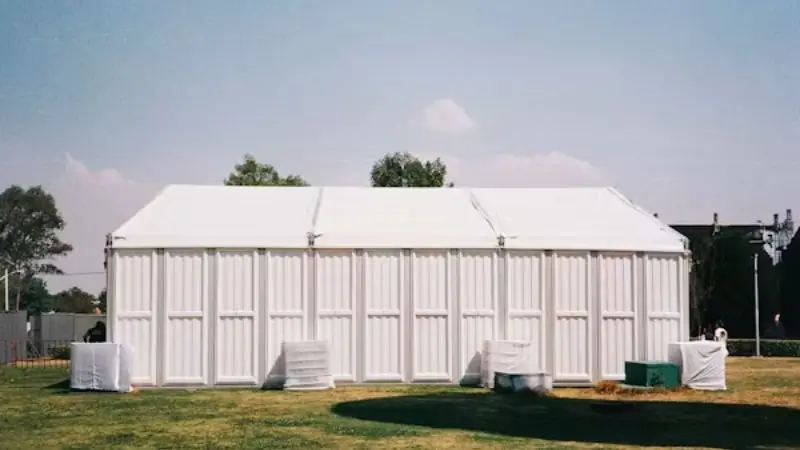
Before you begin assembling the booth, be sure to prepare your garage. A clean, well-measured space makes installation easier and provides you ample room to work safely. Get the location, space, cleanliness, and airflow right, then move on to the actual setup.
Step 1: Choose a Suitable Location
How to choose a portable paint booth starts with selecting the right location in your garage. Choose a smooth, level surface with adequate room for the booth, painting equipment, and to move around the enclosure. Keep the area free of furnaces, water heaters, sparks, and other potential ignition sources. Be sure that the placement permits you to route the ventilation safely.
Step 2: Measure the Available Space
Before you build the booth, measure the garage floor. Match the booth’s length, breadth, and height to the available space. Leave enough room around the structure to move and access easily. Make sure that doors, hoses, electrical cords, and ventilation equipment will not be blocked when the booth is completed.
Step 3: Clean and Clear the Garage
Clear the work area of vehicles, boxes, motorcycles, tools, and other clutter. Before setting up the booth, sweep and wipe the floor to reduce dust. Cover up neighboring shelves, walls, and surfaces with plastic to protect them from overspraying. A tidy workplace also makes it easier to move around while you paint.
Step 4: Plan the Airflow
How does a portable spray booth work? Air is sucked in through an intake aperture and flows across the work area to an exhaust point. Before assembly, determine the direction of the exhaust air and ensure that both apertures are free of obstructions. Ensure that no obstacles (walls, boxes, equipment, or other items) are blocking the ventilation passage.
How to Set Up a Portable Paint Booth in Your Garage
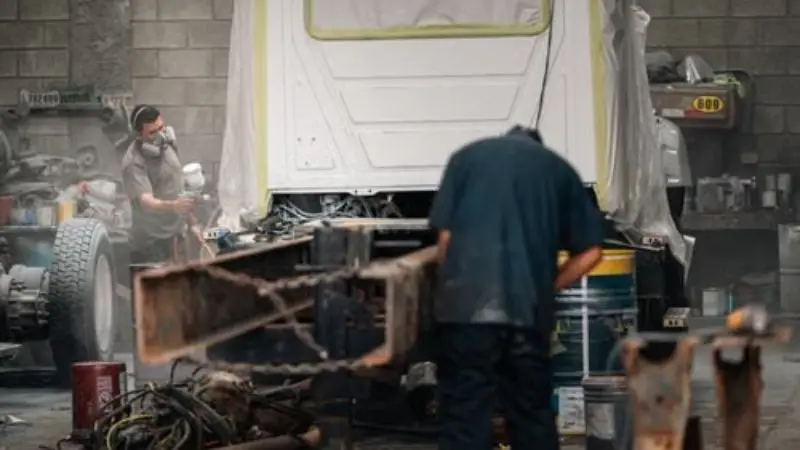
Step 1: Unpack and Inspect the Parts
First, you need to look at each component to understand set up a paint booth. The initial stage is to assemble all the parts, including the frame poles, connectors, cover, floor, and clips. Check the packing list to ensure that everything is in good condition and there are no signs of damage.
Step 2: Assemble the Frame
You need to join the frame poles according to the manufacturer’s instructions. Construct the parts on the ground before raising them into position, so far as is practical. Ensure that each connector is fully engaged in its position before moving on to the next stage.
Step 3: Attach the Cover
Spread the cover evenly across the structure and place it over the finished frame. Lock the edges, test the door and joints. If you want to make a quick enclosure, make sure the plastic sheeting is well secured, and the bottom edges are kept in place.
Step 4: Install the Floor Covering
Before starting the painting process, place the floor covering under the booth. Be sure it reaches across the whole work area. Secure loose sections so they do not shift when walking or bringing equipment inside.
Step 5: Set Up Ventilation
How does a portable paint booth work during spraying depends heavily on proper airflow. Make sure the inlet hole isn’t blocked by anything. Then place the exhaust system on the outlet you choose. Once you’ve installed the appropriate filters, make sure that the air is blowing where you want it to.
Step 6: Test the Airflow
Spraying should begin only when the ventilation system is turned on. Observe airflow near openings using a thin strip of tissue to determine direction. If there is insufficient air movement or it is blocked, correct the setup before starting the project.
Step 7: Inspect the Complete Booth
Again, check that the frame, cover, door, floor, filters, and ventilation connections are all in good order. Look for broken material, cracks, loose parts, or obstructed openings. It is useful to conduct a final inspection to identify any setup issues before painting begins.
Common Portable Paint Booth Problems and How to Fix Them
1: Too Much Clutter Around the Booth
A cluttered garage may become a dust trap, a tripping hazard, and an obstacle course. Clear stored goods away from the local area before setting up. Store only the tools and materials you need for the painting job nearby.
2: Blocked Air Intake
If the intake is obstructed, the amount of fresh air entering the enclosure can be restricted. Keep boxes, tools, and other things away from the opening. Regularly check the filter and replace it when necessary.
3: Weak Exhaust Airflow
How to use a portable paint booth includes checking the Ventilation System before spraying. Inadequate airflow might be caused by an improper fan, a dirty filter, or a blocked exhaust path. If air is not moving adequately, check these places.
4: Dust Inside the Booth
Dust settling on the wet paint can affect the finished surface. Wipe off the inside of the booth and tidy the garage before you set up. Make sure any unnecessary materials are kept outside the cage while you are working.
5: Loose Frame Connections
Loose connectors can cause instability in the structure. When assembling the components, be sure to check each joint and tighten or reseat it according to the manufacturer’s directions. Do not continue to use structural sections that have been damaged.
6: Choosing the Wrong Size
How to choose a portable paint booth depends partly on the size of your project and available garage space. You may find it difficult to walk around in a booth that is too small, and a larger model may not fit properly in the garage.
7: Poor Airflow Planning
How does a portable paint booth work when the exhaust and intake channels are unobstructed? Do not place the booth directly against a wall or cover the fan with stored items. Keep adequate clearance around ventilation apertures.
8: Homemade Booth Problems
How to build a portable paint booth requires a plan for the frame, enclosure, ventilation, and floor protection. Each part must work together. In an improvised building, there should be no unstable portions or obstructed airflow routes.
9: Incorrect Materials
The first step in developing a paint booth is to choose materials suitable for the proposed layout. It is important that the enclosure is stable, provides sufficient working space, and allows the ventilation system to operate properly.
10: Unclear Operating Procedure
How to use a portable paint booth starts with reviewing the enclosure and ventilation requirements before commencing each project. It is vital to check the floor covering, openings, filters, and the surrounding area. Be sure you follow the instructions that come with the painting tools and the booth.
11: Difficult Assembly
How to set up a portable paint booth becomes easier when the parts are sorted before assembly. First, separate poles, connectors, clips, and coverings. Never force pieces together. Follow the manufacturer’s order.
12: Choosing Between Options
When comparing different designs, it is more important to evaluate a paint booth. Consider size, airflow, filtration, setup time, storage space, and what kind of jobs you’ll be undertaking.
Conclusion:
A portable paint booth is a good temporary work area for spray painting in a garage. The first thing would be to clear the area, measure the available space, and plan the intake and exhaust pipes. Then build the frame, caulk the floor, hang the cover, put in the filters, and check the airflow. How to use a portable paint booth, follow the equipment instructions and maintain a clean work environment. If you decide to use a ready-made model, compare its size and features with your project needs. Plan your setup to ensure it is secure and that you have adequate ventilation before you begin spraying. Prep is the secret to a cleaner, more controlled painting area.
FAQs:
What are the best inflatable paint booths for cars?
Some of the most popular choices include VEVOR, Sewinfla, and GORILLASPRO. Look for blowers that are solid, replaceable filters, long-lasting fabric, and sufficient space.
What is a portable paint booth?
In this enclosed room, there is a temporary workspace for painting. Controlling overspray, dust, and paint fumes is made easier by this.
Which inflatable paint booths are easiest to set up?
After use, VEVOR and similar models can be swiftly inflated and stored away. If you want to set up a paint booth, follow the directions that come with the model.
What are the best inflatable booths for small garages?
Compact models are ideal for use with smaller cars and components. Although larger booths require more floor space, they provide more room for full-size vehicles.
How does a portable paint booth work?
Through the intake, clean air is drawn in, while contaminated air is directed to the exhaust. Dust and overspray can be reduced with proper filtration.
How to choose a portable paint booth?
Choose a booth based on your available space, project size, ventilation needs, and filtration system. Make sure it fits your garage and painting requirements.