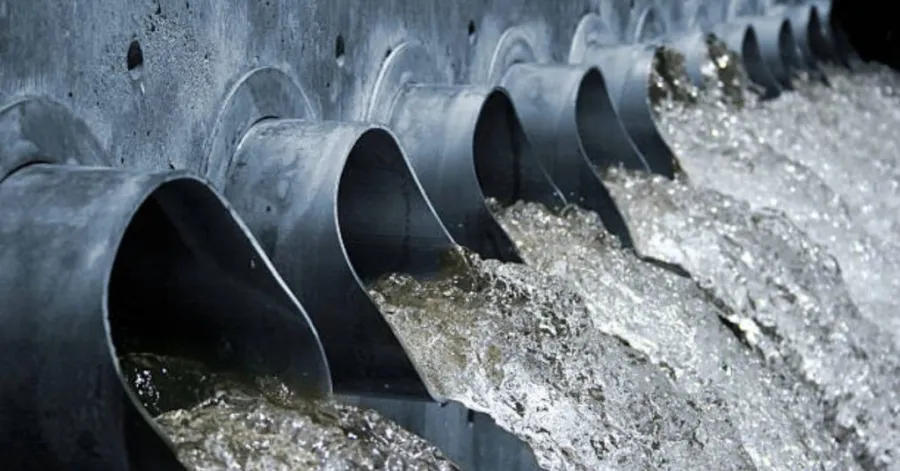
You may encounter different mixes of sewage systems, such as “combined,” “separate,” and “partially separate” sewage systems. The objective of a sewage system is to remove contaminated water and rainwater from residential areas and public spaces. Knowing the certain types of sewerage systems will help ensure your house and neighborhood are safe. Many households connect to a public wastewater system; however, some connect to a low-pressure sewerage system. Whatever form of sewerage system is used, it is necessary to have efficient sewerage and wastewater collection systems to maintain clean water and promote a healthier environment.
In this article, we will explain the different types of sewage systems and how each one manages wastewater and stormwater. You’ll learn the differences between combined, separate, partially separate, and low-pressure sewer systems, helping you better understand how they protect public health, support efficient wastewater management, and keep communities clean.
Table of Contents
What Is a Sewerage System?
Recommended For Your Project
Here is a simple table that shows how a sewerage system works:
| Step | What Happens |
| Collection | Sewerage comes from homes and streets. |
| Transportation | Pipes carry sewerage to treatment. |
| Wastewater Treatment | Plants clean the water. |
| Disposal | Clean water goes back to nature. |
Types of Sewerage System
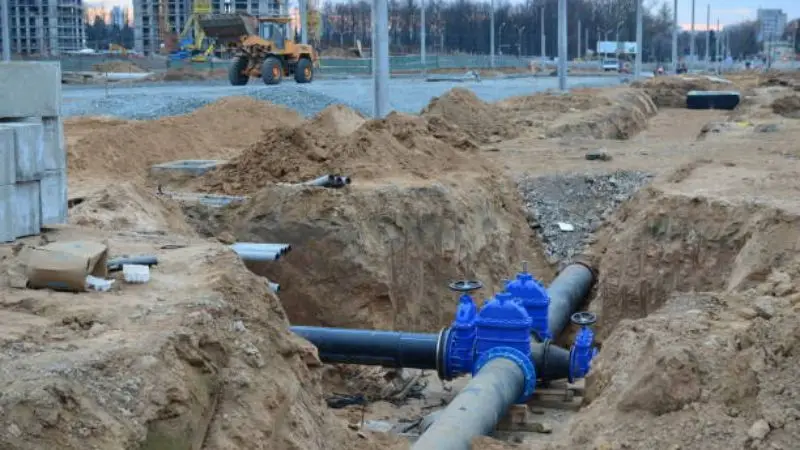
In your community, there are different types of sewerage systems. They each work differently. It is good to know how they manage filthy water and rainwater. Let us study the main forms of sewerage systems.
Connected Sewerage System
The types of sewage collection systems is a single pipe system for both wastewater and rainwater. You see these pipes all the time in older cities. When you flush your toilet or wash dishes, the dirty water mixes with rainwater from the street. All the water is carried to a treatment plant in a connected sewerage system. If it rains a lot, the pipes may overflow. That’s termed a combined sewer overflow. You may see floods. You may see water flowing back up.” Combined sewers can lead to pollution if untreated wastewater flows into rivers. Watch for overflow notices following storms.
Here is a simple table showing how a connected sewerage system works:
| System Type | What It Carries | Overflow Risk |
| Combined Sewerage System | Sewerage + Rainwater | High |
Different Sewerage System
A separate sewerage system consists of two pipelines. One pipe carries unclean water from houses. The other pipe is for rainwater. You see these pipes throughout the new developments. The pipes separate unclean water from rainwater. This prevents pollution. With this system, you do not have combined sewer overflows. The pipelines carry the polluted water to a treatment plant. Rainwater goes to lakes or rivers. You want to keep the pipes clear so they don’t get clogged.
Partially Different Sewerage System
Part of both systems is utilized for a somewhat partially separate sewerage system. There is a drain pipe for unclean water. Rainwater from the roofs enters through another pipe. Street rainwater may still combine with unclean water. This method helps minimize the chances of combined sewer overflow. Check whether this system is in use in your area. It helps you understand the flow of wastewater and rainwater.
Categories of Sewerage Systems Based on Wastewater
Your town has a classification of sewerage systems. Each has its own way of looking at wastewater. It is crucial to understand how these systems operate. This helps keep your house and neighborhood secure.
Sanitary Sewer System
What are the types of sewerage systems? Sanitary sewers carry wastewater from houses, schools, and stores. You use them to wash the dishes or to flush the toilet. Water is transported to treatment plants via the sanitary sewer system. These plants filter the water before it flows into rivers or lakes. Sanitary sewers do not carry stormwater. Most neighborhoods have residences on sanitary sewers. Many towns have gravity-fed sewerage systems to carry wastewater downhill. In some localities, an effluent sewer system is used when the soil is not suitable. Sanitary sewers help protect our drinking water by carrying away polluted water.
Stormwater Sewer System
Storm sewers carry rainfall from streets, parking lots, and yards. The types of sewage collection systems help minimize flooding by quickly conveying water. You can observe storm sewers along curbs or in parks. Storm drains do not convey polluted water from dwellings. They only take rainwater and snowmelt. Most storm drains transport water downhill by gravity. The storm sewer system prevents water damage to your neighborhood. You should keep leaves and rubbish out of storm sewers. Storm sewers help keep roadways safe during heavy rain.
| Sewerage System Type | What It Carries | Where It Goes |
| Sanitary sewers | Dirty water | Wastewater treatment |
| Storm sewers | Rainwater | Rivers or lakes |
Industrial Sewer System
An industrial sewage system collects wastewater from manufacturers and enterprises. People create products or use chemicals in industrial sewage. The industrial partially separate sewerage system discharges unclean water into dedicated treatment plants. These plants use sophisticated treatment to clean the water. The industrial sewerage system serves to keep rivers and lakes free of pollution. You must comply with guidelines for industrial wastewater to safeguard the environment.
-
- There are three primary types of sewage systems: sanitary sewers, storm sewers, and industrial sewerage systems.
-
- Each one helps keep your community clean.
-
- You can help by learning about sewerage and keeping the pipes free.
Comparison of Different Types of Sewerage System
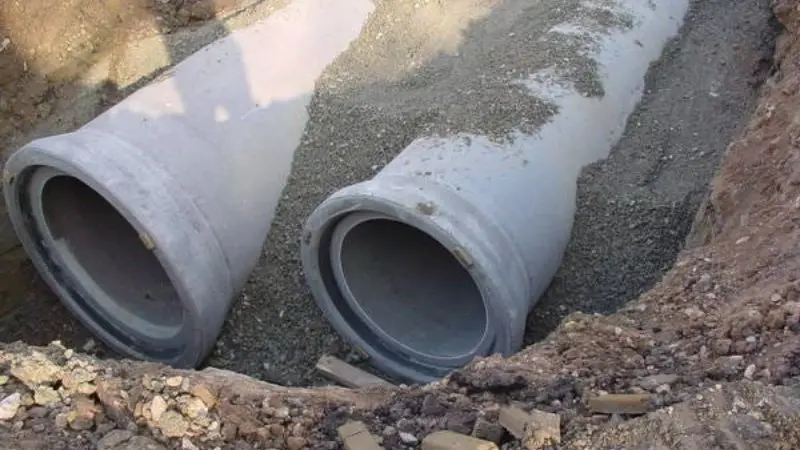
Differences Between Common Sewer Systems
What are the types of sewerage system? Cities and towns use different designs of sewerage systems. In each sewerage system, filthy water and rainwater are treated separately. It is very vital to know how each sewerage system functions. This helps keep your house safe and your community clean.
Connected Sewerage System: One pipe for sewerage and rainwater. You see these sewerage systems in old places. When it rains, the pipes can back up. Dirty water and rainwater get mixed. Sending water to rivers without cleaning it first can lead to pollution. A sewerage system has two pipelines. One pipe carries sewerage from houses. The other pipe is for rainwater. This is a sewerage system found in modern neighborhoods. You don’t mix dirty water with rainwater. This system helps protect our rivers and lakes. This sewerage system doesn’t have overflow problems so much.
The partially independent sewer system has elements of both systems. One pipe carries sewerage from houses. Another pipe carries rainfall from the roof. Rainwater from streets may still be mixed with sewage. You see this sewerage system in places that want fewer overflows but can’t totally segregate all pipes. Sewerage systems reduce the risk of contamination but do not eliminate it.
Comparison Table
Here is a simple table to help you compare each sewerage system:
| Sewerage System Type | What It Carries | Overflow Risk | Pollution Risk | Wastewater Treatment Needed |
| Combined | Sewerage + Rainwater | High | High | Yes. |
| Separate | Sewerage (one pipe), rainwater (another pipe) | Low | Low | Yes. |
| Partially Separate | Sewerage, Rainwater (roofs separate, streets mixed) | Medium | Medium | Yes. |
This table explains how different types of sewerage systems work. Combined sewers are the most vulnerable to overflow and contamination. The sewerage system is best for protecting water. The middle is the partly independent sewerage system. You need to keep your sewerage system clear and get it checked often for problems.
Advantages of Different Types of Sewerage System
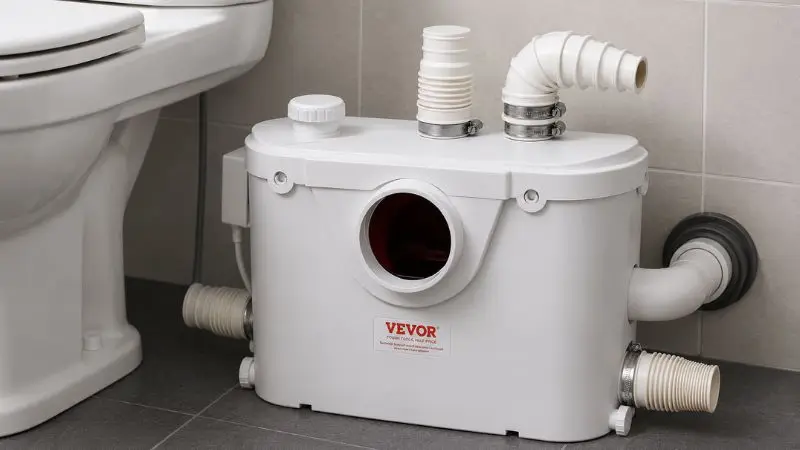
Environmental Benefits
The correct sewerage system benefits nature. Modern sewage systems protect lakes and streams from unclean water. Your town is less dirty. A sewerage system keeps rain and sewerage separate. This classification of sewerage systems makes natural water cleaner. In some towns, a vacuum sewerage system quickly moves the wastewater. This system uses less water and less energy. Some sewerage systems can even reuse water for gardens or parks. Cleaner Water Helps Healthy Animals and Plants
Public Health Benefits
A good combined sewerage system makes people healthier. Away with you, sewerage, from our dwellings! Then you escape diseases and nasty smells. Such a system reduces the risks of falling ill from contaminated water. Separate from the stormwater system, a sewerage system carries sewage to treatment plants. The plants clean the water before it is returned to nature. In some regions, a vacuum sewerage system prevents spills and leaks. This makes the streets safer and the air cleaner. Kids can play outside free of anxiety. Your family is protected from dangerous microorganisms.
-
- Clean sewerage systems ensure safe drinking water.
-
- You don’t have floods or sewage pouring back into your house.
-
- You keep everybody in your community healthy.
Cost and Maintenance Benefits
A proper sewerage system is a money-saver for you. A good sewerage system breaks down less. That’s less money to fix pipelines and clean up spills. Some methods, such as the vacuum sewerage system, use smaller pipes and need less digging. So it is cheaper to build. Plus, you use less water, which reduces expenses. “Looking after your sewerage system means you avoid big problems down the line. Regular checking and cleaning often make different types of sewerage systems last longer.
| Sewerage System Type | Cost to Build | Maintenance Needs | Water Use |
| Combined | High | High | High |
| Separate | Medium | Medium | Medium |
| Vacuum | Low | Low | Low |
Disadvantages of Different Types of Sewerage System
High Installation Costs
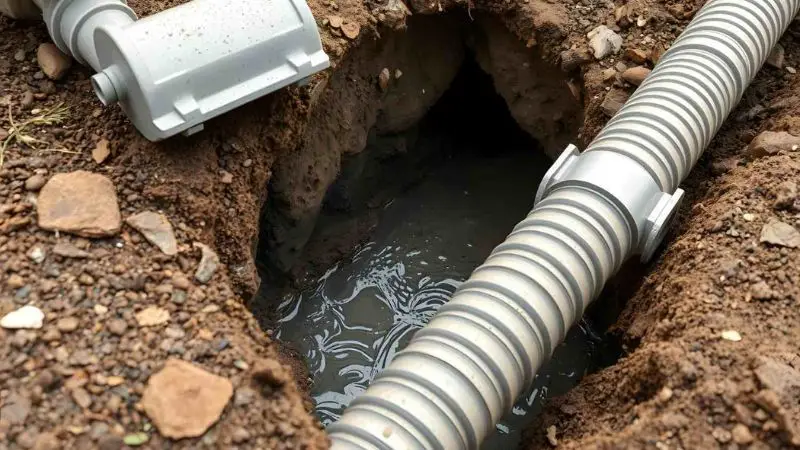
It costs a lot to build a separate sewerage system. Workers dig large holes and install extensive piping. The process is a time-intensive task and requires large machinery. People pay for these services with taxes or with bills. Certain sewerage system types require larger pipes. The bigger the pipe, the more it costs to construct and install. If the ground is hard or rocky, it costs still more. These prices are so exorbitant that they may induce cities to postpone upgrading sewerage systems.
Maintenance Challenges
Classification of sewerage systems is hard to keep in good working order. Pipes, pumps, and plants must be inspected frequently. Skipping maintenance might lead to clogged or leaking pipes. Such failures can lead to wastewater backing up onto homes or streets. Some systems, such as the partially different sewerage system, combine rainwater and sewerage. This complicates finding and resolving issues. The system needs to be cleaned and fixed by trained experts. Sometimes, to fix massive pipes, you have to close off roadways. Such actions can make the autos and buses slow down.
-
- Help the sewerage system work by cleaning your drains.
-
- Report slow drains or foul odors to your city.
Environmental Risks
A sewerage system can harm the environment if not maintained effectively. Heavy rain might cause a combined sewerage system to overflow. That pollutes rivers and lakes with unclean water. Fish can die, and water can turn brown. Even a sewerage system can leak if pipes are broken. This process is how sewerage pollutes the water and soil. Industrial sewage contains compounds that can harm plants and animals. You need rules to protect nature. If you live near water, look for evidence of sewerage pollution.
| Sewerage System Type | Main Environmental Risk |
| Combined | Overflow during storms |
| Separate | Leaks from broken pipes |
| Industrial | Chemical pollution |
Conclusion
You are now aware of the major types of sewerage system. Each sewage system has its own way of moving sewage. A mixed sewerage system is a type of sewer system in which sewage and rainwater are conveyed together. A different sewerage system keeps rainwater and sewage separate. There are different sewerage system that does each of those jobs. Knowing your sewerage system will help you to spot any problems at an early stage. This will help your community plan better. If you are in doubt, always get your sewerage system checked by a professional.
FAQ
What is the main purpose of a sewerage system?
Sewerage systems remove wastewater and rainwater. This is good for cleaning your home and neighborhood. It also helps you stay healthy.
How do you know if your sewerage system has a problem?
You can witness slow drainage or an unpleasant smell. Sinks and tubs may refill with water. These things imply your sewerage system needs help. If you detect these issues, call in an expert.
Can you connect rainwater pipes to the sewerage system?
Rainwater pipes shall not be connected to a sanitary sewerage system. Such connections can cause the system to overflow. It can pollute too. Obey your town’s rules for your pipes.